
Why Do Old Wedding Dresses Turn Yellow? Understanding the Causes and Solutions
As time passes, you might notice that your old wedding dress has turned a shade of yellow. This yellowing mainly occurs due to the natural aging of the fabric and chemical changes in the fibers. Factors like exposure to light, air, and certain types of storage can accelerate this process.
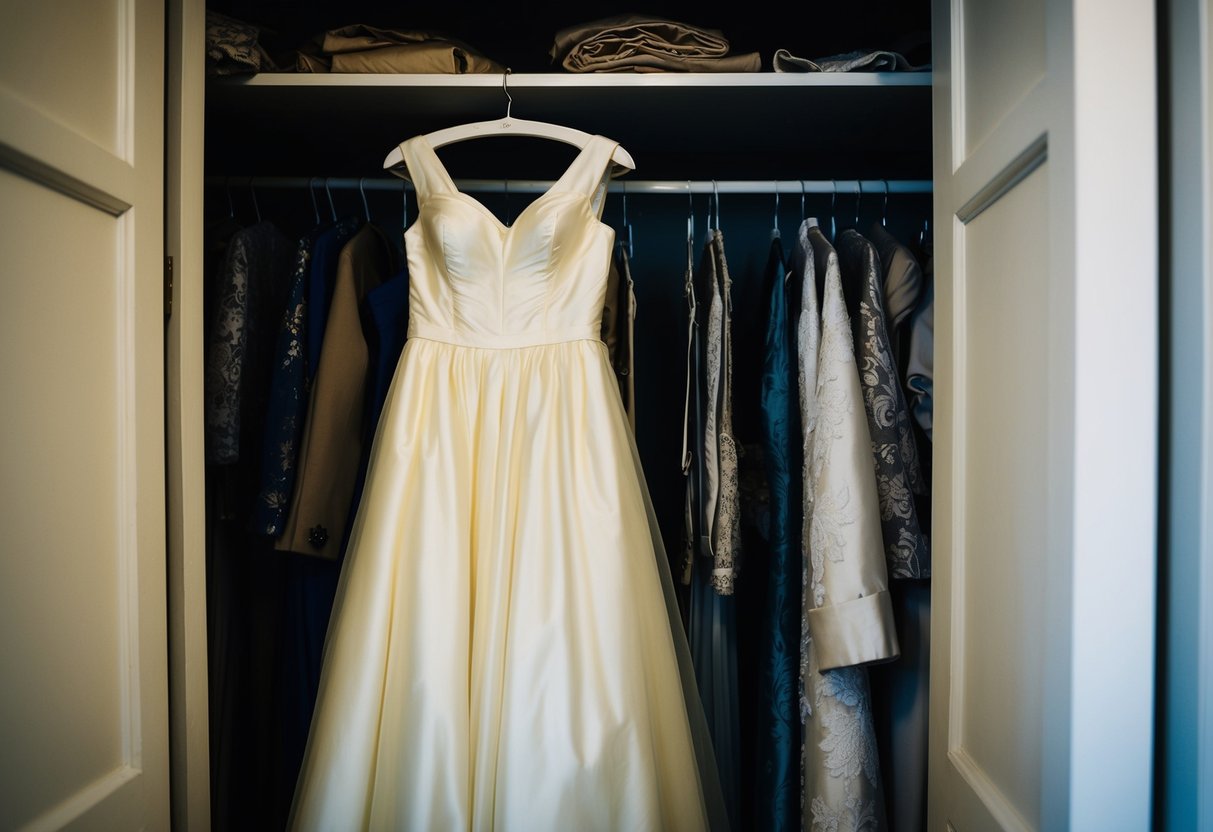
Preserving the beauty of your wedding dress is important, especially if it holds sentimental value. Understanding why wedding dresses yellow can help you take better care of your gown and keep it looking fresh for years to come. If you’ve ever wondered how to prevent or even restore your cherished dress, you’re not alone!
In this article, you’ll explore the reasons behind yellowing, and you’ll find practical tips to maintain the bright, white appearance of your wedding dress. Get ready to learn how to protect your precious memories!
Understanding Yellowing in Wedding Dresses
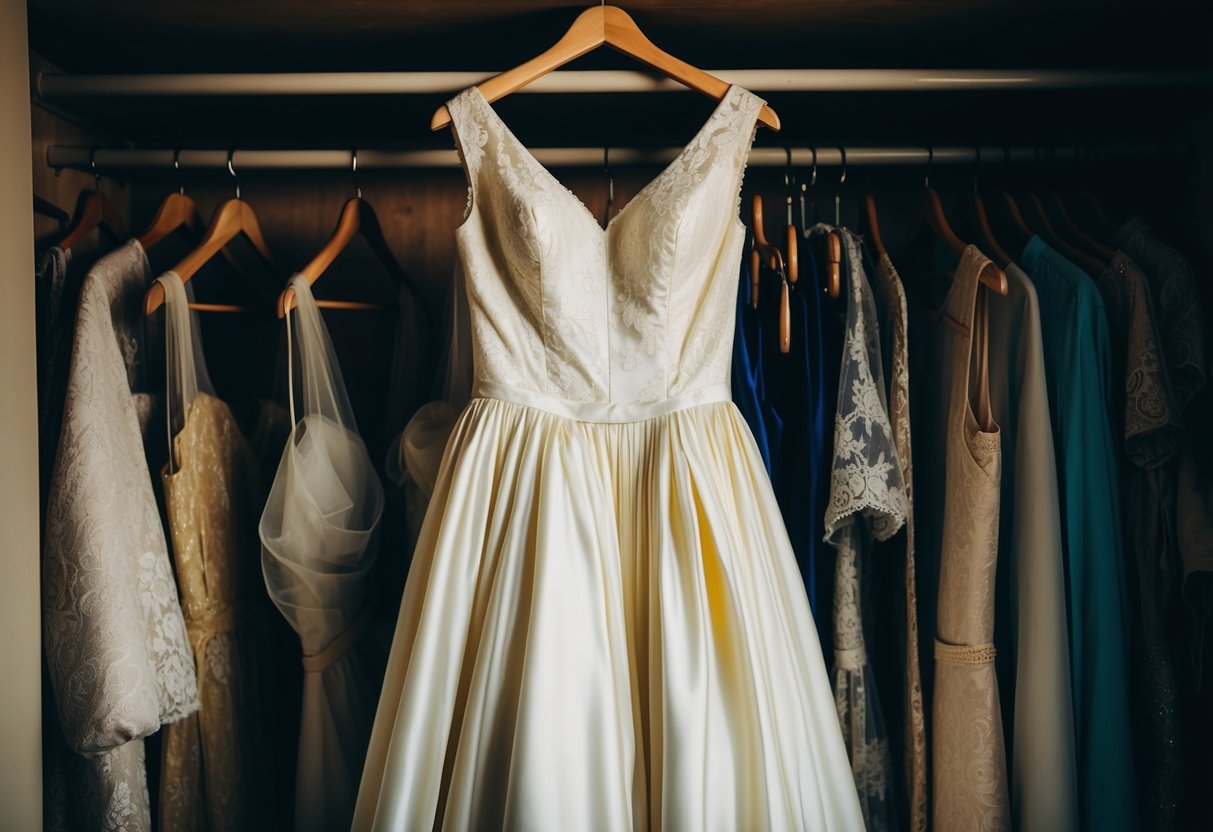
Yellowing in wedding dresses is a common issue faced by many. This section will explore the processes that lead to yellowing, the types of fabrics that are more prone to this problem, and the environmental factors that can contribute to it.
Yellowing Process and Chemical Changes
The yellowing of wedding dresses often happens due to a process called oxidation. This occurs when your dress is exposed to light, air, and other elements. Over time, fabrics experience chemical changes that can lead to discoloration.
Chemical degradation affects the fibers in your dress, breaking them down and altering their appearance. This can lead to phenolic yellowing, where certain chemicals in the fabric react to moisture or light. Once this degradation starts, it can be difficult to reverse. Stains from body oils or food can speed up the yellowing process. Regular cleaning can help maintain your dress’s color, but if not done correctly, it can cause more harm than good.
Fabric Types and Their Susceptibility
The type of fabric your wedding dress is made from greatly affects its susceptibility to yellowing. Silk and lace are especially vulnerable due to their delicate nature. These materials can absorb moisture and oils from the skin, which can lead to discoloration.
Cotton is also prone to yellowing but usually reacts differently. It might yellow due to a combination of moisture and environmental factors, like humidity.
Polyester, on the other hand, is more durable but can still yellow, especially if it’s mixed with more delicate fibers. When selecting fabrics, consider their properties to minimize future yellowing.
Environmental Factors Contributing to Yellowing
Environmental factors play a significant role in how your wedding dress ages. Humidity can cause fabrics to absorb moisture, leading to faster degradation of fibers.
Storing your dress in a sunny location can also cause yellowing. Ultraviolet (UV) light breaks down fibers and changes their color. Always store your dress in a dark, cool place.
Using acid-free tissue paper when preserving your dress is essential. It helps protect the fabric from external elements and prevents yellowing caused by chemical reactions. Your dress can remain beautiful for years with the right care and storage.
Proper Wedding Gown Care and Preservation
Taking care of your wedding gown is crucial to maintain its beauty and prevent yellowing. Proper cleaning and storage methods can help protect delicate fabrics like satin, chiffon, and tulle from damage. Here are some key practices to consider.
Clean It Right: Methods and Techniques
When cleaning your wedding gown, choose gentle techniques that suit the fabric. For delicate materials, spot cleaning is often best. Use a soft cloth and a gentle fabric cleaner to treat small stains.
For full gowns, consider wet cleaning for fabrics that can withstand moisture, or dry cleaning for more delicate types. Be sure to avoid harsh chemicals that can cause yellowing.
If you encounter a yellowed wedding dress, professional intervention might be necessary. Experts can use safe methods to restore your gown without damaging it.
Storage Solutions to Prevent Yellowing
Proper storage is essential for maintaining your gown’s white color. Always store your wedding dress in an acid-free box to protect it from pollutants and environmental factors.
Make sure the storage area is cool and dry to minimize the effects of heat and humidity, which can cause yellowing. Avoid hanging your gown, as this can distort its shape and lead to damage.
If you decide to use a garment bag, choose one made of breathable material. This helps prevent moisture build-up while protecting your gown from light exposure.
Professional Cleaning and Preservation
For long-term care, consider professional cleaning services that specialize in wedding gowns. Experts use appropriate methods to clean delicate fabrics safely and effectively.
After cleaning, ask about gown preservation services that include packaging your dress in acid-free materials. This method seals out pollutants and prevents exposure to light, which can lead to discoloration over time.
Keep in mind that maintaining your wedding dress requires ongoing care. Regular checks on the condition of the fabric help prevent any surprises when you retrieve it for future use.
When Yellowing Occurs: Restoration Techniques
If your wedding dress has turned yellow, there are ways to bring it back to its original beauty. You can choose to tackle the restoration yourself or reach out to professionals who specialize in this area.
DIY Tips for Addressing Yellowed Dresses
You can start with some simple DIY techniques. First, gently clean the dress. Use a mild detergent mixed with cool water to avoid damaging the fabric. Always test any solution on a small, hidden area first.
Next, consider using a fabric whitener designed for wedding dresses. Follow the instructions carefully. Make sure to rinse thoroughly to remove any residue.
Storage matters too. Ensure that you store your dress in a cool, dark place to prevent further oxidation. Avoid leaving it in sunlight or damp areas. Using acid-free tissue paper within the folds can also help maintain the fabric’s integrity.
Seeking Professional Restoration Services
If the DIY approach doesn’t yield the results you want, professional services are an excellent option. Look for a service that specializes in wedding dress restoration. They know how to handle delicate fabrics and can effectively tackle yellowing caused by oxidation and improper storage.
When selecting a professional, check their reputation. Look for reviews or ask for recommendations. A good restorer will perform a thorough assessment of your dress, discussing the best methods for restoration.
Additionally, inquire about their preservation techniques for long-term storage. Properly preserving your dress after restoration can prevent future yellowing, helping you keep those precious memories alive.