
Why Do People Get 2 Wedding Dresses? Exploring the Trends and Traditions Behind the Choice
Choosing a wedding dress is a big decision for any bride. You might wonder why some brides opt for two wedding dresses instead of just one.
Many brides choose to wear two wedding dresses to fit the different moods and moments of their special day. Wearing two dresses gives you the chance to express your unique style while catering to different parts of the celebration.
For example, you might prefer a classic, floor-length gown for the ceremony and a shorter, more playful dress for the reception dance floor. This flexibility enhances your comfort and joy on your wedding day.
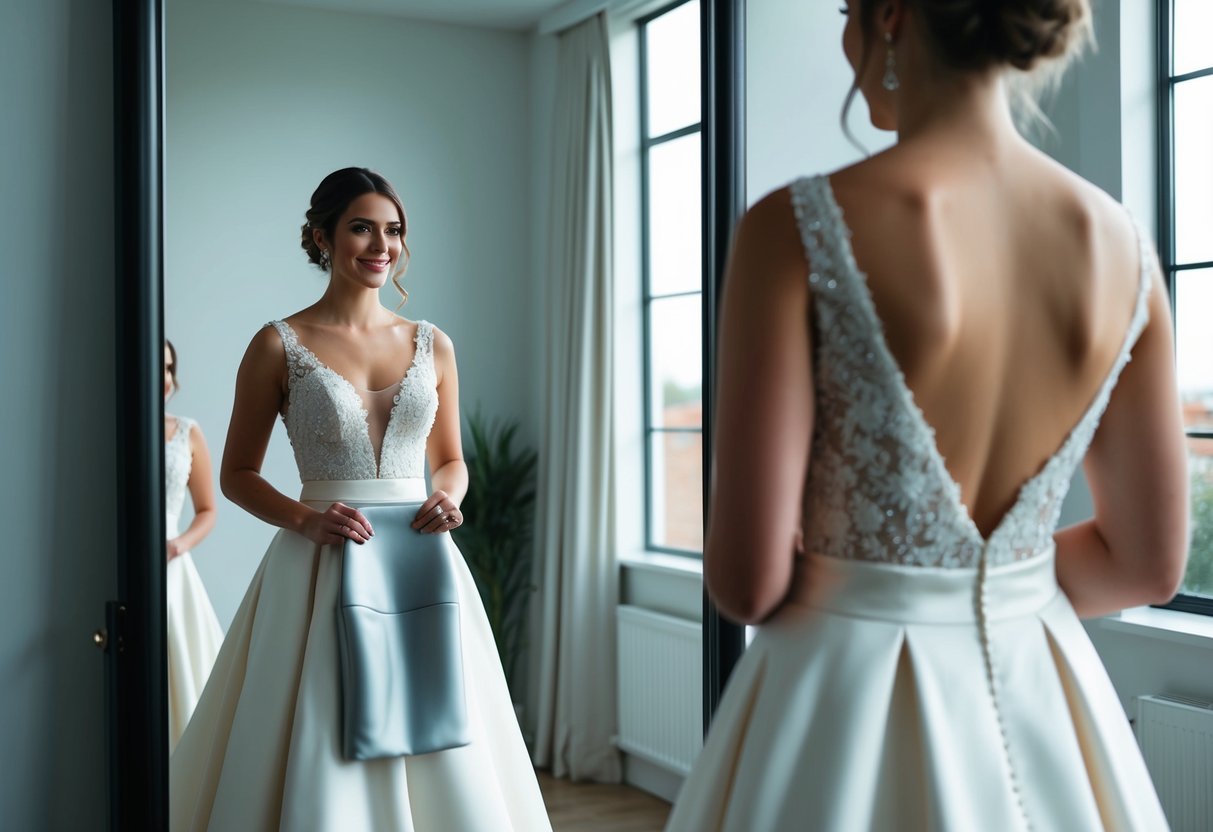
Having two dresses lets you make the most of your day and capture the spirit of both the formal and festive aspects of your wedding. It’s about feeling beautiful and confident, no matter where the day takes you.
The Rise of Two Wedding Dresses

More brides are opting for two wedding dresses to enhance their special day. This trend allows you to choose outfits that suit both the formal ceremony and the lively reception. Let’s explore why this choice is gaining popularity.
Ceremony Versus Reception Gown
The ceremony dress is often elegant and traditional. It may feature intricate designs, long trains, or classic silhouettes. This gown sets a serious and beautiful tone for the vows and is usually worn throughout the ceremony.
On the other hand, the reception dress is all about fun and freedom. Many brides want a dress that allows for movement and dancing. The reception dress can be shorter, more playful, and made from lighter materials, making it ideal for celebrating with friends and family. This shift in attire gives you the best of both worlds: a stunning ceremony gown and a comfortable, stylish reception dress.
History of the Second Look
The idea of a second wedding dress isn’t new. In the past, brides often changed into less formal outfits after the ceremony, reflecting the festive nature of wedding receptions.
This practice has evolved into a modern trend where many brides now choose specific styles for each part of the day. More couples are planning multi-day weddings. As a result, wearing multiple outfits is now more common, making a second wedding dress a practical choice. It’s a way to express personal style while embracing traditions. This approach allows for creativity, making your wedding uniquely yours.
Considerations for Multiple Wedding Gowns
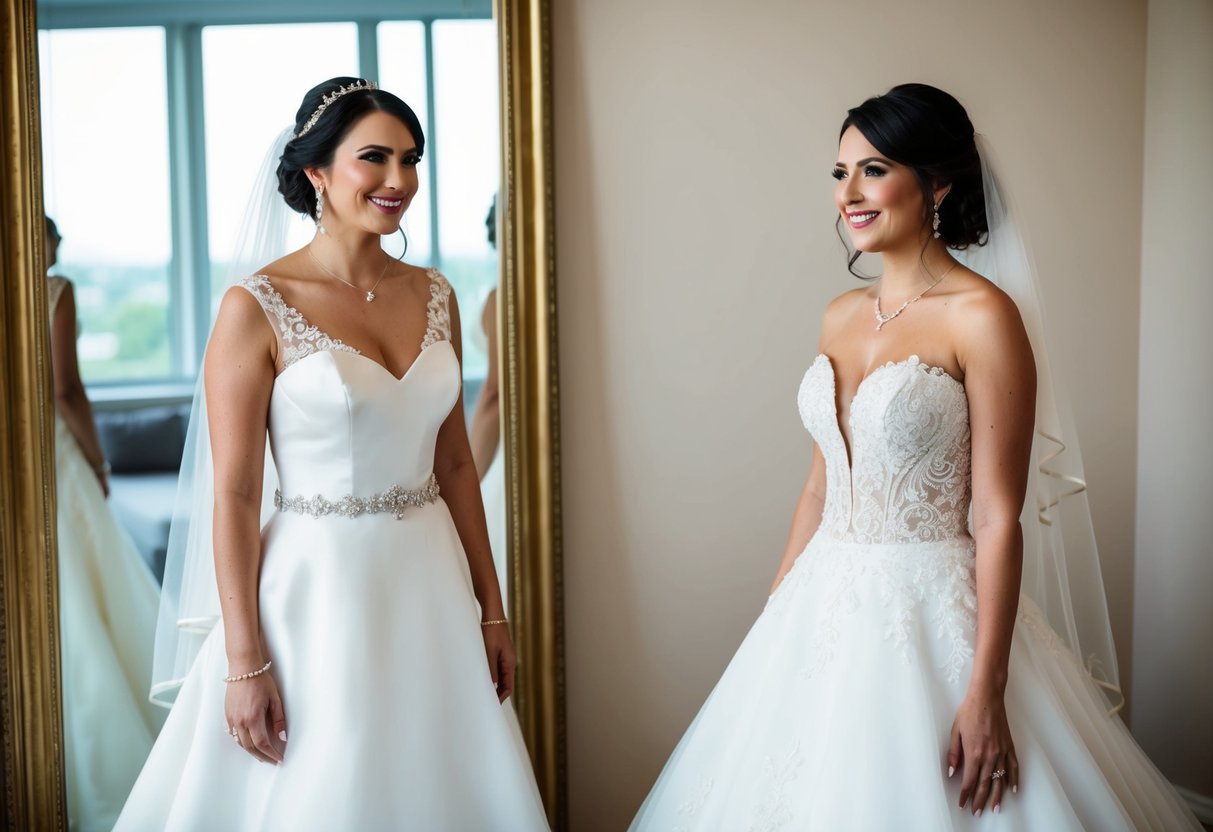
When planning to wear two wedding dresses, there are several important factors to think about. These include selecting the right styles, managing your budget, and ensuring comfort throughout your special day.
Choosing the Right Styles
Selecting the perfect styles for your dresses is essential. Think about the ceremony versus the reception.
The ceremony often calls for a more formal gown, while the reception may allow for something lighter and more fun. You might choose a traditional bridal gown for the vows, then switch to a shorter or simpler dress for dancing.
Consider your personal style and the theme of your wedding. Are you leaning toward classic elegance or maybe a bit more whimsical?
Explore different dress styles like A-line, ball gown, or sheath to find what suits you best. Remember, your choice should reflect your personality and comfort.
Budgeting for Two Dresses
Buying two wedding dresses can significantly impact your wedding budget. It’s vital to plan accordingly.
Start by setting a budget specifically for your dresses. Consider how much each gown will cost and whether you need additional money for alterations.
List all wedding dress shopping expenses, including fittings and accessories. You might find that an heirloom dress or a more affordable option allows you to stick to your budget.
Make sure to account for any unexpected costs associated with purchasing or altering the dresses.
Comfort and Convenience
Comfort should be a top priority when choosing your gowns. You want to feel amazing as you celebrate.
Think about the fabrics and styles that will keep you comfortable throughout the day. Heavier gowns may be beautiful but can become cumbersome when you’re dancing and moving around.
Also, consider how easy it is to change between dresses. Look for styles that allow for a quick change, especially if you don’t have a private area. Using a bustle on your reception dress can help with movement during the party. Always prioritize what feels best for you on your big day.
The Logistics of Changing Dresses

Planning to change into a second wedding dress involves careful timing and support. Organizing this transition can make your day smoother and allow you to enjoy both looks fully.
Timing the Outfit Change
When you consider the timing of your outfit change, think about key moments during the wedding.
The best time to switch dresses is often during the reception after the ceremony and formal photos. This gives you an opportunity to flaunt your second look in a more relaxed atmosphere.
Make sure you allocate enough time for your dress change. Depending on the complexity of both dresses, it can take anywhere from 15 to 30 minutes. You’ll want to find a private area, like a bridal suite or designated room, where you can change comfortably without feeling rushed.
Consider the flow of events so you don’t miss important moments. It might help to plan your dress fitting around your wedding schedule to ensure a smooth transition.
Backup Plans and Assistance
Having a backup plan is crucial for changing dresses successfully.
Ideally, you’ll want someone you trust, like a bridesmaid or your mother, to assist you during the change. They can help with zippers, buttons, and adjustments to ensure both dresses fit perfectly.
Keep a small emergency kit with items like safety pins, double-sided tape, and makeup to handle any wardrobe malfunctions. It’s wise to think about your hairstyle, makeup, and accessories too. You may want a slightly different look for the second dress to complement its style.
Lastly, communicate with your wedding planner or venue staff about your plans. They can help ensure a private space is available for your outfit change, making the process seamless and enjoyable for you.
Trends and Inspirations

Many brides today are embracing the idea of wearing two wedding dresses. This choice reflects personal style and offers options for different parts of the day. Let’s explore some exciting trends and inspirations shaping this creative decision.
Contemporary Designs and Themes
Today’s brides often seek gowns that match their unique personalities. Bohemian brides might choose relaxed silhouettes with flowing fabrics like chiffon and organza, offering both comfort and elegance.
Detachable skirts are also popular, allowing you to switch from a dramatic look for the ceremony to a simpler style for the reception.
Brides blend modern elements and classic touches. For example, pairing sleek fits with lace panels or mixing textures can create stunning contrasts.
With these options, you can express your individuality while still enjoying the traditional aspects of your special day.
Classic Influences
Many brides also draw inspiration from timeless styles. Vintage lace is making a comeback, adding a romantic feel to wedding gowns. This elegance works well for those who admire the charm of yesteryears.
Feminine brides might opt for soft colors and delicate details, combining classic silhouettes with modern elements. For example, a convertible dress can transform with ease.
Choosing details like intricate lace panels can enhance your gown, giving it that timeless appeal. Combining the classic look with current trends allows you to celebrate your history while creating your unique celebration.