
Why Do People Leave Weddings Early? Exploring Common Reasons Behind the Early Exit
Weddings are joyful celebrations, but sometimes guests decide to leave early. Many people leave weddings early for reasons like avoiding traffic, feeling tired, or personal commitments. Understanding these reasons can help you navigate your own choices as a guest or a host.
You might wonder if leaving early is rude or acceptable. It can depend on various factors, such as the timing of your departure and your relationship with the couple. Knowing the social norms around this can take the pressure off and make attending a wedding feel more comfortable.
When you recognize why others might leave, it can help you focus on enjoying the moments that matter most. Whether you are attending a wedding or planning one, understanding these dynamics can make the experience more enjoyable for everyone involved.
Understanding Wedding Etiquette
When attending a wedding, knowing the proper etiquette helps you navigate social situations. This includes understanding the wedding timeline and recognizing the appropriate moments to leave.
Navigating the Timeline
Weddings usually follow a set timeline that includes key events. Your arrival should be timed to catch the main parts, such as the ceremony, cocktail hour, and reception.
Most receptions have specific highlights, like the cake cutting, first dances, and speeches. Staying until after the last dance shows respect to the couple.
If you plan to leave early, know the 30/5 rule. This rule suggests staying at least 30 minutes after your arrival if you want to leave early, while also considering how long the wedding is going on. This can help you say goodbye during a natural pause in events.
Knowing When to Leave
It’s essential to recognize the right moment to leave a wedding without being rude. As a guest, consider your relationship with the couple. If they’re close friends or family, aim to stay longer.
Timing matters too. Leaving before the formal exit might appear disrespectful. If you must go, it’s courteous to tell the couple in advance.
Other acceptable times to leave include after major eating events or the cocktail hour, especially if you have a valid reason like early work commitments or childcare needs. Remember, clear communication is often best in these situations.
The Social Dynamics
Weddings are not just about the couple; they involve many social factors. Understanding these dynamics can help you see why some guests leave early. Personal commitments and cultural influences can impact attendance and timing.
Cultural and Personal Reasons
Cultural norms strongly shape how long guests stay at weddings. In some cultures, staying until the end is expected, while in others, it’s more common to leave early.
Personal reasons also play a significant role. For instance, you might have work obligations the next day or need to arrange childcare. Guests often aim to avoid traffic or other inconveniences.
Many guests may feel that it’s acceptable to leave early, especially if they haven’t established a strong connection with the couple. If you are one of those guests, consider informing the couple in advance. This helps avoid any feelings of disrespect, which may arise if you slip away without a word.
Impact on Bride and Groom
When guests leave early, it can affect the bride and groom more than you might think. They invest a lot in their wedding celebrations and want everyone there to share in their joy.
If a significant number of guests depart before the festivities end, it can create a sense of disappointment. You can imagine how it feels for the couple to look around and see empty seats.
Your presence indicates support and happiness for the couple. If you must leave early, try to participate in key moments, like the reception or speeches. This shows respect and keeps the focus on the wedding night, which is such a special time for them.
Practical Considerations
When attending a wedding, there are practical reasons that may lead you to leave early. These can include logistical challenges, as well as personal dietary needs. Being aware of these factors can help you plan your time at the event effectively.
Logistical Challenges
Sometimes, the venue can create issues for guests. If the location is far from home, you might want to avoid late-night travel. Guests often prefer getting home at a reasonable hour, especially after a long day of celebrations.
Traffic can also play a big role. If you know a wedding will end late, consider leaving a bit early. This helps you miss the rush of guests exiting the venue. For instance, if there are planned activities like a photo booth, you could enjoy it early and then make your exit.
Addressing Dietary Restrictions
Weddings should offer a variety of food options. However, if you have specific dietary restrictions, this can make things tricky. Many couples do their best to accommodate guests, but sometimes the menu might not meet your needs.
If you know you have food sensitivities, it’s a good idea to inform the couple in advance. This can help them plan meals that work for you.
Additionally, if you feel uncomfortable with the meal provided, you might choose to eat before you arrive. This way, you can still enjoy the celebration without worrying about dietary challenges.
After the Celebration
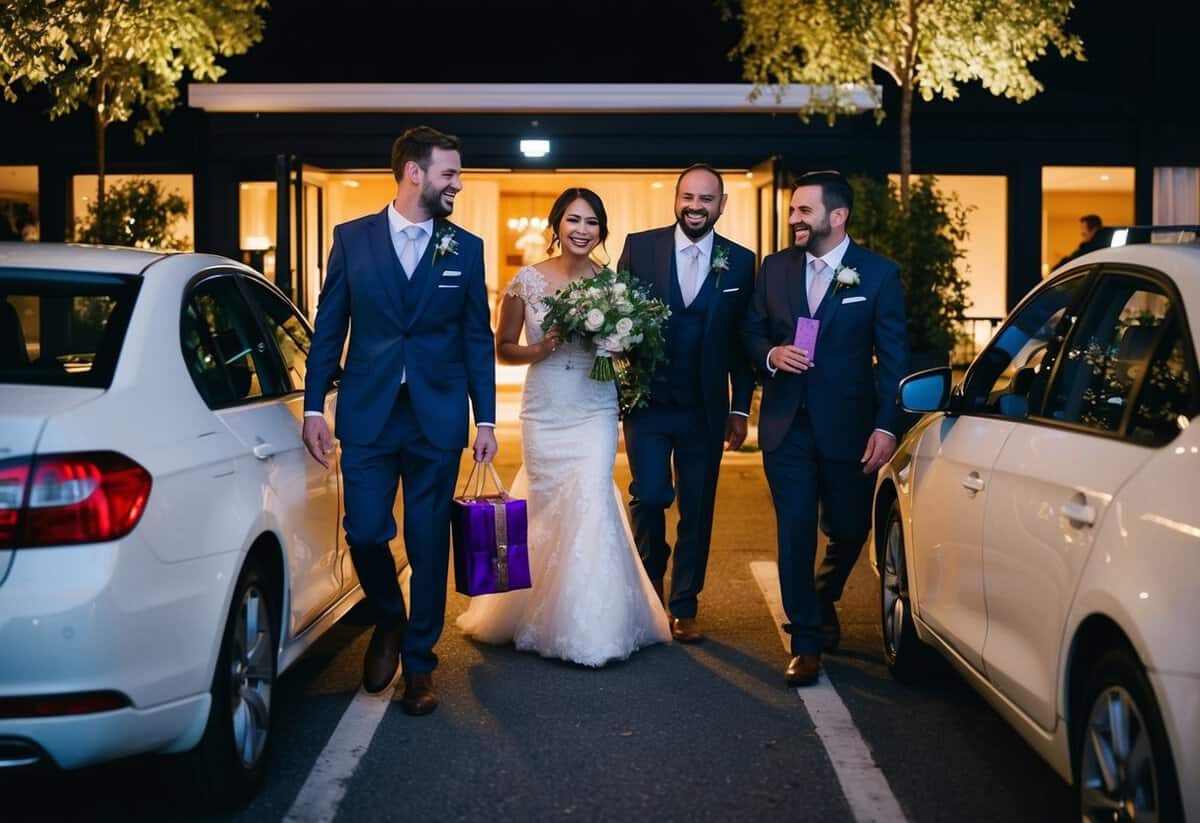
After-Party Etiquette
If there’s an after-party, be mindful of the couple’s wishes. They may have specific plans, like cutting the cake or having a cocktail reception. Staying until the end shows support and gives you a chance to celebrate them further.
When planning to leave, let the couple know ahead of time if possible. This is especially polite if you’re skipping the after-party. A thoughtful wedding gift is always appreciated, even if you leave early. Finally, participate in any send-off the couple has planned; it’s a memorable way to show your joy for them.