
Why Do People Want to Be Wedding Planners? Exploring the Passion Behind the Profession
Many people dream of being a wedding planner. They want to help couples create their special day and turn their visions into reality. The chance to be part of the excitement and joy as families come together to celebrate love is a major draw. Meeting new people and forming connections with clients is also a big perk of the role.

Many are attracted to the idea of wedding planning because it allows for creativity and organization. You can express your artistic side while also managing all the details that make a wedding run smoothly. From selecting the right vendors to coordinating every moment, it’s fulfilling work that leads to memorable experiences for everyone involved.
If you love working with people and thrive in dynamic environments, exploring a career as a wedding planner might be for you. You can make significant contributions to one of the most important days in a couple’s life, ensuring that their wedding is as beautiful and seamless as they imagined.
The Allure of Wedding Planning
Wedding planning is a unique career that combines creativity, passion, and strong organizational skills. If you love designing events, working closely with couples, and managing details, this field might be perfect for you.
Creative Expression and Design
As a wedding planner, you get to unleash your creativity. Designing a wedding is like telling a beautiful story using colors, flowers, and decorations. You can create unique themes that match the couple’s personalities.
Your creativity helps set the mood for each event. From the color palette to the floral arrangements, every detail can be customized. This role allows you to play with different styles, whether it’s a rustic outdoor wedding or a glamorous indoor celebration.
Passion for the Wedding Industry
Your enthusiasm for the wedding industry can drive you to excel as a planner. Many enter this field because they love weddings and want to help couples on one of the most important days of their lives.
Building relationships with vendors and learning about the latest trends keeps your work exciting. You’ll be part of joyous moments, and your passion can inspire couples to trust your vision. This dedication turns events into memorable experiences.
Project Management and Attention to Detail
Wedding planning requires excellent project management skills. You will coordinate multiple aspects, including timelines, budgets, and vendor contracts. Attention to detail is crucial because even the smallest oversight can impact an event.
Your role involves ensuring everything runs smoothly on the big day. From scheduling rehearsals to managing guest lists, being organized is key. You must handle unexpected challenges calmly and effectively, demonstrating your skill as a project manager.
Benefits of Being a Wedding Planner
Being a wedding planner offers unique advantages that attract many into this rewarding field. From building strong relationships with clients to embracing entrepreneurship, and enjoying a variety of wedding experiences, this career provides both personal and professional rewards.
Building Relationships with Clients
One of the most fulfilling aspects of being a wedding planner is the chance to build lasting relationships with clients. You get to share a couple’s journey, from the initial planning stages to the wedding day itself. This close interaction allows you to understand their vision and bring it to life.
By knowing your clients well, you can tailor every detail, from vendor selection to the ceremony setup. Your ability to connect with them can lead to trust and appreciation. Positive experiences often mean referrals and repeat business, enhancing your career and earning potential.
Opportunities for Entrepreneurship
As a wedding planner, you have the freedom to create your own brand and business model. This opportunity for entrepreneurship is attractive to many. You can choose how to market yourself and the services you offer, whether it’s full-service planning or coordination only for day-of events.
With the average cost of a wedding being significant, your financial rewards can be considerable. Starting with a strong reputation can allow you to charge competitive rates. You might charge around $3,000 for comprehensive planning, which opens doors to a lucrative career, especially in popular locations for destination weddings.
Diversity of Wedding Experiences
Every wedding is unique, providing diverse experiences that keep the job exciting. You could work on intimate ceremonies or grand receptions, each with its own set of challenges and joys. This variety allows you to grow your skills in different areas of planning, from floral design to timeline management.
Additionally, planning weddings in various settings—like beaches for a destination wedding or quaint gardens—means you never face the same situation twice. Each event enriches your portfolio and helps you develop a distinct style. Your adaptability will be key to success in this ever-changing environment.
Challenges and Solutions in Wedding Planning
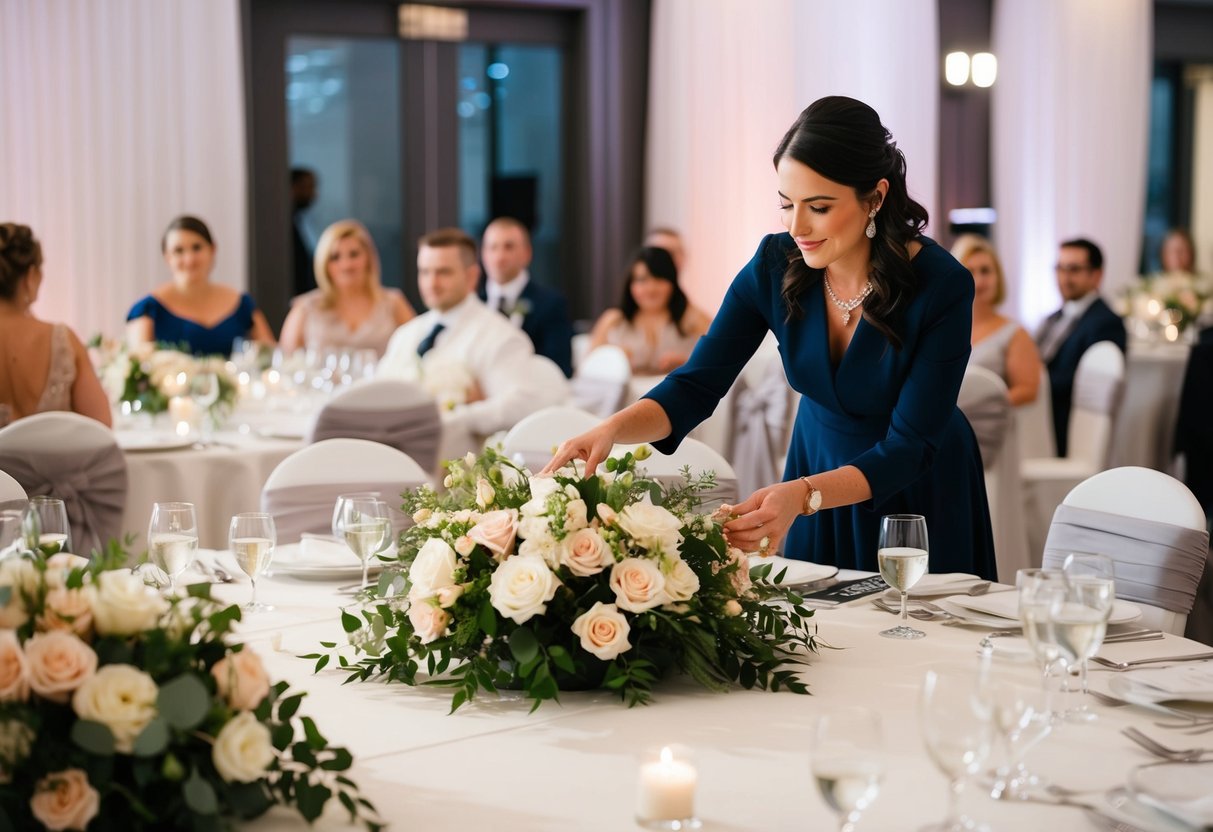
Wedding planning can be a rewarding experience, but it comes with its own set of challenges. Knowing how to manage client expectations, budget effectively, and handle logistics can make your job easier and more enjoyable.
Managing Client Expectations
When working with clients, clear communication is key. Make sure to have open discussions about their vision and what is realistically achievable. Clients may have high hopes, so it’s important to empathize with their desires while guiding them on what fits their budget and timeline.
To help manage expectations, create a detailed timeline and checklist for the planning process. This can include important milestones, like booking venues and finalizing guest lists. Regular updates can ensure clients feel informed and involved. You can also encourage them to prioritize their wishlist, so you can focus on what matters most to them.
Budgeting and Saving Money
Budgeting is often seen as the biggest challenge in wedding planning. To serve your clients better, guide them through creating a workable budget. Start by listing all potential expenses, such as venue costs, catering, and décor.
When it comes to saving money, suggest alternatives. For example, clients might love a lavish venue but could save by considering off-peak dates or local parks. Research vendors who offer package deals, as these can often come at a discounted rate. Encourage your clients to think outside the box and prioritize what’s truly important to them.
Handling Logistics and Unexpected Issues
A successful wedding depends on handling logistics well. You need to coordinate vendor schedules and provide transportation. Attention to detail is vital.
To avoid chaos, develop a master checklist of all essential tasks and deadlines.
Unexpected issues can arise at any moment. Be prepared with backup plans for elements like bad weather or last-minute cancellations. Always have a list of alternative vendors on hand.
Encourage clients to stay calm and remind them that you’re there to handle any bumps along the way.
Clear planning will smooth out surprises and keep the day running on schedule.