
Why Do Some Married Couples Not Wear Their Wedding Rings? Exploring Reasons Behind This Choice
It’s not uncommon to notice that some married couples choose not to wear their wedding rings. The reasons for this choice range from personal preferences and comfort issues to deeper relationship dynamics. For many, the absence of a ring does not reflect a lack of commitment; instead, it can symbolize individuality or practical considerations.

You might wonder if not wearing a wedding ring signals problems in a relationship. While some may associate this with issues of trust or emotional distance, it’s important to remember that each couple has their own story. Many married people find that a ring isn’t necessary to affirm their bond and commitment to one another.
As you explore the reasons behind this trend, you’ll discover insights into how diverse relationships can be. Whether it’s due to work environments, personal style, or simply comfort, understanding these choices can help you appreciate the different ways couples express their love and commitment.
Cultural and Personal Significance of Wedding Rings
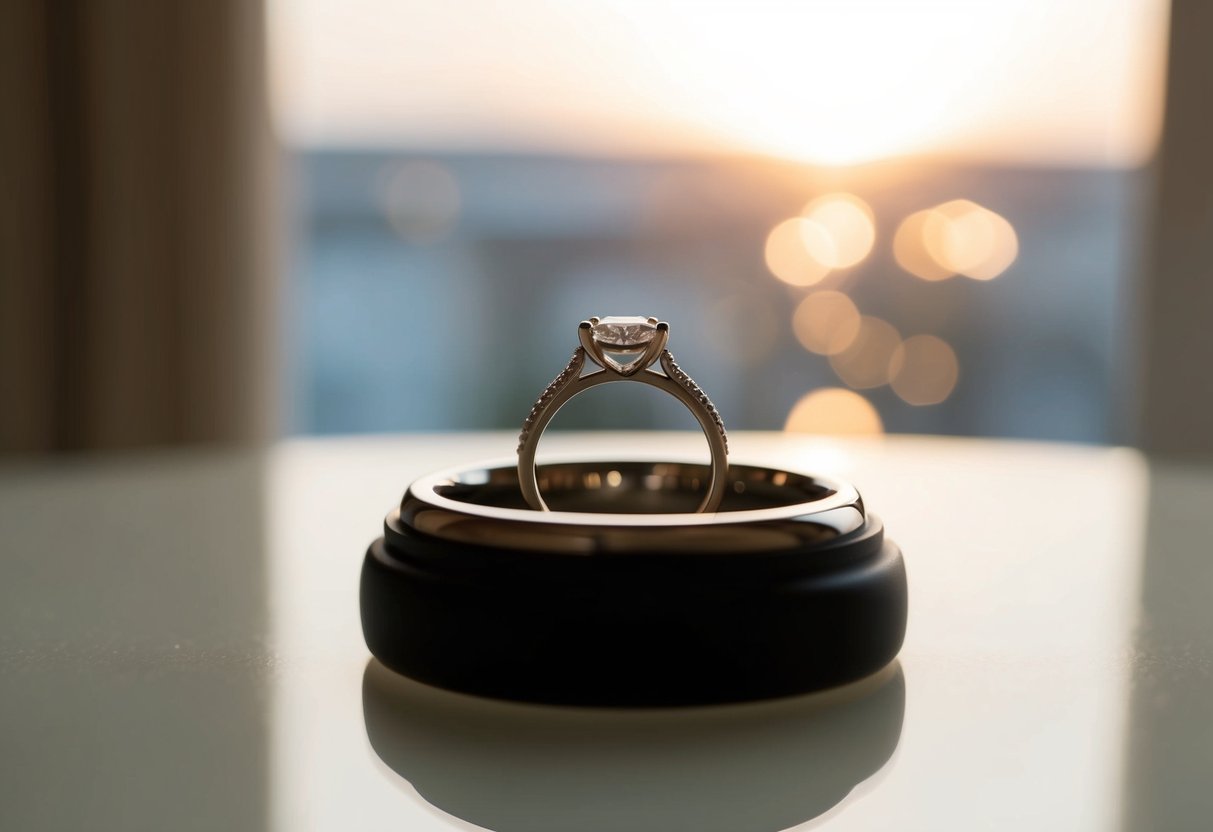
Wedding rings carry deep cultural meanings and reflect personal choices. Many see these rings as a symbol of love, commitment, and unity. However, the reasons some couples choose not to wear them often relate to individual beliefs and preferences.
Symbolism in Different Cultures
In many cultures, wedding rings are powerful symbols of love and commitment. For instance, in Western traditions, the circle of the ring represents eternity and the unbroken bond between partners. In some Eastern cultures, rings are worn on the right hand, symbolizing different aspects of the relationship.
In India, the wedding ring is part of more elaborate ceremonies, showcasing family ties and heritage. Different cultures also interpret gemstones and metals uniquely. For example, diamonds are seen as the ultimate symbol of love in many Western societies. Each culture adds layers of meaning to these rings, making them significant beyond mere jewelry.
Personal Preferences and Expressions of Love
Many individuals have personal reasons for not wearing wedding rings. Some find them uncomfortable or simply do not like wearing jewelry. Others may work in environments where wearing rings can pose safety risks, such as in construction or certain medical fields.
For many, expressing love doesn’t depend solely on wearing a ring. Some couples opt for alternative symbols, like matching tattoos or other meaningful items. These choices reflect their commitment and love in unique ways. Your expression of love can be just as powerful without the traditional ring, showing that personal preference plays a key role in how relationships are celebrated.
Practical Considerations for Wearing Wedding Rings
When deciding whether to wear a wedding ring, several practical factors can influence your choice. These include your career, lifestyle, and personal comfort. Understanding these points can help you make an informed decision.
Career and Lifestyle Impacts
Your career and lifestyle can greatly affect your ability to wear a wedding ring. For instance, if you work in a job that involves machinery or construction, a ring might get caught, leading to serious injuries. Certain work environments, like hospitals, may also discourage wearing jewelry for hygiene reasons.
Additionally, if you’re involved in physical activities or sports, rings can become uncomfortable or even cause injury. It’s worth considering whether your job requires you to remove your ring regularly, which might make it impractical to wear day-to-day.
Comfort and Maintenance Concerns
Comfort is crucial when deciding to wear a ring. Some people may find rings cumbersome or irritating. Others may experience allergies to metals like gold or silver, making wearing a ring challenging.
Maintenance is another factor to think about. Rings require regular cleaning to keep them looking nice and prevent wear. If you lead a busy lifestyle, you may not have the time to maintain your ring properly. Additionally, if you’re not used to wearing jewelry, it might feel strange or uncomfortable at first. It’s essential to consider these practical aspects to ensure that wearing a wedding ring feels right for you.
Social and Interpersonal Factors

The choices couples make about wearing wedding rings often relate to their relationship dynamics. Factors like marital status, communication habits, trust, and devotion play a significant role in these decisions.
Marital Status and Communication
Your relationship status can greatly affect how you view wedding rings. Some couples may feel that wearing rings is unnecessary if they have already established strong commitments. Open communication is vital here. When partners discuss their feelings about wearing rings, it can clarify expectations and strengthen bonds.
If there’s a concern about marital problems, a lack of communication can lead to misunderstandings. You could find that simply talking about your preferences helps both of you feel more aligned in your commitment. Discussing these aspects shows you care about each other’s opinions and feelings.
Trust and Devotion
Trust is essential in any marriage. If you or your partner feel secure in your relationship, you might not feel the need to wear a ring as a symbol of commitment. Some people believe their love and devotion don’t rely on external symbols.
For others, not wearing a wedding ring might raise questions about their commitment. It’s important to assure each other that love isn’t defined by jewelry. Being responsible in how you communicate these feelings can increase trust and deepen your connection. Showing devotion can be expressed in many ways, and understanding each other’s perspectives is key.
Challenges and Issues in Marriages
Married couples can face various challenges that may lead to not wearing wedding rings. These issues often center around trust, communication, and relationship status. Understanding these factors can provide insight into your own relationship dynamics.
Dealing with Marital Issues
Many married couples encounter marital problems that affect their relationship. Communication is key to addressing these issues. It’s important to express feelings and concerns openly. Sometimes, one partner may stop wearing their wedding ring due to unresolved conflicts or disagreements.
Lack of trust can also emerge when partners are not transparent with each other. Discussing your feelings about wearing rings can help clarify intentions. It’s essential to have regular conversations about how each partner feels in the relationship. This can help rebuild trust and strengthen your bond.
Infidelity and Its Implications
Cheating can dramatically impact a relationship. If one partner is unfaithful, the other may choose to stop wearing their wedding ring as a sign of hurt or disconnection. This act can serve as a visible acknowledgment of the trust issues present in the marriage.
Addressing infidelity involves open discussions about your relationship status and feelings. Couples may seek counseling to navigate these challenging emotions.
Restoring trust after betrayal takes time and requires effort from both partners. Understanding each other’s needs and expectations is vital for healing.