
Why Do the Husband and Wife Give Each Other Rings? Understanding the Symbolism of Marriage Bands
When you think about weddings, one of the most memorable moments is the exchange of rings. Husbands and wives give each other rings as a powerful symbol of their love, commitment, and unity. These rings represent the promises made to one another, signaling a deep bond that goes beyond words.

Wearing a wedding ring is more than just a tradition; it serves as a constant reminder of the vows you took. Each time you glance at your finger, it reinforces your commitment to one another.
This circular band has no end, symbolizing an everlasting connection between you and your partner.
As you explore the significance of wedding rings, you’ll discover how they reflect a couple’s journey together. They embody not just the love you share, but also the promise to stand by each other through all of life’s challenges. Understanding the importance of these rings can add even more meaning to your special day.
Historical Origins of Ring Exchange
The exchange of rings between husbands and wives has a rich history. This tradition spans various cultures and civilizations, shaping marriage customs throughout time. You’ll find the significance of rings deeply rooted in both symbolism and beliefs.
From Ancient Egypt to Modern Traditions
In ancient Egypt, rings were made from materials like hemp or reeds. They symbolized eternity and were often worn on the fourth finger, believed to have a vein that leads to the heart, known as the vena amoris. The custom evolved as the ancient Romans began using more durable materials, including gold, to signify commitment.
By the medieval period in Europe, the tradition became widespread, and celebration of love transitioned to beautiful rings being exchanged during weddings. Gimmel rings were a popular choice during this time. These rings had interlocking parts, symbolizing the union of two people.
Today, wedding rings continue to hold this profound meaning of commitment and love.
Legends and Beliefs in Different Cultures
Many cultures have their own unique stories about ring exchange. For instance, in Eastern cultures, rings symbolize unity and harmony in marriage. Meanwhile, Alexander the Great is said to have exchanged rings as a sign of everlasting love, influencing customs in his empire.
In various European traditions, wedding rings often feature intricate designs or gemstones, conveying personal meanings. The symbolism varies, yet the core idea remains—rings are a powerful representation of love and commitment in many societies worldwide. They connect you with a long history of beliefs and practices, enriching your own wedding experience.
The Symbolism Behind Wedding Rings
Wedding rings carry deep meanings for couples. They represent love, commitment, and a bond that lasts a lifetime. Understanding their symbolism can help you appreciate this beautiful tradition more fully.
Circle as a Symbol of Infinity
The circular shape of wedding rings is essential to their meaning. A circle has no beginning or end, symbolizing an everlasting bond. This shape represents eternal love and unity between partners.
When you exchange rings, you’re saying that your relationship will last forever. This idea of infinity reminds you that your commitment is unbreakable. The ring serves as a tangible symbol of your devotion, reflecting that your love will continue as long as you both shall live.
Love, Fidelity, and Commitment Representations
Wedding rings are powerful symbols of love and fidelity. By giving each other these rings, you pledge to be faithful and devoted to one another.
This commitment is not only a promise to love but also to support and cherish each other.
The act of wearing wedding bands serves as a daily reminder of this promise. Every time you glance at your ring, it reinforces your dedication to your partner. It signifies that you are a team, united in your journey together.
Cultural and Spiritual Meanings
Different cultures add unique layers of meaning to wedding rings. In many traditions, they symbolize not just love but also chastity and fidelity. The ring can also represent spiritual connections and the couple’s shared values.
For example, some cultures use plain bands to signify purity, reflecting the simplicity and strength of the marital bond. In other contexts, rings adorned with symbols like Cupid might remind you of the love that sparked your union.
These cultural and spiritual meanings enrich the significance of wedding rings, making them even more special to you and your partner.
The Craftsmanship of Wedding Bands
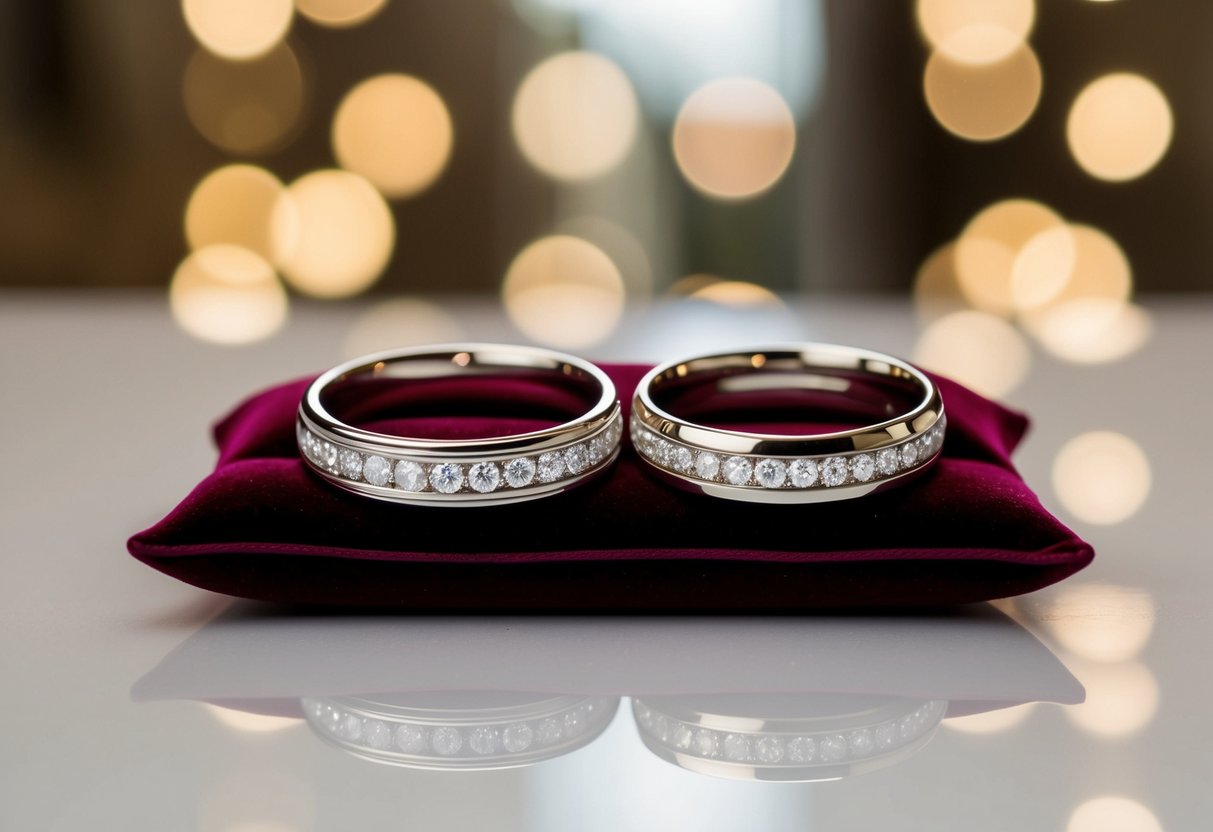
The craftsmanship of wedding bands reflects the love and commitment shared between partners. Each ring can be made from various materials and can include unique design elements that make it special. You have many options to choose from when selecting the perfect symbol of your partnership.
Popular Materials and Precious Gems
Wedding bands can be crafted from a variety of materials including gold, silver, and platinum.
- Gold is a classic choice, available in yellow, white, and rose varieties.
- Silver is a more affordable option, often used for more casual styles.
- Platinum is known for its durability and comfort, making it a popular choice for those seeking a long-lasting ring.
In addition to these materials, many people choose to enhance their bands with gemstones or diamonds. Diamonds remain an iconic choice for engagement rings, while colored gemstones like sapphires or emeralds can make a wedding band unique and personal.
Personalization and Engraving Details
Personalization is a fantastic way to make your wedding bands truly yours. Many couples opt for engravings inside or outside the band.
These engravings can include names, dates, or meaningful phrases that represent your relationship.
You can also explore different designs, such as intricate patterns or textures that add an artistic touch to your rings.
Consider choosing a matching design for both partners that symbolizes your unity. This can make your rings even more special and significant to your love story.
Rings for Every Stage of Love and Commitment
Wedding bands come in many forms that cater to different stages of love and commitment. You may start with an engagement ring, followed by a wedding band, but there are also other options like promise rings or purity rings.
- A commitment ring symbolizes a long-term promise between partners.
- An eternity ring often celebrates a milestone or anniversary in your relationship and is typically adorned with a continuous line of diamonds or gemstones.
Each type of ring carries its own meaning but all share the goal of representing your feelings for one another.
Wearing the Ring: Customs and Practices
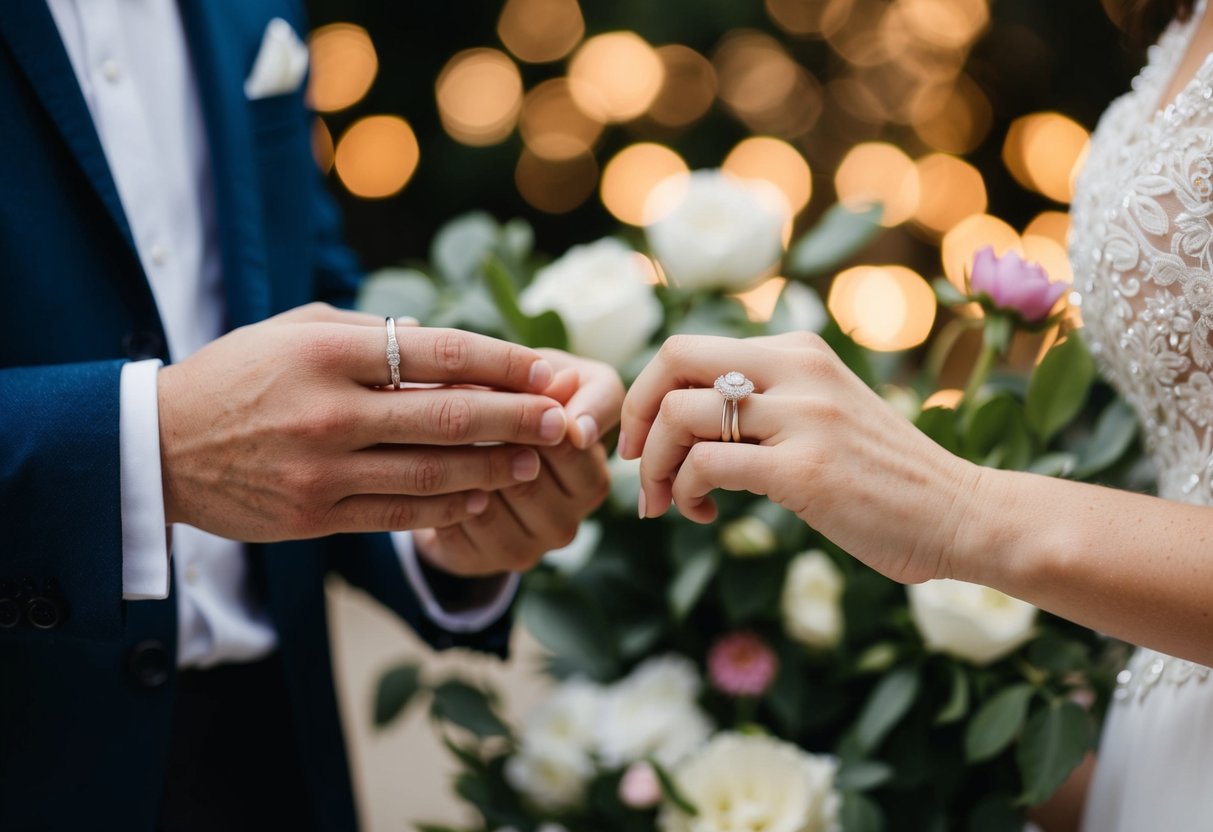
Rings play an important role in wedding ceremonies across cultures. The customs around wearing these rings vary, especially concerning which finger to use, how rings are exchanged, and the unique practices found around the world.
Which Finger and Which Hand?
In many Western cultures, you typically wear your wedding ring on the fourth finger of the left hand. This tradition comes from the belief that a vein in this finger, known as the “vena amoris,” leads directly to the heart.
Some people opt for the right hand for practical reasons or cultural beliefs. Engagement rings are usually worn on the same finger, stacked with the wedding band after the marriage.
The Ceremony of Exchanging Rings
During the wedding ceremony, exchanging rings symbolizes the couple’s commitment. Often, you take turns placing the ring on each other’s finger while saying vows.
This moment is significant because it represents your promises to each other. The ring itself also stands for your love, a circle with no beginning or end. White gold and diamond rings are popular choices, but many couples also select unique materials that reflect their personal styles and values.
Global Wedding Ring Practices
Customs vary widely around the world regarding wedding rings. In some cultures, couples exchange gimmel rings. These consist of two interlocking bands that symbolize unity. Other traditions may involve wearing promise rings or commitment rings before exchanging wedding bands. Eternity rings are sometimes given as a gift to celebrate an anniversary.
Different cultures may also emphasize the ring’s placement, reflecting local traditions and beliefs about love and marriage.
Understanding these customs helps you appreciate the significance of the wedding ring as a symbol of love and commitment in your relationship.