
Why Do Wedding Brides Cry? Exploring the Emotions Behind the Big Day
Weddings are filled with a whirlwind of emotions, making them one of the most memorable days of your life. Brides often cry on their wedding day due to a mix of overwhelming feelings, including love, joy, and nostalgia. These joyful tears often stem from significant moments, like seeing your partner for the first time or reflecting on the journey that led you to this special day.
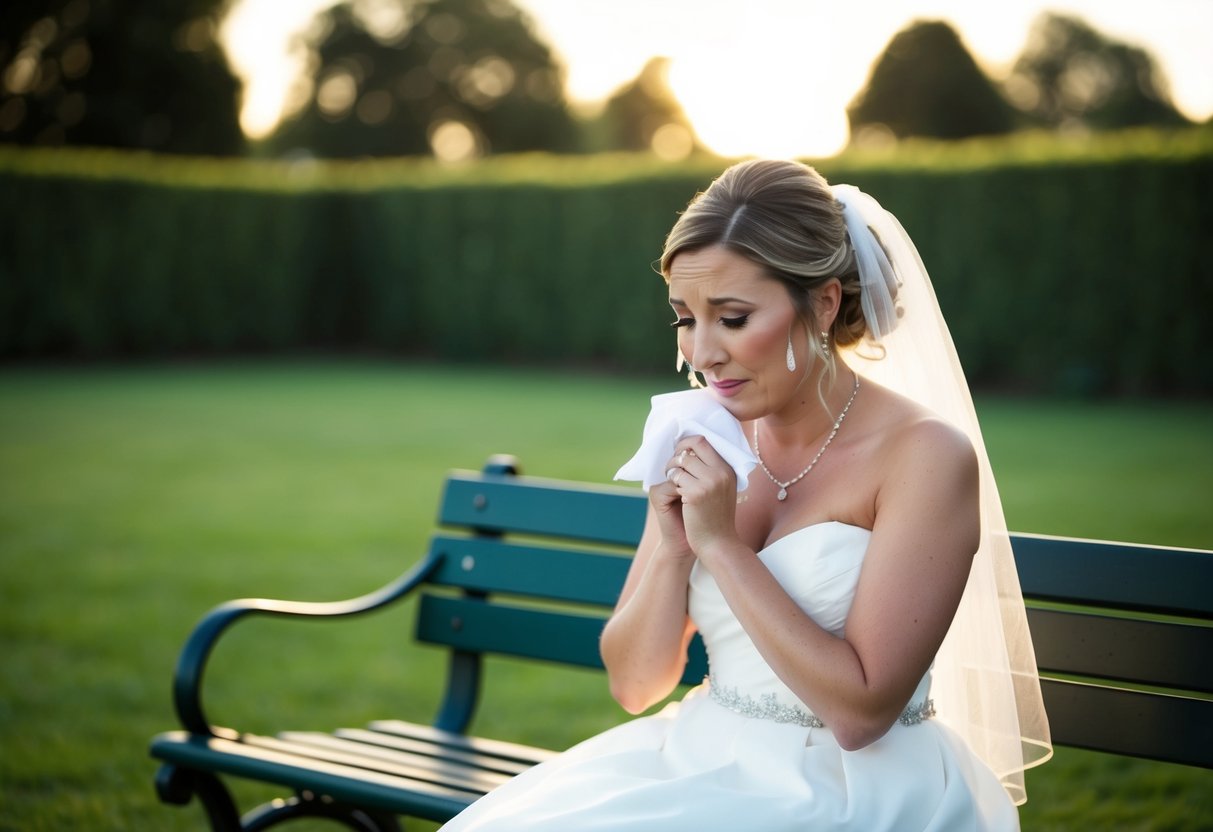
The process of planning a wedding can be quite stressful. After all the hard work and effort, a bride might cry tears of relief, happy to finally enjoy the moment. It’s perfectly normal to feel a blend of excitement and vulnerability, as you embrace both the future with your partner and the memories you cherish.
Crying during a wedding is not just a sign of sadness, but rather a release of emotions and a celebration of love. It’s a way to connect deeply, share your feelings, and experience the joy of this important milestone with your loved ones.
Emotional Significance of Weddings
Weddings are often filled with powerful emotions, especially for brides. Feelings of love, commitment, and joy create a deep emotional experience. Understanding why these moments can lead to tears is important.
Understanding the Tears of Joy
When you think about tears at weddings, it’s usually tears of joy. These tears often arise from the overwhelming emotions you feel during significant moments, like the ceremony itself.
Seeing your partner waiting at the altar can trigger a wave of emotion, reminding you of the journey you’ve taken together.
Crying during the vows or the first look is a natural reaction. It’s a release of all the joy, love, and excitement that fills the air.
These moments reflect the importance of the day, making it memorable.
The Role of Love and Commitment
The essence of a wedding revolves around love and commitment. This day marks a promise between you and your partner to share your lives together.
As you exchange vows, the weight of that commitment often brings an emotional response.
The thoughts of future happiness and challenges can be overwhelming, leading to tears of happiness.
Crying can also connect you to your family and friends present, sharing in the joy of this new chapter.
These emotions emphasize how special the wedding day truly is, highlighting the love that surrounds you.
Rituals and Moments That Bring Emotions to the Surface
Weddings are filled with powerful rituals that often stir deep emotions. Certain moments stand out and can bring tears to your eyes, whether it be the tender exchange of vows or reflecting on memories linked to significant milestones.
Exchange of Vows and the Walk Down the Aisle
The moment you exchange vows is incredibly emotional. This is when promises of love and commitment become real.
You may feel a mix of excitement and nervousness as you stand in front of your partner and loved ones.
The walk down the aisle is another key moment. This journey can feel like stepping into a new life.
As you walk, you might be flooded with memories of your past. Seeing the reactions of your guests can also heighten these feelings.
Each step brings anticipation, and you may find yourself reflecting on how far you’ve come together.
Symbolic Milestones and Nostalgia
Symbolic milestones during the ceremony add layers of meaning. For some, ceremonies include traditions like breaking the glass or tying the knot, which symbolize unity.
These rituals often evoke nostalgia, reminding you of family stories and past weddings. You might recall moments from your own childhood or family celebrations.
These thoughts can deepen your emotional connection to your own wedding day. Each ritual and tradition carries memories that make this day uniquely yours.
Feelings of joy mix with the bittersweet acknowledgment of changes ahead. Emotions can run high as you realize this is a significant turning point in your life.
The Social and Cultural Context of Wedding Tears
Tears at weddings hold significant meaning shaped by societal norms and emotional experiences of key participants, especially the bride and groom. Understanding these influences can help explain why feelings often overflow during such moments.
Influence of Societal Norms and Media
Societal norms play a big role in how emotions are expressed at weddings. From a young age, many people are shown romantic movies where tears of joy are common.
This media influence sets expectations for how you should feel and react during weddings.
Cultural traditions often emphasize the importance of the day. You may feel an emotional weight from family expectations or societal pressures.
The combination of these factors can lead you to shed tears, whether from happiness, nostalgia, or recognition of change.
Groom’s Perspective on Vulnerability
In the groom’s experience, tears can express vulnerability. You may feel a mix of joy and anxiety about the transition to married life. It’s not just the bride who feels overwhelmed; many grooms also find themselves emotional.
In recent years, grooms crying at weddings has become more accepted. This shift allows you to embrace your emotions without fear of judgment. Crying becomes a way to show love and authenticity, highlighting the emotional weight of the commitment being made.