
Why Do You Need a DJ for Your Wedding? Elevate Your Celebration with Professional Music and Entertainment
When planning your wedding, one of the biggest decisions you’ll face is whether to hire a DJ. A DJ can set the tone for your entire wedding reception. They can make the difference between a fun, memorable event and a quiet gathering.
Good music is key to keeping your guests engaged and entertained. Without the right entertainment, even the most beautiful venue can feel dull.
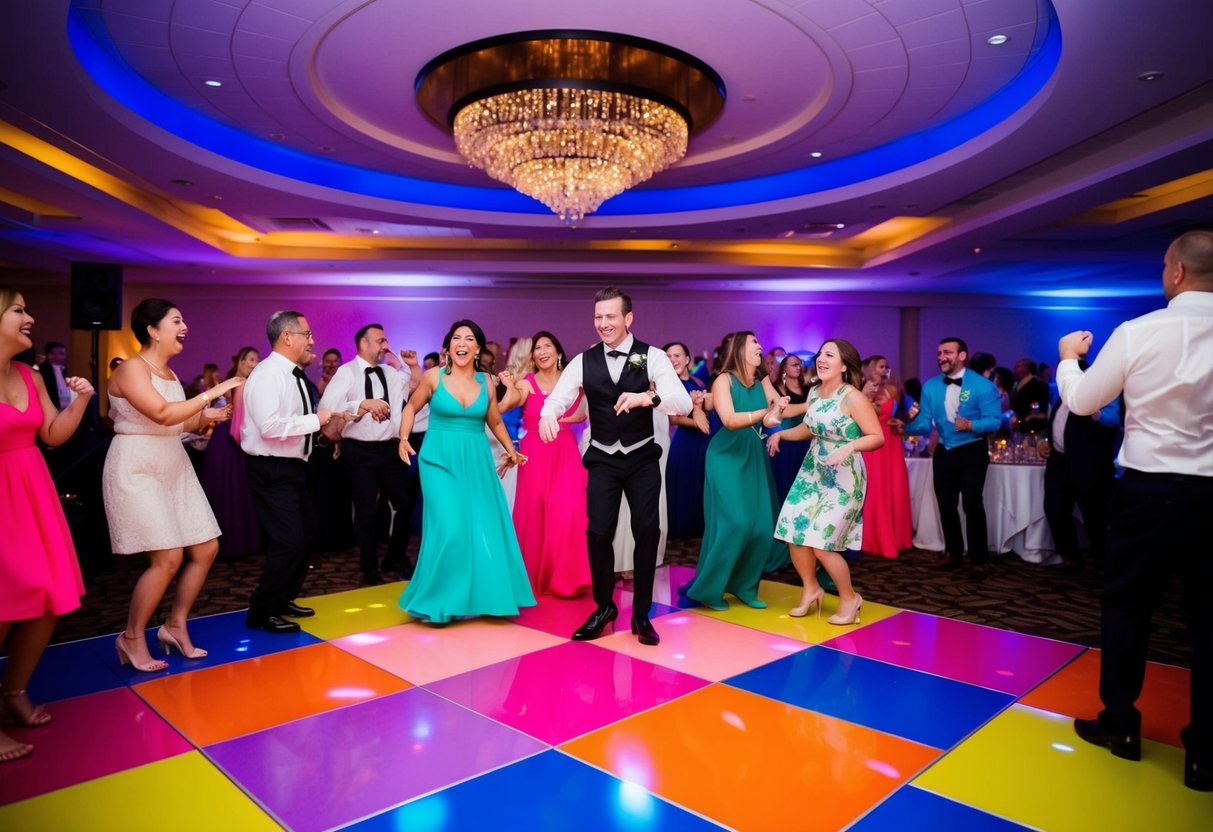
Imagine your guests dancing and having a great time, all thanks to a skilled DJ who knows how to read the crowd and play the right songs at the right moments. A professional DJ can also help manage the flow of events. They ensure everything runs smoothly while you focus on enjoying your special day. With the right wedding entertainment, you can create lasting memories for both you and your loved ones.
The Role of a DJ at a Wedding
A DJ at your wedding does much more than just play music. They help create the right atmosphere and keep everything running smoothly during your special day. Their expertise as a master of ceremonies, music selector, and technical support ensures a successful and enjoyable experience for you and your guests.
Master of Ceremonies
As an emcee, your DJ will lead the event, ensuring everyone knows what to expect next. They’ll introduce speakers, announce special moments, and help keep your wedding on schedule. This guidance helps to create a seamless flow from the ceremony to the reception.
A skilled emcee can add a personal touch by sharing stories or anecdotes, making announcements feel more vibrant and engaging. You can work with them to decide on the tone you want—whether it’s formal, fun, or somewhere in between. This personal connection makes the event feel even more special.
Music and Atmosphere Management
Your DJ plays a vital role in setting the mood through music choices. They can create playlists that reflect your style and preferences.
Whether you want romantic melodies for the ceremony or upbeat tracks for the dance floor, your DJ knows how to adjust the vibe.
They will read the crowd and adapt the music to keep everyone engaged. If the energy dips, they’ll switch to dancefloor fillers that get people moving again. Knowing when to change the tempo ensures an enjoyable experience for all ages.
Sound System and Technical Support
A professional DJ provides a reliable sound system that enhances your wedding celebration. With proper audio equipment, they ensure the music is clear and at the right volume, so everyone can enjoy it. Quality sound helps every moment, from speeches to dance breaks, be memorable.
Additionally, your DJ handles all technical details. They will set up and test the sound equipment before the event starts, solve any issues that may arise, and ensure everything runs smoothly. This allows you to focus on enjoying your day without worrying about sound problems.
Differences Between a DJ and Live Band
When planning your wedding, choosing between a DJ and a live band can be a big decision. Each option offers unique benefits, and understanding their differences will help you make the best choice for your special day.
Music Variety and Song Requests
One major difference is the range of music available. A DJ can offer a vast selection of songs from various genres. Whether you want classics, current hits, or niche tracks, a DJ has the flexibility to play exactly what you desire.
With a live band, the selection is often more limited. They can only play the songs they know. While they may sound great, you won’t be able to request every specific song you want. This can be a big drawback if you have particular favorites in mind.
Many DJs also allow you to share a list of preferred songs ahead of time, or even set up a Spotify playlist. This gives you complete control over the music that is played, ensuring your wedding has a personal touch.
Space and Setup Requirements
When considering space, a live band requires more physical room. They need space for multiple musicians and their instruments. Depending on the size of your venue, accommodating a band may complicate the setup.
DJs, on the other hand, have a smaller footprint. They usually need just a table and some equipment. This compact setup allows for more flexibility in smaller venues or areas where space is limited.
Moreover, sound equipment for a DJ is often simpler, which makes it easier to set up and break down after the event. This can save you time and hassle on your wedding day.
Cost Considerations
Budget is always a key factor when planning a wedding. Hiring a live band can be more expensive, usually starting at $3,900. This cost reflects the musicians’ skill and the equipment needed.
In contrast, hiring a DJ is often more budget-friendly. On average, a DJ might cost around $1,500 to $2,500, depending on factors like experience and equipment. This difference can greatly impact your overall wedding budget, allowing you to allocate funds to other areas, like decorations or food.
Planning Your Wedding Entertainment
Choosing the right entertainment for your wedding is crucial for creating a fun and memorable experience. A professional DJ can help set the tone for your celebration. You will want to consider several important factors when planning your wedding entertainment.
Selecting the Right DJ
When you hire a DJ, it’s essential to find someone who matches your style. Look for a DJ with experience in weddings. Check reviews and ask for recommendations from friends or family.
During your meetings, discuss what you envision for your dance party. Ask about their music library and if they can play specific songs. It’s also important to talk about their equipment. A professional DJ should have reliable gear and backup plans in case of technical difficulties.
Venue and Space Requirements
Your wedding venue plays a big role in your entertainment choices. Ensure there is enough space for the dance floor and for the DJ setup. A crowded area can dampen the mood, so talk to your venue about layout options.
You should also discuss power needs with your venue. The DJ will require electrical outlets for their equipment. It’s advisable to have at least a few outlets available nearby. If the venue has restrictions on noise levels or music types, make sure your DJ is aware so they can plan accordingly.
Creating the Soundtrack for Your Day
Your wedding music should reflect your personalities and style. Start by creating a list of songs that are meaningful to both of you. Include songs for key moments, like your first dance or bouquet toss.
Discuss your preferences with your DJ. They can help you create a good flow for the evening. It’s a great idea to include a mix of genres to keep your guests entertained. Make sure to give your DJ a “do not play” list, too. This allows them to avoid songs you dislike during your celebration.
Special Moments Enhanced by a DJ
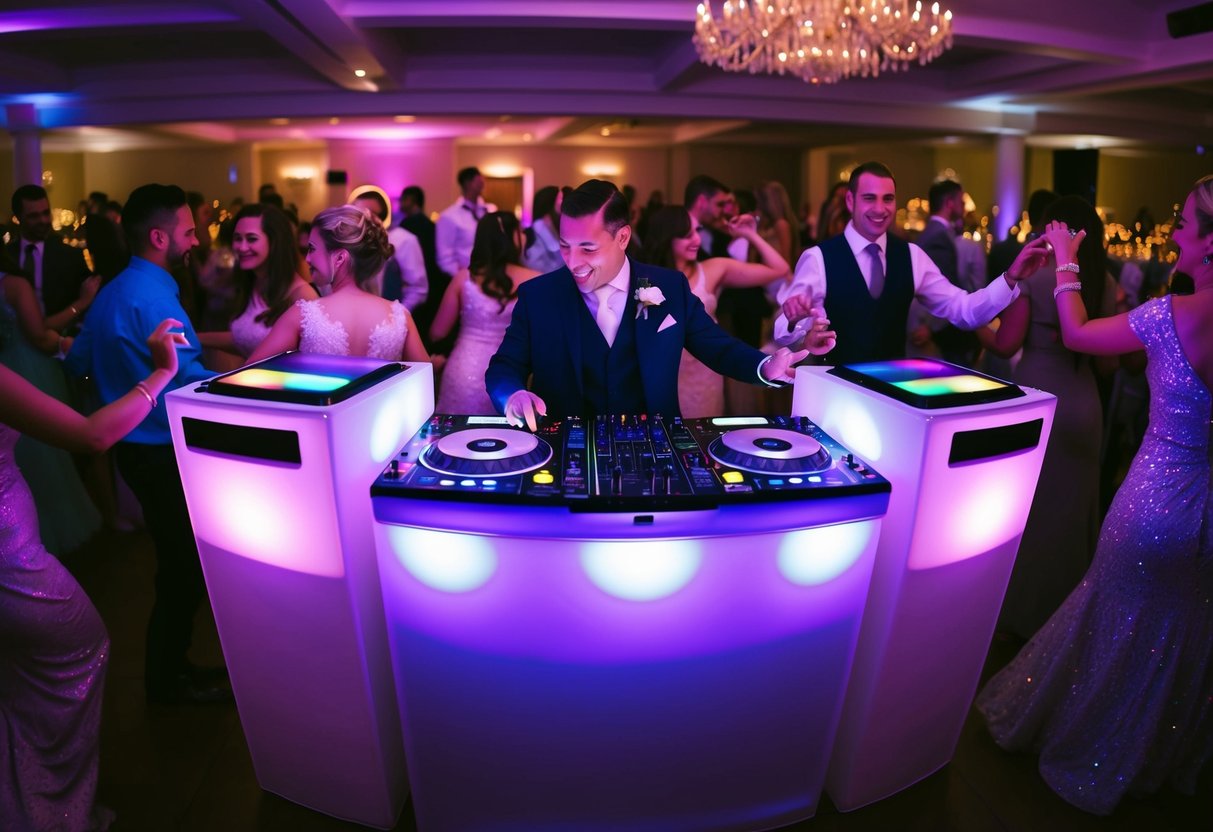
Having a DJ at your wedding ensures that special moments are memorable and well-coordinated. From the first dance to the bouquet toss, a skilled DJ can create the perfect atmosphere and keep the celebration flowing smoothly.
First Dance and Wedding Traditions
Your first dance is a pivotal moment that sets the tone for your reception. A DJ not only plays your chosen song but also helps with the flow of this memorable event. They can make announcements to gather guests’ attention, ensuring everyone is focused on you.
In addition to your first dance, a DJ can seamlessly transition into other wedding traditions, such as the father-daughter dance or the bouquet toss. They know exactly when to cue the music for each segment, enhancing the emotional impact and making these moments unforgettable.
Cocktail Hour and Reception Highlight
During the cocktail hour, a DJ sets the mood with the right music. They create a relaxed atmosphere while guests mingle, eat, and enjoy drinks. A good DJ selects songs that are upbeat but not overwhelming, keeping the vibe enjoyable.
As the reception progresses, a DJ helps transition smoothly between key moments. They introduce important events like toasts or cake cutting. Clear announcements ensure everyone is aware of what’s happening next, so no special moment goes unnoticed.
Crowd Control and Engagement
An experienced DJ knows how to engage your guests and keep the dance floor full. They can read the crowd and adapt the playlist to match the guests’ energy.
This skill is vital for maintaining a lively atmosphere throughout the night.
Using microphones, they can make crucial announcements, guiding your guests during transitions, like moving from dinner to dancing.
Their ability to control the crowd ensures everyone feels involved, making for a fun and memorable wedding experience.