
Why Do You Wear Your Wedding Ring on Your Left Hand? Understanding the Tradition and Meaning Behind It
Wearing your wedding ring on your left hand is a tradition that many people follow. This custom often symbolizes love, commitment, and the bond of marriage. The left hand has become the preferred choice in many cultures, especially in Western countries, where it is believed that a vein runs directly from the fourth finger to the heart. This gives the left ring finger a special meaning in expressing emotional connection.
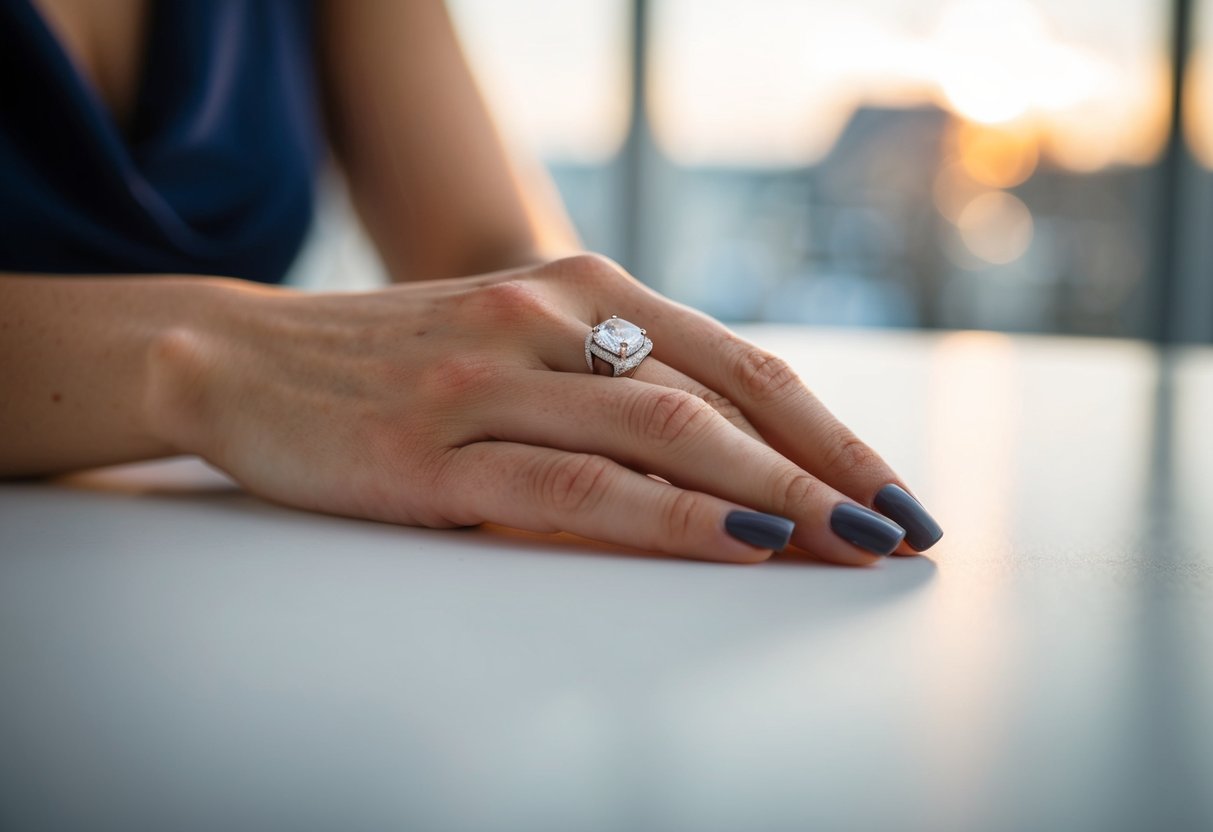
You might wonder why this tradition started in the first place. It has roots in history and culture, where the left hand was often seen as a more romantic side. From ancient beliefs to modern practices, choosing the left hand for your wedding ring has become a gesture filled with sentiment and significance.
As you wear your ring, it serves as a daily reminder of your commitment and the love you share with your partner. Whether you’re walking down the street or simply looking at your hand, this small piece of jewelry tells a powerful story about your relationship.
The History and Significance of Wedding Rings
The history of wedding rings is rich and varied, reflecting cultural changes and personal meanings over time. From ancient customs to modern practices, your wedding ring carries deep significance that connects you to traditions from across the globe.
Ancient Origins and Cultural Evolution
Wedding rings date back to ancient Egypt, where they symbolized eternity and love. Egyptians commonly used braided reeds to make rings. These simple bands were given as tokens of commitment.
The tradition evolved in ancient Rome. Romans believed in the concept of the “vena amoris,” which means “vein of love.” They thought this vein ran from the left hand’s ring finger directly to the heart. Thus, the left hand became the preferred choice for wearing wedding rings.
As time passed, cultural traditions spread. For instance, the Greeks adopted similar practices, often using gold for wedding bands to symbolize wealth and status. These early practices laid the groundwork for today’s traditions.
Symbolism Across Different Societies
Wedding rings carry different meanings across cultures. In Western traditions, a wedding ring symbolizes a couple’s love and commitment. The circular shape of the ring represents eternity, with no beginning or end.
In some cultures, rings are worn on different fingers. In India, for example, wedding rings are traditionally worn on the right hand because the left is considered unclean. Orthodox Christians also follow this practice.
Additionally, some cultures inscribe meaningful phrases or dates on their rings. This custom adds a personal touch, making the ring unique to each couple’s journey.
Modern Interpretations and Variations
Today, wedding rings come in many styles and materials. Couples often choose different metals like gold, silver, or platinum, each symbolizing various qualities such as purity and strength.
You may also find creative designs that reflect your personality. Some couples opt for matching bands, while others prefer individual styles.
The choice of which hand to wear the ring on varies based on cultural beliefs. These modern interpretations remain rooted in the historical significance of love, commitment, and personal expression, blending the past with contemporary styles that resonate with you.
Anatomical and Cultural Reasons
When it comes to wearing your wedding ring on your left hand, both anatomical beliefs and cultural practices play significant roles. These traditions can vary widely across different regions and communities, forming a rich tapestry of meaning behind this simple act.
Vena Amoris: The Vein of Love
One popular belief is that the left hand’s fourth finger, often called the ring finger, contains a vein that is directly connected to the heart. This vein is known as the “vena amoris,” or vein of love.
While modern science does not support this anatomical idea, it still captures the romantic notion that love is felt closest to the heart through this finger. In many Western cultures, this symbolism has influenced couples to choose the left hand as the ideal spot for their wedding ring.
Wearing the ring here not only shows commitment but also connects it to deeper emotional significance.
Dexterity and Dominant Hand Considerations
Another practical reason for wearing the wedding ring on the left hand relates to your dominant hand. If you are right-handed, the left hand is free from everyday tasks, making it less prone to wear and tear. This helps keep your ring safe and in good condition.
In the United States and other countries, people often follow this convention. Conversely, those who are left-handed may choose to wear their rings on the right hand. Such decisions depend on personal comfort and daily routines, allowing you to keep your ring as the beautiful symbol it is.
Regional Practices and Beliefs
Regional customs also play a significant role in how wedding rings are worn. For example, in India, many couples wear their wedding rings on the right hand due to beliefs surrounding left-handedness being considered unclean.
Similarly, Orthodox Christians often wear their wedding bands on the right hand, reflecting their unique traditions. In contrast, Jewish customs typically mirror Western practices, with rings worn on the left hand during ceremonies.
Understanding these cultural differences can help you appreciate the diverse meanings behind where and how wedding rings are worn. Each choice carries its own story, shaped by history and tradition.
Social and Personal Implications
Wearing your wedding ring on your left hand reflects deep meanings about love, commitment, and personal choices. This tradition shapes how others view your relationship and also allows you to express your unique style.
Marital Commitment and Public Perception
Wearing your wedding ring on the left hand signals a strong marital bond. It is a visible sign of love and fidelity. When people see your ring, they recognize your commitment and the promise you made during your wedding ceremony.
This public display can reinforce your relationship. It shows unity and symbolizes eternal love. Many couples choose matching bands to emphasize their connection. This shared choice reminds them of their vows.
Personal Choice and Style
Your choice of wearing a ring on your left hand is also about personal style. Rings come in various designs, metals, and gemstones. Some may start with an engagement ring, reflecting a promise to marry. Others might select unique styles that represent their individuality.
Choosing a ring that fits your personality allows you to showcase your love in a way that feels authentic. Whether you prefer a classic band or a modern twist, every choice is a personal expression of your relationship.
The Influence of Gender and Equality Movements
Traditionally, people saw wedding rings as symbols of a wife’s commitment. However, these views are changing. With the rise of gender and equality movements, the meaning behind wedding rings has evolved.
Today, many couples choose to break from tradition. Same-sex marriages and partnerships highlight this shift. Rings can be worn on any hand, reflecting personal preference over societal norms.
This change empowers you to define your commitment in a way that resonates with you and your partner. It emphasizes that love and unity are the heart of the tradition, not just the placement of the ring.