
Why Does the Bride Walk on the Left? Understanding a Charming Tradition
The moment you step into a wedding ceremony, you might notice a fascinating tradition: the bride walking on the left side. This custom isn’t just a random choice; it has deep roots in history. The bride stands on the left side because it represents a position of honor, and it is also the side of the groom’s heart.
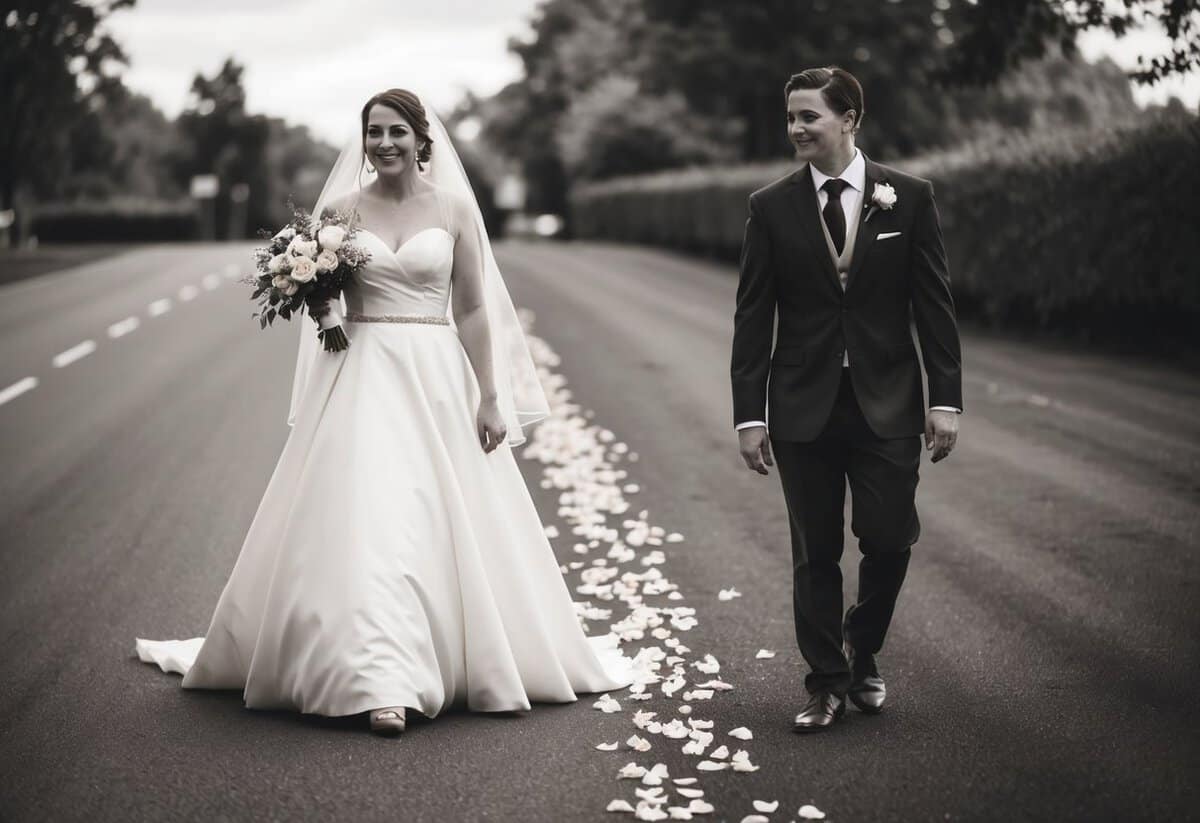
You may wonder why this tradition has persisted over the years. Many cultures have embraced this practice, making it a common sight at weddings around the world.
By walking on the left, the bride not only symbolizes her importance to the groom but also follows a path laid down by ancient customs.
As you explore the reasons behind this tradition, you’ll find that it connects to ideas of love, protection, and commitment. Each wedding holds its unique story, and understanding where these practices come from can deepen your appreciation for the special occasion.
Origins of the Tradition
The tradition of the bride standing on the left side during a wedding has deep historical roots. It connects to early customs related to marriage by capture and the influence of various religions. Understanding these origins can give you a greater appreciation for this practice.
Marriage by Capture and Historical Context
In ancient times, marriages were often seen as transactions or alliances. One prevalent practice was known as marriage by capture. In this context, the groom would “capture” his bride from her family.
Standing on the left allowed the groom to keep his sword hand free in case of an unexpected rescue attempt. This left-side position was a protective gesture. It helped keep the bride safe during this uncertain time.
As societies evolved, this practice shifted from physical capture to romantic unions. Yet, the left-side tradition endured, symbolizing protection and commitment.
Influence of Religion on Wedding Ceremonies
Religious beliefs have also shaped wedding traditions. In many Jewish weddings, the bride often stands on the left side of the chuppah, or wedding canopy. This positioning can symbolize unity and the importance of the bride in the ceremony.
Christian weddings also adopted the left-side tradition. In traditional Christian ceremonies, this practice aligns with biblical teachings about marriage. The groom takes a position of guardianship, reflecting his role in the union.
Both religions emphasize the emotional and spiritual aspects of marriage. They highlight the importance of partnership and support between the couple, reinforcing why the bride traditionally stands on the left.
Meaning and Symbolism
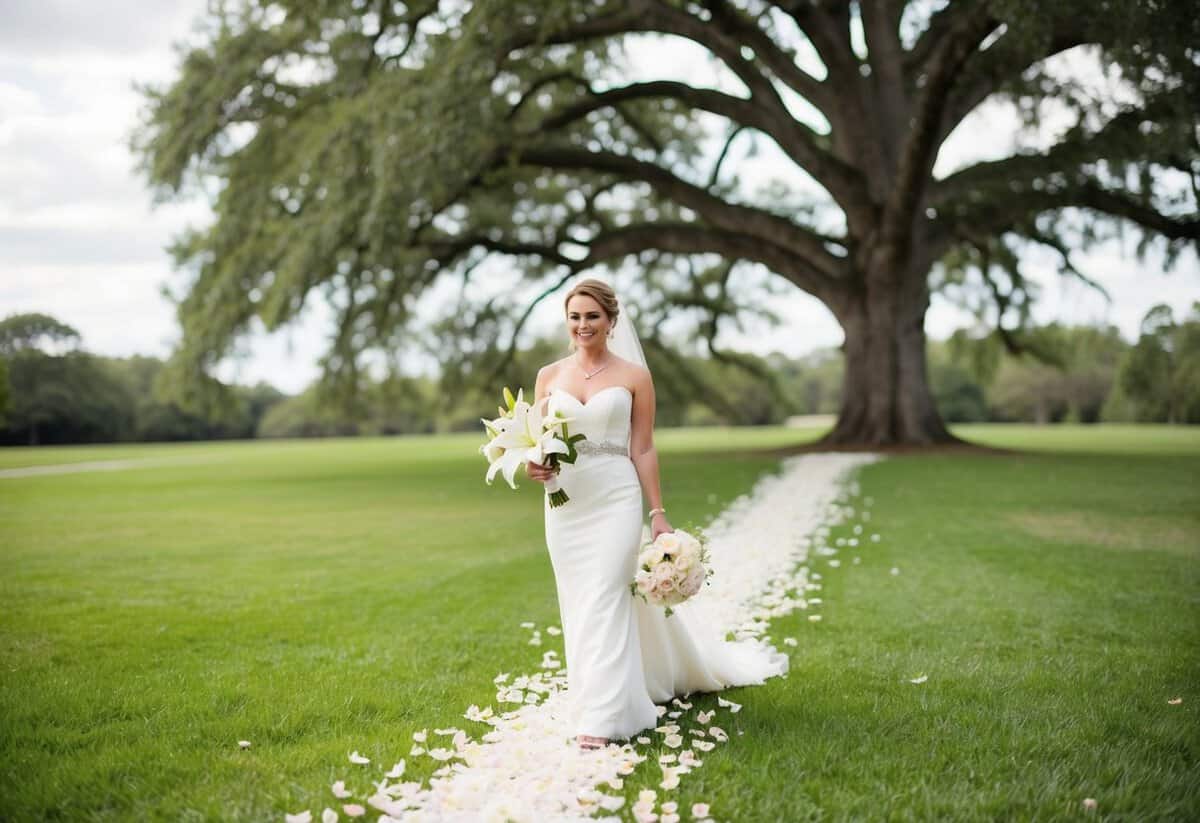
The bride walking on the left side during the wedding ceremony carries rich meaning and symbolism. This tradition reflects the ideas of honor, protection, and the significance of the altar’s placement. Understanding these elements can enhance your appreciation for this time-honored custom.
Position of Honor and Protection
In many cultures, the bride standing on the left side of the altar symbolizes her position of honor. This practice involves the groom standing on the right, traditionally seen as the protector.
This arrangement allowed the groom to have his sword arm free, ensuring he could protect his bride if necessary. It reflects the values of chivalry and dedication.
By standing on the left, you also embrace a deeper connection to family and tradition. This spot has been reserved for brides for centuries, highlighting its importance in wedding customs.
Altar Placement and Its Significance
The placement of the bride and groom at the altar holds great importance during the ceremony. With the bride on the left and the groom on the right, each has a distinct role.
This setup enhances the visual impact of the ceremony. Guests can easily identify the couple and the significance of their union.
In many Western cultures, this arrangement is widely accepted. It serves as a reminder of the commitment each partner makes to protect and honor the other.
The left side remains a symbol of emotional connection and love, while the right side is often linked to strength and stability. This balance creates a meaningful atmosphere for the wedding day.
Cultural Variations and Practices
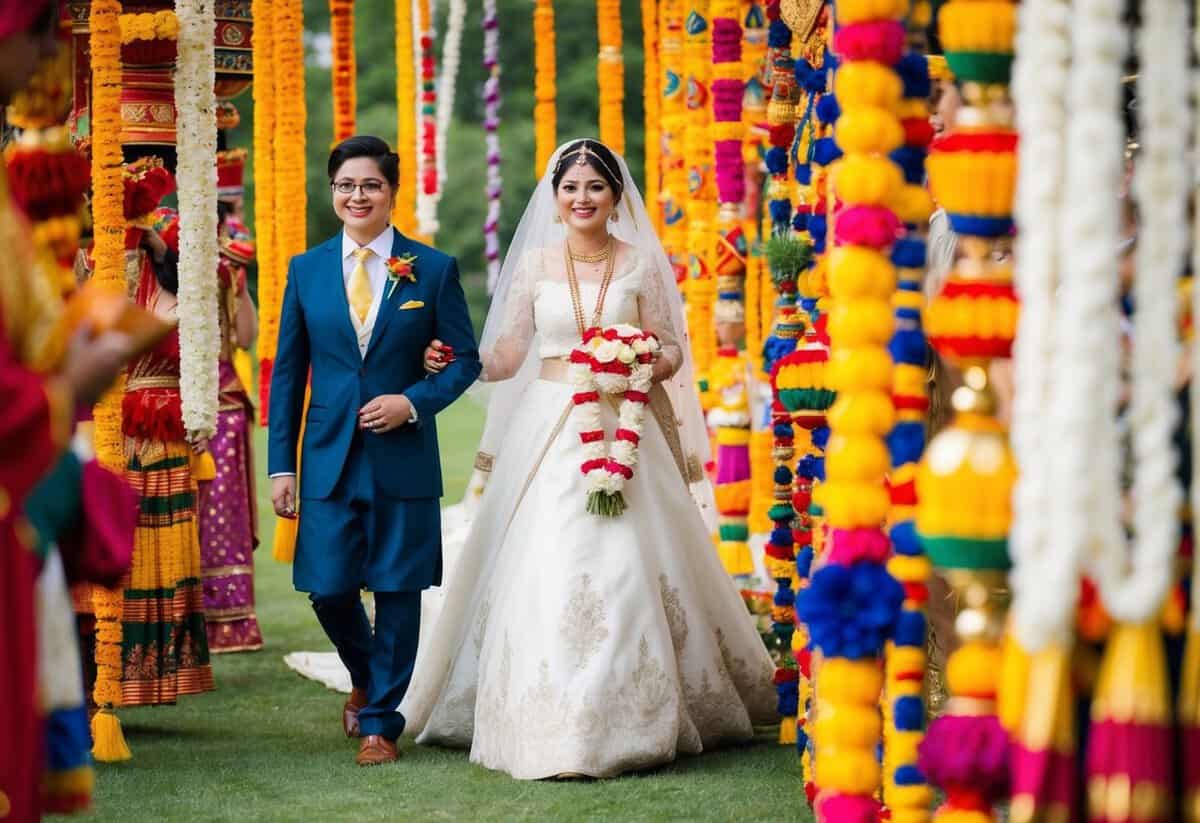
Different cultures and traditions influence where the bride stands or walks during wedding ceremonies. Understanding these variations can enhance your appreciation of the customs involved.
Differences in Jewish Wedding Traditions
In Jewish weddings, the bride traditionally walks on her father’s right side. During the ceremony, she stands under the chuppah, which is a canopy representing the home the couple will build together. The groom stands on her left. This arrangement symbolizes the groom’s commitment to protect his bride. The processional order reflects deep cultural meanings and enhances the beauty of the ceremony.
During the Seven Blessings, or Sheva Brachot, guests often express joy and blessings for the couple. This aspect emphasizes community support, making it a significant part of Jewish wedding practice.
Hindu Wedding Processional Orders
In Hindu weddings, the processional order varies by region, but the bride typically walks to the right of her father. The groom often follows behind.
A key element includes the Milni ceremony, where families greet each other and demonstrate unity.
Another important aspect is the Saptapadi, where the couple takes seven steps together. Each step signifies a marital vow, such as love, respect, and companionship. This sacred ritual emphasizes the couple’s shared journey.
Military and Police Wedding Customs
Military and police weddings have unique customs, particularly concerning the processional order. The bride may walk on the left side of her father, giving way to soldiers or officers who are often honored guests.
In many cases, honor guards or color guards are part of the ceremony, adding a layer of dignity and respect. The couple may also partake in a sabering or arch tradition, where swords form an arch as they exit. This adds a memorable touch to the celebration, blending tradition with personal significance.
Modern Interpretations and Personal Choice
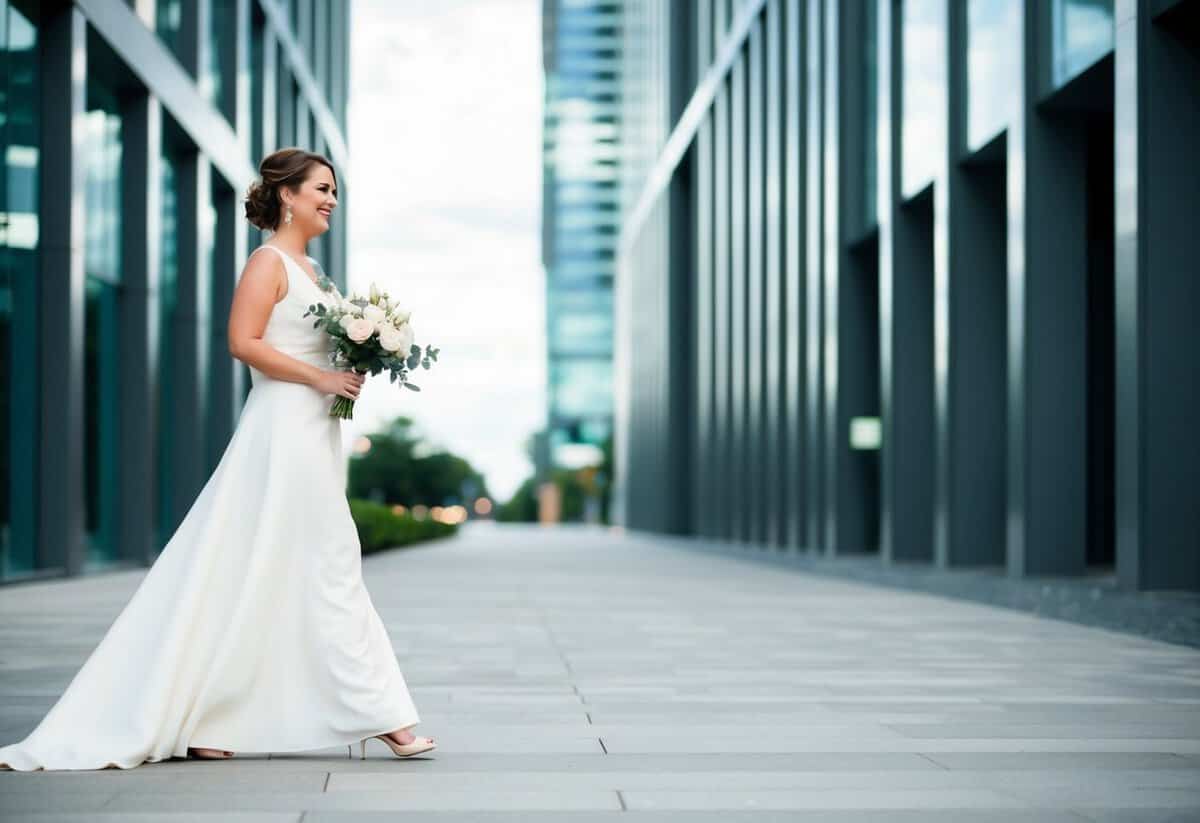
Traditions around weddings can vary a lot. Many couples still follow the idea that the bride stands on the left side of the groom during the ceremony. This custom comes from old beliefs but can be changed based on what you want.
You might choose to switch things up for your special day. If you prefer, the bride can walk down the aisle on the right. This new choice emphasizes your personal values and reflects your unique relationship.
Some couples decide their positions based on comfort or meaning. If one of you feels more at ease on a specific side, go for it!
It’s all about what feels right for you.
During the wedding ceremony, joining hands is a common symbol of unity. Whether the bride is on the left or the right, that connection remains strong.
Personal preference truly shines in many wedding choices. So, don’t feel pressured by tradition. Celebrate your love in a way that feels genuine to you both! Your wedding day is about honoring your journey together.