
Why Does the Bride Walk on the Left? Exploring Wedding Traditions and Symbolism
When planning a wedding, you might wonder about the little details, like why the bride walks on the left side. In traditional ceremonies, the bride stands on the left during the ceremony because it symbolizes her place of honor. This longstanding custom dates back to ancient times, where it was believed that the groom needed to keep his sword hand free to protect his bride from any threats while walking down the aisle.
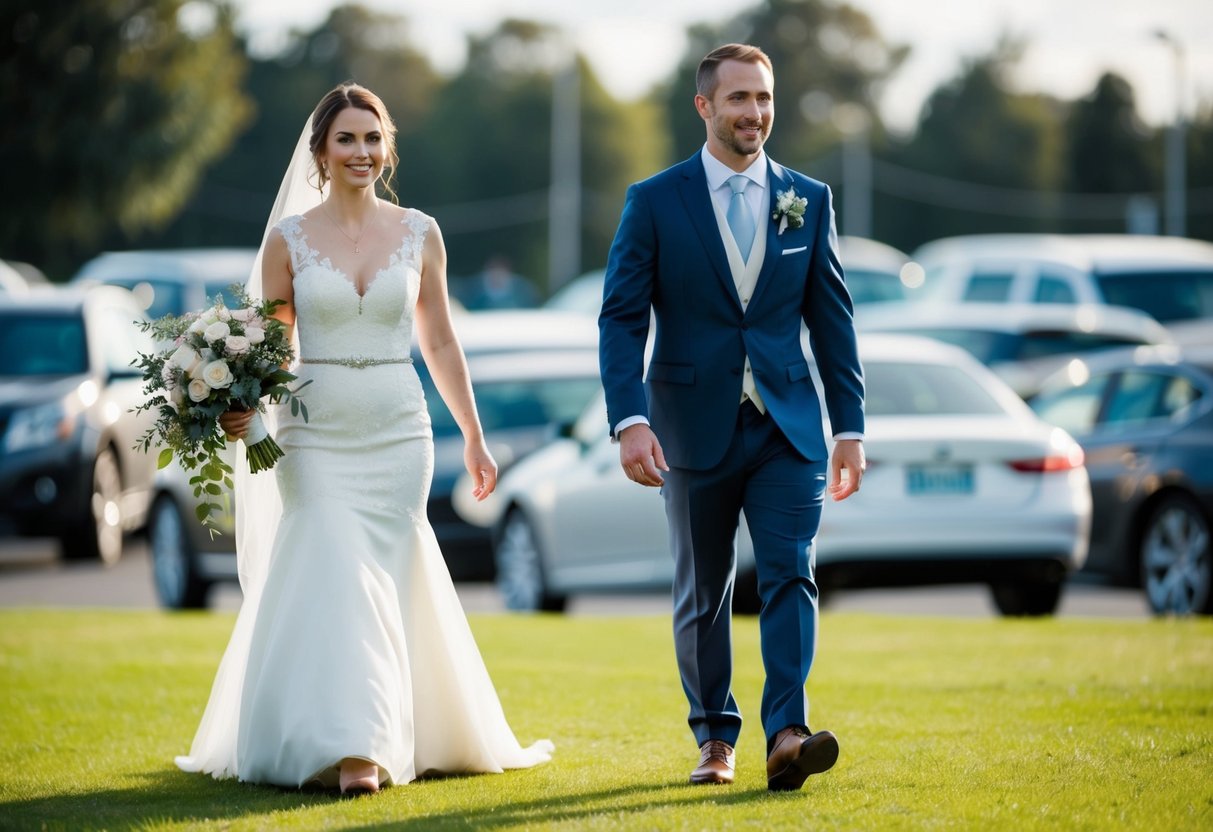
As you prepare for your special day, understanding this tradition can add meaning to your ceremony. Not only does it reflect historical wedding customs, but it also highlights the importance of the bond between you and your partner. Walking down the aisle is a memorable moment, and knowing the reasons behind these traditions can make it even more special.
Your wedding is a personal journey, and embracing these traditions can enhance your experience. From the roles of the bride and groom to the symbolism of standing positions, every detail helps tell your love story. So as you walk down the aisle, you’ll carry a piece of this beautiful history with you.
Origins of the Tradition
The tradition of the bride standing on the left side has historical roots that connect to ancient practices and religious customs. Understanding these origins can give you valuable insight into wedding traditions today.
Marriage by Capture and Historical Context
In ancient times, marriages were often viewed as a form of capture. Grooms would stand on the right side to keep their dominant sword-fighting hand free, ready to defend their bride from anyone who might try to take her away. This practice emphasized the importance of protection in a marriage, showing that the groom was willing to fight for his partner.
During the Middle Ages, this “marriage by capture” notion became more symbolic. Couples would have to prove their commitment in front of witnesses, solidifying their union. The bride standing on the left allowed her to be more easily reached by the groom, reinforcing the idea of togetherness in a time when alliances through marriage were crucial for safety and status.
Religious Influences on Wedding Practices
Religious traditions have also played a significant role in shaping why the bride walks on the left. In many Jewish weddings, for example, the couple stands under a chuppah, with the bride often positioned to the left of the groom. This arrangement symbolizes unity and partnership, reflecting deep cultural values.
Traditional Christian weddings also support this custom. The bride’s placement on the left has been maintained across generations, giving her a place of honor alongside her partner. This positioning reinforces the significance of the marital bond as they face the officiant together, starting their new life side by side.
Ceremonial Roles and Placement
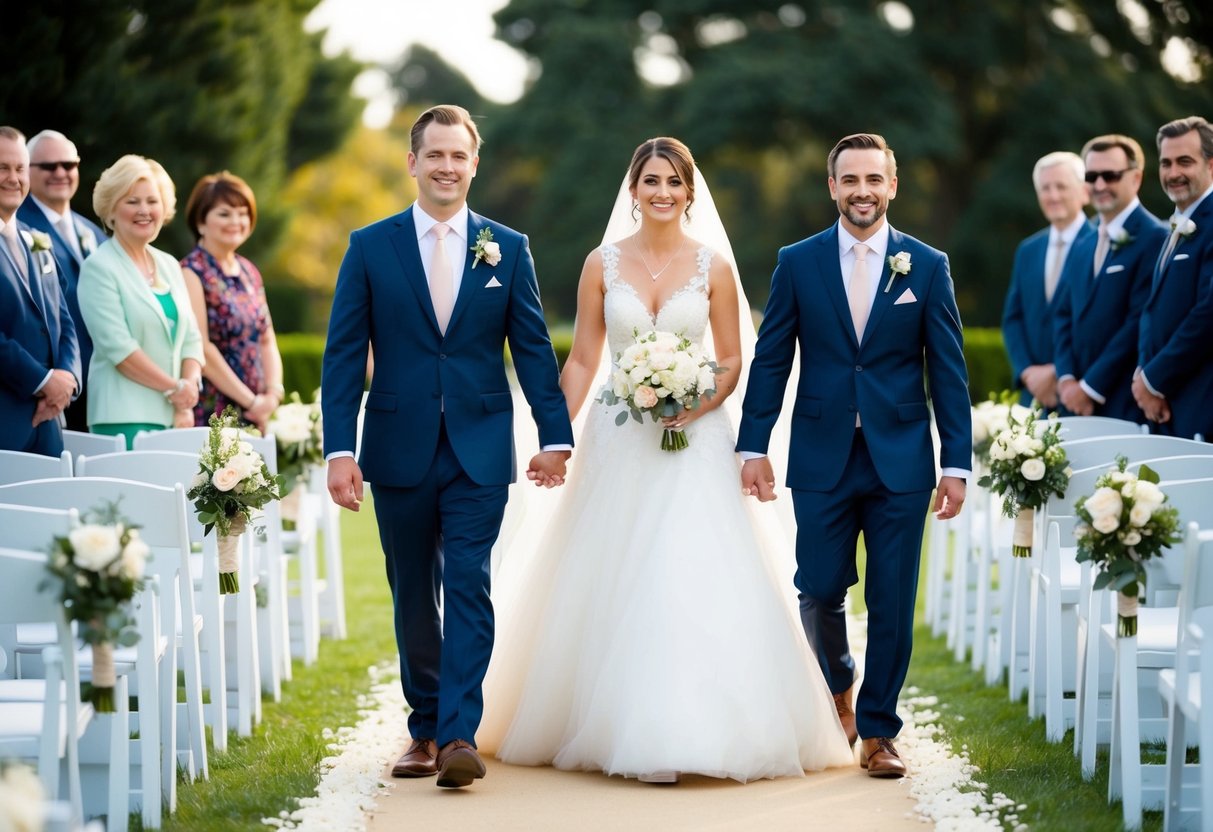
When it comes to weddings, the placement of the bride and groom at the altar and their roles during the processional are key elements. Understanding these traditions can add meaning to your ceremony.
The Significance of the Altar Position
In Western wedding traditions, the bride stands on the left side of the altar. This position is significant for several reasons. It is traditionally believed that this placement allows the groom to keep his right hand free. This way, he can draw his sword to protect his bride if needed, showcasing the ancient concept of chivalry.
Additionally, the location usually symbolizes the bride’s honor. The groom stands on the right side, which aligns with the location of his heart, emphasizing his love and commitment. These roles create a balanced and meaningful structure to the ceremony, highlighting the emotional connection between the couple.
Roles of the Wedding Party in the Processional
During the wedding processional, the roles of the wedding party are clearly defined. The groom often enters first, followed by the officiant. Next, the bridesmaids walk down the aisle, usually in pairs. They are often followed by the maid of honor, who leads the bride to the altar.
The best man stands next to the groom, ready to support him. In this setup, the groomsmen typically line up on the groom’s side. This order showcases the unity of both families and friends, creating a supportive environment for the couple. Each person’s role in this order adds to the overall flow of the ceremony, making it memorable for everyone involved.
Cultural Variations in Wedding Ceremonies
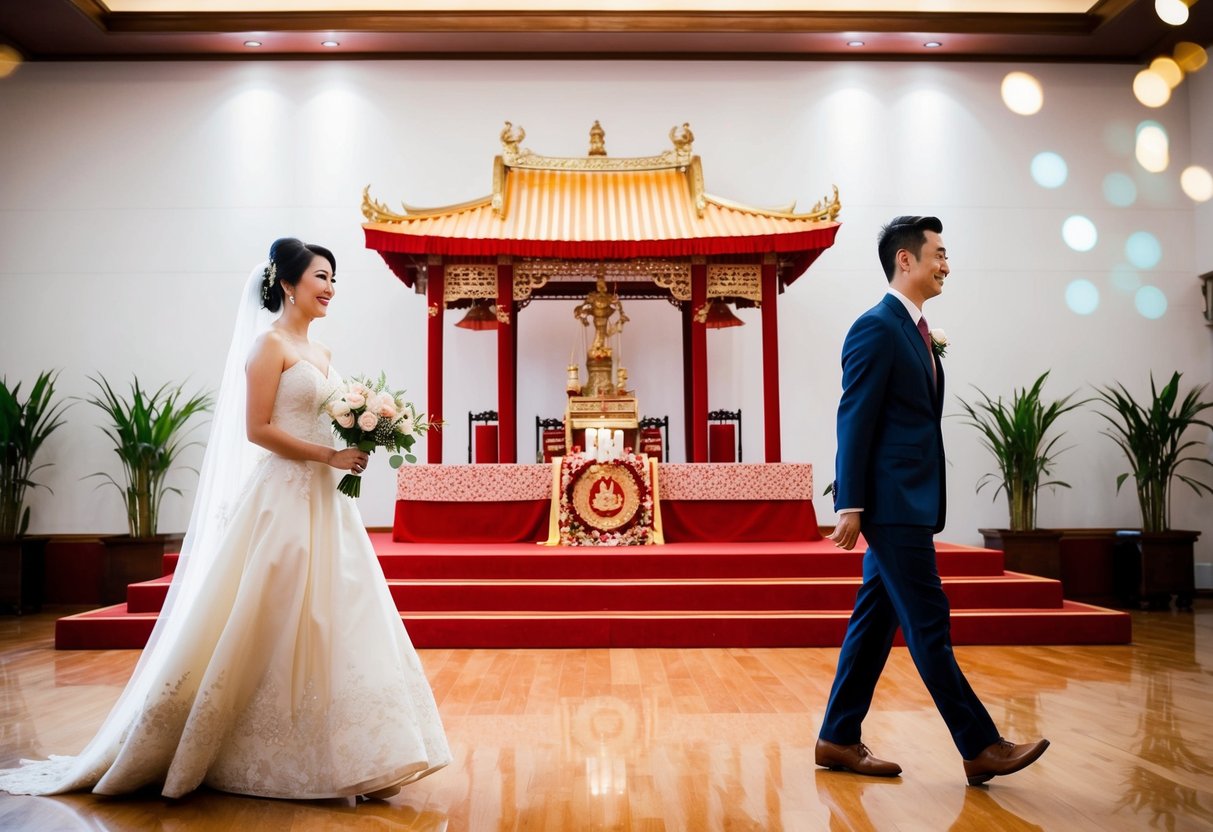
Weddings differ across cultures, and these variations shape how couples celebrate their love. Each culture brings unique customs that influence the roles of the bride and groom during the ceremony. Here are some key traditions from Jewish, Christian, and Hindu weddings.
Jewish Wedding Traditions
In a Jewish wedding, the bride traditionally stands under a chuppah, symbolizing the home she and her groom will build together. The bride walks down the aisle on her father’s right side, representing his protective role. After the ceremony, the couple often breaks a glass, signifying joy and the fragility of relationships. This intimate act connects them to their heritage and reminds them of life’s complexities. Additionally, the groom may recite the Sheva Brachot, or Seven Blessings, which celebrate the couple and their union. Overall, these traditions create a rich tapestry of meaning for those involved.
Christian Wedding Practices
In Christian weddings, the bride typically walks down the aisle on the left side of the groom during the ceremony. This practice stems from historical customs, where the groom stood ready to protect his bride. The couple often exchanges vows in front of family and friends, emphasizing their commitment. Many Christian denominations also include the lighting of a unity candle, symbolizing the joining of two lives into one. Flowers, music, and readings from the Bible are important elements that personalize each wedding. These practices reflect deep religious and cultural beliefs regarding love and partnership.
Hindu Wedding Rituals
Hindu weddings are vibrant events filled with rituals that can last several days. The bride often arrives at the ceremony accompanied by her family, representing her support network. During the saat phere, or seven circles around a sacred fire, the couple commits to each other in various aspects of life. Standing together during this ritual shows their unity and shared goals. Other customs, like the bidaai, involve the bride leaving her family to start her new life. Family and community play significant roles, underscoring the importance of relationships throughout the process. These rich traditions highlight the bond between not just the couple, but their families as well.
Contemporary Interpretations and Personal Choices
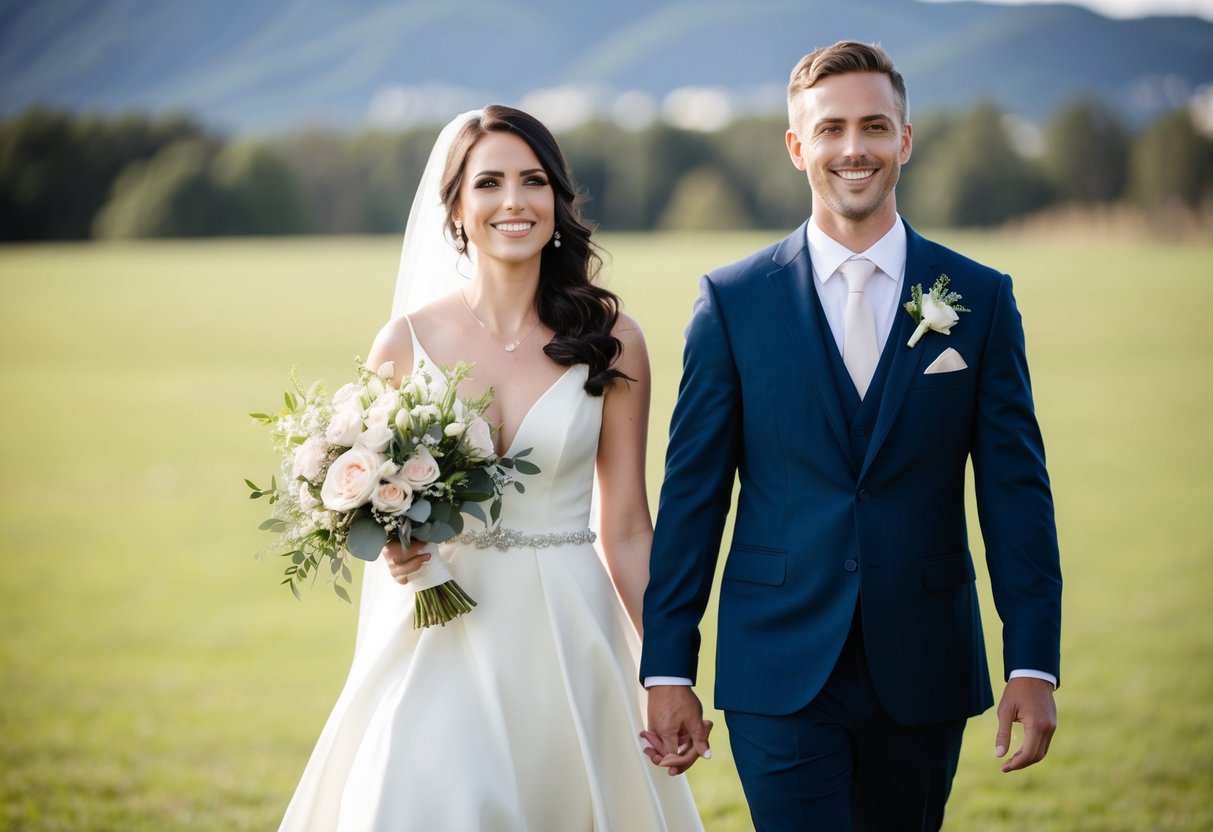
The positioning of the bride on the left side has shifted in modern times to reflect personal beliefs and family dynamics. Many couples now make choices based on their values, traditions, or even practical reasons specific to their circumstances.
Modern Relevance and Position of Honor
Traditionally, the bride walked on the left to symbolize her position of honor next to the groom. This arrangement allowed the groom to use his right hand to defend her if necessary. Today, this practice can hold different meanings. Many brides choose to walk on the left not only for historical reasons but also to maintain their connection with family members like the mother of the bride. It emphasizes the importance of family support during this significant moment.
Adaptations in Military and Police Weddings
In military and police weddings, the positioning may differ. It is common for the bride to stand on the left, while the groom is on the right if they are in uniform. This helps maintain uniformity and highlights the way these organizations honor tradition. In these weddings, the couple often chooses their positions based on the protocol of their affiliation, blending personal choices with organizational customs.
Influence of Personal Preferences
Personal preference plays a major role in where the bride stands during the ceremony. Some people may feel more comfortable on the left side. They choose positions based on factors like the seating arrangement and family dynamics. Others might opt for a different arrangement to reflect their unique love story.
Couples should discuss these details together to make the wedding ceremony personal and meaningful to them. This creates a moment that feels right for both individuals.