
Why Does the Bride’s Family Pay for the Wedding? Understanding Tradition and Modern Perspectives
When planning a wedding, you may wonder about the tradition of the bride’s family covering most of the expenses. Historically, the bride’s family pays for the wedding to symbolize support and financial responsibility, though these norms are evolving. As society changes, so does the approach to weddings, shifting towards shared financial obligations among all parties involved.
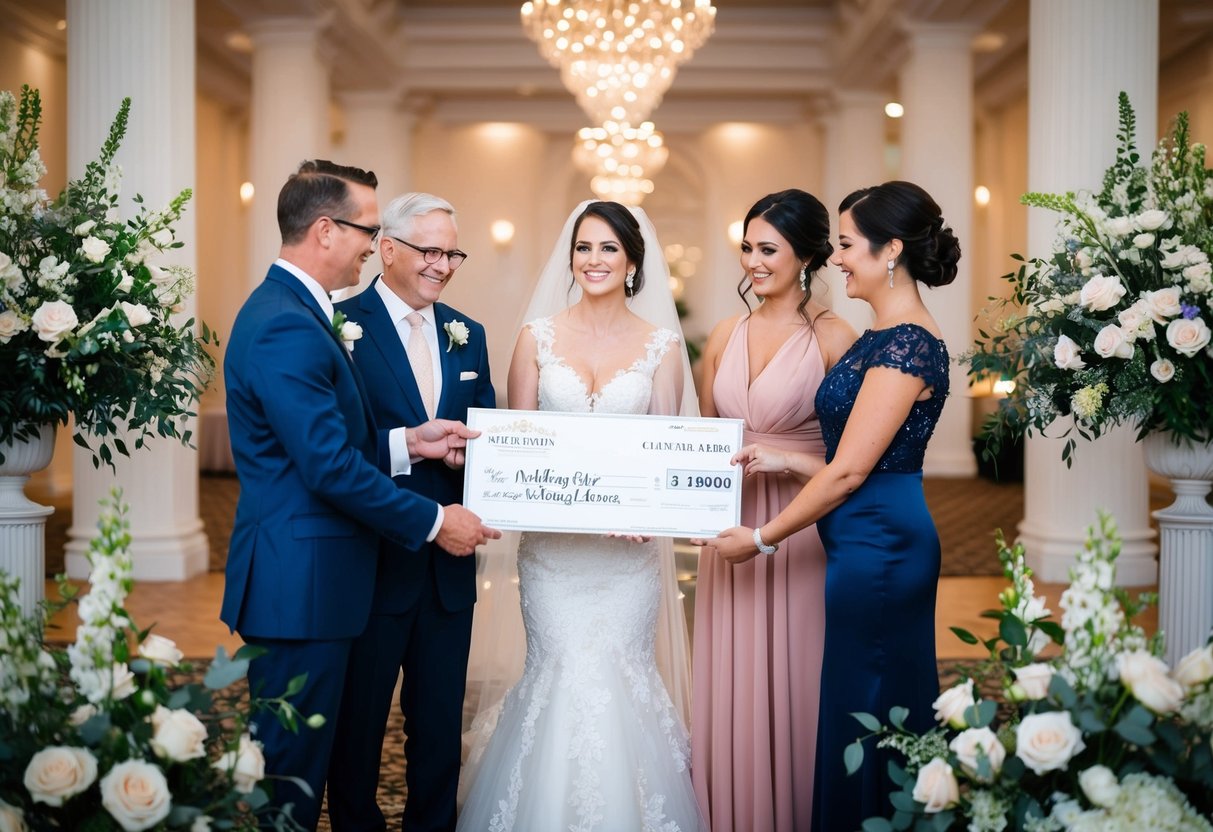
You might find it interesting that while many couples today are embracing financial independence, the tradition still holds weight. Modern weddings often reflect a blend of past customs and current realities, allowing for more flexibility in who pays for what. Understanding this tradition helps you appreciate the significance behind it while navigating your own celebrations.
As you plan your wedding, recognizing these societal norms can guide your decisions. You can honor tradition while creating a wedding that truly reflects your values and partnership. This balance allows for a meaningful celebration that represents both heritage and modernity.
Historical Context and Tradition
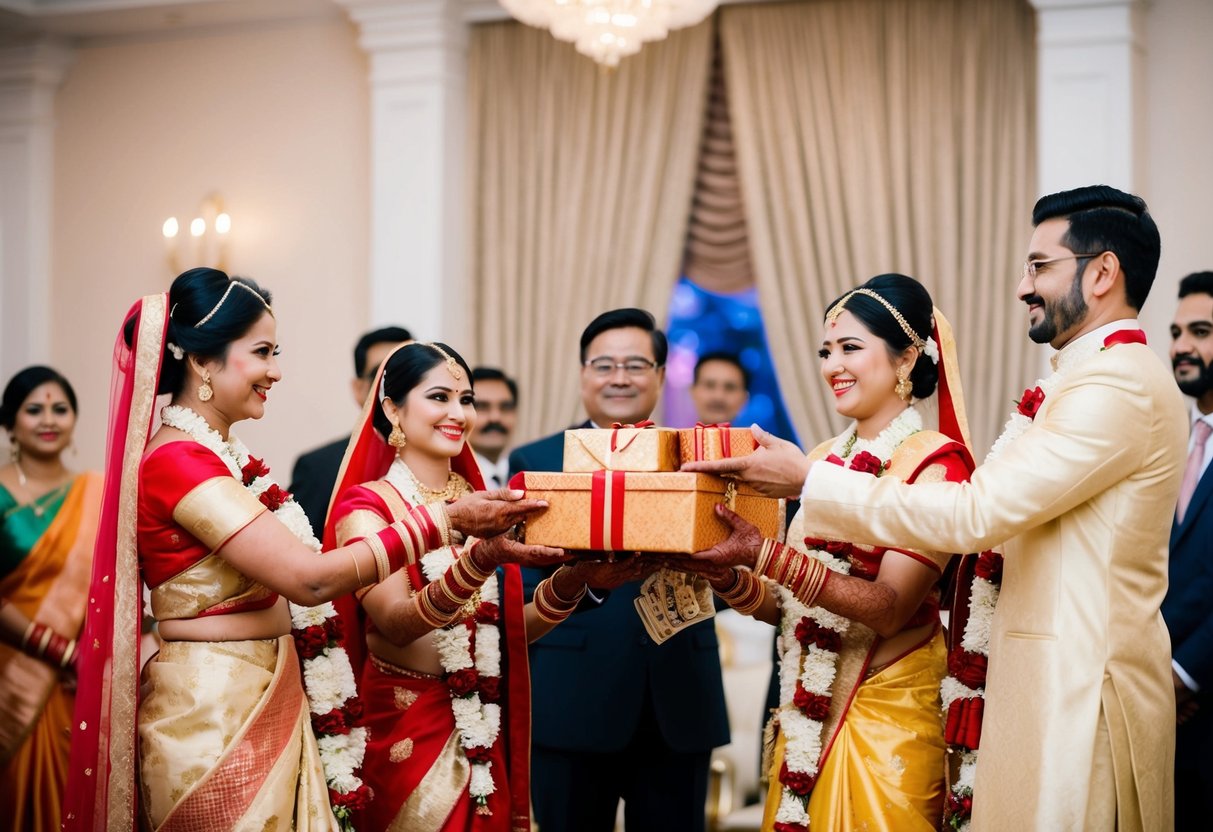
Wedding expenses have a rich history rooted in cultural practices and social norms. Understanding the tradition of the bride’s family paying can help you appreciate its historical significance and evolution over time.
Origins of Wedding Financial Etiquette
The practice of the bride’s family covering wedding expenses dates back to various ancient cultures. Traditionally, weddings were significant social events that signified alliances between families. By paying for the wedding, the bride’s family showcased their commitment to the marriage and their social status.
In many societies, customs dictated that families play specific roles in wedding preparations. This financial etiquette was not just about money; it was a way to demonstrate support and pride in the couple’s union, reflecting the family’s values and social prestige.
Dowries and Their Evolution
A dowry involves gifts or money given by the bride’s family to the groom’s family. Historically, dowries helped to secure a favorable marriage and increase the social standing of the family.
This tradition can be traced back to many cultures and served practical purposes. It provided financial security for the bride in her new home. Over time, the concept of dowries has changed. In some regions, dowries have decreased or transformed into more equitable arrangements.
Today, many couples focus on shared wedding expenses, moving away from traditional dowry practices. However, the legacy of dowries still impacts how some families approach wedding costs, balancing tradition with modern values.
Cultural Significance of Marriage Expenses
Marriage expenses carry deep cultural significance. They often reflect societal values and expectations about roles within families. In many cultures, the bride’s family covering wedding costs symbolizes hospitality and generosity, reinforcing social bonds.
These wedding customs vary widely by culture. For instance, in some places, the groom’s family pays. In others, costs are shared more equally. Understanding these differences can enhance your appreciation for diverse wedding traditions and the beliefs that shape them.
Recognizing how these customs evolved helps you see the unique blend of history, finances, and cultural values that shape weddings today.
Breaking Down Wedding Expenses
Weddings can be costly events, with various expenses to consider. You need to understand where your money goes, who traditionally pays for what, and how to manage the financial load.
Key Costs Associated with Weddings
When planning a wedding, it’s crucial to know the major expenses involved. Key costs include:
- Venue: This often takes up the largest portion of your budget. Renting a space for the ceremony and reception can be expensive.
- Catering: Food and drinks are another significant cost. You’ll need to decide between a sit-down meal or a buffet.
- Photography and Videography: Capturing your special day is essential, so hiring professionals is often worth the investment.
- Flowers: The beauty of your wedding can be enhanced with flowers. They can be used in bouquets, decorations, and centerpieces.
- Wedding Cake: This is not just a treat but also a centerpiece for your reception. Choosing the right cake can be a delightful but pricey task.
Roles of the Bride and Groom’s Families
Traditionally, the bride’s family pays for most of the wedding expenses. This includes the venue, catering, and flowers. This practice dates back to historical customs, where the bride’s family provided a dowry.
The groom’s family often covers the costs of the rehearsal dinner and the bride’s ring. They may also contribute to the honeymoon costs if they choose to do so. However, many couples today opt for a more balanced sharing of expenses to lessen financial burdens.
Financial Burden and Sharing Responsibilities
Weddings can create a significant financial burden. Understanding the costs helps in sharing responsibilities. Creating a clear wedding budget is essential.
Consider having open conversations with both families about who will cover which expenses. This ensures that your wedding planning is smooth and that everyone knows their roles.
You might also explore creative ways to save money. This could include DIY projects for decorations or choosing an off-peak wedding date for lower venue rates.
Doing this can relieve some stress while still making your day special. Remember, it’s all about celebrating your love in a manner that feels right for you and your families.
Modern Practices and Perspectives
Today’s weddings reflect a mix of tradition and change. People are rethinking who pays for the wedding and how they celebrate this significant event. Factors like financial independence and family dynamics play a big role in shaping modern wedding practices.
Shifts in Financial Responsibilities
In recent years, financial responsibilities for weddings have changed. Many couples prefer to share costs instead of sticking to traditional norms.
Both partners or even their families might contribute, leading to a more balanced approach. This shift reflects a desire for financial independence and equality in relationships.
You might notice that some couples even create crowdfunding campaigns to help with expenses. This new trend allows friends and family to participate in the celebration.
Such changes influence expectations around wedding etiquette. Couples now have the freedom to design their financial plans without the constraints of tradition.
The Role of Elopements and Intimate Ceremonies
Elopements and intimate ceremonies are gaining popularity. Many couples are choosing to skip the big wedding and focus on personal connections instead. This shift stems from a desire for a more relaxed, meaningful experience.
These smaller events often bring fewer financial pressures. You can still celebrate love without the stress of a large guest list. In many cases, couples who elope may spend more on their honeymoons instead of extravagant receptions.
By prioritizing intimacy over tradition, you and your partner can design a unique celebration that truly reflects your values and desires.
Personalizing Weddings in Today’s World
Today’s weddings encourage personalization like never before. You no longer need to follow strict traditional wedding etiquette. Instead, you can create a day that aligns with your style.
This might mean choosing your favorite flowers, music, and even venues that feel special to you. Personal touches, like themed décor or customized vows, make a wedding truly yours.
As families blend and dynamics shift, the focus has moved from rigid customs to building memorable experiences. You can craft a celebration that resonates with your stories, ensuring your big day is unforgettable and uniquely yours.
Planning the Big Day
Planning your wedding involves many exciting steps, from selecting your engagement ring to organizing your honeymoon. Each part of the process is important and requires attention to detail to make your big day special.
Engagement to Honeymoon: A Comprehensive Look
Start your planning right after your engagement party. Celebrate with family and friends, and ensure you have your engagement ring. This sets a joyful tone for upcoming events.
Don’t forget the marriage license, a crucial step before the wedding. You’ll need to choose your officiant, who will lead your ceremony.
After the wedding, your honeymoon awaits. Plan a getaway that suits both of you, whether it’s a beach, mountains, or an adventure. Your first trip as a married couple should reflect your shared interests and create lasting memories.
Choosing Service Providers and Vendors
Selecting the right service providers can make or break your wedding experience. Start with the wedding planner if you desire expert help in coordinating everything. They can help you choose the best venues and services.
You’ll need to hire vendors for catering, photography, and hair and makeup. A good wedding photographer can capture all the special moments, so choose carefully.
Consider the alcohol at the reception and explore options that fit your budget and theme. Also, don’t forget to purchase groomsmen gifts and wedding party gifts as a thank-you for their support.
Finalizing the Details with a Wedding Planner
Work closely with your wedding planner to finalize all details. This includes sending out invitations and managing RSVPs to know your guest count.
Select attire well in advance. This includes the wedding dress for you and the groom’s wedding band for him. Don’t overlook your bride’s attire and accessories to feel your best.
Discuss wedding day transportation to ensure smooth travel for everyone. Confirm plans for the wedding ceremony and reception venues, and don’t forget about the bridal shower.
Every little detail contributes to the day’s success.