
Why Does the Bride’s Family Sit on the Left? Exploring Wedding Traditions and Symbolism
At weddings, every detail matters, especially when it comes to seating arrangements. You might have noticed that the bride’s family traditionally sits on the left side of the aisle. This seating choice creates a clear visual divide between the two families, symbolizing unity and tradition in the wedding ceremony. Understanding this custom sheds light on the deeper meanings behind various wedding traditions.
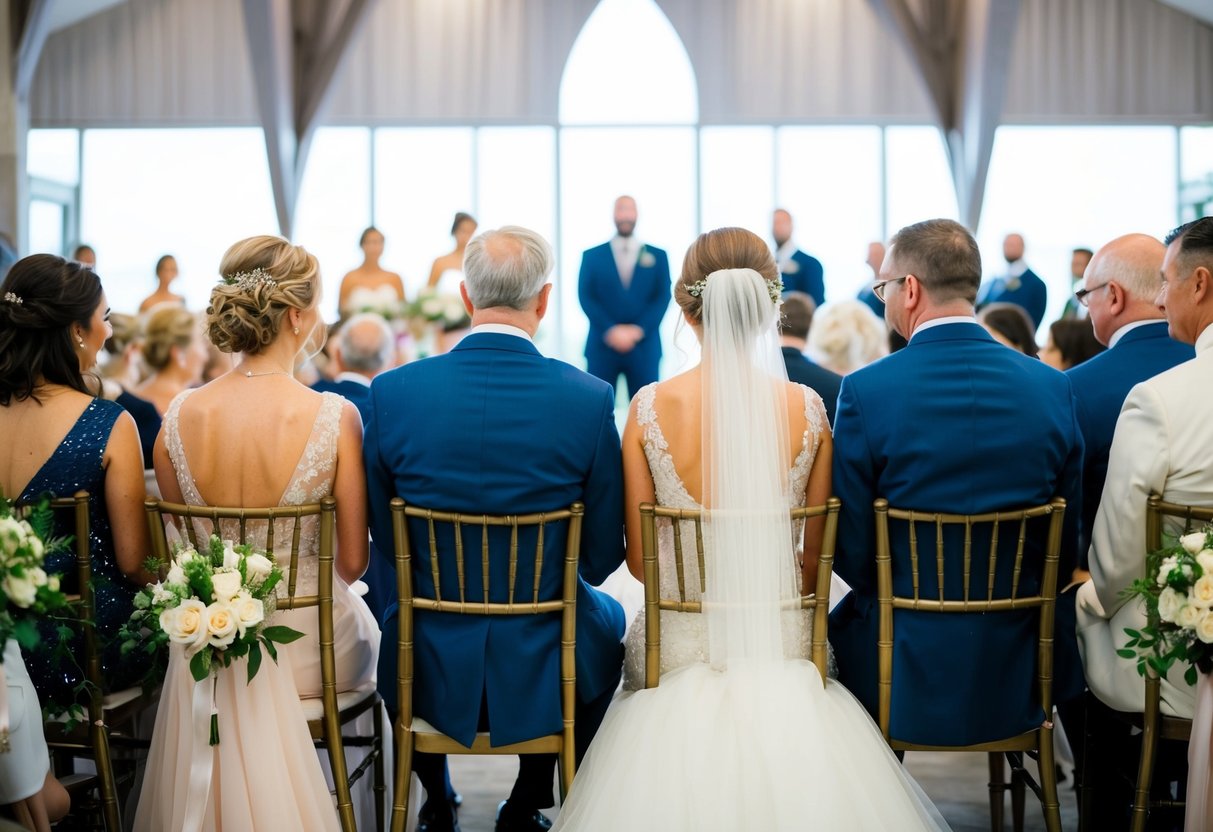
Many believe this arrangement has roots in older customs, where men sat on one side and women on the other. This has led to the bride’s family being placed on the left, while the groom’s family occupies the right. It’s a practice that not only honors tradition but also brings balance to the ceremony, making it feel harmonious and complete.
If you’ve ever wondered why things are done a certain way at weddings, exploring the reasons behind the seating arrangement offers fascinating insights. As you learn more about these traditions, you’ll gain a greater appreciation for the rituals that shape one of life’s most important events.
Historical Origins of Seating Arrangements
The seating arrangement at weddings has deep-rooted historical significance. The tradition of the bride’s family sitting on the left comes from various practices over the centuries, influenced by marriage customs and religious ceremonies.
Marriage by Capture and Its Influence
In ancient times, marriages were often conducted through a process called “marriage by capture.” This was where the groom would take the bride from her family, symbolizing ownership. To represent this, the bride’s family, particularly her parents, would be placed on the left side of the altar.
This placement created a visual boundary between the bride and the groom’s family. It also served to highlight the distinct roles of both families during the ceremony. Even though societies have evolved, hints of this ancient practice still influence modern seating arrangements today.
Traditional Christian Weddings’ Impact
In traditional Christian weddings, seating arrangements became more formalized. The bride’s family typically occupied the left side of the church, while the groom’s family sat on the right. This arrangement provides a clear distinction between the two sides, reflecting the joining of two families.
By placing the bride’s family on the left, it highlights the importance of her lineage. This practice has been passed down through generations, making it a common sight in Christian ceremonies. The left side remains a place of honor for the bride’s family.
Jewish Traditions and Alterations
In Jewish weddings, seating arrangements have specific meanings as well. While traditional customs may vary, it is common for the bride’s family to sit on the left side of the chuppah. This symbolizes the importance of the bride and her family in the marriage.
Different Jewish communities may employ variations of this tradition. However, the left side consistently honors the bride’s family. The significance remains rooted in the values of unity and respect between the families joining through marriage.
Cultural Variations and Modern Adaptations
Weddings can differ greatly across cultures and traditions. You will see various practices in seating arrangements influenced by beliefs and personal choices. Understanding these differences can help you appreciate the unique meanings each culture brings to the celebration.
Contrasts in Hindu and Christian Ceremonies
In Hindu weddings, seating arrangements do not follow the same left-right tradition seen in Christian ceremonies. Here, both families may sit together, often in a circle, symbolizing unity and shared blessings. The focus is on the couple, with family members supporting and celebrating their union.
During Christian weddings, tradition usually has the bride’s family on the left, creating a visual distinction between the two sides. This separation emphasizes customs and roles.
Inclusion of Same-Sex Couples Practices
As society evolves, weddings for same-sex couples are embracing flexibility in seating. You may find that some couples choose a mixed seating arrangement to reflect their unique family dynamics.
Others might opt for a non-traditional layout, eliminating the left-right concept altogether. This creates an environment where all guests feel included and respected. Celebrating love can take many forms, and each couple decides what works best for them.
Personal Preference and Contemporary Choices
In modern weddings, personal preference plays a significant role in seating arrangements. For some, traditional roles still hold importance, while others may prioritize a more relaxed approach, like an outdoor wedding setup.
Many couples now prefer a sweetheart table, which allows them to focus on each other during the event. This shift reflects contemporary desires for connection and unity rather than strict adherence to tradition. Your wedding can be a personal expression, where you decide what traditions to keep or adapt.
Ceremony Details Influencing Seating
Understanding the details of the wedding ceremony can help explain the traditional seating arrangement. Factors like wedding rings, the role of the officiant, and the processional and recessional traditions all play a part in this custom.
Wedding Rings and Vena Amoris
Wedding rings hold a special significance during the ceremony. Traditionally, the ring is placed on the bride’s left hand. This is because it is believed that the left hand connects to the heart through the vena amoris, or “vein of love.”
This connection symbolizes love and commitment, reinforcing the importance of the bride’s family seated on the left. The placement of the ring highlights the bond formed during the ceremony, making the left side an ideal spot for the bride’s loved ones.
Role of the Wedding Officiant
The wedding officiant has a vital role in guiding the ceremony. Positioned at the front, they help facilitate the vows and exchange of rings.
As they direct the couple through their vows, the officiant’s placement also influences seating. Guests on the left are focused on the bride, while those on the right watch the groom. This balance creates a sense of unity and emphasizes the indelible connection created at that moment.
Processional and Recessional Traditions
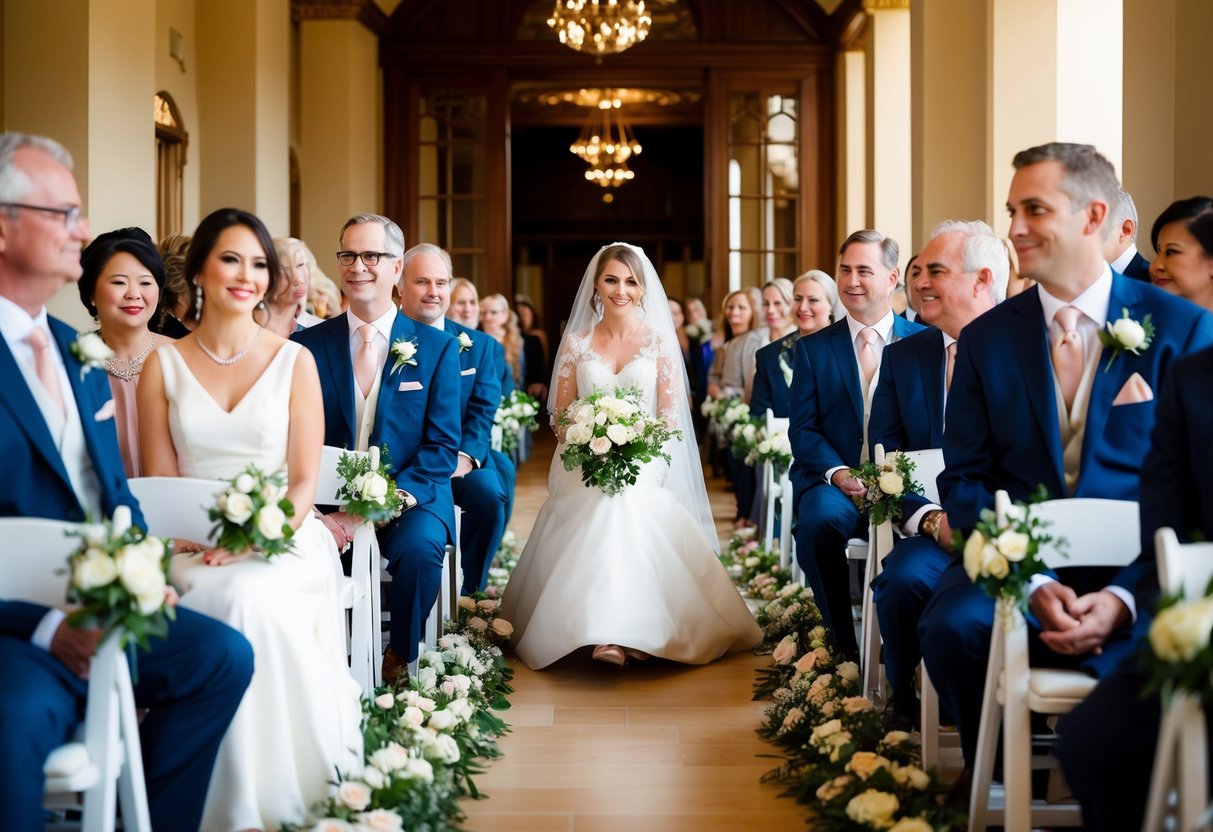
The processional and recessional are key parts of wedding ceremonies. During the processional, the bride typically walks down the aisle from the left side. This movement mirrors the seating arrangement, with the bride’s family on the left and the groom’s on the right.
After the vows, the recessional reflects this order, as the new couple exits side by side, reinforcing the traditional setup. This symmetry provides harmony to the ceremony, leaving lasting memories for everyone present.