
Why Does the Bride’s Name Go First on Wedding Invitations? Exploring Tradition and Etiquette
When planning your wedding, you may wonder about the traditional rules of wedding invitations. Typically, the bride’s name is listed first on wedding invitations because of long-standing etiquette that recognizes her family as the hosts of the event. This custom reflects the social norms surrounding weddings and helps set the tone for your special day.
Understanding this tradition can give you insight into the options you have as you create your wedding invitation wording. While the bride’s name traditionally comes first, modern etiquette allows for flexibility based on your preferences. This means you can have a little fun with your invitations while still respecting the customs that come with them.
As you prepare your wedding invitations, think about how this choice represents your unique celebration and relationships with your families. You might decide to embrace this tradition or break away from it in a way that feels right for you. Whatever you choose, it’s an essential part of your wedding journey.
Tradition and Etiquette
Name order on wedding invitations can tell a lot about tradition and etiquette. You may wonder why the bride’s name usually appears first. This decision is shaped by customs and the importance of following specific norms.
The Role of Tradition in Name Order
Traditionally, placing the bride’s name first on wedding invitations symbolizes her family’s role in hosting the wedding. This idea dates back to when the bride’s family would pay for the event. When listed in this way, you follow the custom of putting the bride’s full name (including her maiden name) before the groom’s name. This acknowledges the bride’s prominence during the celebration.
In some cases, recently engaged couples opt for a more modern approach. You might choose to list names alphabetically or based on personal preference. The versatility in name order today reflects evolving traditions.
Understanding Wedding Etiquette
Following wedding etiquette helps create a sense of formality and respect. The traditional order emphasizes the bride and her family, which is present in many cultures.
When crafting invitations, consider these elements:
- First Names: Use both first names to make it personal.
- Middle Names: Including middle names can add elegance.
- Last Names: List them together for clarity.
Your chosen method showcases not just your identity but also your commitment to honoring tradition. It’s essential to remember that the etiquette surrounding wedding invitations is not always strict, meaning personalization is encouraged.
Modern Interpretations and Personalization
In today’s world, wedding invitations reflect diverse relationships and personal choices. Many couples now prioritize their unique stories over traditional norms. Below are significant ways modern couples interpret name order and personalize their invitations.
Adaptations for Same-Sex Couples
For same-sex couples, the order of names can shift based on comfort and tradition. There are no strict rules, allowing you to decide what feels right. Some choose to list names alphabetically, while others may follow personal significance.
For example, if you and your partner have different last names or backgrounds, you might consider factors that highlight your journey together. Whether it’s a joint name or individual surnames, the key is that both partners feel represented and respected.
Influence of Personal Preference
Personal preferences play a major role in how couples decide on name order. You might have strong feelings about whether your name should come first. Factors influencing this choice can include family ties, sentiments about initials, or simply what sounds better to you both.
Many couples also mix and match conventions, perhaps placing a first name first and a last name second. When choosing names for your invites, it’s essential to consider what resonates with you both.
When Family Dynamics Come Into Play
Family dynamics also affect how names are presented on wedding invitations. If you or your partner have remarried parents, this can complicate the traditional order.
In cases where one partner has children, including their last name might be a thoughtful choice. You can incorporate your children’s names, ensuring everyone feels included in the celebration.
Ultimately, you’re free to create a format that reflects your family situation. It’s all about what matters most to you and your loved ones on this special day.
Design and Content Details
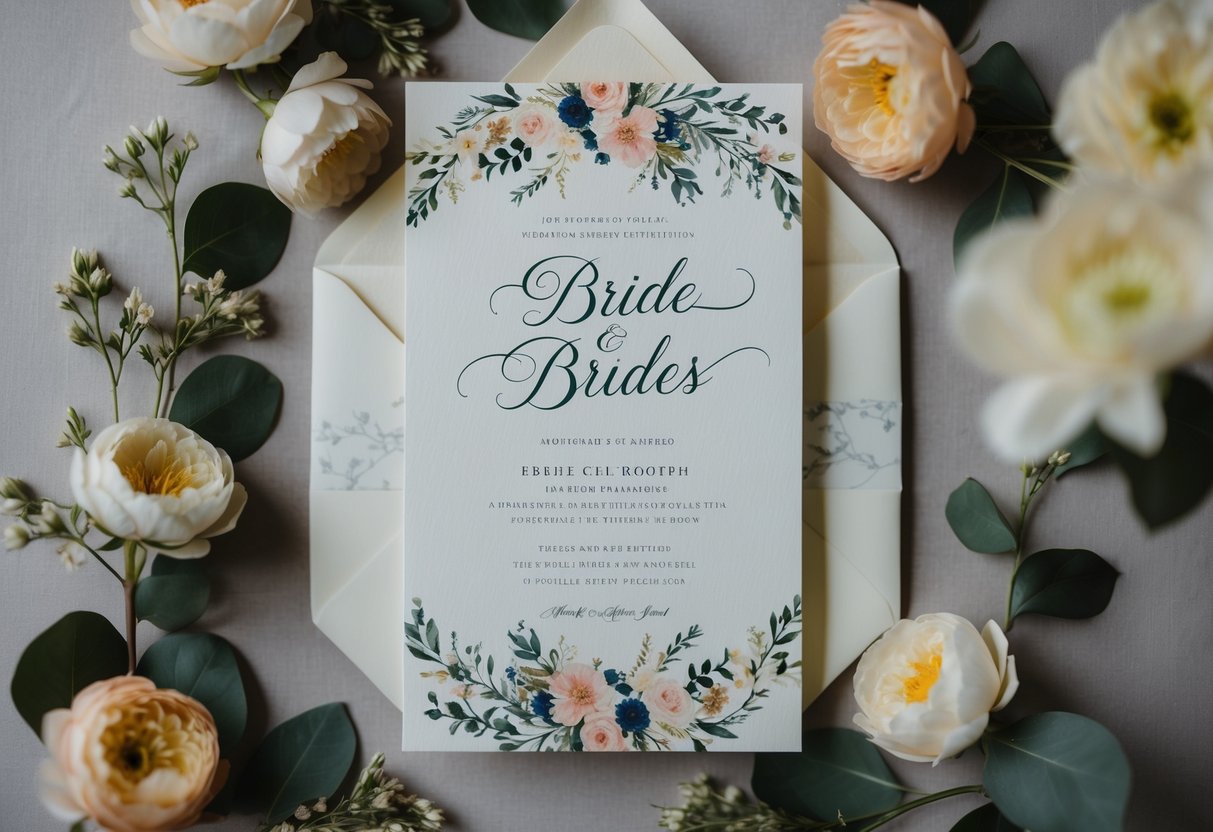
When planning your wedding invitations, you want the design and wording to reflect your style and provide essential information. Several factors come into play when crafting your wedding invites.
Crafting Your Wedding Invitation Wording
Choosing the right wording is key for your wedding invitation. Start with the names: traditionally, the bride’s name is placed first, highlighting her family’s role in the celebration.
Here’s a simple guide for your wording:
- Host line: State who is hosting the wedding, often the bride’s parents.
- Request line: Use phrases like “request the honor of your presence.”
- Names: List the bride’s name first, followed by the groom’s.
- Date and time: Clearly state when and where the wedding will take place.
Make sure to include RSVP details and information about your registry. This helps guests know how to respond and where you are registered for gifts.
Components of the Wedding Invitation Design
The design of your wedding invitation is just as important as the wording. Consider elements like color, fonts, and layout that match your wedding theme.
You might want to include:
- Graphics or images: Add personal touches, such as your wedding colors or motifs. Canva offers many templates.
- Save-the-date cards: These can help narrow down your guest list early.
- RSVP card: This ensures you know how many guests to expect.
- Registry information: Including a small card with your registry details can be helpful.
A cohesive design ties everything together, creating a beautiful stationery piece that your guests will appreciate.
Additional Information for Guests
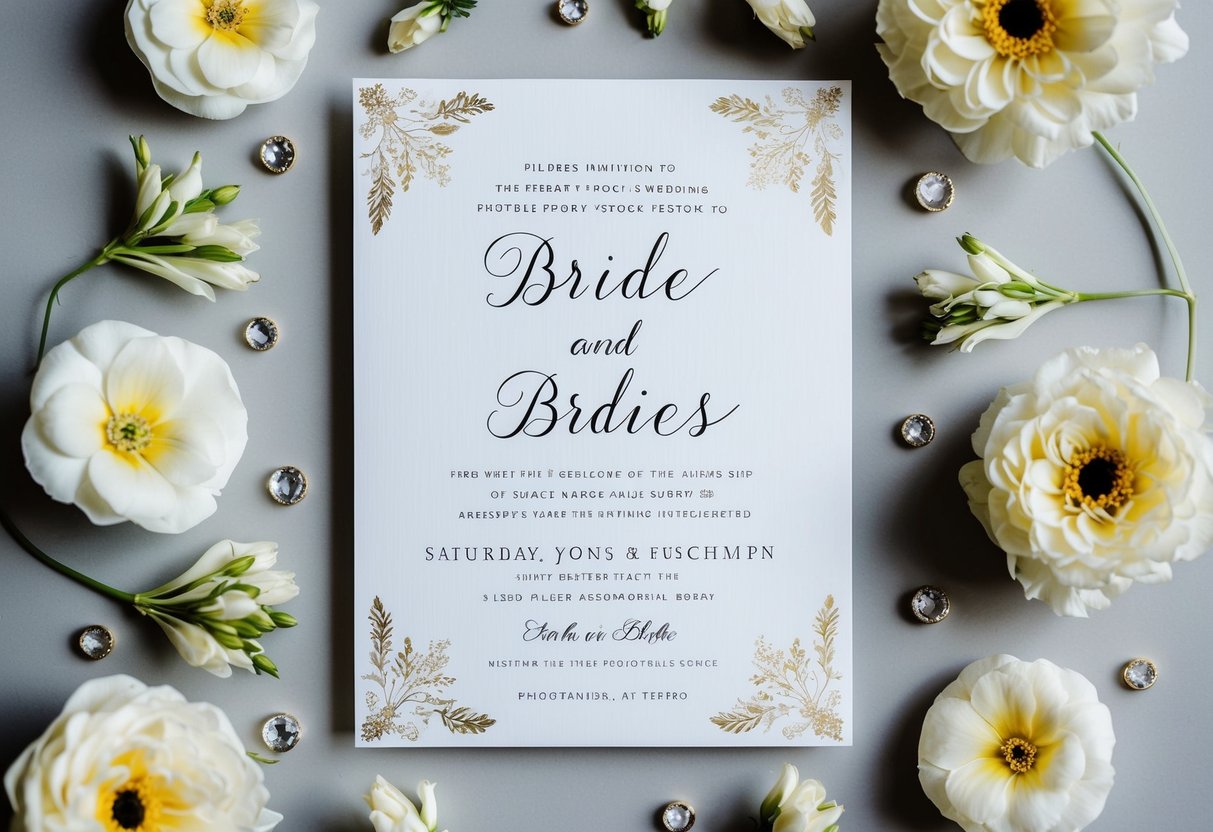
When you receive a wedding invitation, it’s important to pay attention to details that will help you prepare for the special day. Key information includes the wedding date, dress code, and any relevant details on the couple’s wedding website.
Conveying the Wedding Date and Logistics
The wedding invitation typically centers around the wedding date. Make sure to mark your calendar once you receive it. Alongside the date, the invitation often includes the time, venue, and any other logistical details.
If the couple has a wedding website, it’s a good idea to check it. It usually contains further information about accommodations, the reception time, and directions.
Don’t hesitate to reach out if you need clarification. Clear communication helps avoid any confusion, making it easier for you to celebrate their big day without stress.
Guidance on Dress Code and Wedding Website Details
It’s crucial to understand the dress code so that you can blend in with the wedding theme. Invitations typically specify whether the attire is formal, semi-formal, or casual. This can help you decide what to wear to match the day’s vibe.
The wedding website might also offer suggestions for attire or specific colors to wear, which can be useful.
Take a moment to explore the website for any updates as the date approaches. It can provide you with insights into the couple’s vision and ensure you feel comfortable and well-prepared for the celebration.