
Why Does the Father Give the Bride Away? Exploring Tradition and Meaning
The tradition of a father giving away his daughter during a wedding has deep roots that many people may not know about. This act symbolizes the transfer of responsibility from the father to the groom, marking a significant moment in the wedding day. It’s a gesture that reflects the bond between the father and daughter, as well as the beginning of a new life with her partner.
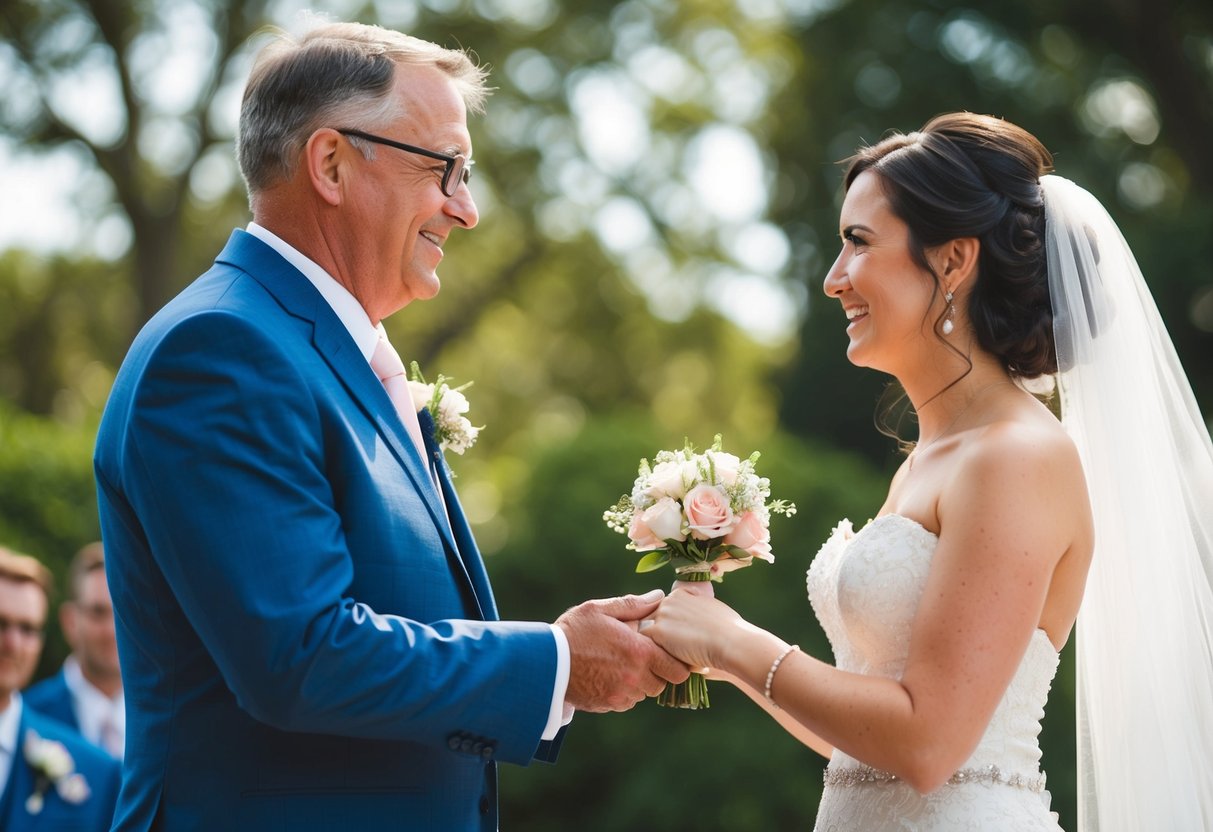
As you explore this custom, you will uncover how it has evolved over time. What started as a practice in ancient societies where women were often seen as property has transformed into a meaningful ceremony that celebrates love and partnership. The father of the bride’s role is not just about tradition; it also emphasizes support for his daughter’s choice and future.
This moment can be one of the most emotional parts of the ceremony. Understanding why this tradition exists can enrich your appreciation for the wedding day experience. Whether you’re planning your own wedding or attending as a guest, knowing the significance behind giving away the bride adds depth to this beautiful tradition.
Historical Significance and Origins
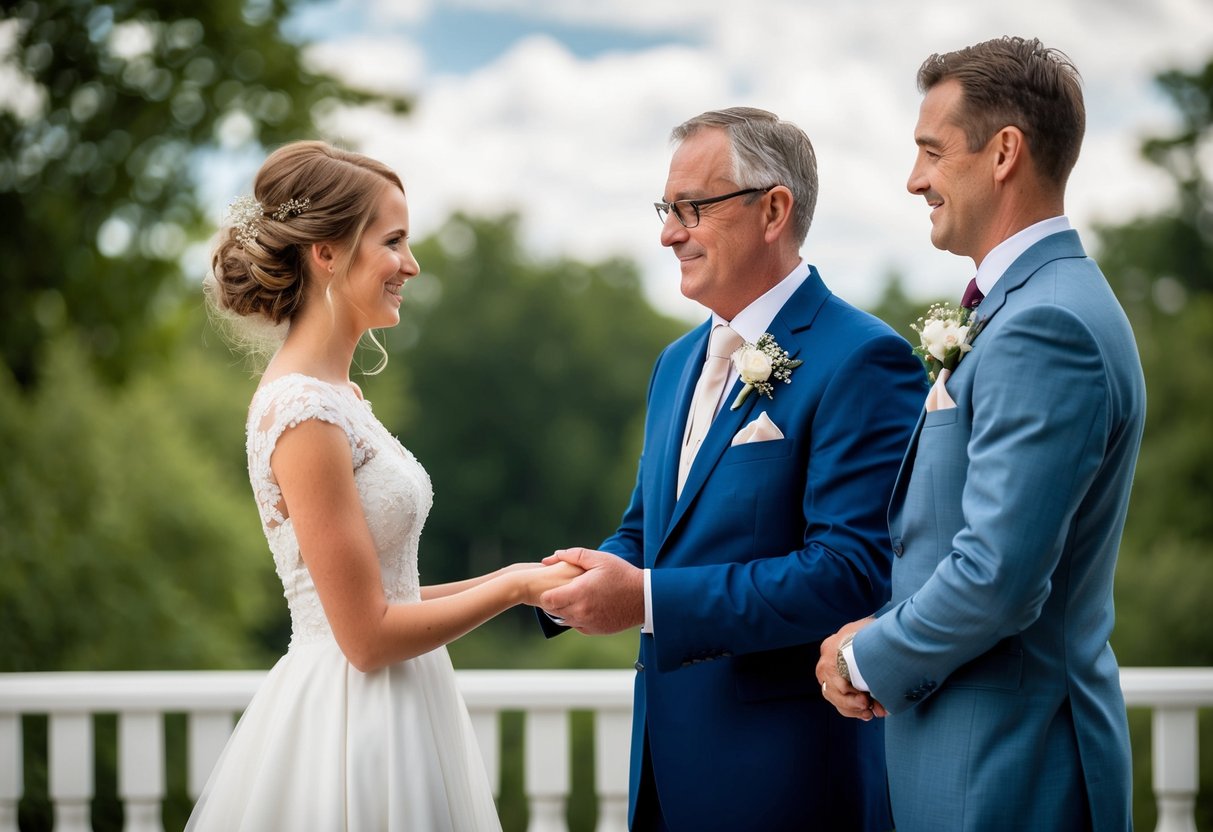
The tradition of a father giving away the bride comes from deep historical roots. This practice reflects how society has viewed marriage and family structures over time.
Patriarchal Societies and Marriage
In many patriarchal societies, women were often seen as property. Marriages were arranged to benefit families, not individuals. The father’s role in giving his daughter away represented a transfer of ownership.
This transfer indicated that the groom would now take responsibility for the bride. It symbolized trust and duty. The father would often look for a suitable partner to ensure his daughter’s well-being and social status.
The Role of Dowry
The concept of dowry also ties into this tradition. In various cultures, families provided a dowry to the groom, which could include money, goods, or land. This payment served as a form of security for the bride as she transitioned into a new household.
In some cases, the dowry represented a family’s wealth and social standing. It was acceptable for the father to give his daughter away if the dowry was adequate. This practice highlights the economic aspects of marriage throughout history.
Traditions Across Cultures
Different cultures have their unique customs when it comes to giving away the bride. For example, in Jewish weddings, the tradition involves the groom reciting a blessing over the bride, showing respect and love.
In many arranged marriages, the bride’s parents play a crucial role in choosing the groom. While the act of giving away the bride may vary, the underlying purpose remains consistent: to safely place the bride in her new home and ensure her future happiness.
These customs reflect how societal values and family structures have evolved while maintaining the significance of the father’s role in marriage.
Modern Interpretations and Practices
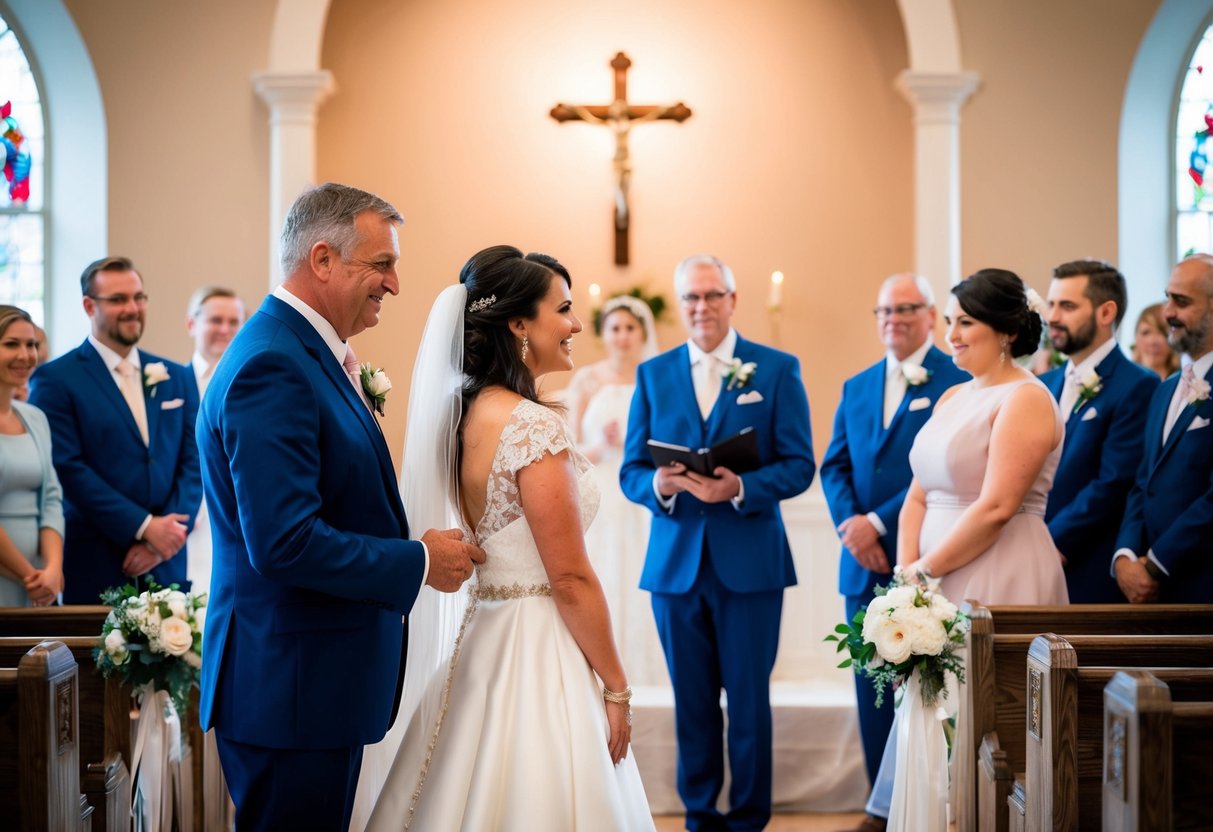
Traditions around giving away the bride are evolving to reflect contemporary values. These modern interpretations focus on female empowerment, inclusivity for LGBTQ couples, and the rise of alternative ceremonies.
Female Empowerment and Choices
In today’s weddings, many brides choose to walk down the aisle alone. This decision symbolizes independence and self-assurance. Some brides prefer to have both parents accompany them, emphasizing their equal support.
Such choices reflect a shift toward celebrating personal agency. The phrase “giving away” is often replaced with alternatives like “presenting” or “escorting.” This shift reinforces that the bride is not being transferred but celebrated.
Ultimately, this focus on empowerment allows brides to express their journey uniquely. They can tailor the ceremony to reflect their values and identity.
LGBTQ Couples and Inclusivity
For LGBTQ couples, the notion of giving away a bride or groom can differ significantly. Many same-sex couples opt for alternative wordings that better represent their relationships.
Instead of traditional roles, they may choose to include friends or family in diverse ways. For example, both partners may walk down the aisle together, celebrating their union equally.
Such practices promote inclusivity, showing that love can be celebrated without rigid structures. Couples design their ceremonies to reflect their identities and communal ties.
Alternative Ceremonies
Alternative ceremonies are increasingly popular as couples look for unique ways to express their love. These can include symbolic acts like planting a tree or lighting a unity candle.
Some couples may choose to skip the traditional giving away altogether. Instead, they focus on personal vows that signify their commitment.
Personalization is key in modern weddings. You might choose music, readings, or rituals that resonate with you. These choices make the ceremony a true reflection of your love story, moving away from conventional expectations.
Symbolic Meaning and Family Dynamics
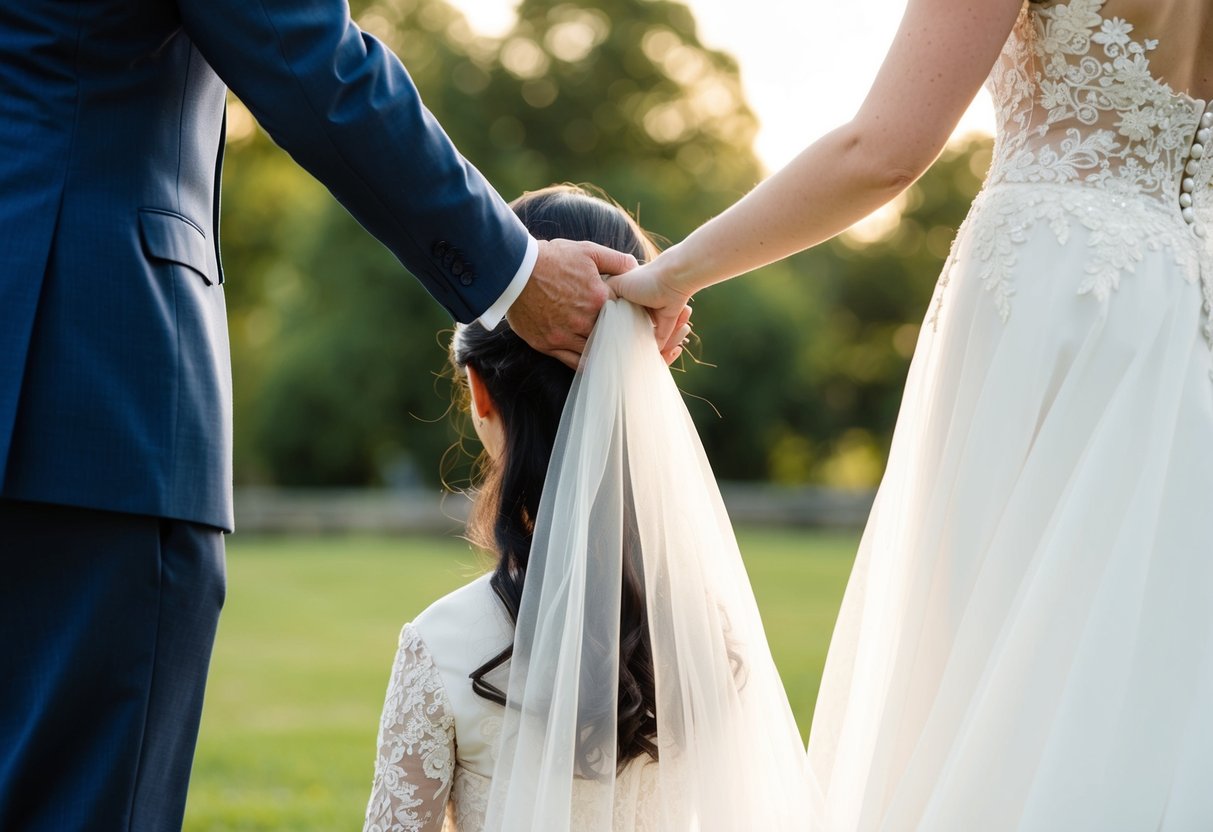
Understanding the symbolic meaning behind a father giving his daughter away highlights the deep family connections involved in weddings. This tradition reflects blessings, approval, and the joining of families, while also showcasing the transfer of responsibilities from one family member to another.
Blessing and Approval
When a father walks his daughter down the aisle, it’s more than a simple act. This moment symbolizes his blessing and approval of the marriage. He is not only giving her away but also expressing his support for the union she is about to enter.
This gesture shows that he trusts her choice and believes in the love between her and the groom. In many cultures, this is a pivotal moment that connects generations. You may also see stepfathers included in this process, which underscores how love and support can come from blended families, reinforcing the idea that family ties can expand.
Uniting Families
The act of giving away the bride is also about uniting families. This ceremony moment emphasizes the merging of separate family backgrounds into one. You can feel the shared excitement as two families come together to celebrate love.
As the bride approaches the altar, both sides witness the beginning of new relationships and extended family ties. It’s a reminder that marriage is not just two individuals joining, but a partnership involving both families. This connection can help create a supportive environment, important for the couple’s journey ahead.
Responsibilities and Obligations
In the past, giving the bride away often represented a transfer of responsibility. Traditionally, fathers had leadership roles in their families. Handing their daughters to husbands signified a shift in care and protection.
Today, the meaning has evolved but still holds significance. This act symbolizes that while the bride is moving into a new phase of life, her family still supports her. Whether it’s the father, stepfather, or both, showing this commitment during the ceremony can strengthen bonds and highlight the ongoing role of family throughout the couple’s marriage.
The Ceremony Process and Variations

In weddings, the ceremony process can differ based on tradition and personal preferences. You’ll find many ways to symbolize the support and blessings between the bride and groom during this significant moment.
The Walk Down the Aisle
As the wedding day unfolds, the walk down the aisle is a cherished part of the ceremony. Traditionally, you may see the bride escorted by her father or a close family member. This signifies the transfer of authority and support to the groom.
You might hear the familiar tune of “Here Comes the Bride.” The atmosphere builds as the couple prepares to take their vows. This walk often symbolizes not just a physical journey but also the emotional transition into a new chapter of life.
Roles of the Officiant and Family Members
The officiant plays a vital role in guiding the ceremony. They oversee the vows and help create a meaningful experience. During this time, the officiant may remind everyone of the significance of the union.
Family members, particularly the parents, often have specific roles to support the couple. This can include offering emotional support or sharing wisdom. Their involvement highlights the collective love surrounding the bride and groom on this big day.
Non-Traditional Approaches
For those exploring non-traditional weddings, the process can be flexible. You might choose to have both parents walk you down the aisle, showcasing a more modern take on family support. This option symbolizes equality and shared love.
Some couples opt for personal touches, like including friends or special mentors in the ceremony. Custom promises, readings, or rituals can add meaning and reflect the couple’s unique bond. Embracing creativity makes your wedding more personalized and memorable.