
Why Don’t British Men Wear Wedding Rings? Exploring Cultural Trends and Personal Choices
In the UK, many men choose not to wear wedding rings. This decision often stems from personal preference and tradition. Many British men feel comfortable forgoing the ring altogether, while women commonly wear wedding bands to symbolize their commitment. This choice can reflect a blend of cultural influences and individual values surrounding marriage.

Traditionally, the practice of men wearing wedding rings gained popularity during World War II, when rings served as reminders of loved ones for soldiers. Over time, this custom has not become the standard in British society. You might find that some men prefer to show their love and commitment in other ways, making the absence of a wedding band personal rather than a rejection of the tradition.
As you explore this topic, you’ll discover more about the significance of wedding rings and how societal changes have influenced men’s choices. Understanding why British men often skip the wedding band can shed light on the evolving views of marriage and commitment today.
Historical and Cultural Significance of Wedding Rings
Wedding rings have deep roots in history and culture, shaping how people view love and commitment. The significance of these bands goes beyond mere decoration. Understanding their past provides insight into the traditions we see today.
Emergence of Wedding Bands in History
The custom of wearing wedding bands dates back to ancient Egypt. Couples exchanged simple bands made of reeds or leather as a symbol of their union. Signet rings, often engraved with family crests, became popular among the upper classes. These rings signified loyalty and social standing.
Throughout history, the meaning of wedding rings evolved. By the time of the Romans, gold bands were widely used. This tradition carried on through the centuries, with cultures embracing unique styles.
In the mid-20th century, the popularity of diamond engagement rings rose sharply. This shift shaped modern views on marriage and the importance of rings. World War II saw many couples turning to simple bands as a practical choice during tough times.
British Royal Family and the Tradition of Wedding Rings
The British royal family has played a significant role in shaping wedding ring traditions. Male royals, such as Prince William, often followed different customs than their female counterparts. Historically, men in the royal family typically did not wear rings, as seen when Queen Elizabeth married Prince Philip.
This royal tradition reflects older aristocratic etiquette, where wedding bands were often seen as unnecessary for men. However, this view has been changing. Over time, more men in the upper classes and beyond have embraced wearing wedding rings.
The exchange of rings has become a symbol of modern love. The choices made by the royal family influence wider social norms, slowly encouraging acceptance of men wearing wedding rings.
Modern Perspectives and Trends in Britain
In recent years, perspectives on men wearing wedding rings in Britain have changed. Many men view this choice as a matter of personal preference rather than a tradition that must be followed.
Prince William’s Decision Against Wearing a Ring
Prince William’s choice to forgo a wedding ring is notable. He has mentioned that it’s a matter of comfort and personal choice. Instead, he wears a ring only during formal events or engagements. This decision reflects a shift in societal norms around masculinity and marriage.
Many admire William for prioritizing his comfort over tradition. His choice has opened conversations about whether men should feel pressured to conform to conventional practices. When you consider his lifestyle and duties, it makes sense that he opts for simplicity.
Comparative Behavior of European Royalty
Looking at European royalty, you will find varied practices concerning wedding rings. For example, Prince Harry, like his brother, also chose not to wear a ring. This trend isn’t limited to British royalty. In countries like Spain and Sweden, some royal men also skip wearing rings.
This behavior suggests that personal choice is increasingly valued among modern royals. It can be about comfort, practicality, or simply personal preference. Royals are leading by example, showing that conformity is not necessary in expressing commitment.
The shift away from traditional norms among these figures reflects broader societal changes, impacting how everyday men view wedding rings too.
Personal Choices Amongst Royal Men
Royal men often have unique views on wedding rings, influenced by both tradition and personal choice. Their decisions reflect a blend of history, family customs, and individual preference.
Wedding Band Choices of Prince Charles and Prince Harry
Prince Charles has chosen not to wear a wedding band throughout his marriage to Camilla. This reflects traditional practices among many royal men, including his father, Prince Philip, the Duke of Edinburgh. The lack of a ring does not diminish their commitment but aligns with their personal values.
On the other hand, Prince Harry decided to wear a wedding band when he married Meghan Markle. His band is made from Welsh gold, which is a longstanding tradition. This metal holds special significance in British royal weddings. It shows how personal choices surrounding rings can vary, even within the same family. Another notable example is Jack Brooksbank, who also opted for a ring when he married Princess Eugenie.
The Symbolic Significance of Royal Men’s Jewellery
The jewellery worn by royal men, including signet rings, has deep roots in heritage and family legacy. Many of these rings symbolize royal duties, lineage, and personal identity. They often serve as a reminder of one’s responsibilities and commitments.
Marlene Koenig, a royal historian, points out that the absence of wedding bands for many royal men indicates a historical preference for practical jewellery over symbols of marriage. For you, this signifies a contrast to modern trends where men frequently wear wedding bands as a visible sign of commitment. The importance of these choices emphasizes the blend of tradition and individual values within the royal family.
The Role of Wedding Rings in Royal Ceremonies
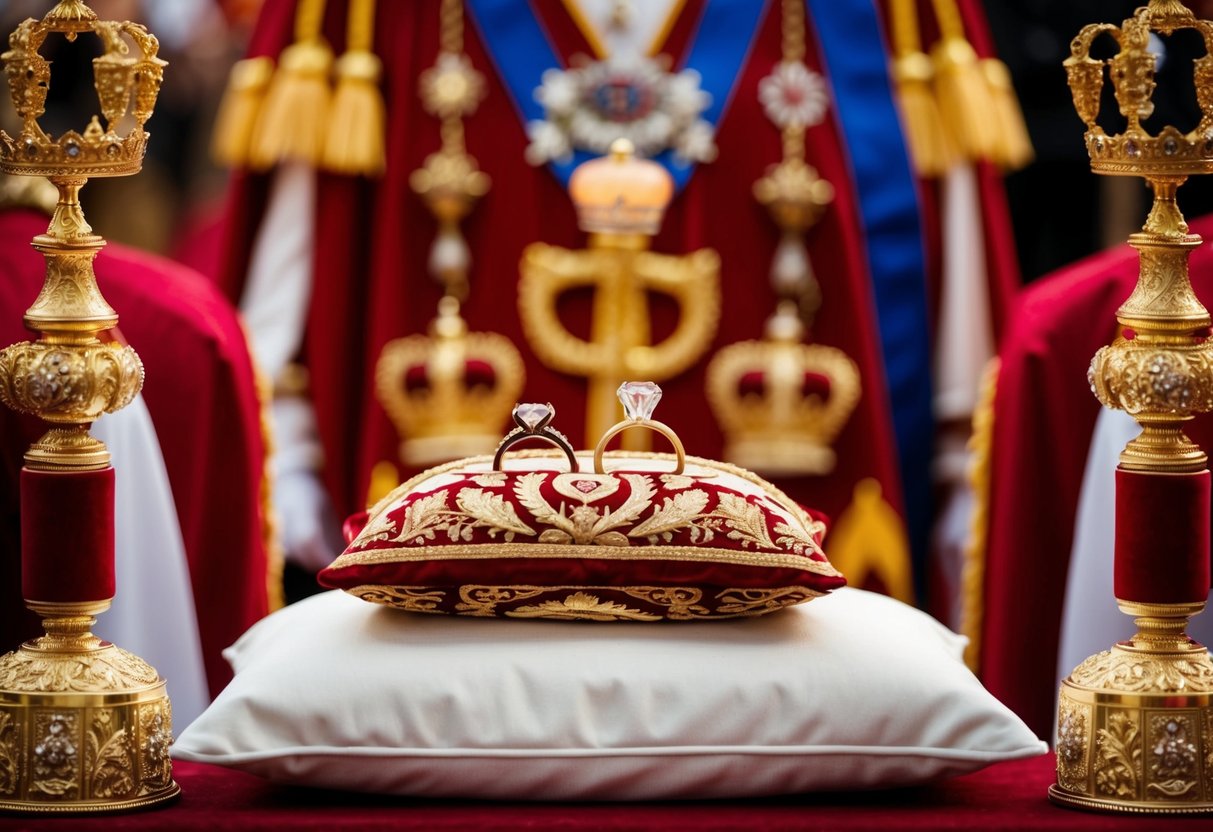
Wedding rings play a unique role in royal ceremonies, often reflecting traditions and personal stories. These rings represent commitment, prestige, and sometimes, a connection to history. Let’s explore some notable royal weddings and the significance of Welsh gold.
Notable Royal Weddings and Their Rings
In royal weddings, the rings are often as famous as the couples themselves. Take Meghan Markle and Prince Harry, for instance. Meghan’s engagement ring includes gemstones from Princess Diana’s collection, adding a personal touch.
Kate Middleton received a stunning sapphire engagement ring that once belonged to Princess Diana. For their wedding day, she chose a simple yet elegant platinum band made by Cleave and Company.
Princess Eugenie also made headlines with her wedding ring. She opted for a unique design that included a crystal and diamond combination. These choices reflect individual styles while adhering to royal tradition, emphasizing the importance of wedding rings in royal life.
Welsh Gold and Its Connection to the Royal Weddings
Welsh gold holds a special place in British royal traditions. People often use it for the wedding bands of royal women. This gold is mined in Wales and is considered a symbol of enduring love and commitment.
For instance, Queen Elizabeth II and other royal brides, including the Duchess of Cambridge, received wedding bands made from Welsh gold.
The connection to Welsh gold signifies a bond with the land and history of the UK. Each royal wedding ring tells a story of tradition, family, and a promise of love, making it a treasured piece of history for royal families.