
Why Don’t Wedding Dress Shops Let You Take Photos? Understanding the Reasons Behind the Policy
Walking into a wedding dress shop can be thrilling, but you might be surprised to find that taking photos is often not allowed. Many bridal shops enforce this rule to protect their designs and maintain a unique shopping experience for their clients. They want to ensure that brides commit to their choices without using images to shop around for cheaper alternatives.
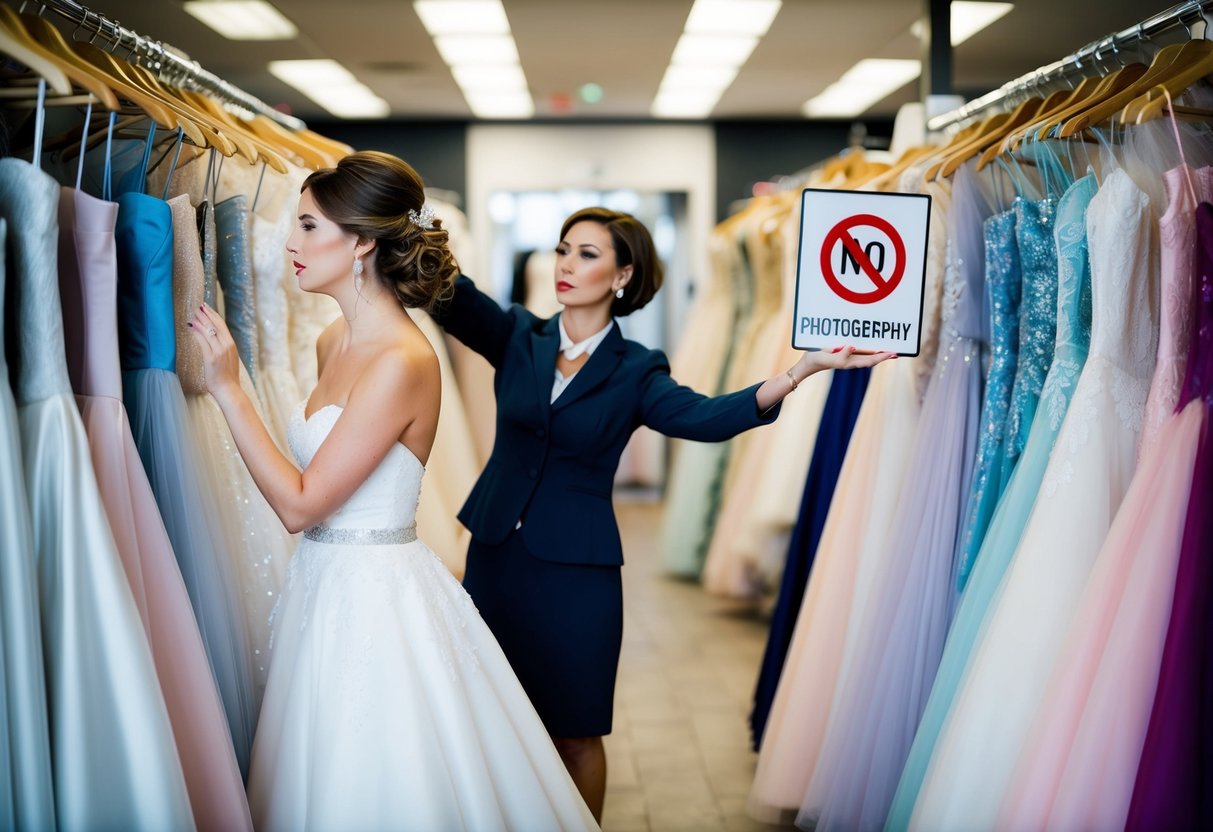
Some shops worry that allowing photos may lead to duplication of styles and loss of sales. Competition is fierce in the wedding industry, and bridal boutiques aim to create a space where you can truly connect with your dress without distractions. By restricting photography, they hope to encourage you to focus on the dress and make the best decision for your special day.
While this may seem frustrating, understanding the reasons behind this policy can help ease your concerns. Knowing the shop’s perspective can make your experience more enjoyable and stress-free, allowing you to fully immerse yourself in finding the perfect gown.
Understanding Bridal Shop Policies
When you visit a bridal shop, you may notice some rules about taking photos. These policies often focus on privacy, intellectual property, and maintaining the quality of dresses. Understanding these reasons can help you navigate your wedding dress search more smoothly.
Privacy and Exclusivity
Bridal shops want to create a special and private experience for their customers. Allowing photos can lead to unwanted sharing on social media, which might compromise your experience.
By limiting pictures, the shop ensures that your dress choices remain exclusive. You can feel free to express your preferences without worrying about others critiquing your style choices online.
Consider this: when you try on a dress, it’s about how it makes you feel. Keeping the moment private allows you to fully enjoy this important time in your wedding planning.
Intellectual Property Concerns
Many bridal shops create unique designs. If customers take photos and share them, it can lead to copycat dresses manufactured by other companies.
To protect their designs, shops often enforce policies against photography. This helps maintain their brand’s integrity and the value of their exclusive products.
When you’re trying on dresses, remember that each gown is the result of creativity and hard work. Respecting these policies helps support the designers behind the styles you admire.
Maintaining the Dress Condition
Bridal shops must keep their dresses in the best condition possible. When people take photos, they often manipulate the garments to get the perfect shot. This can lead to wear and tear on the dresses.
Additionally, handling dresses without proper care can lead to stains or damage. By not allowing photos, shops can better ensure that each gown remains pristine for future brides.
Understanding this can help you appreciate why shops set such rules. The goal is to keep the dresses looking their finest for all brides-to-be.
The Element of Surprise
Surprises can make your wedding planning exciting. Shops may restrict photos to maintain an element of surprise for you and your guests.
When you choose a dress, it’s a special moment. The thrill of revealing your choice can enhance the experience for everyone involved.
By keeping the details under wraps, you generate anticipation for both yourself and your loved ones. You’ll enjoy sharing your dress with friends and family on your wedding day, making it even more memorable.
Preparing for Your Wedding Dress Appointment
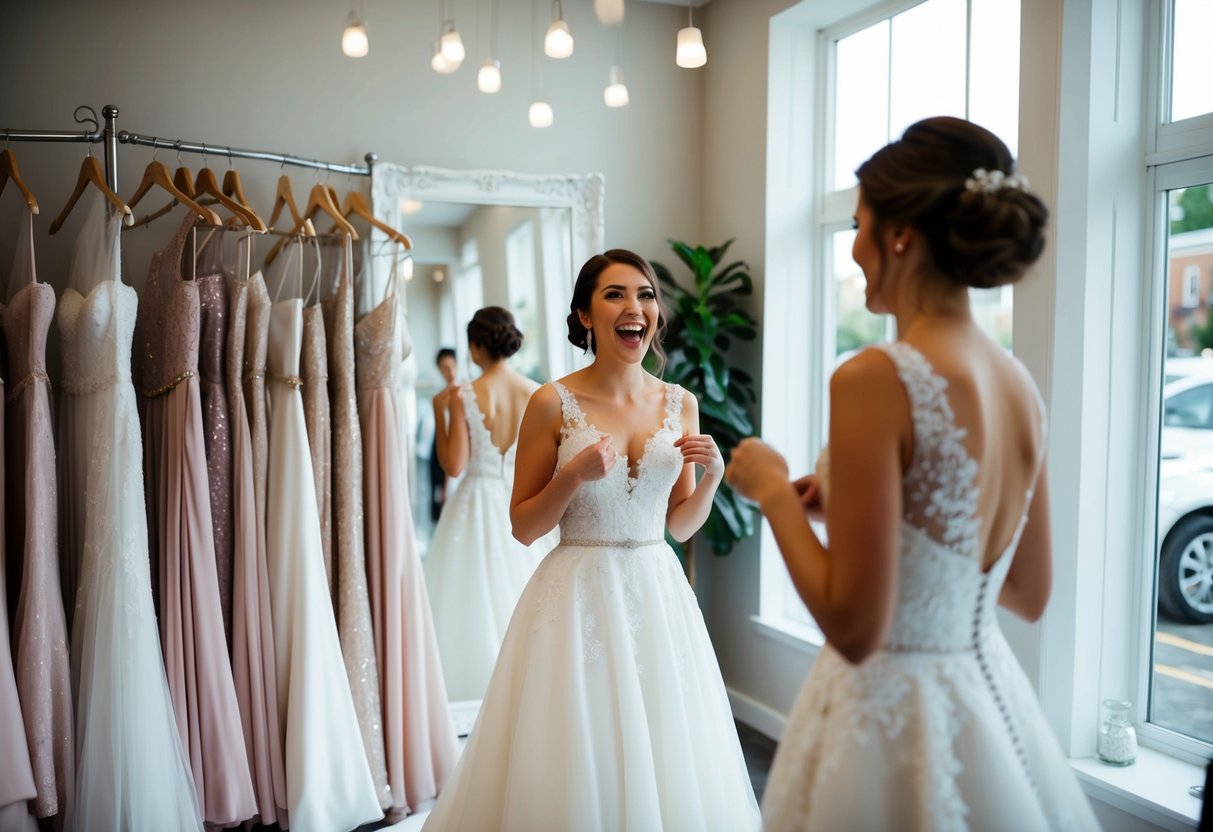
Getting ready for your wedding dress appointment is exciting. You can enhance this experience by following some key steps. This includes scheduling your visit, knowing what to wear and bring, understanding your budget, and effectively communicating with your bridal consultant.
Scheduling Your Visit
Before anything else, make sure you schedule an appointment at the bridal shop. This ensures that you will have dedicated time with a bridal consultant. Call ahead to ask about available time slots.
Aim to arrive 10 minutes early. This gives you time to settle in and prepare for your appointment. A calm start can help you focus on finding your dream dress.
Also, consider bringing along a friend or family member whose opinion you trust. Their support can make the experience enjoyable and help with decision-making.
What to Wear and Bring
Choosing the right outfit for your appointment is important. Wear comfortable clothing that allows you to move easily. A simple top and a skirt or pants work well.
Don’t forget about your undergarments. Choose undergarments that you would wear on your wedding day, especially shapewear if you plan to use it. This will help you see how the dress fits and feels.
Additionally, bring along any accessories you think you might like. Shoes, veil, or even jewelry can help you envision the whole look while trying on different dresses.
Understanding Budget
Having a budget in mind is crucial. Before your appointment, set a specific amount for your wedding dress to avoid stress later. This will help your bridal consultant narrow down options that fit your budget.
Keep in mind that some shops may have a lower selection based on your price range. Be open about your budget with your consultant to find the best choices for you.
Consider costs beyond just the dress. Don’t forget to think about alterations and accessories, which can add up quickly.
Communicating with Your Bridal Consultant
Clear communication is key to a successful fitting. Before you start trying on dresses, share your vision and any specific styles you like. This helps your bridal consultant understand your preferences.
It’s also important to provide honest feedback while trying on dresses. If something doesn’t feel right, let them know. This feedback helps your consultant find options that work for you.
Don’t be afraid to ask questions, too. Whether it’s about a dress style, fabrics, or alterations, your consultant is there to help. Keeping the conversation open can make the appointment smoother and more enjoyable.
Tips for a Positive Dress Shopping Experience
To make your dress shopping experience enjoyable, it’s essential to consider shopping etiquette, manage expectations, and be aware of bridal shop rules. By following these tips, you’ll create a pleasant atmosphere for yourself and everyone involved.
Navigating Shopping Etiquette
When visiting a bridal boutique, proper etiquette can enhance your experience. Always schedule appointments to ensure personalized attention. Arriving on time shows respect for the staff and other brides waiting for their turn.
Bring a small group of trusted family or friends to help you choose dresses. Too many opinions can lead to confusion. If you plan to reference your Pinterest board or bridal magazines, do so respectfully. Show examples without overwhelming the staff.
Always ask the shop about their photo policy before snapping any pictures. Understanding these rules can avoid misunderstandings and cultivate a positive experience for everyone.
Managing Expectations and Feedback
Before your appointment, clarify what you want from the dress shopping experience. Create a list of styles, fabrics, and price ranges to help guide you. This will ensure you’re focused and make the most of your time.
Keep in mind that not every dress will fit perfectly. Try not to be discouraged if a dress doesn’t meet your expectations. Communicate openly with your consultant about your thoughts. Their feedback and expertise can be invaluable in finding the right gown.
Be open to trying dresses outside your original ideas. You might discover a style you love that you didn’t initially consider.
Considering Bridal Shop Etiquette
Every bridal shop has its own rules, which are important to understand. Some shops may restrict photography to protect their designs. Always ask first about their policies on taking pictures during your appointment.
If they prefer no photos, respect their wishes. This allows them to maintain the uniqueness of their dresses and their business. Stay attentive to any specific guidelines they provide regarding dress handling and fitting room use.
Also, remember to thank your consultant for their help and expertise. A kind word goes a long way in maintaining a positive relationship and atmosphere during your shopping experience.
Exploring Wedding Dress Styles and Options
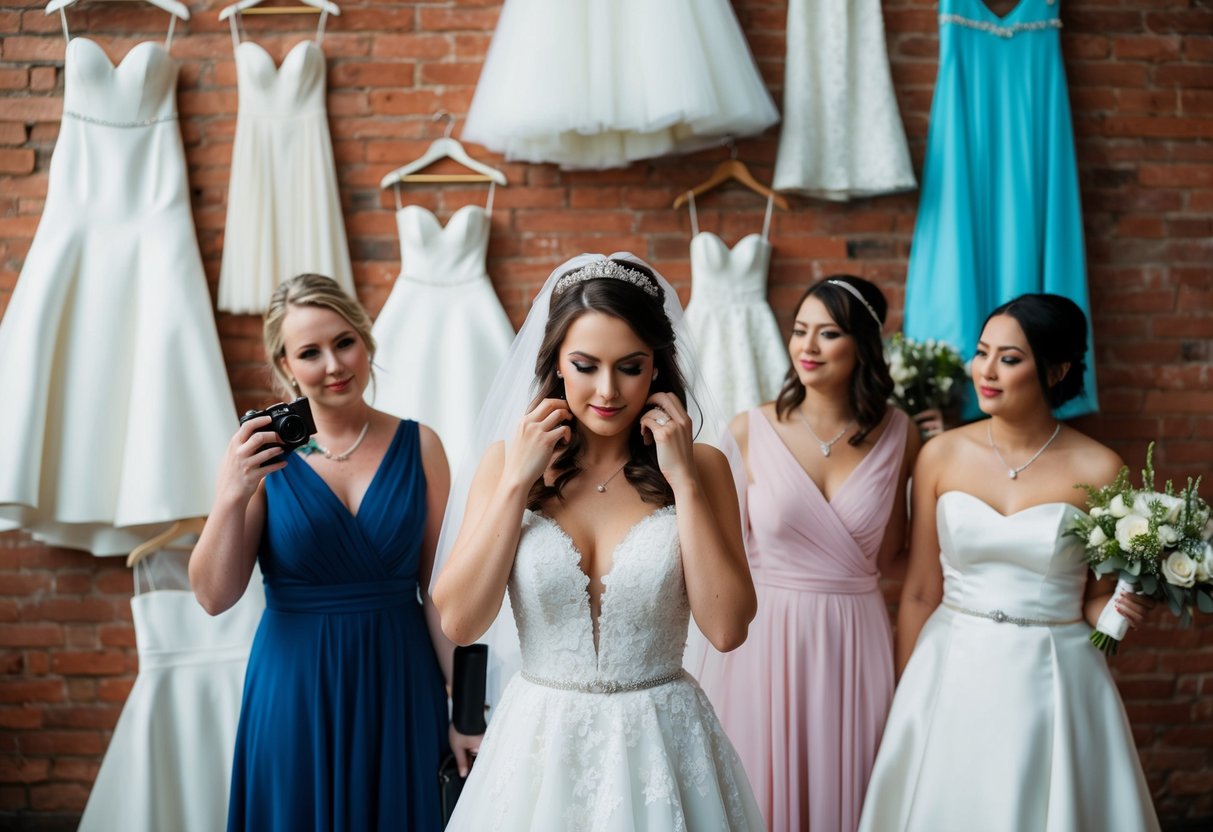
Finding your perfect wedding gown is an exciting journey. Understanding different dress styles, knowing how to choose the right one, and recognizing the importance of alterations are key steps in this process.
Understanding Different Dress Styles
When you start bridal dress shopping, it’s essential to familiarize yourself with various wedding dress styles. There are several popular options you might consider:
- A-Line: This style features a fitted top and a skirt that flares out, creating an elegant silhouette.
- Ball Gown: Best for a fairy-tale look, this style has a full skirt and fitted bodice, perfect for formal weddings.
- Mermaid: This style hugs your curves and flares at the knees, showcasing your shape beautifully.
Each of these styles suits different body types and wedding themes. As you try on dresses, you’ll discover what feels best for you.
How to Choose the Right Gown for You
Choosing the right gown involves considering your personal style and comfort. Here are some tips to help you find your dream dress:
- Think About the Venue: The location of your wedding can influence your dress choice. A beach wedding might call for a lighter fabric, while a church wedding could suit a more formal gown.
- Consider Comfort: You’ll be in your dress for many hours. Ensure you can sit, dance, and walk comfortably in it.
- Consult Bridal Stylists: They can offer valuable insights about what styles complement your figure and align with the latest trends.
Taking the time to consider these factors will help you find a gown that you’ll love wearing on your special day.
The Importance of Alterations
Alterations are a crucial step after finding your dress. Almost every gown needs some adjustments to ensure the perfect fit.
- Custom Fits: A skilled tailor can make adjustments to the bodice, hem, and sleeves, enhancing your comfort and appearance.
- Timing Matters: Start the alteration process early to allow enough time for multiple fittings.
- Know Your Budget: Alterations can vary in cost. Ensure you factor this into your wedding dress shopping budget.
Investing in alterations helps you look and feel your best on your big day.