
Why Is a Bridal Called a Bridal? Exploring the Meaning Behind the Term
Have you ever wondered why the term “bridal” is used to describe everything from showers to boutiques? The word “bridal” comes from the Old English word “bryd,” which means bride. It has evolved to highlight the special traditions surrounding weddings. This word reflects not just a person but the rich customs connected to marriage celebrations.
As you explore the meaning behind “bridal,” you’ll find it tied closely to the joyful traditions that bring friends and family together during this significant time in your life. Knowing the origins of the word can give you a deeper appreciation for the events you experience leading up to your big day. From bridal showers to bridal gowns, each usage of the word carries with it a sense of shared love and community that makes weddings so special.
Historical Origin of ‘Bridal’
The term “bridal” has deep historical roots that reveal its significance in weddings and cultural traditions. You’ll find that the word has evolved through different languages and times, reflecting changing practices and meanings surrounding brides and marriage.
Old English Roots
The word “bridal” comes from the Old English term “bryd,” which means “bride.” In the past, a bride was often associated with celebration and communal gatherings. The custom of holding wedding feasts, known as “bryd-ealu,” was common, with “ealu” meaning “ale” or “drink.”
This connection signifies how important the idea of a bride was in social contexts. It wasn’t just about the individual; it involved family and community. The emphasis was on joy and togetherness during these life-changing events.
Proto-Germanic Influences
Diving back further, the word has Proto-Germanic influences, where it is thought to derive from *brūðiz, which also hints at the idea of a bride. This shows a longstanding connection across cultures within the Germanic language family.
The usage of similar terms in various Germanic languages indicates shared customs related to marriage and the role of women in these ceremonies. As these languages evolved, the concepts of marriage and commitment remained strong, demonstrating a cultural significance tied to the identity of the bride.
The Evolution from ‘Bryd’ to ‘Bride’
As language transformed, so did the term from “bryd” to “bride.” This change occurred through Middle English, where the word evolved with linguistic shifts. By the time of Early Modern English, “bride” became common, solidifying its modern usage.
This evolution not only shows language change but also the growing importance placed on the role of the bride in marital ceremonies. The wedding dress, chants, and rituals that come with “bridal” events reflect values that have persisted through history, highlighting your role as a bride in contemporary society.
Bridal Traditions and Ceremonies
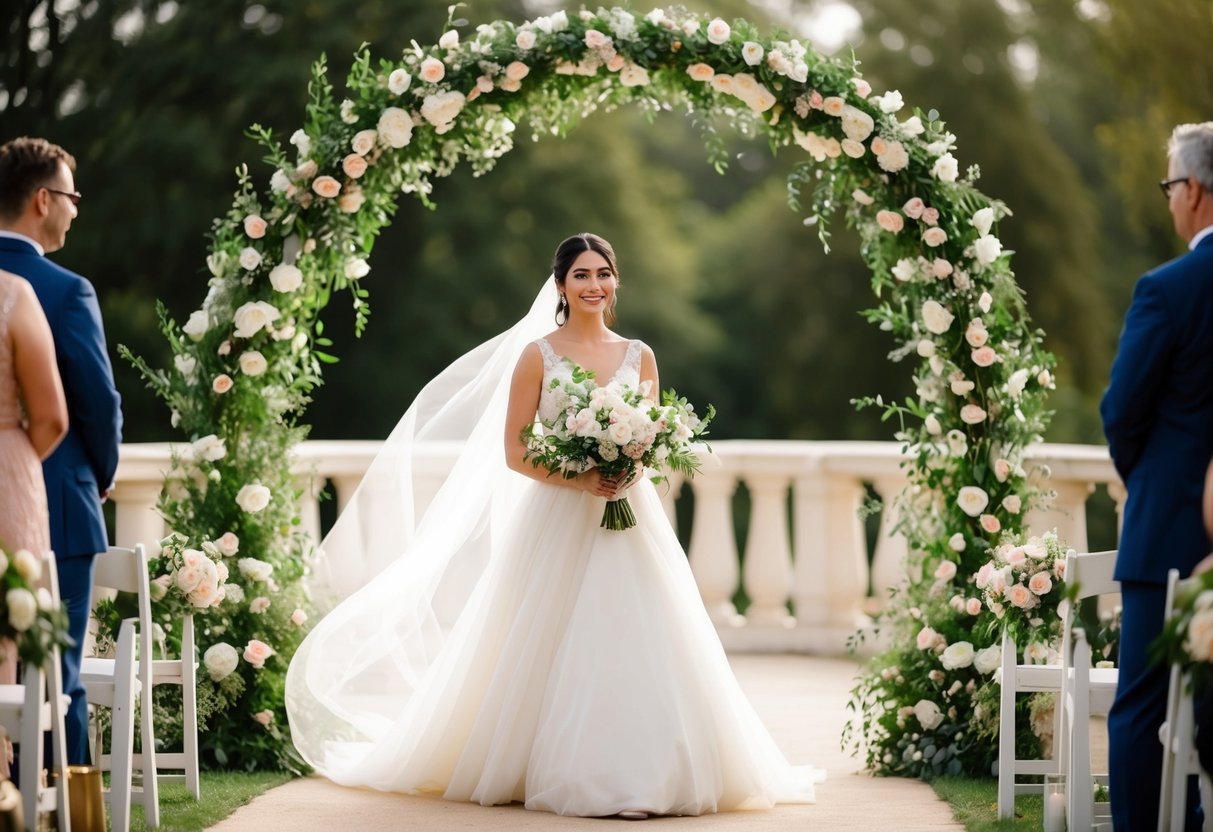
Bridal traditions and ceremonies carry significant meaning in weddings. These elements reflect historical customs and personal expressions that celebrate love and commitment. Here, you’ll explore the symbolism of wedding dresses, the importance of bridal showers, and the roles of key figures in the wedding party.
The Wedding Dress and Its Symbolism
The wedding dress is not just a beautiful garment; it holds deep symbolism. Traditionally, brides wear white to represent purity and innocence. This color choice stems from Victorian times when Queen Victoria wore a white gown for her marriage to Prince Albert.
Today, many brides choose dresses that match their personal style. Some opt for bright colors or unique designs that reflect who they are. Whether it’s a classic white gown or a colorful creation, the wedding dress symbolizes the bride’s journey into a new life with her partner.
Bridal Showers and the Role of Gifts
A bridal shower is a fun and meaningful event in the lead-up to the wedding. Traditionally, friends and family gather to celebrate the bride and provide her with gifts to help start her new life.
These gifts often include household items, kitchenware, or personal treasures. A bridal shower is a chance for loved ones to share advice and blessings, enhancing the bonds between friends and family.
Additionally, it’s an opportunity for guests to enjoy games, food, and laughter. This event often strengthens support systems for brides as they prepare for their upcoming marriage.
Roles of the Maid of Honor and Bridesmaids
The maid of honor and bridesmaids are vital in supporting the bride on her special day. The maid of honor typically is the bride’s closest friend or relative. She helps with various tasks, from planning the wedding to standing by the bride’s side during the ceremony.
Bridesmaids also play important roles, standing alongside the bride and assisting with her needs. Together, they help create an atmosphere of joy and love.
These roles reflect traditional gender roles, where women support one another in significant life events. Their presence adds to the emotional depth of the ceremony and amplifies the festive spirit of the day.
Modern Interpretations and Gender Roles
In today’s world, the roles of the bride and groom have evolved significantly. You’ll find that modern weddings often challenge traditional gender roles, allowing couples to define their own paths. This creates a more inclusive atmosphere where everyone can express their identity.
Contemporary Wedding Practices
Contemporary weddings embrace a mix of traditions and modern values. Many couples choose to personalize their ceremonies, highlighting what matters most to them.
- Some brides opt for non-traditional dresses, while grooms might wear suits instead of traditional tuxedos.
- You may see both partners sharing responsibilities in planning the wedding feast and selecting traditions that reflect their backgrounds.
These practices allow couples to celebrate their love uniquely, representing their personal journeys and values.
Gender Roles in Weddings
Gender roles in weddings are shifting as couples break away from conventional expectations.
- Traditionally, the bride was often viewed as the focal point, while the groom took a backseat.
- Today, the groom is more involved in decisions, from choosing the venue to selecting details of the ceremony.
This change not only enhances partnership but also allows both partners to symbolize their unity equally. Celebrating equality in marriage becomes an essential part of the wedding experience, inviting guests to partake in a meaningful celebration.
Cultural Significance of Marriage Rituals
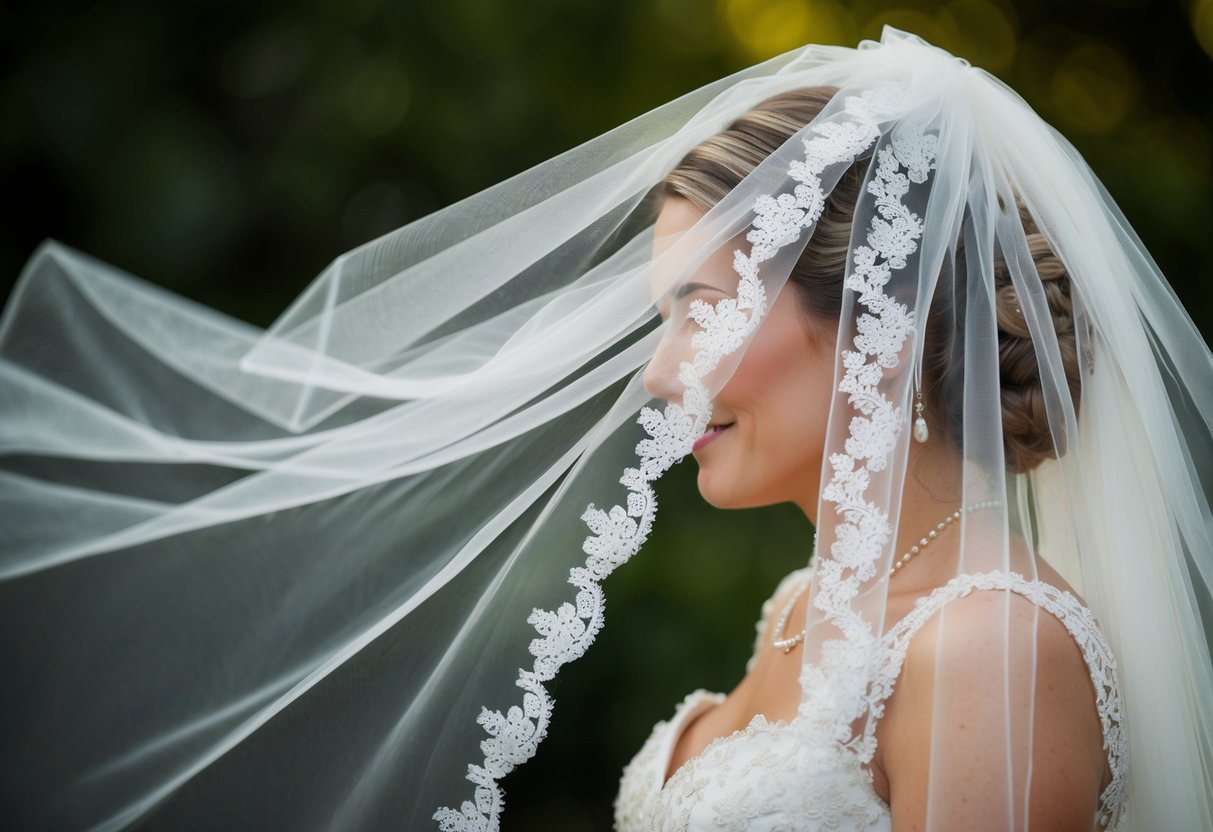
Marriage rituals hold deep meaning in various cultures, reflecting values of love, unity, and family connections. These ceremonies often mark important life transitions and bring communities together.
Global Wedding Rituals
Around the world, wedding rituals vary widely, showcasing the rich tapestry of human culture. In India, the saptapadi involves the couple taking seven steps together, symbolizing their journey through life as partners. In Japan, Shinto weddings often include purification rites to honor ancestors and the gods.
Other traditions include the Mexican Lazo, a lasso placed around the couple, representing their unity. Each of these practices highlights how marriage is a communal celebration, blending personal and cultural values.
Signifying Love and Unity
Marriage rituals are powerful expressions of love and unity. They highlight the couple’s commitment to each other surrounded by family and friends.
Exchanging vows is a common practice that signifies the promises each partner makes. Additionally, elements like rings or symbolic gifts often represent everlasting love.
You may also find that many cultures have specific songs or dances, enhancing the joy of these occasions. Through these acts, couples demonstrate their devotion and the importance of their bond.
These rituals not only strengthen their relationship but also connect them to their cultural heritage.