
Why Is My Wedding Dress Size So Big? Common Fit Issues and Solutions
Finding the right wedding dress can feel overwhelming, especially when you realize the size on the tag doesn’t match what you expected. If you’re wondering why your wedding dress size seems so big, you’re not alone. Wedding dress sizes often run differently than regular clothing sizes due to variations in bridal sizing charts and designers’ unique fits.
Many factors play into this sizing discrepancy. For example, bridal sample sizes typically range from size 6 to 10, which translates to street sizes 2 to 6.
Additionally, when you shop for a wedding gown, you may find yourself trying on dresses that are larger than your usual size. This is normal and reflects the way designers create their gowns rather than a flaw in your body.
Understanding this can help you feel more at ease during your wedding dress shopping experience. Embrace the journey of finding a gown that makes you feel beautiful, regardless of the number on the label. Your focus should be on how the dress looks and feels on you, not just the size.
Understanding Bridal Sizing
Bridal sizing can be confusing, and you may wonder why your wedding dress size feels bigger than expected. Factors like the history of sizing, differences between European and American sizes, and how size charts are structured all play a role in this experience.
The History of Wedding Dress Sizing
The origins of bridal sizing are rooted in the traditional fashion industry. Many wedding dress designers started in Europe, where sizing was based on different measurements compared to the U.S. This European influence means that sizing has remained relatively unchanged over the years.
As a result, a bridal size may run small compared to everyday clothing. For example, a woman who typically wears a size 6 in regular clothes might find herself in a size 8 or 10 for wedding dresses. This change can be surprising but is due to the standard sizing conventions in bridal fashion.
European Sizing Vs American Sizing
Understanding the difference between European and American sizing can clarify why your wedding dress size may seem larger. European sizes often use a different scale, making them appear smaller. For instance, a U.S. size 8 roughly translates to a European size 36.
Many bridal shops carry dresses that follow European sizing. Because of this, it’s essential to know the conversion between these systems. When shopping, always refer to the specific sizing charts provided by the designer to find your best fit. Bridal shops typically have size charts displayed to help you make sense of these differences.
How Wedding Dress Size Charts Work
Wedding dress size charts are designed to help you choose the best size based on your measurements. These charts take into account bust, waist, and hip sizes, providing a more precise fit. However, it’s important to remember that different designers may have unique sizing methods.
When you refer to a wedding dress size chart, you should measure yourself accurately. Use a soft measuring tape to check your bust, waist, and hips. Then, compare those numbers to the chart to find your size. Some bridal shops also offer fitting services where they can help clip dresses, giving you a better idea of the final look.
Preparing for Your Bridal Appointment
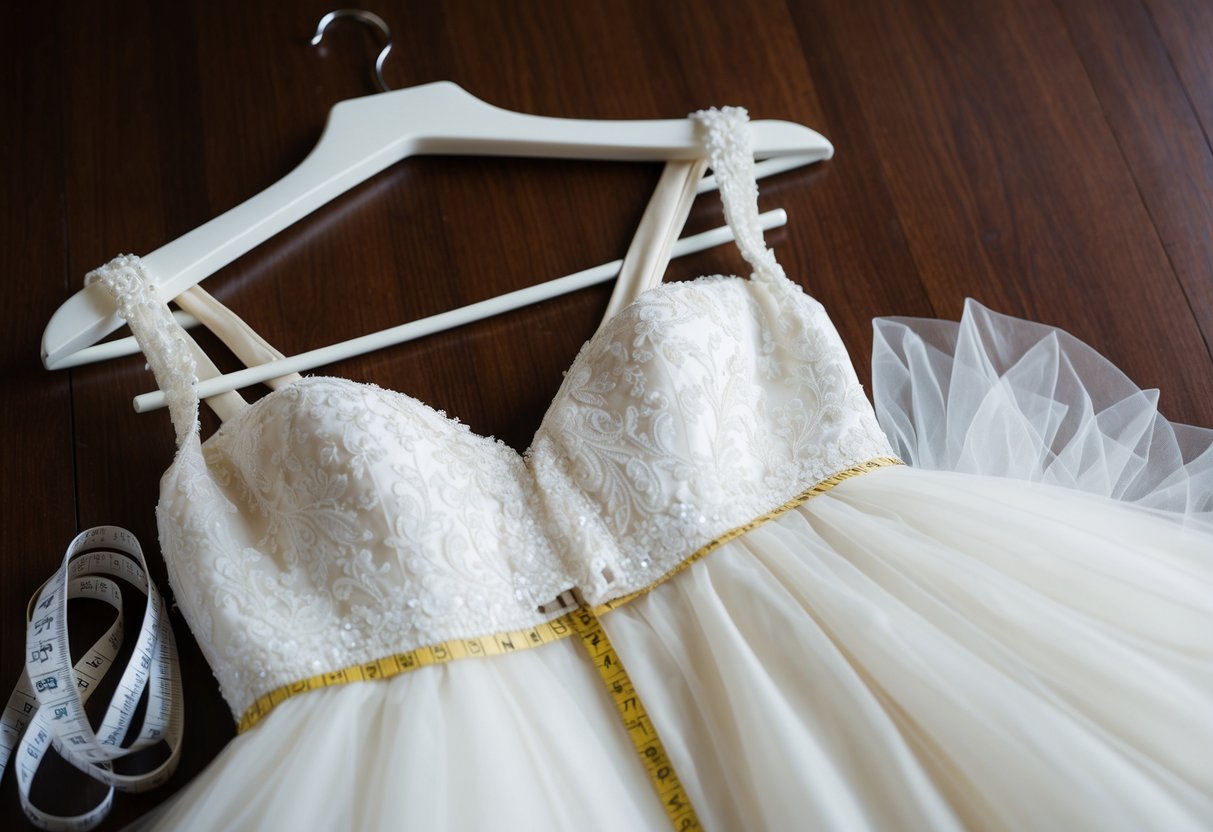
Getting ready for your bridal appointment is an exciting step in your wedding journey. You’ll want to ensure you have everything you need to make the most of your time with the bridal stylist. Here are some important aspects to consider.
What to Bring to Your Appointment
When heading to your appointment, it’s essential to bring a few key items. First, wear comfortable clothes. This makes it easy to try on dresses without feeling restricted.
Additionally, bring any accessories you plan to use, like shoes or jewelry. Showing these items can help you see the full picture when you try on dresses.
It’s also a good idea to bring a list of questions or specific styles you want to discuss. This will help your bridal stylist provide the best options for you.
Choosing the Right Undergarments
Wearing the right undergarments can make a significant difference when trying on wedding dresses. Opt for a strapless bra or a seamless style that offers support without visible lines.
If you plan to wear a corset, consider bringing it with you. Corsets can help you find the fit that flatters your shape best.
Also, think about shapewear. It can enhance your dress’s overall look, making your experience more enjoyable. Remember, the right undergarments will help you visualize how the dress will fit on your big day.
Communicating with Your Bridal Stylist
Communication with your bridal stylist is key to finding your perfect dress. Be clear about your budget, preferences, and any styles you love or dislike.
Let them know about any concerns you have, especially regarding sizing. If you’re wondering why your wedding dress size might seem larger, this information can help.
Don’t hesitate to ask questions or seek their advice on styles that would suit your body type. A good stylist will guide you through the process, ensuring that you feel comfortable and confident in your choices. Your feedback is valuable, so share your thoughts during the appointment for the best outcome.
Navigating Wedding Dress Alterations
Getting your wedding dress altered can feel overwhelming, but it is an essential step for achieving the perfect fit. Understanding the alteration process, finding skilled seamstresses, and ensuring your gown fits beautifully on your big day are crucial steps in this journey.
The Alteration Process Explained
The alteration process typically begins when you try on your dress for the first time. You’ll want to check areas like the bust, waist, and length. A skilled seamstress can adjust these sections to ensure your gown hugs your body comfortably.
Common alterations include:
- Bust adjustments: Making sure the bodice fits well.
- Waist tightening: Ensuring the waistline is secure and flattering.
- Length alterations: Shortening or lengthening the hem based on your height and shoes.
Discuss these details with your tailor to make sure they understand your vision for your wedding day.
Finding Skilled Seamstresses
Finding the right seamstress is vital to making your wedding dress alterations successful. Look for recommendations from friends or bridal shops. Online reviews can also guide your choice.
Ask potential seamstresses about their experience with wedding dress alterations. Do they work with various fabrics and styles? A good seamstress will listen to your needs and may even suggest creative solutions.
Remember, booking your fittings well in advance helps ensure plenty of time for adjustments. Don’t hesitate to schedule multiple fittings to get the best results.
Ensuring a Perfect Fit for Your Big Day
A perfect fit is essential for both comfort and confidence on your wedding day. During fittings, wear the shoes and undergarments you plan to use on the big day. This helps your seamstress make precise adjustments.
Gown fitting usually requires at least two appointments. The first ensures the overall fit, while the second finalizes details like hem length and any last-minute tweaks.
Communication is key. Ensure you express your preferences and any concerns during fittings. This collaboration will help you feel stunning as you walk down the aisle.
Different Dress Styles and Size Implications
The style of your wedding dress can have a big impact on the size you need and how well it fits. Different designs, from ball gowns to fitted dresses, each come with their own sizing challenges and considerations. Understanding these differences can help you choose the right size and make your bridal shopping experience smoother.
Ball Gowns and Sizing Considerations
Ball gowns are known for their full skirts and structured bodices. Because of this volume, you may find that you need a larger size than expected. The waist measurement is critical, especially since many ball gowns have a corset or structured support.
When trying on a ball gown, ensure that the bodice fits snugly. The skirt will usually have extra fabric, allowing for a comfortable fit at the hips. Don’t forget to check how the dress feels when you move. A well-fitting ball gown should allow for free movement, balancing structure with comfort.
Fitted Dresses and Size Adjustments
Fitted dresses, like mermaid or sheath styles, hug your body closely. This means that your actual size can vary more than in other styles. Often, you may need to size up to accommodate your curves in the right areas.
It’s essential to consider the bust, waist, and hip measurements here. A fitted dress will typically require more precise sizing, so don’t hesitate to consult with your bridal salon about size adjustments. Having a fitting done can make all the difference in achieving that perfect silhouette.
How Dress Styles Affect Sizing and Alterations
Different dress styles also affect how much alteration work is needed. Ball gowns may require less alteration since their fullness allows for some flexibility. On the other hand, fitted dresses often need significant changes for a tailored look.
Each designer might have their own sizing chart, so be prepared for variations. It’s a good idea to bring your personal measurements when shopping.
Work closely with your bridal consultant to determine the best style and size that flatters your figure. This teamwork will ensure that your wedding dress fits you beautifully on your big day.