
Why Is My White Gold Wedding Ring Turning Yellow? Understanding the Common Causes and Solutions
Noticing your white gold wedding ring turning yellow can be concerning. This common issue happens because the rhodium plating that gives white gold its bright shine wears away over time. Factors like skin oils, exposure to chemicals, and everyday wear can speed up this process, leading to the yellowing of your ring.
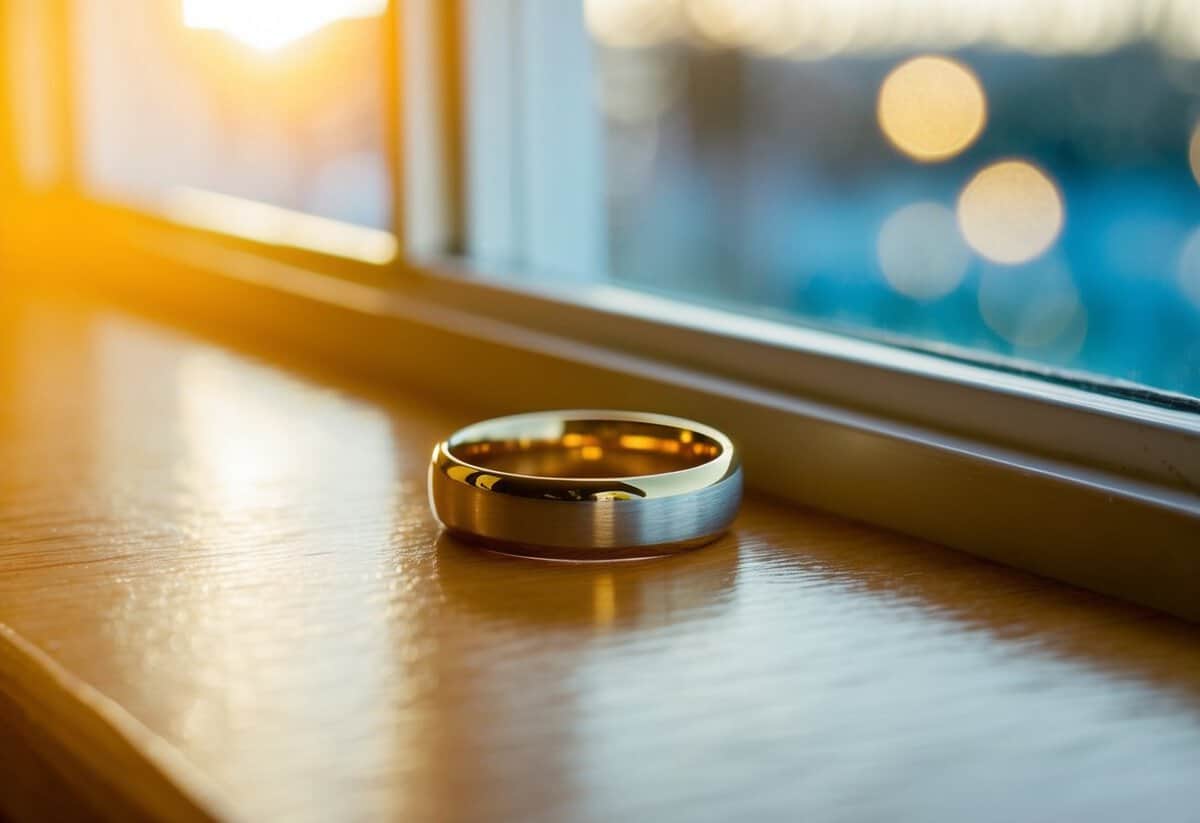
Many people love white gold for its elegant look, but it requires some care to maintain its brilliance. If your ring has begun to change color, you’re not alone. Understanding why this happens can help you take steps to prevent it in the future.
In this article, we will explore the reasons behind your white gold ring’s yellowing and offer effective solutions to restore its beautiful shine. By the end, you’ll know how to keep your ring looking its best for years to come.
Understanding White Gold and Its Composition
White gold is a popular choice for wedding rings due to its elegant appearance. This metal is not pure gold; instead, it is an alloy made with other metals. Understanding its composition helps explain why your ring might turn yellow over time.
What Makes White Gold Different?
White gold differs from traditional yellow gold mainly because of its alloy composition. While yellow gold is made primarily of pure gold, white gold combines gold with other metals to achieve its lighter hue. The interplay of these metals changes the color and durability of the alloy.
Typically, white gold has a silver-like appearance thanks to metals like nickel, palladium, or zinc mixed with gold. Each metal contributes its properties, making white gold more sturdy than yellow gold alone. This added strength is particularly valuable for daily wear, such as wedding rings.
Common Alloys in White Gold
In white gold alloys, each metal serves a purpose. Nickel is often used due to its durability and affordability, but some people have allergies to it. Meanwhile, palladium is a higher-end option that provides a brighter finish and is hypoallergenic. Lastly, zinc is added as a stabilizer in the alloy, enhancing strength and ductility.
The specific blend of these metals changes the ring’s appearance, hardness, and resistance to scratches. For instance, a higher nickel content will yield a stronger metal, while more palladium results in a paler color. Choosing the right blend can influence how your ring looks and lasts.
Role of Rhodium in White Gold Jewelry
Rhodium plating is common in white gold jewelry. This process involves coating the white gold with a thin layer of rhodium, a metal known for its shiny appearance and resistance to tarnish. This layer enhances the ring’s brightness and protects against scratches.
However, rhodium plating is not permanent. Over time, the plating can wear away, exposing the underlying alloy, which may have a yellowish hue due to the gold content. If your white gold ring starts looking dull or yellow, it might be time for a re-plating to restore that brilliant shine. Regular maintenance can keep your jewelry sparkling for years.
Causes of Discoloration in White Gold Rings
White gold rings can turn yellow for several reasons. Understanding these causes can help you take better care of your jewelry. Here are the main factors behind the discoloration of your ring.
Natural Oxidation and Tarnishing
White gold is an alloy, usually made from gold and metals like palladium or nickel. Over time, these metals can oxidize, leading to tarnishing. This natural process occurs as your ring comes into contact with air and moisture.
Oxidation can produce a yellow or dull hue on the surface. If you notice this change, it’s often just the rhodium plating wearing off. Re-plating with rhodium can restore the bright, shiny look of your ring.
Effects of Wear and Tear on White Gold Rings
Everyday wear can affect your ring’s appearance. Your body chemistry plays a big role; the oils and sweat from your skin can cause wear. Areas that rest against your skin, such as the inside of a ring, may tarnish more quickly.
When the ring rubs against surfaces or other jewelry, it can lead to scratches. These scratches can accumulate dirt and oils, making discoloration even more noticeable. Regular maintenance, including cleaning and polishing, can help keep your ring looking new.
Influence of Chemical Reactions on Jewelry
Chemicals in lotions, soaps, and cleaning products can react with white gold. Substances like chlorine, often found in swimming pools, are particularly harmful. These chemicals can wear down the rhodium plating and expose the alloy beneath.
Body lotions or skin products can also contribute to discoloration over time. It’s essential to remove your ring when using cleaning supplies or swimming to prevent these chemical reactions. A little care can go a long way in protecting your precious jewelry.
Maintenance and Care for White Gold Jewelry
Taking proper care of your white gold jewelry is essential to keep it looking beautiful and shiny. Regular cleaning and maintenance can help prevent your white gold from turning yellow. Here is how you can best care for your white gold wedding ring.
Routine Cleaning Tips
To maintain the shine of your rhodium-plated white gold ring, start with routine cleaning. Mix a few drops of mild dish soap with warm water. Use a soft-bristled brush to gently scrub the ring, paying attention to any crevices.
After cleaning, rinse the ring in warm water to remove any soap residue. Always pat it dry with a soft cloth rather than rubbing it, as this helps avoid scratching the surface. Aim to clean your ring every couple of weeks, especially if you wear it daily.
Professional Rhodium Re-plating
Over time, the rhodium plating on your white gold ring can wear away. This can lead to a yellowing appearance. To maintain that bright white look, consider professional rhodium re-plating every 1 to 2 years.
This process involves applying a new layer of rhodium to enhance the ring’s shine and color. Seek a skilled jeweler to do this job, ensuring you get the best results. Re-plating not only restores the ring’s beauty but also protects it from further tarnishing.
Preventive Measures to Avoid Discoloration
You can take several steps to prevent white gold from turning yellow. First, remove your ring when doing chores or using harsh chemicals. Prolonged exposure can damage the plating.
Store your jewelry in a cool, dry place, away from other pieces to avoid scratches. Regular maintenance is key. Making sure to get your rings cleaned by a professional will keep them looking their best for years to come. By following these simple tips, you can enjoy your white gold jewelry while keeping its luster intact.
Selecting the Right White Gold for You
Choosing the right white gold involves understanding its properties compared to other metals. You should also consider the karat grade, which impacts durability and appearance. Here are some key points to think about.
Comparison with Other Precious Metals
When selecting white gold, it’s helpful to compare it with other metals like platinum and palladium.
- Platinum is naturally white, heavier, and very durable, making it a great choice if you want a lasting piece.
- Palladium is also hypoallergenic and lightweight, often used in white gold alloys, keeping costs lower without sacrificing quality.
Gold Alloys: White gold is made by mixing yellow gold with other metals like nickel or palladium. This gives white gold its bright color and durability, but it can tarnish over time.
Additionally, consider rose gold and yellow gold for a different look. Each has its own unique charm and style, which may resonate more with you.
Understanding Karat Grades and Durability
Karat grade measures the purity of gold. The most common options for jewelry are 10K, 14K, and 18K.
- 10K has 41.7% gold and is the most durable but has a less rich gold color.
- 14K contains 58.3% gold, balancing durability and appearance well, making it a popular choice for rings.
- 18K is 75% gold, offering a richer color but is softer and more prone to scratches.
Consider your lifestyle; if you wear your jewelry daily, a lower karat may better withstand natural wear and tear. High-karat pieces like 24K gold are softer and can tarnish more easily, so they require more care.