
Why is Ordination Special? Understanding Its Significance and Meaning
Ordination is a significant event in the life of a believer and in the church community. It marks the moment when individuals are officially recognized and set apart for ministry.
This sacred rite not only symbolizes a person’s commitment to serve others but also their dedication to fulfilling a divine calling in the church.
You may wonder why this moment is so special. It’s not just a ceremony; it represents a deeper connection to your faith and the responsibilities that come with leading others. Through ordination, you acknowledge the importance of accountability and the powerful role of spiritual guidance in your community.
As you explore this topic, you’ll see how ordination shapes the ministry and fosters a spirit of service among its leaders. Understanding its significance may inspire you to reflect on your own journey of faith and the ways you can contribute to your church.
The Significance of Ordination in Christianity
Ordination holds deep meaning in Christianity, marking the moment when individuals are set apart for service in various roles. It connects historical traditions with the authority given by Christ and emphasizes the importance of the Holy Spirit in ministry.
Historical Context and Biblical References
Ordination has roots in both the Old and New Testaments. In Acts 6:1-6, the apostles ordained deacons to assist in ministry. This act shows the church’s commitment to service. The laying on of hands, a significant part of the ordination process, symbolizes the transfer of authority and the presence of the Holy Spirit.
Ordination also connects to apostolic succession, where leaders maintain continuity in ministry. This historical practice underscores the significance of each ordained person. They inherit the mission to spread Christ’s teachings and serve their communities.
The Role of Ordination in Church Leadership
In church leadership, ordination sets apart ministers, bishops, and priests for specific responsibilities. It grants them the spiritual authority to perform sacraments and lead worship. This authority is essential for fostering strong faith communities.
You might notice ordained leaders provide guidance and support. Through their training and calling, they are equipped to handle challenges within the church. Their roles are not just about authority but also about serving others and nurturing their spiritual growth.
Ordination as a Sacrament and a Vocation
For many, ordination is both a sacrament and a vocation. As a sacrament, it represents a sacred commitment to God and the church community. This act signifies that the ordained person is dedicated to service and is blessed by the Holy Spirit.
As a vocation, ordination is a calling that demands dedication and devotion. Those who are ordained strive to embody Christ’s teachings in their daily lives. They engage in community service, support their congregations, and spread the message of love and hope. Their commitment helps strengthen faith among church members and honors the tradition of service in Christianity.
The Ordination Ceremony
The ordination ceremony is a meaningful event in the life of the church. It involves unique rituals that highlight the significance of the calling and the role of the community in affirmation.
Rituals and Symbolism
During the ordination ceremony, specific rituals showcase important spiritual truths. One key element is washing. This act symbolizes purification, representing the spiritual cleanliness required for ministry.
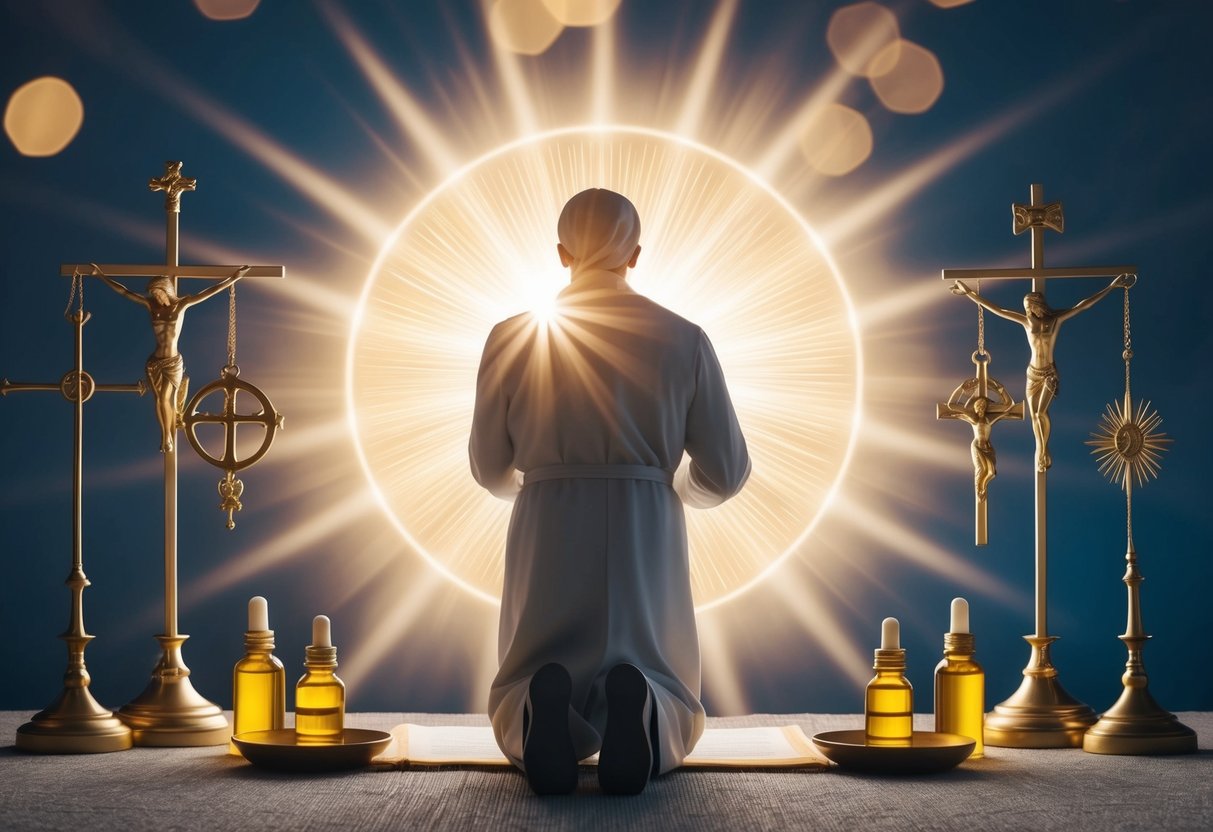
Another important ritual is anointing with oil. This act signifies empowerment and the special grace bestowed on the individual. It reflects how God equips the ordained for their tasks.
Prayer plays a central role as well. The community gathers to pray for the individual being ordained, inviting the Holy Spirit to guide and empower them. This collective support emphasizes the communal aspect of ordination and reinforces the public affirmation of the individual’s commitment to serve.
Laying on of Hands and the Holy Spirit’s Role
The laying on of hands is a powerful part of the ceremony. Through this act, others physically affirm their support. It symbolizes the transfer of spiritual authority and strength.
It highlights the indelible spiritual character imparted during ordination. This character remains with the individual forever, marking them for service.
The role of the Holy Spirit is essential during this time. The community calls upon the Spirit to descend upon the one being ordained. This invocation emphasizes the belief that the individual is not alone in their ministry. They are empowered to fulfill their responsibilities with divine assistance.
Ordination and Community
Ordination is not just a personal milestone; it deeply connects the ordained individual with the community. This bond helps strengthen the entire body of Christ, encouraging unity and service among believers. Here’s how these connections are formed and the impact they have on the church.
The Connection Between the Ordained and the Community
When someone is ordained, it signifies a special recognition by the community. This public acknowledgment affirms that the individual is called to serve in a leadership role. This process reflects a commitment to serve others and uphold biblical principles.
Ordination engages the entire community in this act. It shows that ministry is a collective effort and not a solo journey. You become part of a larger mission, embodying grace and support from fellow believers. The community also plays a vital role in helping the ordained stay accountable to their calling.
The Impact of Ordination on Unity and Service
Ordination promotes unity within the body of Christ. It reminds everyone that each member has a unique role to play, much like the apostles did in their day. When leaders are recognized and set apart, it strengthens the framework for collaborative service.
This recognition brings the community together, allowing for shared goals and endeavors. The ordained are equipped to lead by example, inspiring others to use their gifts. As they serve, they foster a spirit of cooperation and dedication, ensuring everyone feels valued and part of something greater.
The Ongoing Journey of Ordained Ministry
Ordained ministry is not just a starting point; it’s a path filled with growth, learning, and deepening faith. As you walk this journey, you’ll find that your role demands ongoing education and personal development, which enrich your service and leadership.
Lifelong Learning and Theological Education
In ordained ministry, lifelong learning is essential. You may engage in various forms of theological education to deepen your understanding of scripture and doctrine.
Courses on spiritual gifts help you identify how best to serve your community.
Attending workshops, lectures, and retreats can provide fresh insights and perspectives. These opportunities allow you to connect with others in ministry, fostering essential leadership skills.
Staying informed about current issues in faith and society ensures you lead effectively and compassionately.
Regular reading and studying not only enhance your knowledge but also sharpen your ability to guide your congregation. Remember, education isn’t just academic; it’s spiritual and practical too. Embrace each experience as a chance to grow.
Personal and Spiritual Growth
Your journey in ordained ministry requires a commitment to personal and spiritual growth. Reflect on your conversion experience and recognize how it shapes your service. Engaging in prayer and spiritual practices helps cultivate a deeper connection with God.
Humility is vital in this journey. Acknowledge your limitations and seek God’s assistance as you navigate challenges. Be open to feedback and allow others to support your development. This attitude fosters a community of trust and respect.
As you grow, consider how sanctification plays a role. It is about being made more like Christ. Strive to embody the qualities of compassion, patience, and grace in your ministry. This ongoing transformation not only nurtures your spirit but also impacts those you serve.