
Why is the Bride Always on the Right Side? Unpacking Wedding Traditions
When you think about wedding traditions, you may wonder why the bride traditionally stands on the right side of the altar. This custom dates back to the times of chivalry. People believed that the groom needed to defend his bride from any potential threats, so he stood on the right side with his sword hand free.
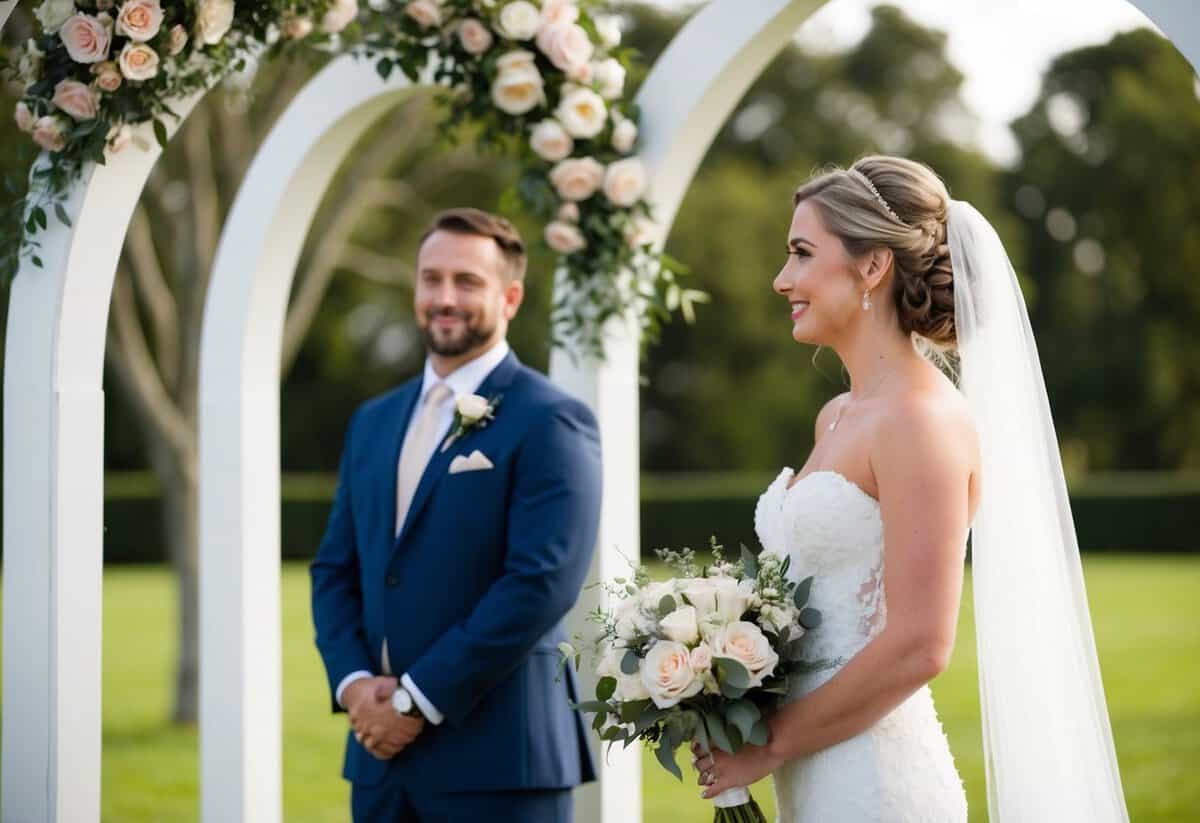
Over the years, this practice has become a staple in modern weddings, even if many couples don’t consider the historical significance. You might find it interesting that some couples today prefer to challenge tradition and place the bride on the left or even in the center, symbolizing equality in their partnership.
Exploring the meaning behind where the bride and groom stand can reveal a lot about evolving wedding customs and how modern couples interpret these traditions. Understanding these choices can help you appreciate the ceremony’s personal touch while still honoring those age-old customs.
Historical Origins of Wedding Traditions
Wedding traditions have deep roots that often stem from historical practices. Understanding these origins can shed light on why certain customs, like the positioning of the bride, have endured over time.
Marriage by Capture and Its Impact
In ancient times, marriage often involved a practice known as marriage by capture. This tradition meant that a groom would take his bride from her family, sometimes by force. The act of taking was often violent, leading to the need for the groom to guard his bride closely during the ceremony.
During this period, brides were often placed on the left side of the altar. This positioning allowed the groom to protect her from potential threats. By standing on the left, he kept his sword hand free, making it easier for him to defend her if necessary.
Sword-Fighting and the Role of the Best Man
The Middle Ages saw another layer added to wedding traditions, specifically around the idea of sword-fighting. Grooms carried swords as a part of their attire, which made it important for them to be prepared for any challenges.
The best man also played a key role in these ceremonies. He stood beside the groom, ready to assist in case of trouble. This custom reinforced the idea that the bride’s safety was paramount. Today, while weddings are no longer about conflict, the tradition of positioning still reflects those historical concerns.
Cultural Significance in Seating and Standing
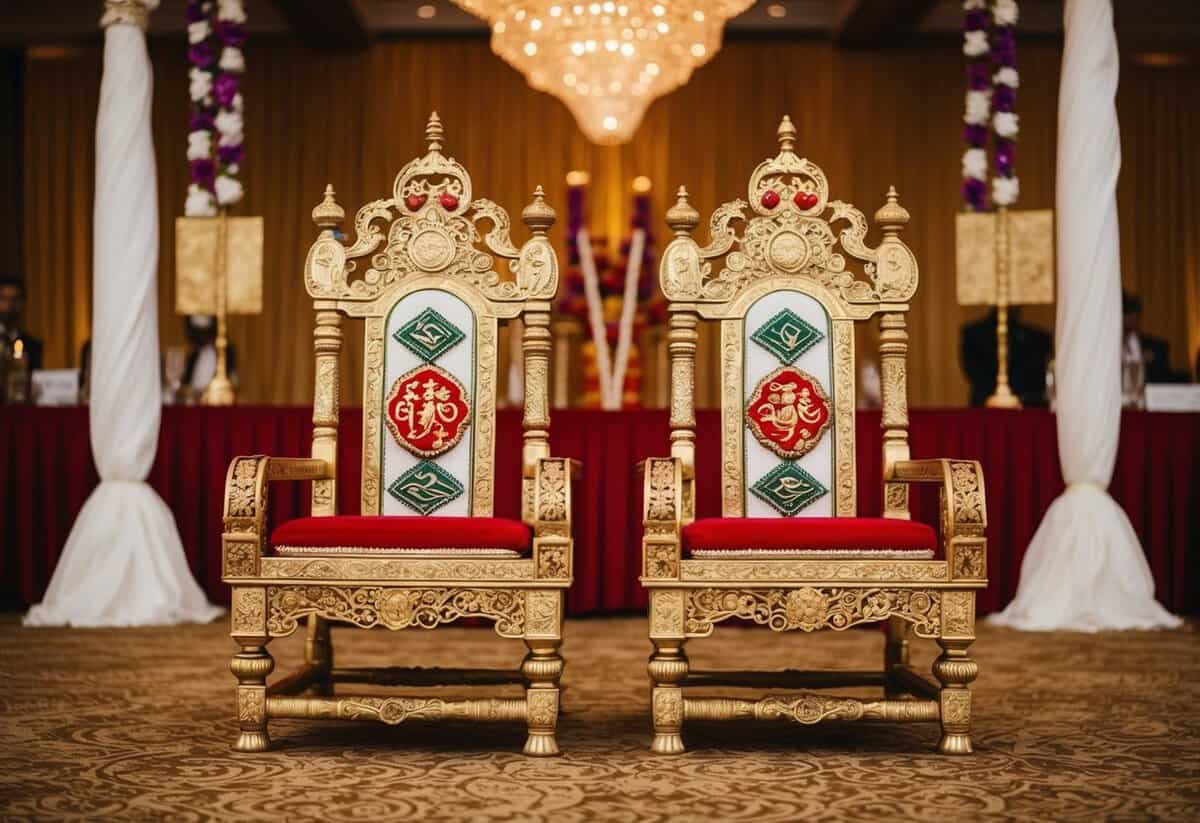
The seating and standing arrangements during weddings can vary significantly across different cultures. Each tradition carries its own meanings and practices that reflect the values of that culture. Here are some insights into how these customs play out in Jewish, Hindu, and Catholic weddings.
Jewish Wedding Customs and Altar Placement
In Jewish weddings, the bride typically stands beneath the chuppah, which is a canopy symbolizing the couple’s new home. During the ceremony, the bride often stands to the right of the groom. This placement has roots in tradition, where the groom’s position represents leadership. Family and friends may stand or sit according to their relationship to the couple, emphasizing community support. Guests are usually divided by family lines. This arrangement highlights the significance of family unity and the coming together of two families.
Hindu Wedding Rituals and the Bride’s Side
In Hindu weddings, the seating arrangement reflects family roles and responsibility. The bride often sits on the left during the pheras, which are seven sacred vows taken around a fire. Her husband typically stands to her right, symbolizing support and partnership. The bride’s family is honored with prominent seating arrangements, signaling their important role in the marriage. Furthermore, the mandap, or wedding altar, is decorated beautifully to represent the couple’s new life together. This setting emphasizes family ties and is filled with rituals that honor both sides of the family.
Catholic Wedding Processions and Seating
In Catholic weddings, the bride traditionally walks down the aisle on the left. During Mass, she stands beside the groom, who remains on the right. This alignment signifies balance and companionship. Guests are usually seated with the bride’s family on the left and the groom’s family on the right. The sweetheart table, where the couple sits during the reception, often follows suit with the bride and groom seated together. This arrangement reflects the unity of their families and encourages a harmonious celebration.
Modern Interpretations and Personal Choices
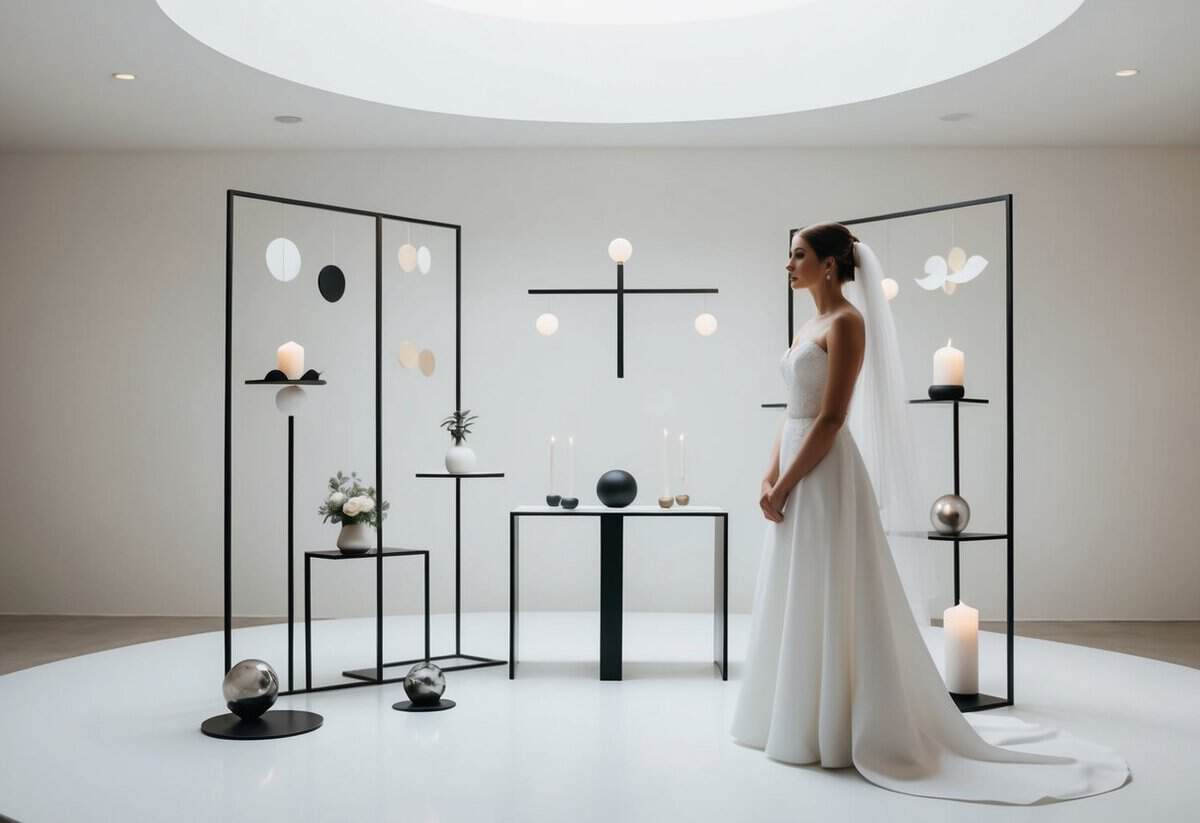
Weddings today reflect personal stories and choices. Many couples are moving beyond traditional customs to create their unique ceremonies. This flexibility allows for a variety of arrangements based on personal preferences and identities.
Personalization in Contemporary Weddings
You have the freedom to personalize your wedding in many ways. Some couples choose to keep the traditional arrangement of the bride standing on the left side. Others may switch places or even stand side by side.
In these modern weddings, the focus is on what feels right for you. Personal touches, such as incorporating favorite songs or themes, can also transform your ceremony. This personalization helps create a setting that truly represents your relationship.
Inclusion and Variations for Same-Sex Couples
Same-sex couples often break from traditional gender roles during their ceremonies. You might decide that both partners should stand on the left or right, based on personal preference rather than tradition.
This shift allows for equality, showing that both partners are equally important. In this way, the ceremony reflects the partnership rather than adhering to past norms. It’s about what feels authentic to your love story.
Outdoor and Unconventional Wedding Setups
Outdoor weddings and unique venues invite more flexibility in ceremony designs. In a garden or on a beach, you can choose where to stand in a way that suits the space.
In a natural setting, you may feel inspired to adopt a layout that feels more relaxed. You might face your guests during the vows or stand in a circle with your officiant. This approach lets the couple’s comfort and personality shine through, making your day truly special.