
Why Is the Groom Not Allowed to See the Bride? Exploring Wedding Traditions and Superstitions
Many people wonder why the groom is not allowed to see the bride before the wedding. The tradition stems from old superstitions, which suggest that it brings bad luck if the couple sees each other prior to the ceremony. This practice has been passed down through generations and is still celebrated by many couples today.
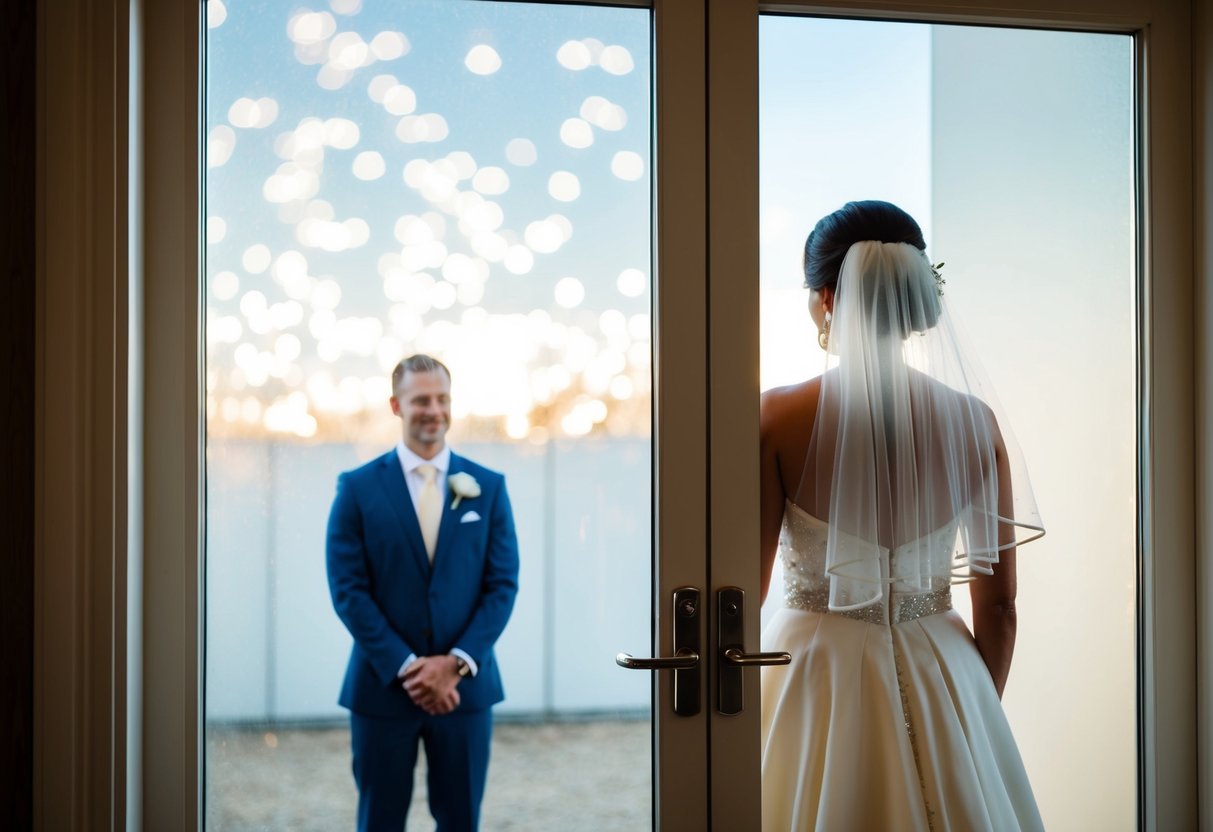
On your big day, the emotional moment of seeing each other in your wedding attire for the first time adds to the specialness of the occasion. This tradition not only builds anticipation but also creates a magical atmosphere that you and your guests will remember forever.
Understanding these customs can help you appreciate the rich history behind your wedding day. Whether you’re embracing this tradition or considering breaking it, knowing the reasons behind it can make your celebration even more meaningful.
Historical Origins of the Tradition
The tradition of the groom not seeing the bride before the wedding dates back many centuries. It has roots in times when arranged marriages were common. These marriages often involved families making deals rather than love.
During this period, it was seen as unlucky for the couple to see each other before the ceremony. This belief aimed to protect the bride’s family’s reputation and ensure the groom didn’t back out last minute.
The father of the bride played a crucial role in this custom. He wanted to guarantee that the marriage was solid and that his daughter would be respected. If the groom saw his bride beforehand, it might undermine the importance of the event.
In the past, marriages were often treated like business deals. The families wanted to maintain control over the situation. Keeping the bride hidden helped maintain the mystery and value of the marriage.
This practice has evolved, but many couples still follow it today. The tradition continues to influence wedding plans, showing how history shapes modern customs. Whenever you plan your wedding, think about how these historical beliefs affect what you choose to do.
Superstitions and Symbolism
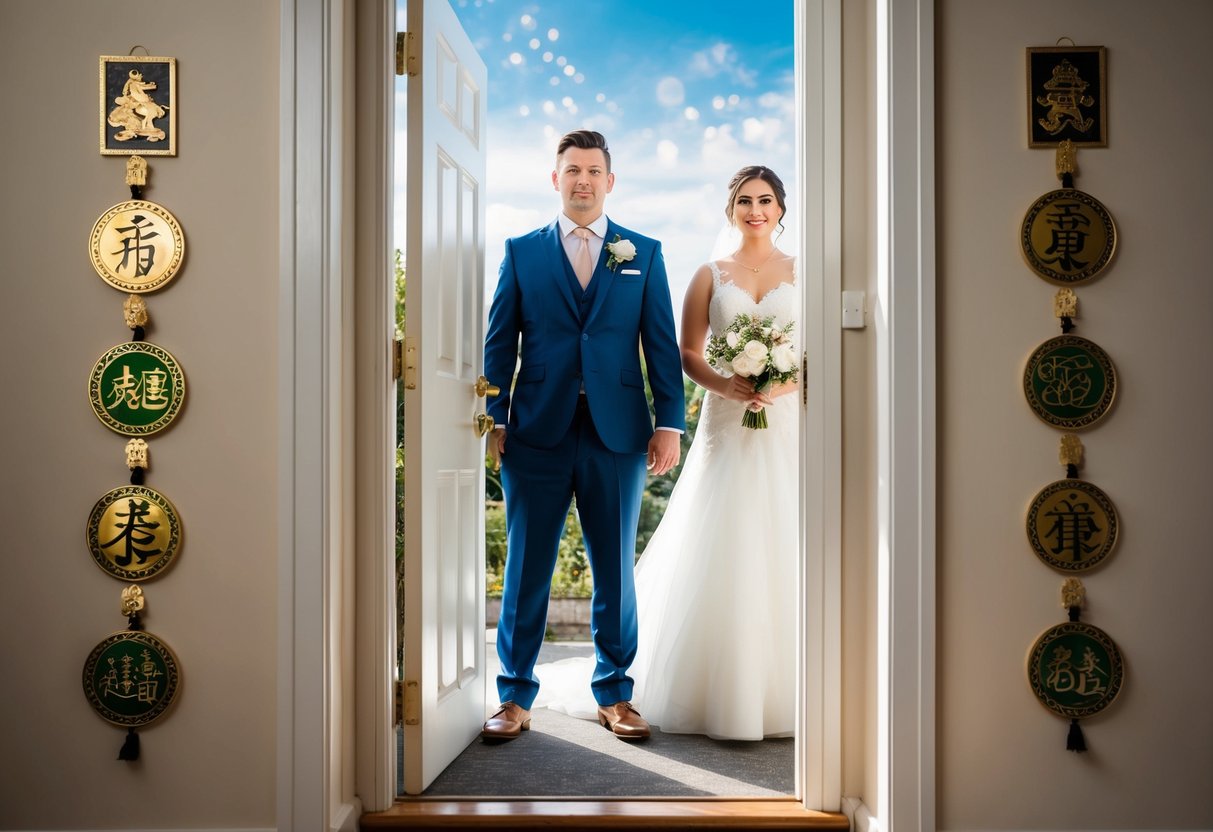
The idea that the groom should not see the bride before the ceremony is rooted in various superstitions. Many believe that seeing each other might bring bad luck. This tradition dates back to a time when arranged marriages were the norm.
In those days, families wanted to protect the wedding. They worried that if the groom saw the bride ahead of time, it might jinx the union. This belief has transformed over the years into a sweet symbol of anticipation.
Wedding Traditions often carry deep meanings. By keeping the couple apart, the moment they see each other at the altar becomes even more special. This separation builds excitement and emotion.
In some cultures, there’s also the fear that if the groom catches a glimpse of the bride, it might mean the wedding will be canceled. These feelings highlight the importance of tradition in weddings.
Another interesting belief is that if you break this tradition, you might invite negative energy into your marriage. Many people continue to follow these customs for comfort, connection, and celebration.
Remember, while these superstitions are fun, they also reflect the values of love and commitment that weddings symbolize. Embracing these traditions can make your big day even more memorable.
Modern Interpretations and Variations
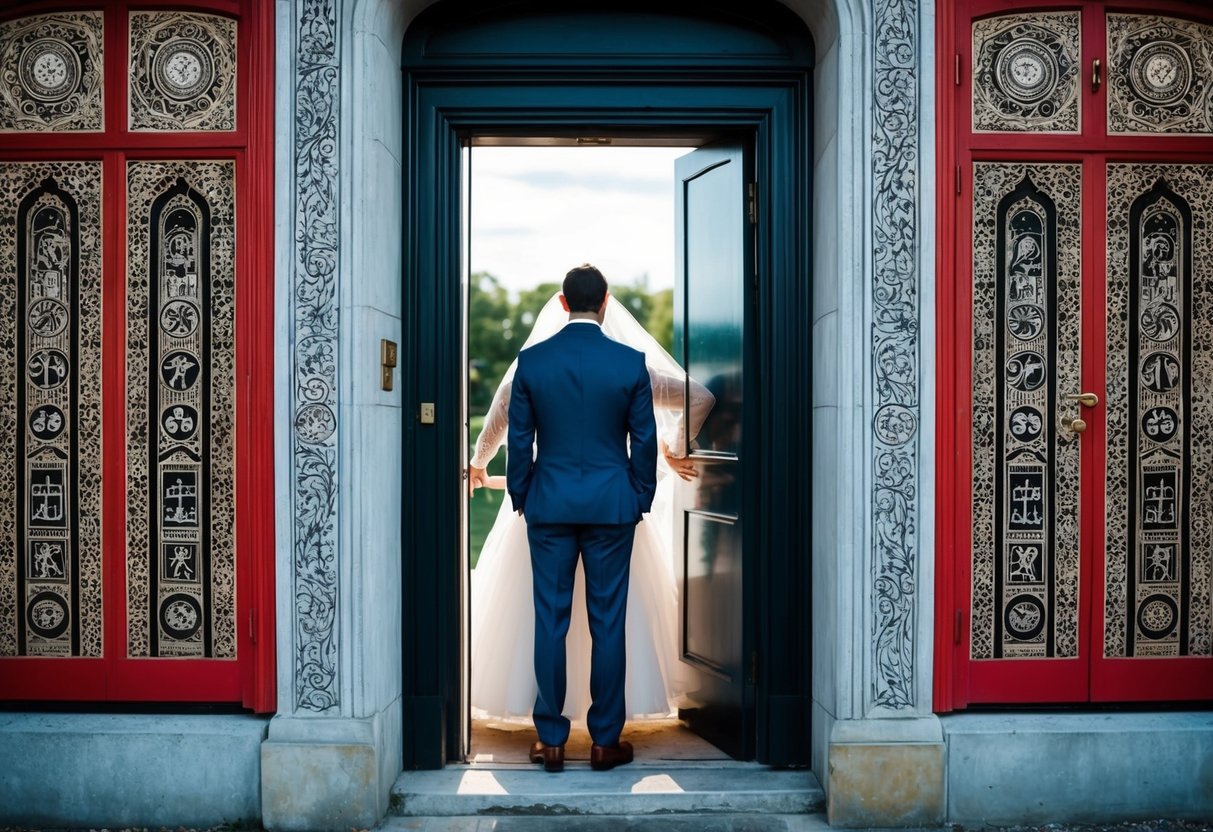
Today, many modern couples are rethinking the tradition of not seeing each other before the wedding. This shift includes new ideas like “First Look” moments and personalizing wedding ceremonies to fit individual tastes. These changes can add excitement and make the day even more special for you and your partner.
First Look Moments
First Look moments have become popular among modern couples. This is when you and your partner see each other before the ceremony in a private setting. This special reveal can be a heartfelt moment filled with anticipation and excitement.
Many couples find that a First Look helps calm pre-wedding nerves. It gives you time to enjoy each other before the hustle and bustle of the day begins. You can take photos together, creating beautiful memories that capture genuine reactions and emotions.
Wedding Ceremony Customization
Another way couples are embracing change is through customizing their wedding ceremonies. You can adapt traditions to fit your personal values and preferences.
For instance, some couples choose to incorporate cultural elements that are meaningful to them. Others might include unique rituals, like handfasting or unity ceremonies, that symbolize your bond.
This customization allows you to reflect your love story in your own way. It can make your event feel more personal and memorable, setting the stage for a unique celebration that truly represents both of you.
Cultural Impact on the Tradition
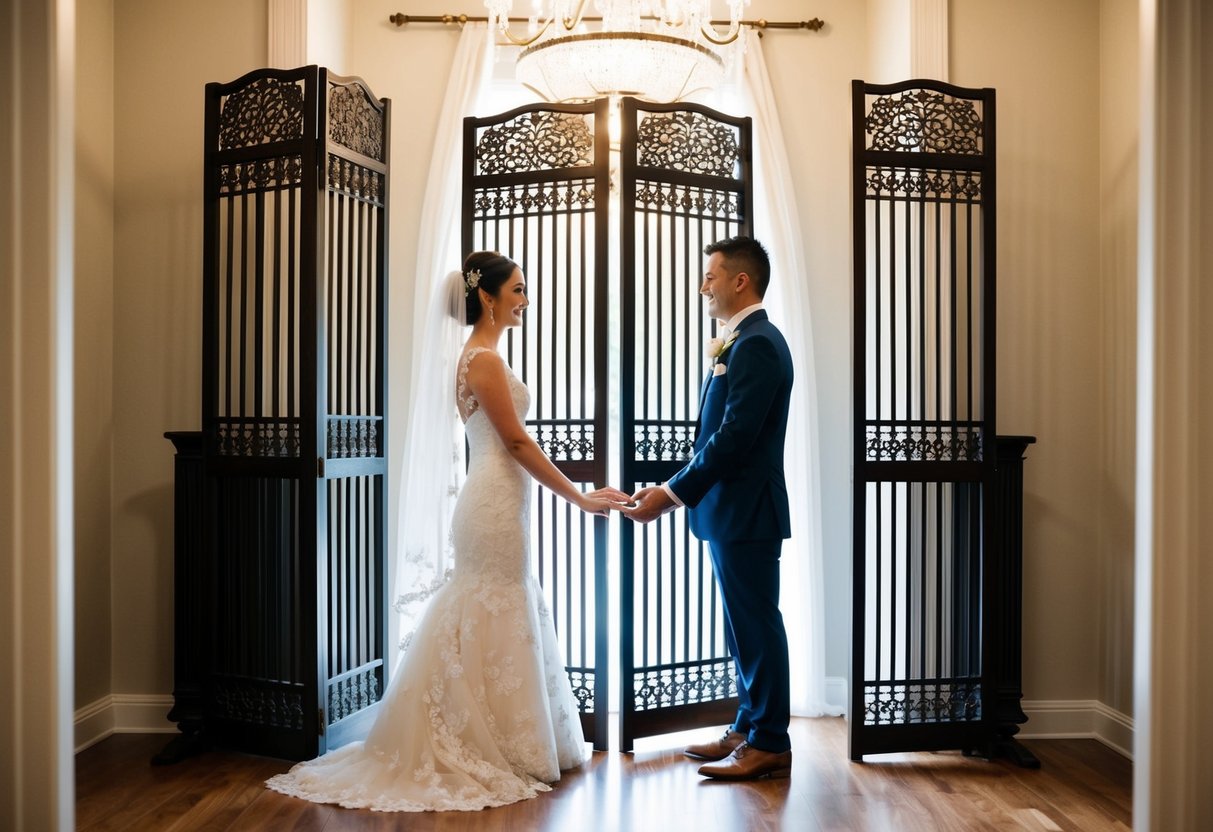
The tradition of the groom not seeing the bride before the wedding has deep cultural roots. Many cultures around the world have similar beliefs that add meaning to the ceremony.
In some societies, this practice symbolizes the mystery and anticipation of the wedding day. It builds excitement for both the bride and groom. Many couples appreciate these moments of suspense leading up to their vows.
Different regions have unique interpretations. For example, some cultures believe that seeing each other before the ceremony invites bad luck. This belief encourages couples to stick to the tradition, connecting them to their heritage.
Additionally, this custom can strengthen family bonds. Weddings are often seen as uniting two families, and respecting traditions can honor family values. This aspect can deepen the significance of the event for everyone involved.
The influence of media and pop culture has also shaped this tradition. Movies often portray the dramatic reveal of the bride in her dress, which reinforces the idea that the groom should wait. This can create a romantic image that many couples wish to emulate on their special day.