
Why Is the Wedding Cake So Important? Exploring Its Symbolism and Tradition
The wedding cake holds a special place in your celebration, symbolizing unity and good fortune for your marriage. This multi-tiered treat is more than just a dessert; it represents the joy of your wedding day and the sweetness of your new life together. As you and your partner cut the cake, it marks a memorable moment that is often surrounded by cheers and applause from your loved ones.
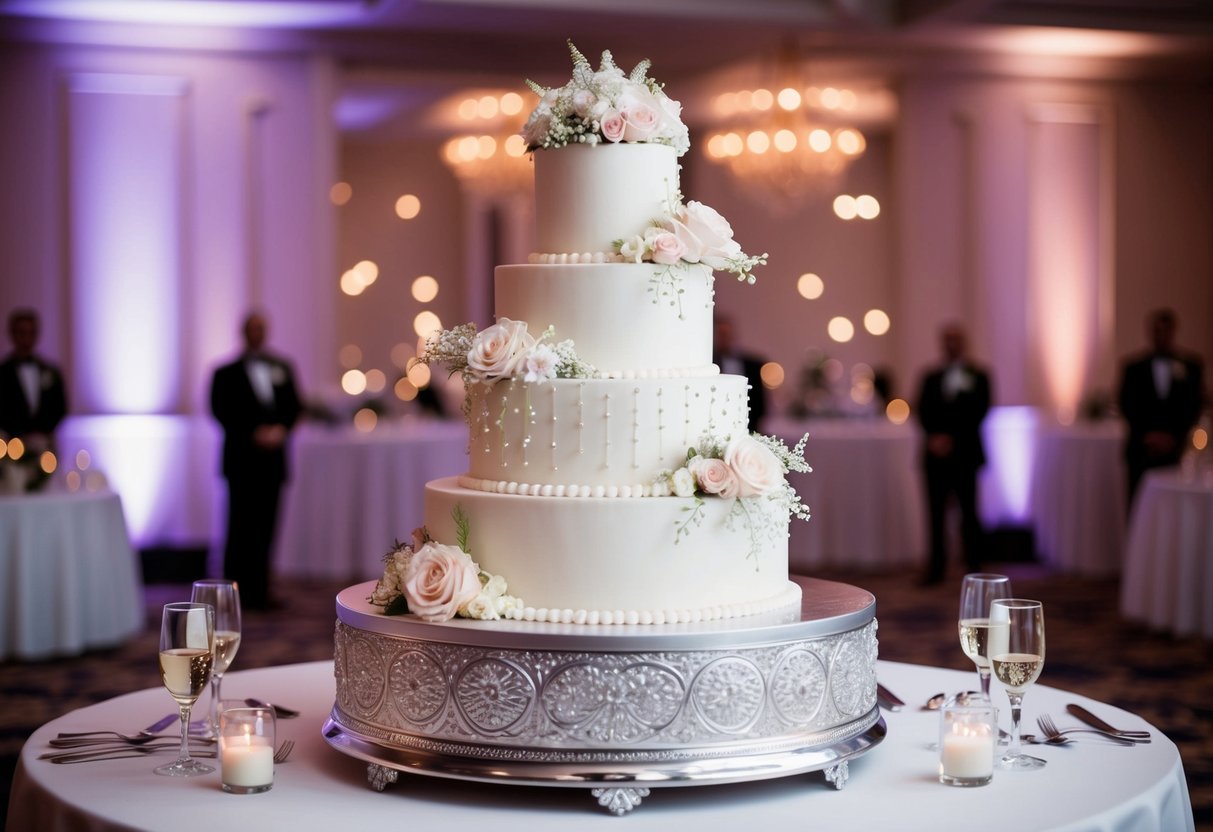
Traditions surrounding the wedding cake can add even more significance to this tasty centerpiece. From saving the top tier for your first anniversary to sharing pieces with family at special events, these customs connect you to the history of weddings and the promise of a lasting commitment. Each slice shared during your celebration promotes bonding and joy, making the cake a delightful focal point on your special day.
Understanding the importance of the wedding cake can heighten its value as an integral part of your ceremony. You’ll discover that this sweet symbol creates lasting memories and emphasizes the love shared with friends and family. So, as you plan your wedding, consider how your cake can reflect your unique story and tradition.
The Symbolism of the Wedding Cake
The wedding cake is not just a tasty treat; it holds deep meanings that celebrate love and union. From its tiers to its icing, each part reflects hopes for prosperity and happiness in your marriage.
A Symbol of Prosperity and Good Fortune
The wedding cake traditionally symbolizes prosperity and good fortune. When you slice into this sweet masterpiece, you are also sharing your wishes for a happy life together.
In earlier times, cakes were seen as a sign of fertility. The ingredients used, like wheat and sugar, represented abundance. As you enjoy the cake on your special day, think of it as a blessing for wealth and joy in your relationship.
Sharing the cake with guests means inviting them to witness your joy and share in your good fortune. It’s a way to spread happiness among friends and family as you begin your new life together.
Layers of Meaning in Tiered Cakes
The tiered wedding cake is a beautiful tradition with layered meanings. Each tier represents different aspects of your life together, from small beginnings to a fully blossomed union.
The white icing on the cake symbolizes purity and innocence, capturing the essence of your love. This classic look is not just for decoration; it reflects your commitment to each other.
When you cut the wedding cake, it signifies the first act as a married couple. It’s a moment filled with joy and anticipation for what lies ahead. Sharing the first slice is a sweet gesture, symbolizing unity in your marriage and the start of your journey together.
Wedding Cake Traditions and Ceremonies
The wedding cake holds a special place in ceremonies due to its rich traditions. From the cake cutting moment to sharing bites, each act is filled with meaning and joy. Explore these cherished customs to appreciate their significance in your celebration.
Cake Cutting Ceremony Significance
The cake cutting ceremony is more than just a sweet moment. It symbolizes the couple’s first act together as a married pair. You both hold the knife, representing unity and teamwork.
Traditionally, the bride and groom cut the cake together. This act may also serve as a photo opportunity, capturing the joy of the event. In many cultures, the cake is a sign of prosperity and good luck, bringing blessings to the couple’s future.
Sharing the First Bite
Sharing the first bite of wedding cake is a playful and loving gesture. It shows how you both care for one another. This moment often leads to laughs, especially if a bit of frosting ends up on your noses!
This tradition also represents support and nourishment in your marriage. Feeding each other signifies commitment and mutual respect, reminding you both of the importance of caring for one another in your journey together.
The Charm of Wedding Cake Charms
Wedding cake charms add a fun twist to your cake celebration. These small tokens can be hidden within the cake, with each guest receiving a slice. The charms have various meanings and symbolize different blessings for the future.
For example, a charm representing money may signal wealth, while a heart charm symbolizes love. This tradition often reflects your hopes and dreams. Guests enjoy discovering their charms, adding an interactive element to the cake-cutting experience.
The Cake’s Role in the Reception
The wedding cake plays a significant part in the reception. It not only serves as a tasty dessert but also acts as a visual centerpiece and builds excitement among your guests.
Centerpiece of the Wedding Reception
Your wedding cake is often the focal point of the reception. Its design can reflect your love story, colors, and theme. Ideally, the cake is placed in a prominent spot, where everyone can admire it.
Many couples choose elaborate decorations that match their wedding style. From elegant tiers to fresh flowers, every detail adds to its beauty. This stunning centerpiece draws guests in and invites them to gather around.
As you cut the cake, this moment becomes part of the wedding festivities. Guests are often eager to take photos, creating lasting memories.
Guests’ Anticipation for the Dessert
Dessert is a highlight for many guests at a wedding reception. The wedding cake often stirs excitement as the moment draws near.
You might notice your friends and family looking forward to this sweet treat. Cake cutting usually comes after dinner, building anticipation.
The flavor of the cake matters, too. Choosing a popular flavor can keep guests happy. You might even consider providing a tasting bar with different flavors to please everyone.
When the time comes, guests gather around, waiting eagerly for their slice. The joy of sharing dessert with friends and family adds to the celebration, making it even sweeter.
Evolution of Wedding Cake Styles
The evolution of wedding cake styles reflects changing traditions and personal preferences. It ranges from ancient customs to modern designs that reflect individuality. Here’s a closer look at this sweet journey.
From Bride’s Pye to Tiered Wedding Cakes
In ancient times, wedding cakes were often simple or made from bread. One famous early form is the “bride’s pye,” which sometimes contained fruit or spices. These pies were not as visually appealing as today’s creations.
By the Victorian era, the trend shifted toward tiered wedding cakes. The first formal tiered cakes had white icing, creating a clean and elegant appearance. The white color symbolized purity and was often chosen to match the bride’s dress. As styles evolved, layers became more elaborate, showcasing rich flavors and decorative techniques.
Contemporary Design and Personalization
Today, wedding cakes are a canvas for creativity. Many couples choose flavors that resonate with their personal tastes, moving beyond traditional vanilla or chocolate. You might find options like red velvet or even unique flavors that surprise your guests.
Designs have also become highly customizable. Couples often incorporate elements that reflect their personalities or wedding theme. You might see cakes adorned with fresh flowers, intricate piping, or even personal monograms.
Additionally, trends like eco-friendly ingredients and non-traditional shapes are gaining popularity. Brides and grooms may fuse modern ideas with traditions like “something borrowed” or “something blue” to make their cake uniquely theirs.