
Why Only the Bride Wears White: Exploring the Tradition and Its Meaning
The tradition of the bride wearing white is deeply rooted in history and symbolism. The bride wears white to signify purity and new beginnings. This custom became widely popular in the 19th century when Queen Victoria chose a white gown for her wedding to Prince Albert, setting a trend that many still follow today.
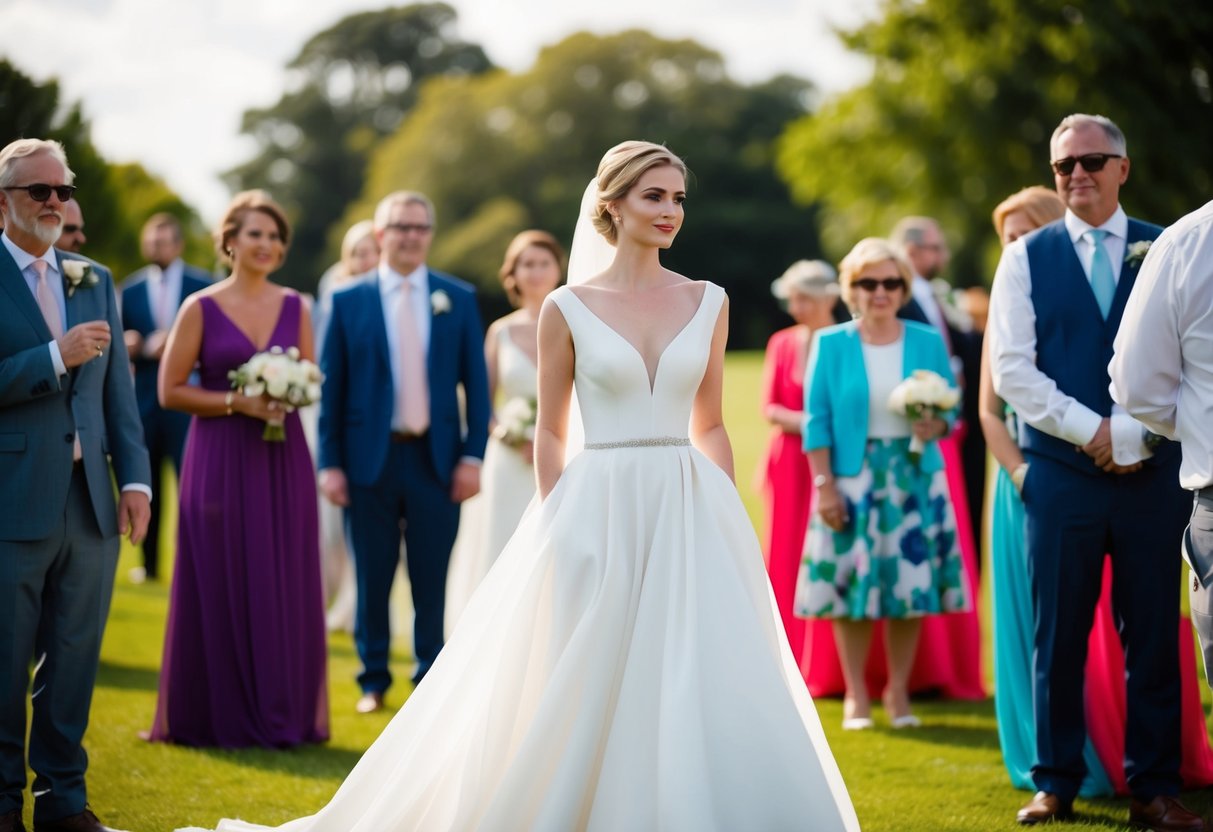
You’ll find that the white wedding dress often represents more than just a color choice; it embodies hopes and aspirations for a fresh start in married life. While white may not be the only color brides wear, it remains a prominent symbol in Western cultures that many embrace in their special day.
As you explore the reasons behind this custom, you’ll discover the rich meanings and traditions that have shaped the significance of the white wedding dress. From cultural beliefs to personal choices, this practice continues to evolve while retaining its classic charm.
Historical Origins of White Wedding Dresses
The choice of white for wedding dresses has roots in history that connect to notable figures and cultural symbols. This section will explore the key influences that shaped the tradition of brides wearing white, focusing on specific historical events and the meanings behind them.
Influence of Queen Victoria
The trend of brides wearing white started in the 19th century, largely due to Queen Victoria. In 1840, she chose a white gown for her wedding to Prince Albert. This decision was groundbreaking, as most brides previously wore dresses in bright colors or even black.
Queen Victoria’s gown was made of silk satin, trimmed with Honiton lace. Her choice symbolized purity and innocence, qualities associated with marriage. The public adored her look, leading many brides to follow suit.
Not only did her wedding set a fashion trend, but it also solidified white as the standard color for bridal attire in Western cultures. Soon after, white wedding dresses became a tradition, aligning with the societal views on marriage and virtue.
Symbolism in Early Traditions
Before the popularity of white, brides wore dresses in various colors. Throughout history, these colors held different meanings. For instance, red symbolized passion, while blue was associated with fidelity.
With the rise of the white wedding dress, orange blossoms became another popular symbol. They were often incorporated into bridal bouquets, as they represented fertility and were used in many traditional ceremonies.
This shift to white signified a new focus on the ideals of purity and innocence in marriage. As brides adopted this symbol, the association between white dresses and weddings continued to deepen, making it a lasting part of wedding traditions today.
Cultural Significance of the Color White
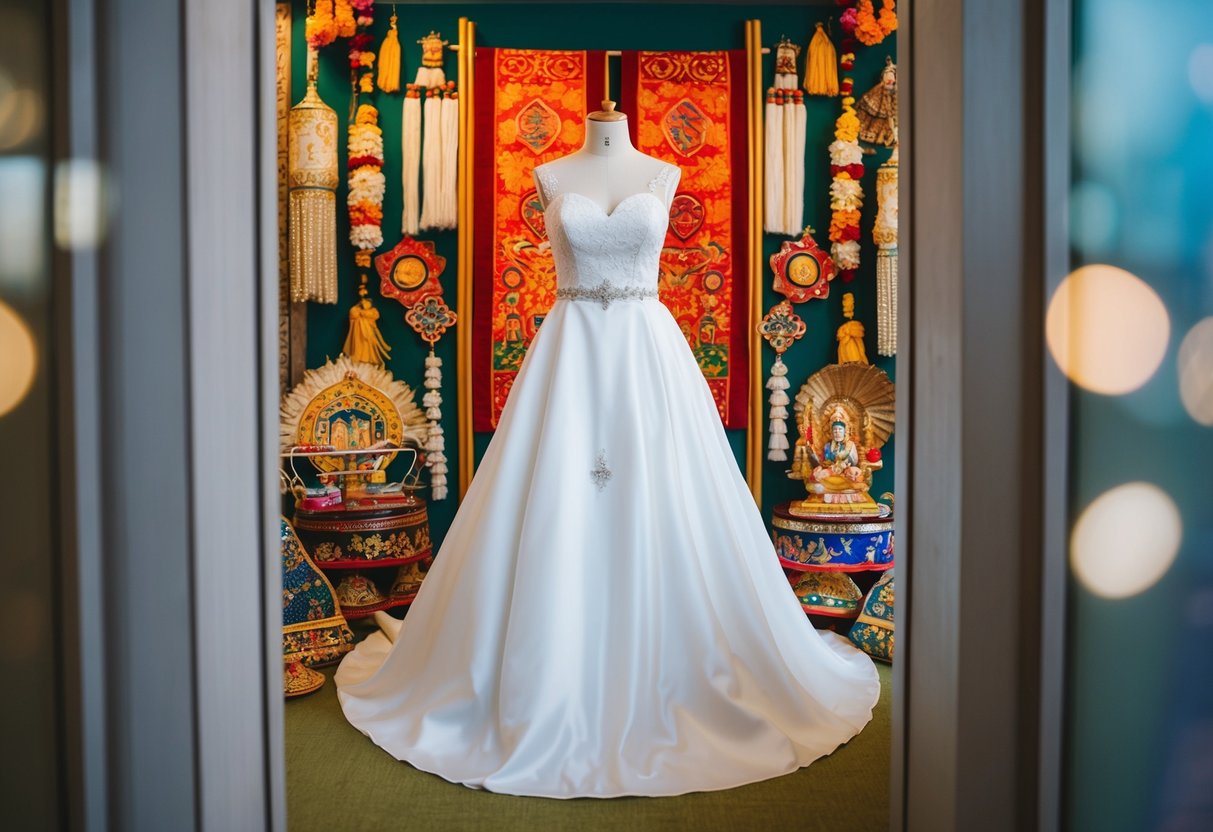
The color white holds deep cultural meaning, especially in the context of weddings. It often symbolizes purity and innocence, while also evolving in its perception in modern times. Understanding these layers can reveal why brides often choose white for their special day.
White as a Symbol of Purity and Innocence
For centuries, white has been closely linked to ideas of purity and innocence. This connection dates back to ancient practices where brides wore white as a representation of their untainted nature.
The emergence of the white wedding dress became popular in the 19th century when Queen Victoria of England chose a white gown for her wedding. This choice set a trend, symbolizing a fresh start in life as couples embarked on a new journey together.
In many cultures, wearing white conveys respect for tradition and embodies hope for a harmonious future. This significance can be seen in various customs where white is favored for weddings and other significant rituals.
Contemporary Perceptions of White Dresses
In today’s society, the perception of white wedding dresses has evolved. While many still associate white with purity, it can also represent modern ideals and individuality.
Brides often choose white dresses not only for tradition but also for personal expression. Many modern styles incorporate unique designs, fabrics, and cuts while maintaining the color white.
You may notice that some brides even blend white with other colors, reflecting their personal stories and unique flair in their weddings. This shift shows that while the cultural significance of white remains strong, it can also adapt to fit individual preferences and diverse backgrounds.
Modern Interpretations and Choices
Today, brides take a more personal approach to their wedding attire. The choices in wedding dresses reflect diverse styles and individual meanings. This shift embraces a broader range of colors and expressions in wedding attire.
Diversity in Modern Wedding Dresses
Modern brides no longer feel confined to traditional white dresses. Many explore a variety of colors to symbolize their unique stories and cultural backgrounds. Options like blush, blue, and even bold hues allow for more creativity.
Brides may choose an off-white gown, or they might go for vibrant colors that represent their personality. Some even select patterns and textures that showcase their individuality. This diversity mirrors the way weddings themselves have evolved to be more inclusive and representative of different cultures.
Personal Expression Through Wedding Dress Colors
Your wedding dress is a canvas for personal expression. Choosing colors beyond white can convey various meanings. For instance, red often symbolizes love and passion, while blue can represent loyalty.
Brides often select colors that resonate personally or reflect their cultural traditions. The modern wedding dress can include elements from different styles, giving each bride a chance to tell her unique story through her attire.
Incorporating significant colors can also make a wedding feel more personalized and memorable. Each choice creates a special connection to your identity and journey as a couple.