
Will My Wedding Dress Turn Yellow Before Wedding? Tips to Keep it Stunning!
Worrying about your wedding dress turning yellow before the big day is a common concern. If you don’t properly care for or store your wedding dress, it can turn yellow. This can happen if the fabric is exposed to light, humidity, or even certain chemicals in cleaning products.
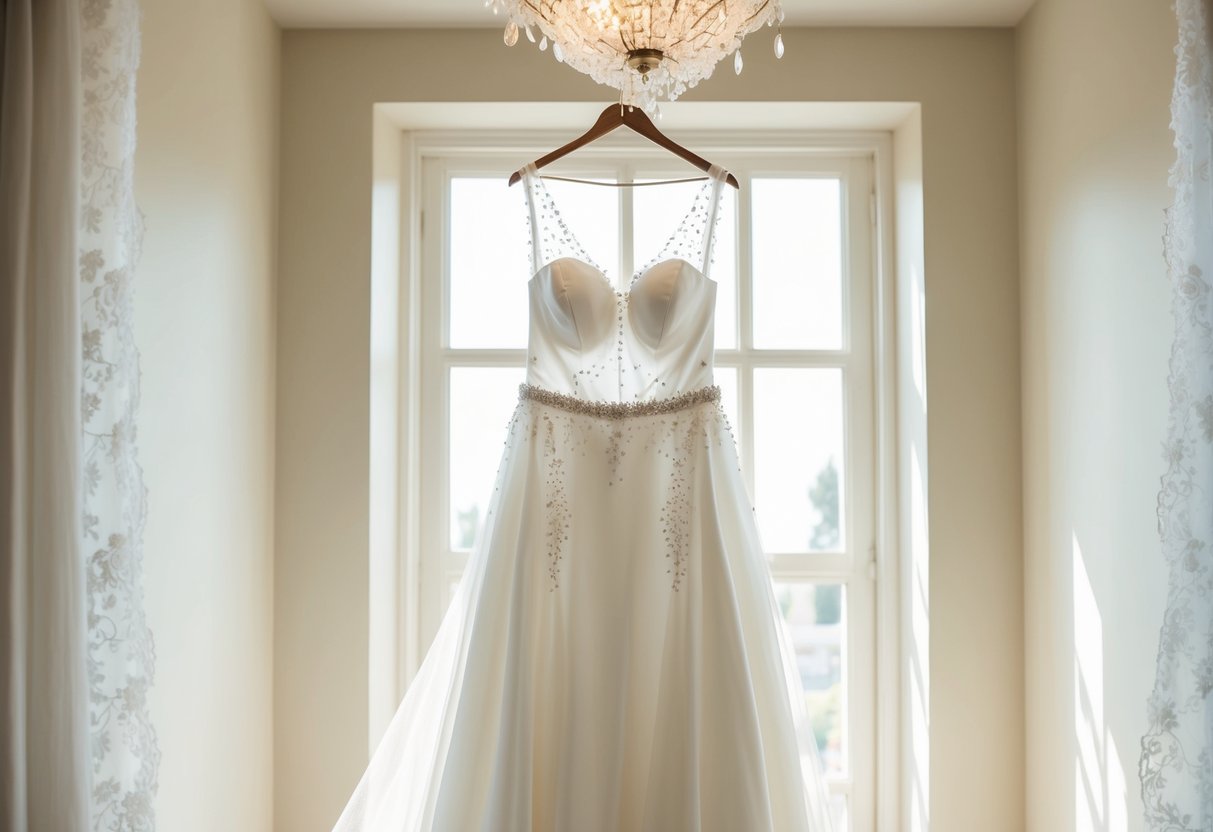
To keep your gown looking pristine, you need to understand how to properly store and maintain it. Many fabrics, especially white ones, have a tendency to yellow over time due to various factors. By taking the right precautions, you can keep your dress looking as beautiful as the day you purchased it.
As you read further, you’ll discover effective tips for preserving the beauty of your dress, from ideal storage conditions to recommended cleaning methods. This knowledge will help you ensure your wedding dress stays stunning until you walk down the aisle.
Understanding Wedding Dress Yellowing
Wedding dress yellowing can be a concern for many brides. Knowing the causes and factors that contribute to this issue can help you take steps to protect your gown before the big day.
Causes of Yellowing
Yellowing in wedding dresses often results from a combination of factors. One major cause is oxidation, where fabric fibers react with oxygen in the air. This is especially true for natural fibers like silk and cotton, which are more prone to this change.
Exposure to light can accelerate the yellowing process, as ultraviolet (UV) rays can break down the fibers. Proper storage away from direct sunlight can help mitigate this risk.
Additionally, chemical reactions with substances like sweat, body oils, and even cleaning agents can lead to discoloration. Ensuring your dress is stored clean and away from potential contaminants is essential.
Fabric Types and Their Susceptibility
The type of fabric in your wedding dress plays a critical role in how susceptible it is to yellowing. Natural fibers such as silk and cotton tend to yellow more easily due to their organic composition and lower resistance to chemical degradation.
On the other hand, synthetic materials like polyester are less prone to yellowing but not immune. They may still experience discoloration if exposed to certain environmental factors.
In choosing your gown, consider how the fabric’s properties might influence its longevity. If you’re concerned about yellowing, opting for synthetic blends might offer added protection.
Chemical Changes Over Time
Over time, all fabrics undergo chemical changes that contribute to yellowing. This process, known as phenolic yellowing, is a specific type of discoloration that often occurs in fabrics exposed to moisture, heat, or light.
As fabric fibers break down through oxidation and chemical decomposition, they can lose their original color. This degradation can happen faster in poorly stored conditions, such as damp or humid environments.
Taking preventive measures, like keeping your dress in a cool, dry place, is vital. Regular checks on the condition of the fabric before the wedding will help you catch any signs of yellowing early.
Proper Wedding Dress Preservation
Taking care of your wedding dress is crucial to prevent yellowing and damage over time. Proper preservation methods can keep your gown looking beautiful and ready for your special day.
Preservation Techniques
To avoid yellowing, consider using acid-free materials for preservation. These materials help protect your dress from damaging acids that can cause discoloration.
Try wrapping your gown in acid-free tissue paper. It provides a protective layer and absorbs moisture. Be sure to avoid plastic bags as they can trap heat and humidity, speeding up the yellowing process.
Cleaning your gown before storage is also essential. Use a professional cleaning service that specializes in wedding dress preservation. This ensures that any stains are treated before they become permanent. When you take these steps, your dress will stay radiant for years.
Professional Preservation Services
Hiring a professional for wedding gown preservation can offer peace of mind. These experts have the right knowledge and tools to clean and preserve your dress properly. They often utilize acid-free preservation boxes that protect against light, dust, and moisture.
Before you choose a service, check their reviews and ask questions about their preservation process. A reputable company will provide detailed information on how they handle delicate fabrics. By investing in professional preservation, you can feel confident that your wedding dress will remain in excellent condition.
Storage Solutions and Conditions
The way you store your wedding dress matters a lot. Aim for a cool, dry place that is free from direct sunlight. Heat and humidity can cause serious damage, including yellowing.
When storing your gown, opt for a breathable garment bag rather than plastic. A cotton bag is ideal, as it allows air circulation while protecting your dress. If you use a preservation box, make sure it’s kept flat to avoid creasing.
Regularly check on your gown’s condition, especially if it’s stored for a long time. This way, any issues can be addressed quickly to keep your dress in perfect shape for your wedding day.
Cleaning and Care for Your Dress
Taking care of your wedding dress is crucial to prevent it from turning yellow before your big day. Understanding the right cleaning methods and how to handle delicate fabrics will keep your gown looking fresh.
Choosing the Right Cleaning Method
When it comes to cleaning your wedding dress, professional cleaning is often the safest choice. They have the expertise to handle the delicate fabrics like lace, silk, or satin without causing damage.
If your dress has simple fabrics like polyester or cotton, you might consider wet cleaning at home. Avoid using harsh chemical additives or textile softeners, as they can contribute to yellowing.
For spot cleaning, dab a soft cloth with a gentle detergent mixed with water. Always test it on a hidden area first to ensure it won’t affect your fabric.
Tips for Spot Cleaning
Accidents happen, so knowing how to spot clean your dress is important. If you get a small stain, act quickly. Use a clean, white cloth to blot the stain gently.
Never rub the fabric, as this might cause more damage. For delicate fabrics like lace, use only water and a mild detergent. Avoid strong chemicals which can lead to discoloration.
For tougher stains, consider taking your dress to a professional for treatment. They can assess the fabric and advise on the best method.
Protecting Delicate Fabrics
Delicate fabrics need special care to stay pristine. For materials like silk and satin, store your dress in a breathable garment bag to protect it from dust and light.
Keep your dress in a cool, dry place away from direct sunlight. Heat and humidity can lead to yellowing over time.
If you plan to hang your dress, use padded hangers to prevent stretching. For lace, avoid folding it in a way that creates creases. Instead, lay it flat when possible on a clean surface.