
Affordable Garden Wedding Venues Philippines: Planning Guide
A garden wedding in the Philippines gives you natural scenery, open air, and flexible layouts without the price of a luxury ballroom. Affordable garden wedding venues Philippines couples choose often include private gardens, provincial resorts, boutique estates, and spaces that combine the ceremony and reception in one place.
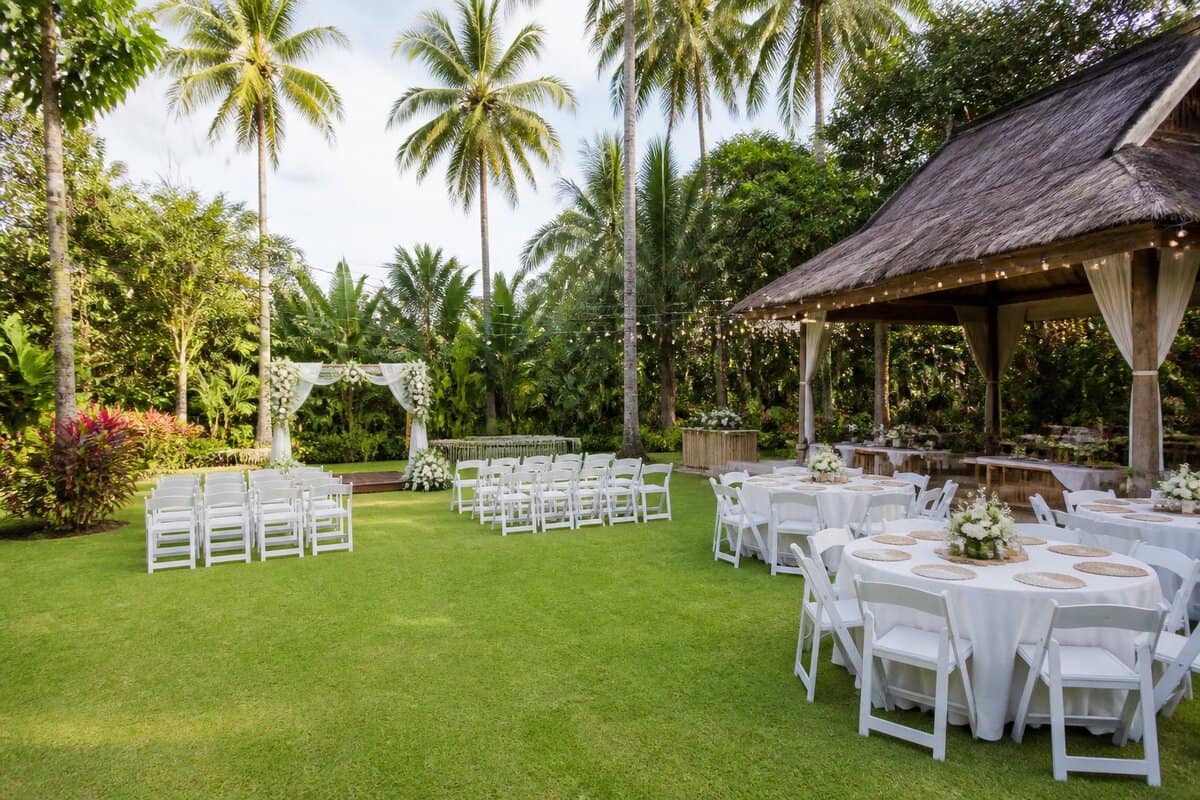
You can protect your budget by setting the guest count first, comparing the full package cost, and checking every extra fee before you reserve a date. A smaller guest list also gives you more choices, from intimate garden weddings to family-owned outdoor spaces. Use the details below to compare locations with confidence, then request written quotes from your preferred venues.
What Makes a Garden Venue Affordable?
An affordable wedding venue combines a fair rental rate with useful inclusions, manageable travel costs, and a layout that needs little extra styling. A low venue fee can become expensive when you add chairs, tents, catering, sound equipment, parking, and overtime.
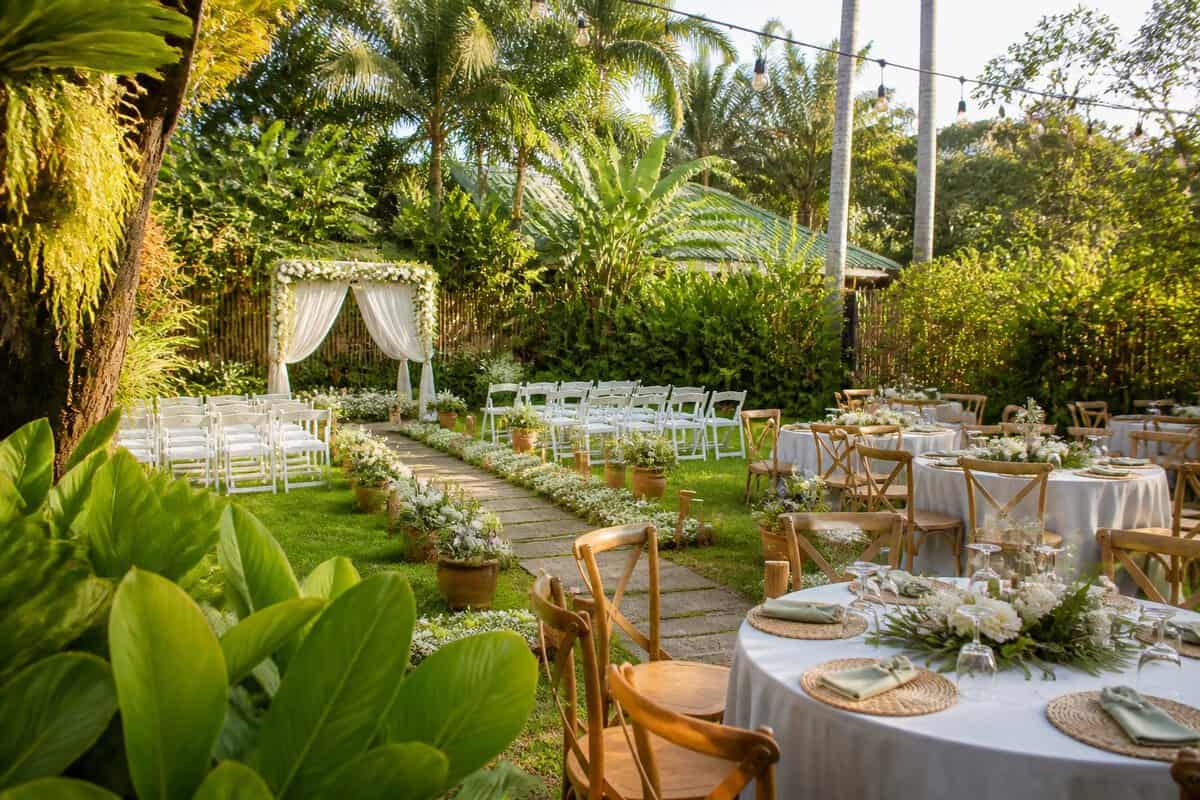
Garden wedding packages often include tables, chairs, basic décor, catering, and coordination. Venue-only bookings give you more supplier freedom, though you must price each item before deciding. For a smaller celebration, tips for choosing the perfect venue for a small wedding can help you focus on capacity and practical needs.
How Much Should Couples Budget for the Venue and Reception?
A garden estate rental may fall around ₱15,000 to ₱50,000, while community spaces and function halls can start near ₱5,000 to ₱20,000. Catering often adds about ₱2,000 to ₱3,000 per guest, so an 80-person reception could require ₱160,000 to ₱240,000 for food alone.
Your full venue budget should include:
- Space rental
- Ceremony and reception furniture
- Catering and drinks
- Tent or indoor backup
- Basic sound and lighting
- Styling and floral décor
- Parking, security, and overtime
Venue-Only Rates vs. Wedding Packages
Venue-only rates suit couples who already have a caterer, stylist, coordinator, or trusted family suppliers. Ask about outside-catering fees, corkage, setup hours, cleanup, power access, and required rentals.
Wedding packages simplify planning by grouping services under one contract. Compare the menu, guest minimum, table settings, décor level, sound system, coordination, and tax before you compare the headline price. A package with fewer suppliers often saves time, while a venue-only booking may offer better control over each expense.
How Guest Count Changes the Total Cost
Guest count affects food, furniture, staff, parking, space size, and sometimes the package minimum. Reducing the list by 20 people can lower catering and rental costs while allowing you to choose smaller wedding venues with more personal layouts.
Ask each venue for two quotes: one based on your preferred guest count and one based on its minimum. Check whether unused seats still trigger a food charge. A garden that suits 40 guests may feel warm and balanced, while a large estate could require extra décor to avoid empty areas.
Best Locations for Value-Focused Garden Celebrations
Tagaytay and Antipolo offer convenient garden settings near Metro Manila, while Cavite, Laguna, and Batangas provide more space and different price points. Travel time, road access, guest accommodation, and weather plans should be part of your location comparison.
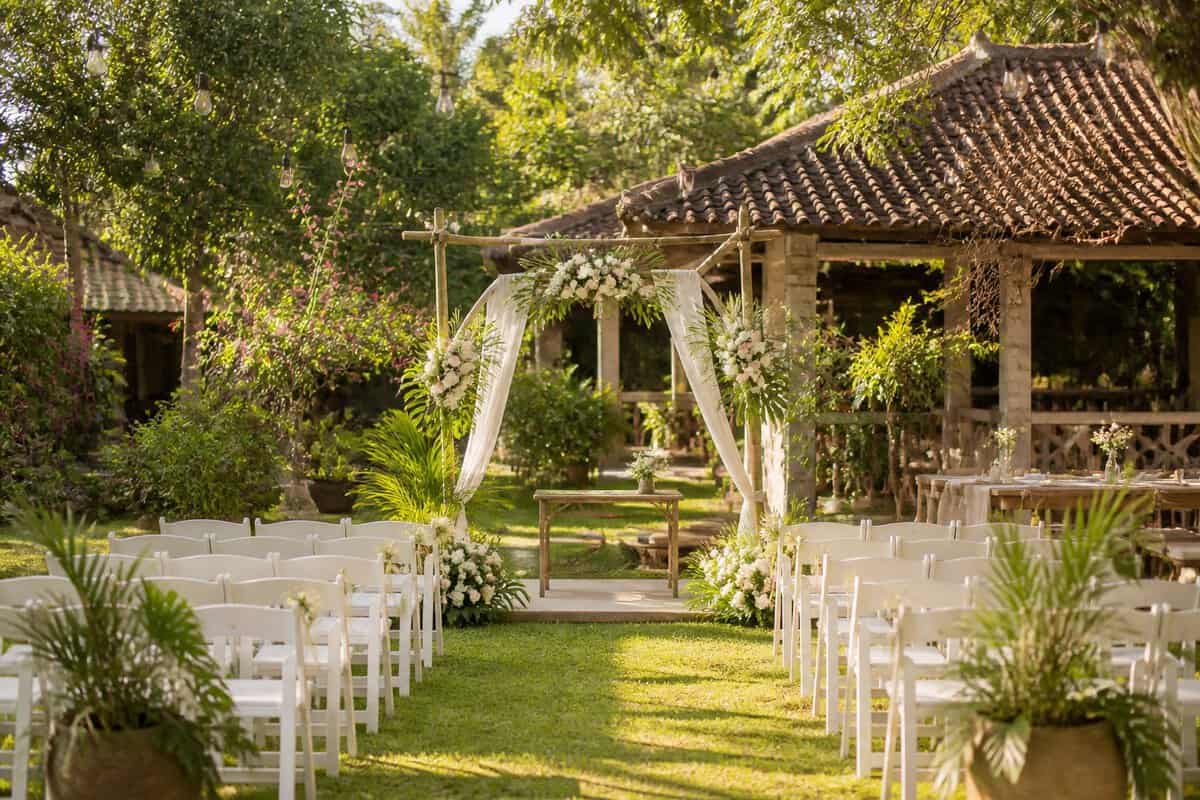
A location with ceremony and reception areas on one property can reduce transport and supplier costs. You can also compare provincial venues with affordable outdoor wedding ideas when planning a simple layout.
Wedding Venues in Tagaytay With Cool Weather and Taal Lake Views
Tagaytay remains popular for its cooler climate, elevated setting, and views toward Taal Lake. Wedding venues in Tagaytay range from compact gardens to large estates with reception halls, bridal rooms, and parking.
Ask about traffic during weekends, guest shuttle needs, and the exact view included in your booking. A venue with a covered terrace or indoor dining room gives you more flexibility during sudden rain. Properties near Amadeo and Silang can offer a garden atmosphere with different travel times and package structures.
Wedding Venues in Antipolo Near Metro Manila
Wedding venues in Antipolo appeal to couples who want greenery and hillside scenery within easier reach of the capital. Many spaces suit intimate or medium-sized celebrations and offer outdoor ceremony areas beside covered reception spaces.
Check the road access for buses and older guests, especially when the venue sits on a steep or narrow route. Ask about parking capacity, valet service, generator access, and sound limits. Antipolo also works well for couples who want a shorter event day with less overnight travel for guests.
Cavite, Laguna, and Batangas Alternatives
Cavite, Laguna, and Batangas give you more locations to compare when Tagaytay and Antipolo dates are full or priced beyond your budget. You may find private gardens, resorts, family properties, and event spaces with flexible supplier rules.
Casa San Pablo in Laguna is one example of a destination-style setting to compare for atmosphere and accommodation needs. Punta Fuego in Batangas suits couples considering a coastal or resort feel, though travel and guest lodging can change the total cost. Compare these areas with the full travel plan, including fuel, vans, rooms, and supplier delivery charges.
Garden Venues to Compare by Setting and Size
The best venue shortlist should match your guest count, desired privacy, and amount of built-in scenery. Boutique garden venues suit intimate gatherings, established estates offer more facilities, and near-city spaces can reduce travel costs.
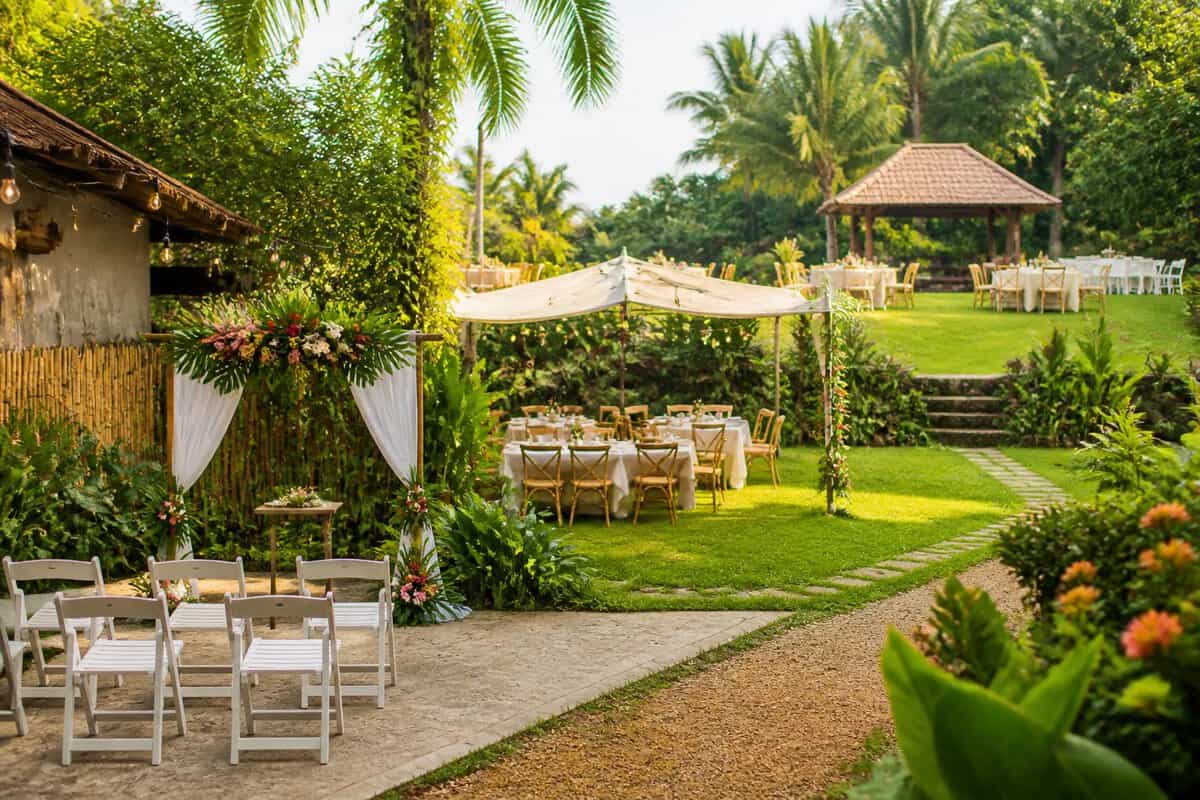
Visit each property at the same time of day as your planned ceremony. Check shade, heat, lighting, sound, restrooms, walking surfaces, and the distance between the ceremony and wedding reception.
Intimate and Boutique Garden Venues
Boutique garden venues fit smaller guest lists and allow you to keep décor focused. Properties such as Sonya’s Garden are associated with a quiet, nature-centered setting that suits relaxed celebrations and intimate meals.
Ask for the comfortable seated capacity, not the maximum number permitted. Confirm whether the venue includes tables, chairs, linens, staff, parking, and a weather backup. A smaller property can also lower styling costs because mature plants and existing details fill the space.
Established Tagaytay Garden Estates
Established Tagaytay estates such as Hillcreek Gardens often provide defined ceremony lawns, reception areas, landscaped grounds, and supplier contacts. These features support a smoother event flow and give you more places to hold photos.
Compare the estate’s required caterer, food minimum, inclusions, and overtime rates. Check whether the ceremony lawn and reception area are reserved exclusively for your event. Ask how the venue handles rain when the garden setup is already in place.
City and Near-City Garden Spaces
Fernwood Gardens and The Mango Farm represent the kind of city-adjacent spaces worth comparing when guest travel is a priority. Near-city venues can reduce transportation needs and make it easier for suppliers to deliver equipment.
Review the traffic pattern, event curfew, parking, neighborhood noise rules, and loading access. A location with strong existing landscaping may also reduce floral and backdrop expenses. For styling ideas, see how to decorate a wedding venue on a budget.
Choosing the Right Setup for Your Ceremony and Reception
A combined ceremony and reception venue usually gives you the clearest path to controlling transport, setup time, and supplier labor. Your choice should also account for rain, guest comfort, food service, parking, and the length of the event.
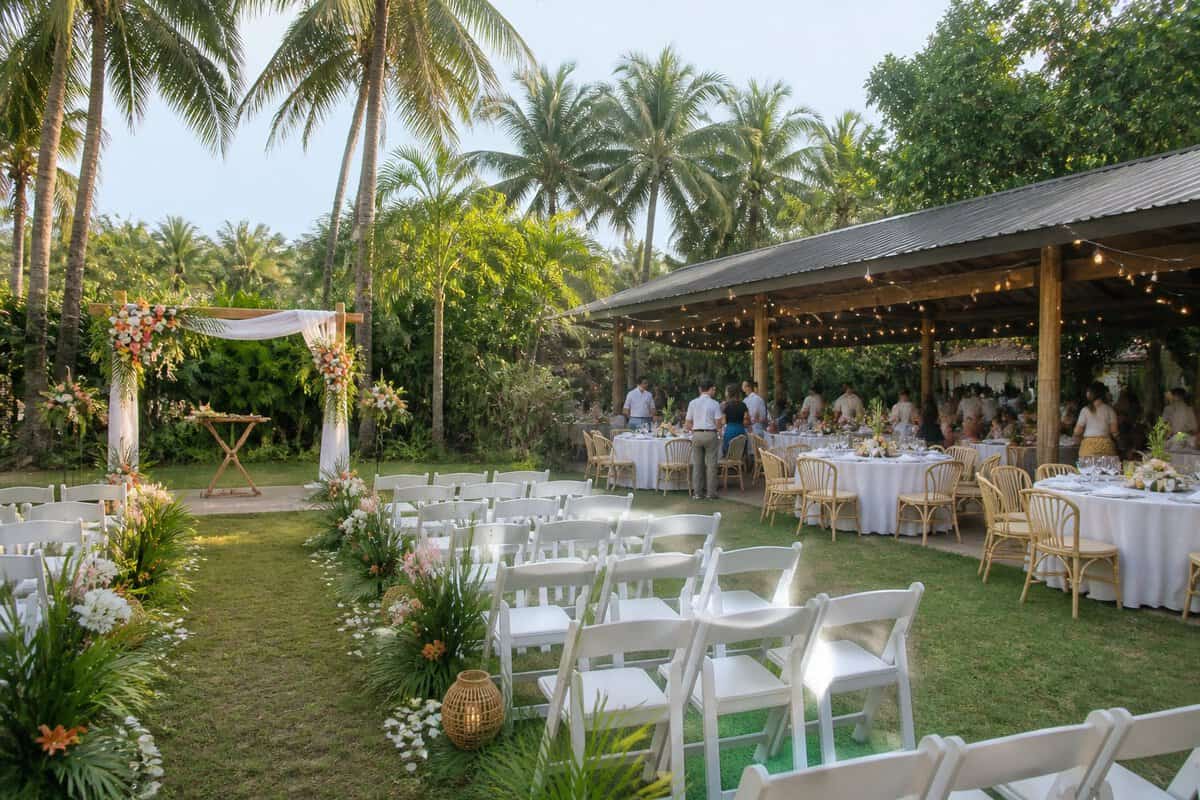
Walk through the guest route from arrival to departure before booking. Look for shaded waiting areas, accessible restrooms, a private preparation room, and enough space for vendors to work without crossing the ceremony aisle.
Garden Wedding vs. Church Wedding With an Outdoor Reception
A garden wedding keeps the ceremony and reception at one property, which reduces travel between locations and gives you more control over the schedule. A church wedding may suit couples who value a traditional service, followed by an outdoor reception at a nearby venue.
For a church ceremony, add church fees, required documents, rehearsal timing, transport, and decoration rules to your budget. For a garden ceremony, ask about officiant requirements, sound limits, seating, aisle access, and a rain location. Choose the format that fits your family, faith, guest travel needs, and preferred event flow.
What to Check in an Indoor Rain Backup Plan
A useful rain backup is a prepared space with enough capacity for every guest, the stage, dining tables, food service, and dancing. A narrow hallway or small room will not protect the experience if the layout cannot fit.
Ask whether the backup space is included, when the weather decision is made, and who moves the chairs and décor. Confirm ventilation, lighting, power, flooring, drainage near entrances, and access for guests with mobility needs. A tent can work well when it has proper sides, flooring, fans, lights, and a clear rainwater plan.
Catering, Curfews, Parking, and Accommodation
Catering rules often shape the final price. Confirm menu choices, children’s rates, vendor meals, drinks, cake service, corkage, kitchen access, and cleanup.
Also ask about:
- Event start and end times
- Overtime charges
- Music and noise limits
- Parking spaces and valet options
- Nearby hotels or onsite rooms
- Supplier loading and unloading
- Generator and backup power
- Restroom capacity and maintenance
For reception planning, how to choose the right wedding caterer can help you compare menus, service style, and contract details.
How to Keep a Garden Wedding Within Budget
You can keep a garden wedding affordable by choosing a lower-demand date, using the venue’s useful inclusions, and assigning supplier decisions early. The largest savings usually come from guest count, catering structure, travel, and décor scope.
Choose a Date and Time That Reduce Costs
Weekday weddings and off-peak dates can bring lower rates or more flexible package terms. Morning and lunch celebrations also reduce the need for extensive evening lighting and late-night transport.
Ask about weekday, Sunday, rainy-season, and non-holiday pricing. Confirm whether the lower rate changes the included hours, menu, staff, or rain backup. If you choose a rainy-season date, reserve a proper covered plan before sending invitations.
Prioritize Inclusions That Avoid Supplier Markups
Compare packages by the services they include, not by the venue name alone. Tables, chairs, basic linens, sound equipment, lights, staff, coordination, and setup labor can cost more when booked separately.
Keep the décor focused on the ceremony focal point, guest tables, and entrance. Natural landscaping can carry much of the visual work, while modest florals and reusable details keep the design controlled. For more ideas, explore wedding flower budget tips.
When a Wedding Coordinator Can Save Money
A wedding coordinator can save money when the venue involves several suppliers, a detailed setup, guest transport, or strict timing. The coordinator can compare quotes, track deposits, manage the event timeline, and prevent overtime caused by delays.
Request a clear list of duties before hiring one. Ask whether the fee covers planning meetings, supplier coordination, rehearsal support, event-day management, emergency supplies, and cleanup supervision.
A coordinator is especially useful for venue-only bookings, where you carry more responsibility for the wedding packages and supplier schedule.