
Affordable Vineyard Wedding Venues: How to Find Value
A vineyard wedding gives you built-in scenery, a relaxed wine-country setting, and a memorable guest experience. The challenge is finding a venue where the beauty does not push your budget past its limit.
Site fees, catering rules, beverage minimums, and travel costs can change the final price by thousands of dollars.
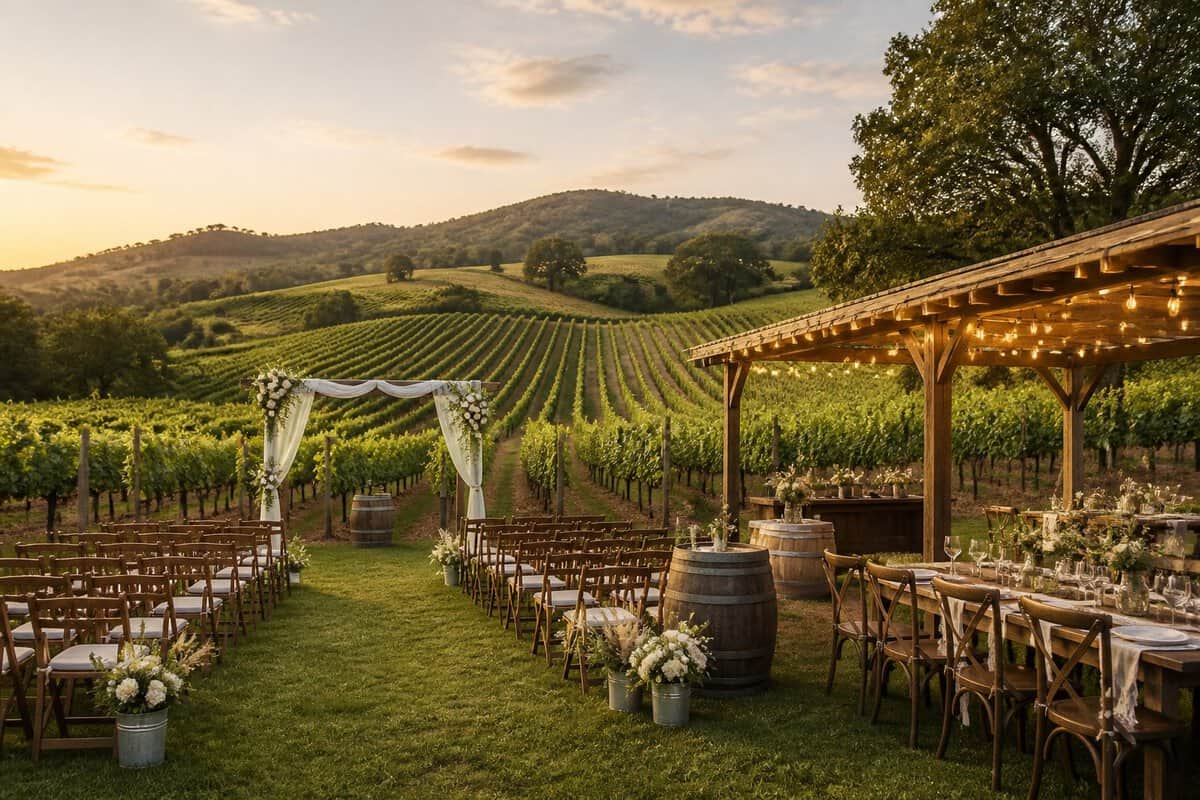
The best value comes from comparing the complete cost per guest, not the advertised rental fee alone. A Friday celebration, smaller guest list, open vendor policy, or package with tables and cleanup included can make an affordable vineyard wedding venue easier to find.
Start your search with a clear guest count and flexible dates, then contact venues for itemized quotes.
What Makes a Vineyard Venue Truly Affordable?
A vineyard venue is affordable when its full event cost fits your budget after fees, food, drinks, rentals, staffing, and transportation are included. A low rental price can lose its appeal when essential services sit outside the quote.
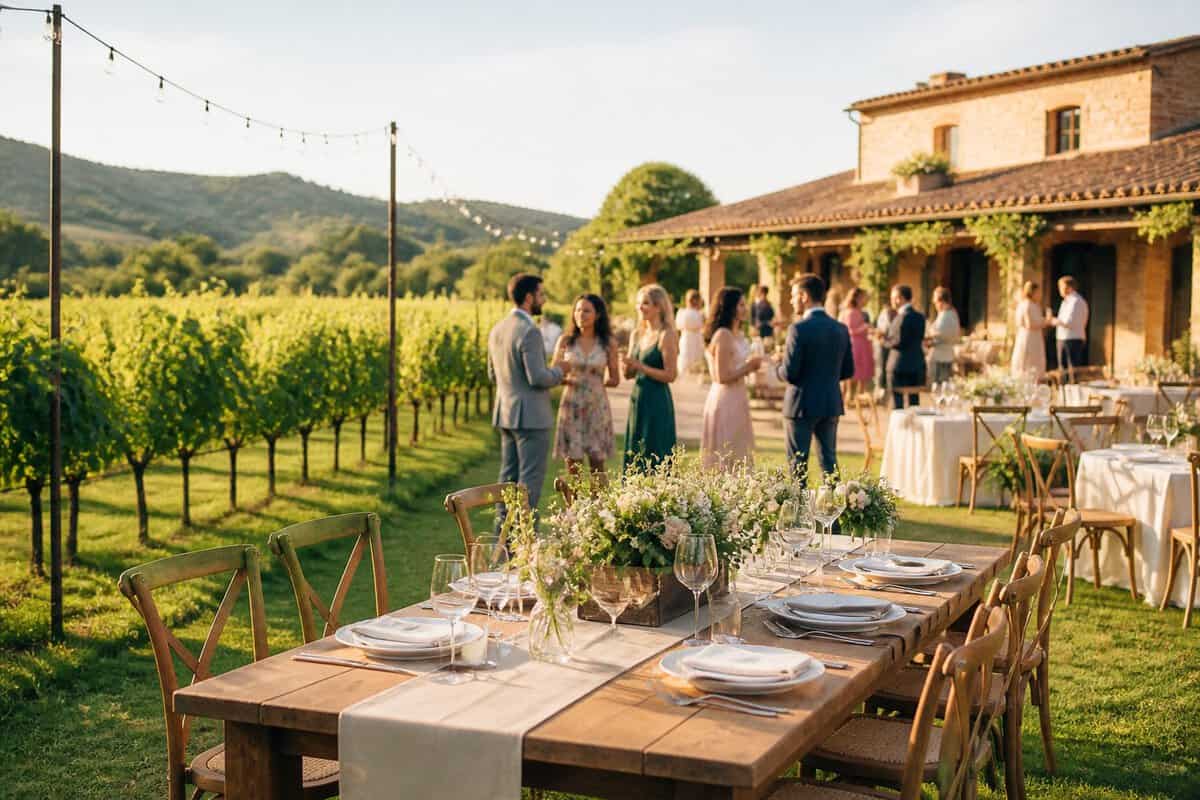
Compare each wedding venue using the same guest count, date type, menu, bar plan, and event length. This approach shows which wedding packages provide useful value and which quotes leave major expenses for you to add later.
How to Compare Total Cost per Guest
Calculate the full estimated bill, then divide it by your expected guest count. Include the site fee, catering, bar service, rentals, taxes, service charges, coordinator fees, ceremony costs, and cleanup.
For example, a $6,000 rental fee may look attractive until you add required tables, chairs, linens, staffing, and a separate ceremony charge. A $9,000 package that includes those items could produce a lower cost per guest.
Ask each venue for two totals:
- A food-and-beverage estimate
- A complete event estimate with every required fee
Use the same menu level and bar service for each quote. Your comparison will stay useful when venues price their services in different ways.
Rental Fees vs. Included Amenities
Rental fees cover access to the property, yet included amenities determine how much extra you spend. Look for tables, chairs, basic lighting, ceremony seating, a getting-ready room, restrooms, parking, and a rain backup space.
Some properties include setup and cleanup in wedding packages. Others charge separate labor fees or require you to hire a rental company.
Ask whether included furniture covers the ceremony, cocktail hour, and reception, since moving items between spaces might create an additional charge.
A venue with attractive vineyard views can also reduce décor costs. Rows of vines, a rustic barn, stone walls, or a barrel room give your photographer and guests a finished setting with fewer floral installations.
Costs That Are Easy to Miss
Review these charges before you compare prices:
- Catering service fees and gratuities
- Sales tax
- Corkage or outside alcohol fees
- Cake-cutting fees
- Vendor meals
- Security or event staffing
- Insurance requirements
- Transportation for guests
- Generator or power fees
- Overtime and early-access charges
Request a written estimate with required and optional costs separated. You can then remove extras without losing track of expenses that the venue requires.
Where to Find Better Value in Wine Country
Better value in wine country comes from flexible dates, less famous regions, and event plans that use the property efficiently. You can find vineyard views in rural areas near established wine regions without paying the premium attached to a highly known estate.

Search beyond destination estates with large marketing budgets. Smaller wineries, family-run vineyards, farm properties, and venues outside major tourism centers often offer a scenic setting with fewer premium fees.
Choose Shoulder-Season or Weekday Dates
Friday, Sunday, and weekday weddings often cost less than peak Saturday celebrations. January through March may bring lower rates in some regions, while dates before or after the busiest harvest period can open more choices.
Ask about:
- Friday and Sunday site fees
- Thursday availability
- Winter and early spring discounts
- Afternoon events
- Shorter reception windows
- Date changes during slow periods
Check the vineyard’s appearance during your chosen month. Some vines are dormant in winter, while late summer and fall bring active harvest work, warmer weather, and higher demand.
A weekday wedding also helps guests avoid peak travel prices. Give your guests early notice so they can request time off and arrange transportation.
Look Beyond Famous Wine Regions
California’s Napa and Sonoma valleys are well known, yet vineyards across Virginia, Texas, Oregon, Washington, New York, Missouri, and other states offer a wine-country setting. A less commercial region may have lower site fees, nearby lodging, and more flexible vendor rules.
Search by a wider travel radius around your preferred city. Compare the venue price with lodging, transportation, and guest travel costs.
A venue with a lower fee becomes less affordable when most guests need long transfers or expensive hotel rooms.
Review local wineries, cider farms, grape farms, and rustic properties that host weddings. Confirm that the property has the permits, restrooms, parking, and event insurance requirements needed for your celebration.
Consider Smaller Guest Counts and Shorter Events
Guest count affects food, beverages, rentals, staffing, and restroom needs. Cutting 20 guests can reduce more than meal costs when the venue uses a per-person package.
A shorter celebration can also lower expenses. Consider a ceremony and cocktail-style reception lasting four to five hours, or plan a brunch wedding with lighter food and limited bar service.
Keep your guest list focused on people you want present for the full experience. A smaller group also lets you use an intimate tasting room, barrel room, or courtyard without paying for the property’s largest space.
Which Venue Features Save the Most Money?
The most useful money-saving features are complete wedding packages, flexible vendor rules, and lodging that reduces guest travel costs. Each feature saves money when its terms match your event plan.
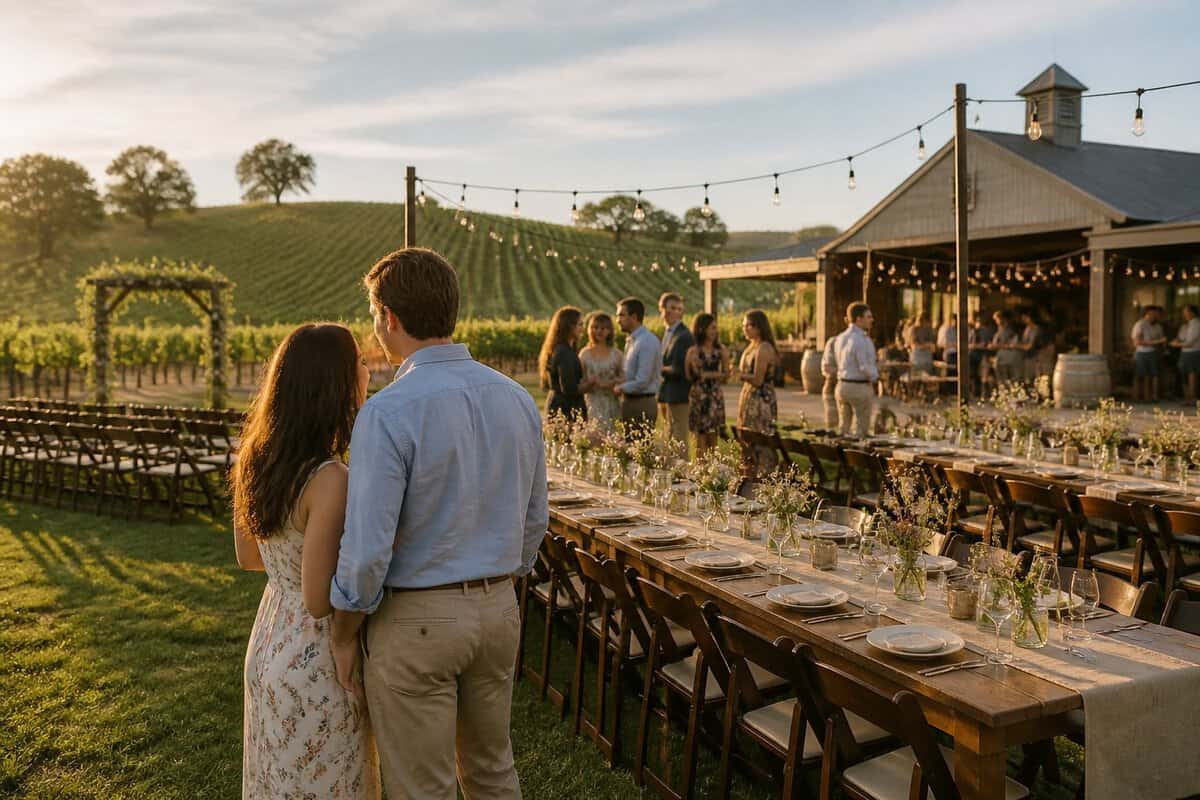
Read every package description closely. A package with a higher starting price may include services that you would need to purchase separately at another venue, while an open vendor policy gives you more control over price and style.
Inclusive Packages That Reduce Rental Costs
Inclusive wedding packages can bundle the venue, tables, chairs, linens, catering, bar service, staff, basic coordination, and cleanup. Bundling reduces separate contracts and limits delivery, setup, and labor charges.
Ask whether the package includes:
- Ceremony and reception access
- Furniture for every event space
- Linens and place settings
- Food tasting
- Bar staff and glassware
- Setup and cleanup
- A rain plan
- A venue coordinator
Check the guest-count minimum and menu restrictions. A package may be cost-effective for 100 guests while costing more for a 40-person wedding because of minimum spending requirements.
Why an Open Vendor Policy Can Stretch Your Budget
An open vendor policy lets you compare caterers, rental companies, florists, DJs, and bakers. That choice can lower prices and help you select vendors whose services fit your plans.
Ask if the venue charges:
- Outside catering fees
- Kitchen-use fees
- Corkage
- Vendor access fees
- Required staffing for outside vendors
- Delivery or load-in charges
A preferred vendor list can still offer good value when those vendors know the property and work within its rules. Request at least two estimates before deciding whether outside vendors provide a meaningful saving.
When On-Site Accommodation Adds Real Value
On-site accommodation adds value when it replaces several hotel rooms, reduces transportation needs, or gives your wedding party a convenient place to prepare. Compare the lodging rate with nearby hotel prices and shuttle costs.
Ask how many people the property sleeps, whether breakfast is included, and whether guests receive a room block discount. Confirm check-in times, parking, accessibility, and cancellation terms.
Lodging works best when your guests can share rooms comfortably and the venue sits far from major hotels. For a local wedding, on-site accommodation may provide convenience without reducing your total spending.
How to Evaluate Ceremony and Reception Spaces
Choose spaces that fit your guest count, include a workable weather plan, and keep transitions between ceremony, dinner, and dancing easy. A beautiful lawn needs practical support, including shade, restrooms, power, parking, and accessible paths.

Walk through the property during the same season and time of day as your event when possible. Look for sun exposure, wind, noise from winery operations, guest travel distances, and the space available for vendors.
Outdoor Vows With a Weather Backup
Outdoor ceremonies make use of vineyard views and reduce décor needs. Confirm the backup plan before booking, including its capacity, layout, cost, and decision deadline.
Ask whether the backup space holds every guest for the ceremony and reception. Check whether chairs, sound equipment, lighting, and ceremony décor move indoors at no added charge.
Your plan should cover heat, rain, wind, and cold. Shade structures, fans, heaters, umbrellas, or tent rentals can add cost, so request estimates before assuming the outdoor option is the cheaper choice.
Barns, Barrel Rooms, and Tasting Rooms
Barns offer rustic character and room for dining and dancing. Barrel rooms provide a dramatic setting with built-in décor, while tasting rooms can suit smaller celebrations with fewer rentals.
Measure the space against your floor plan. Include dinner tables, a dance floor, a bar, a DJ or band, buffet stations, gift tables, and clear paths.
Ask about temperature control, acoustics, lighting, restrooms, and winery access during the event.
Some spaces close early because of local noise rules or agricultural operations. Put the end time and music restrictions in your contract.
Capacity, Accessibility, and Event Timing
Confirm the legal capacity for both outdoor and indoor spaces. Your indoor capacity should support the full guest list if weather changes.
Inspect ramps, walkways, parking, restrooms, and seating areas for guests with mobility needs. Gravel, slopes, and uneven vineyard paths can affect access and may require temporary flooring or transportation.
Ask when vendors can arrive, when guests may enter, and when cleanup must finish. A short setup window can create rush fees, while an early closing time can affect entertainment plans and guest experience.
Questions to Ask Before You Book
Ask for an itemized contract that spells out package contents, vendor rules, minimums, access times, and every possible fee. Clear answers help you compare venues on the same financial terms.
What Does the Quoted Price Actually Include?
Ask whether the quote includes the ceremony, reception, furniture, linens, glassware, staffing, setup, cleanup, security, parking, and a coordinator. Confirm whether taxes, service charges, and gratuities are included or added later.
Request a sample invoice for your estimated guest count. Ask the venue to mark each item as included, required, or optional. This format makes wedding packages easier to compare.
Are There Vendor, Catering, or Beverage Minimums?
Ask about food-and-beverage minimums, guest-count minimums, required caterers, bar packages, wine purchases, corkage, and outside dessert rules. Confirm whether the minimum applies before or after tax and service fees.
If the venue has an open vendor policy, request its insurance and licensing requirements. A caterer who meets those rules can give you another price for comparison.
What Are the Setup, Cleanup, and Overtime Rules?
Ask when your vendors can load in, when decorating may begin, and when all personal items must leave. Confirm whether the venue handles trash, dish collection, furniture movement, and final cleaning.
Ask for the overtime rate for the event, vendors, and guests. Check the contract for music end times, bar closing times, and charges caused by late cleanup or extended access.
Build a Shortlist That Fits Your Budget
Build your shortlist around your top priorities, full per-person cost, and practical guest needs. A wedding venue that fits your style but breaks your budget after required fees should leave the list early.
Set Your Non-Negotiables Before Touring
Choose three to five requirements before you visit. These might include vineyard views, an indoor rain plan, a specific guest capacity, an open vendor policy, or on-site accommodation.
Set your maximum venue budget and your maximum total cost per guest. Decide which features you will pay for and which you will remove if the quote rises.
Write these standards on your tour worksheet. A clear list keeps attractive décor from distracting you from access, timing, and contract terms.
Compare Quotes on the Same Assumptions
Send each venue the same information:
- Guest count
- Preferred date range
- Event length
- Ceremony and reception plan
- Meal style
- Bar service
- Rental needs
- Setup and cleanup expectations
Place quotes in a spreadsheet with separate lines for venue fees, food, beverages, rentals, staffing, taxes, transportation, and lodging. Add a column for required services and another for optional upgrades.
Linking your venue comparison to a clear wedding budget allocation plan can help you protect funds for photography, attire, music, and guest travel.
Know When a Higher Fee Delivers Better Overall Value
A higher site fee earns its place when it removes major expenses or solves a logistical problem. Examples include included furniture, a staffed bar, a reliable indoor backup, venue coordination, ample setup time, or lodging that reduces shuttle costs.
Calculate the difference between each venue’s complete estimate. Then ask which property gives you the guest experience and practical support you need within your total budget.
Choose the venue with the clearest contract and the strongest fit for your priorities. Before signing, confirm the final guest count, payment schedule, cancellation terms, vendor requirements, overtime rules, and weather plan in writing.