
Affordable Wedding Venue Near the City: Smart Options
A wedding near the city gives you access to convenient transportation, hotels, and local vendors without requiring a downtown price tag. An affordable wedding venue near the city might be a community hall, garden, historic building, restaurant, or park with practical event spaces and a clear rental plan.
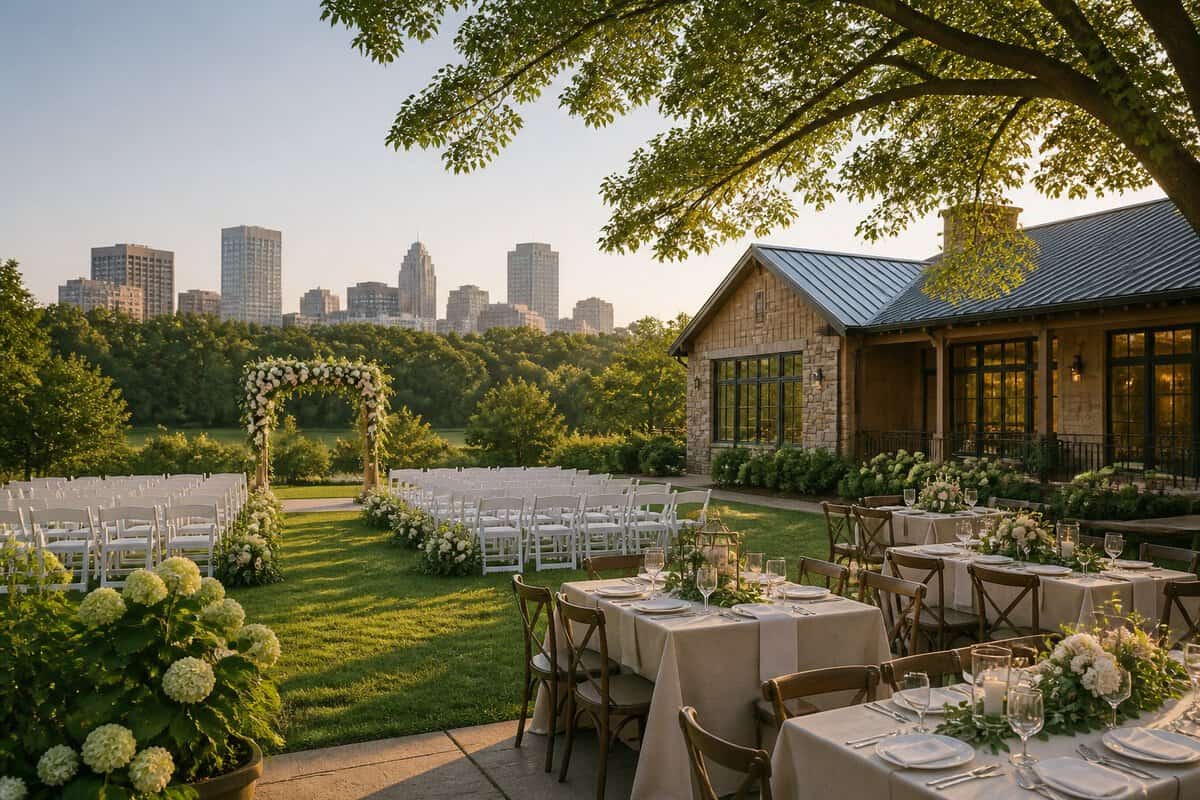
The best value comes from comparing the full wedding budget, not the room rental alone. Guest count, date, catering rules, setup time, service fees, and transportation can change your final cost by thousands of dollars.
As you begin wedding planning, expand your search beyond traditional wedding venues. Compare nearby wedding locations that give you room for a ceremony and reception while keeping travel simple for your guests.
Set your guest count and spending limit first, then request detailed quotes from spaces that fit both.
What Makes a City-Adjacent Venue Affordable?
A city-adjacent venue stays affordable when its venue cost, included services, and schedule fit your budget from the start. A lower wedding venue cost often comes from a smaller guest count, flexible event spaces, weekday weddings, or an off-peak date.
How Guest Count Changes Venue Cost
Guest count affects the size of the room, the amount of food, the number of chairs and tables, and restroom needs. A space priced for 50 guests might be a poor fit for 150, even if the starting rental fee looks attractive.
Ask whether the price is:
- A flat room rental
- A per-person package
- A minimum food and beverage spend
- A tiered rate based on attendance
A smaller guest list can also open access to private dining rooms, historic libraries, restaurants, and community rooms with lower staffing needs.
What Should Be Included in the Quote?
Request a written quote that lists every service and fee. Check whether it includes tables, chairs, linens, lighting, sound equipment, setup, cleanup, parking, security, and venue staff.
Ask about cleaning fees, overtime charges, service fees, taxes, damage deposits, and required event insurance. Confirm whether you can bring your own caterer, cake, alcohol, decorations, or rentals.
A low starting price has limited value when essential services sit outside the contract.
When Do Date and Time Affect Pricing?
Peak wedding season and Saturday evening bookings command the highest demand in many markets. A Friday, Sunday, winter, or weekday wedding often gives you more room in the budget.
Ask the venue for rates across several dates and time blocks. Morning and afternoon events can reduce rental hours and support a brunch or early dinner menu.
Confirm your access window, vendor arrival time, ceremony start, music cutoff, and cleanup deadline before you request a quote.
Best Low-Cost Venue Types Near Urban Areas
The strongest low-cost options combine an attractive setting with practical amenities and flexible vendor rules. You can find value in civic buildings, cultural spaces, historic properties, religious facilities, and restaurants that already support events.
Community Centers and Cultural Centers
Community centers and cultural centers often provide large rooms, kitchens, restrooms, parking, and tables for a modest rental fee. Their open layouts let you choose your caterer and decorate around your wedding colors.
Check the kitchen facilities before booking. Ask about refrigerator access, warming ovens, prep counters, trash removal, alcohol rules, and the required cleanup process.
A center with good lighting and a clean floor can need little décor beyond linens, flowers, and string lights.
City Halls, Courthouses, and Historic Buildings
City halls and courthouses work well for small ceremonies, civil weddings, and short receptions. Historic buildings add architectural character, which reduces the need for elaborate décor.
Ask whether the ceremony room and reception room are separate. Confirm guest limits, accessibility, photography rules, security requirements, and available dates.
A courthouse ceremony paired with a nearby restaurant reception can keep your venue costs focused on the time your guests spend celebrating.
Museums, Art Galleries, and Historic Libraries
Museums, art galleries, and historic libraries provide built-in visual interest and conversation areas. These spaces suit cocktail receptions, seated dinners, and smaller celebrations with a strong design focus.
Review rules for candles, hanging decorations, food service, music volume, and artwork protection. Ask whether the venue supplies tables, chairs, display lighting, and staff.
A gallery with a clean white interior can support a polished look with limited rentals.
Campus Chapels and Religious Institutions
Campus chapels and religious institutions may offer beautiful ceremony rooms, fellowship halls, kitchens, and parking. Some welcome outside couples, while others require membership, premarital counseling, or approved officiants.
Confirm ceremony policies before paying a deposit. Ask about music, attire, photography, alcohol, décor removal, and the time between the ceremony and reception.
A connected hall can reduce transportation and rental needs.
Restaurants, Breweries, and Private Dining Rooms
Restaurants, breweries, and private dining rooms can lower setup costs because they already have food service, furniture, restrooms, staff, and kitchen facilities. A fixed menu or food-and-beverage minimum makes budgeting easier when your guest count is firm.
Ask about menu substitutions, cake cutting, bar packages, gratuity, room fees, music, and dance floor space. Breweries and restaurants suit relaxed receptions where food and atmosphere carry much of the design.
Outdoor Spaces Worth Comparing
Outdoor venues offer affordable scenery through public parks, gardens, waterfront areas, and protected land. Your budget should include permits, restrooms, power, weather protection, event insurance, and a clear backup plan.
Public Parks, Rose Gardens, and Botanical Gardens
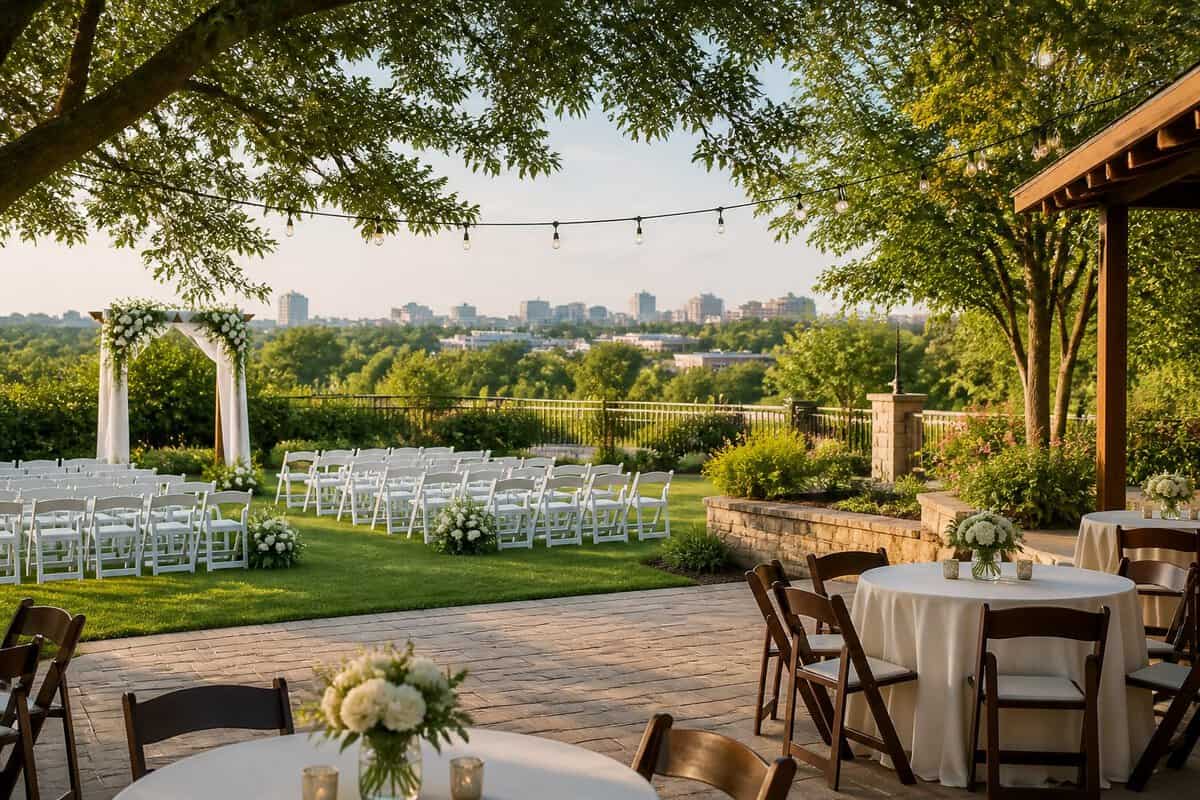
Public parks, rose gardens, and botanical gardens often provide lawns, mature trees, gazebos, paved paths, and strong photo settings. Permit prices vary by guest count, ceremony time, amplified sound, and reserved areas.
Ask whether the site provides seating, power, restrooms, trash service, and a rain location. Review parking limits and public access rules.
A garden with established landscaping can reduce floral costs, while a bare lawn may require more rentals and décor.
Public Beaches and Waterfront Settings
Public beaches and waterfront spaces create a relaxed setting for beach weddings and sunset receptions. Check tide conditions, wind exposure, noise restrictions, parking, restroom access, and alcohol rules.
You may need a permit for chairs, arches, tents, amplified music, or food service. Protect guest comfort with shade, water stations, fans, and a firm plan for sand-friendly footwear.
Ask whether local rules require event insurance.
National Parks and State Parks
National parks and state parks offer scenic ceremony areas at fees that can suit a small wedding. Requirements differ by park, so contact the local office before choosing a date or inviting guests.
Ask about permits, guest limits, parking passes, shuttle needs, accessibility, protected areas, photography, decorations, and cleanup. Some locations restrict confetti, flower petals, drones, open flames, and amplified music.
How to Plan for Weather and Restrictions
Outdoor plans need a practical backup with climate control, restrooms, power, and space for vendors. Reserve a tent or indoor room only after confirming that it meets your capacity and safety needs.
Review the forecast policy, cancellation terms, wind limits, fire rules, noise cutoff, and event insurance requirements. Keep décor light enough to secure safely, and give guests clear instructions about parking, footwear, shade, and temperature.
Match the Space to Your Wedding Style
Your wedding style should guide the venue format, guest capacity, floor plan, and décor plan. Small wedding venues support focused celebrations, while barns, vineyards, rooftop terraces, and flexible halls create distinct settings for a larger wedding reception.
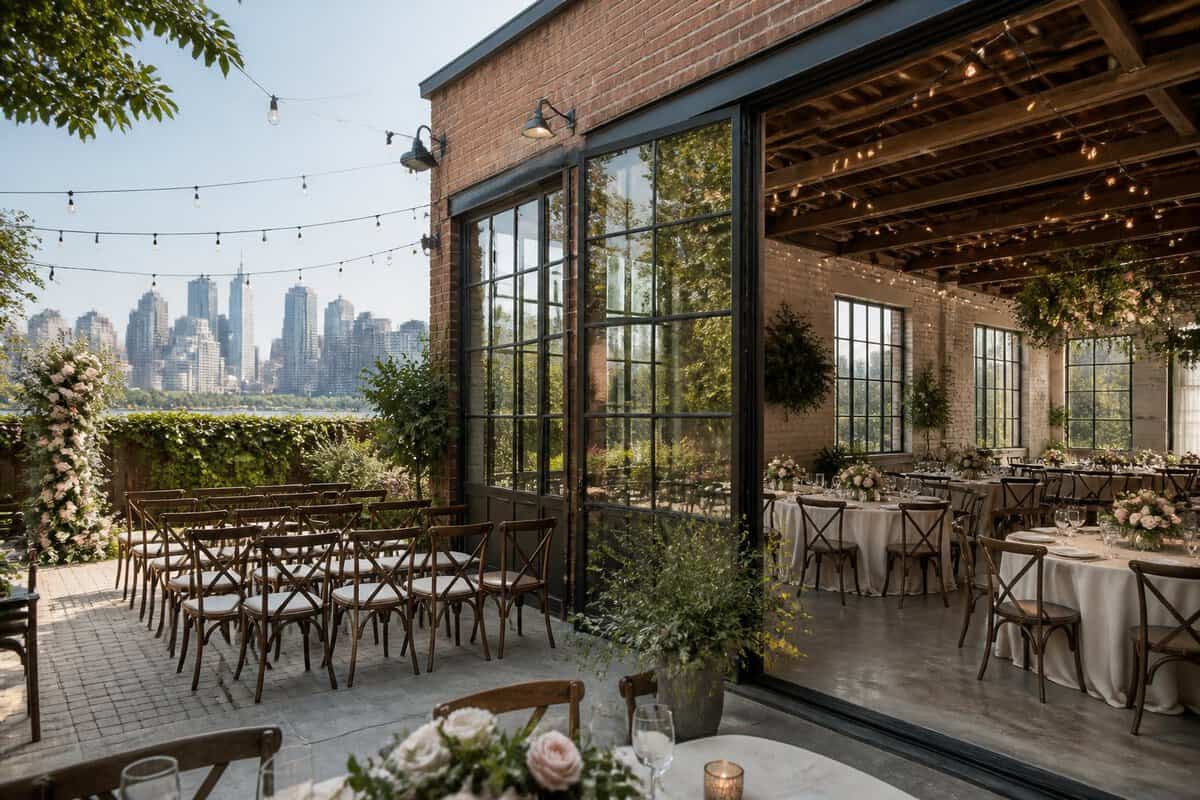
Small Wedding Venues for Intimate Receptions
Small wedding venues work well for guest lists that prioritize close family and friends. Private dining rooms, courthouses, libraries, garden rooms, and studios keep the event personal and reduce food, rental, and staffing costs.
Choose a room that fits your ceremony chairs, dinner tables, bar, gifts, and dance area without crowding. For more guidance on layout and capacity, use these tips for choosing the perfect venue for a small wedding.
Barn Wedding and Vineyard Alternatives
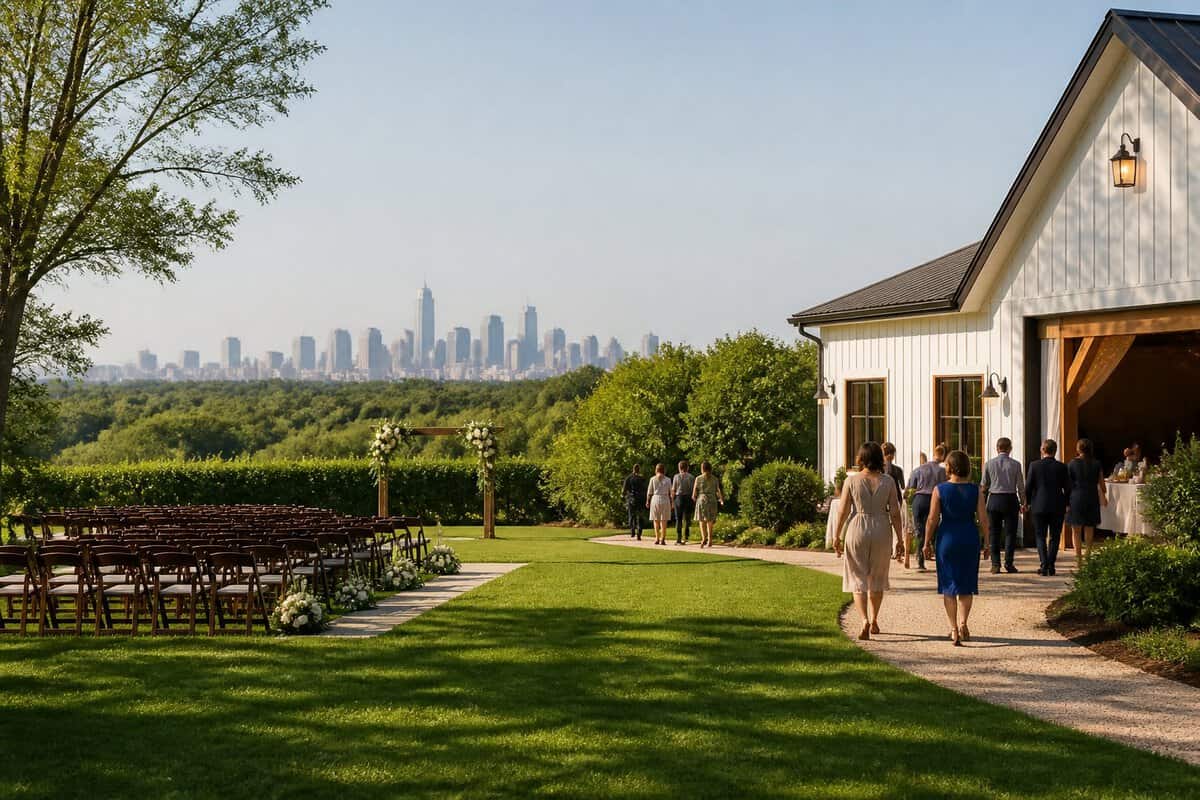
A barn wedding or vineyard celebration gives you a strong setting through wood beams, open fields, vines, and natural textures. City-adjacent farms, wineries, and restored agricultural buildings can offer this style within a manageable drive.
Ask about heating, cooling, restrooms, parking, lighting, catering access, and weather protection. Check whether the rental includes ceremony space, reception space, tables, chairs, and a rain plan.
A venue with existing character lets you use fewer large décor pieces.
Rooftop Terrace and City-View Celebrations
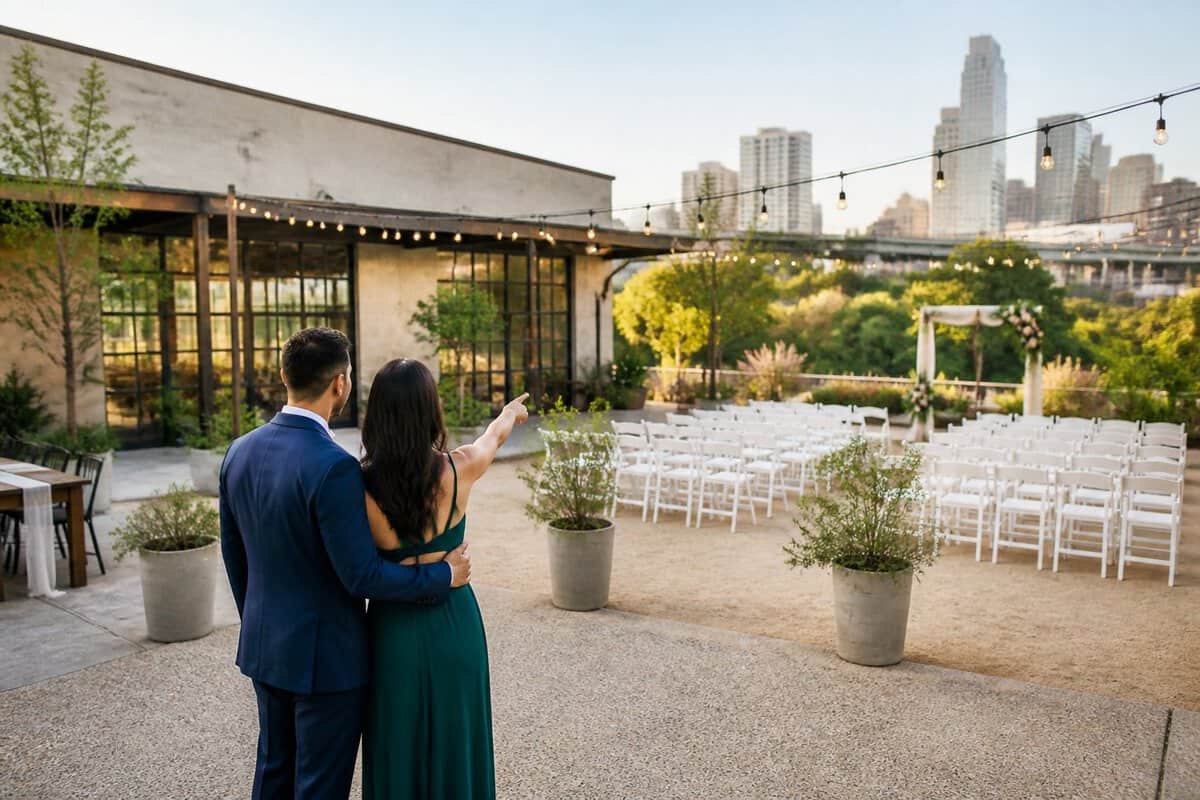
A rooftop terrace creates a city-view celebration without the cost of a large traditional ballroom. It suits cocktail receptions, dinner service, and short ceremonies with a limited guest count.
Confirm elevator access, noise rules, wind protection, restroom access, power, tent policies, and the latest event end time. Ask whether the venue provides furniture and lighting.
String lights, candles where permitted, and compact floral arrangements can define the space without blocking the skyline.
How to Create Atmosphere on a Modest Budget
Use the venue’s strongest feature as your design anchor. A garden needs less floral décor, a historic room needs fewer backdrops, and a rooftop needs little beyond comfortable seating and warm lighting.
Focus your spending on guest comfort and high-visibility areas:
- Place string lights over the dining or dancing area.
- Use candles or battery lights where venue rules allow.
- Rent linens in one strong color.
- Add a simple ceremony arch that doubles as a reception backdrop.
- Use bud vases or potted plants across dinner tables.
More ideas for affordable styling appear in these wedding decor ideas and how to decorate a wedding venue on a budget.
How to Find and Book the Right Space
The right affordable wedding venue fits your guest count, style, schedule, vendor plan, and complete budget. Search across civic buildings, parks, restaurants, cultural spaces, private rentals, and religious institutions before choosing a tour list.
Where to Search Beyond Wedding Listings
Search city and county recreation pages, parks departments, historic preservation groups, museums, universities, cultural centers, restaurants, breweries, and community organizations. Local event planners and caterers can also point you toward affordable wedding locations with reliable facilities.
Use venue directories to compare photos, capacity, reviews, and starting prices, then verify every detail with the venue owner. Save spaces that offer flexible dates, outside catering, included furniture, parking, and an indoor backup.
Questions to Ask Before Signing a Contract
Ask these questions during every tour or call:
- What is the full rental price, including taxes and service fees?
- What does the fee include?
- How many guests fit with ceremony, dinner, and dancing?
- When can vendors enter for setup?
- What are the cleanup and overtime rules?
- Can you bring your own caterer, alcohol, cake, and rentals?
- Is event insurance required?
- What happens if weather, illness, or another emergency affects the date?
- Are there noise, candle, décor, parking, or accessibility restrictions?
- When is the deposit due, and what is the cancellation policy?
Request a detailed written quote after you answer these questions. Keep the contract, floor plan, rules, payment schedule, and approved vendor list together.
How to Compare Affordable Wedding Locations Fairly
Compare the total event cost for the same guest count, hours, menu level, and service needs. A $2,000 room can cost more than a $3,000 package after rentals, staffing, catering, transportation, and cleanup.
Create a simple comparison sheet with:
- Base rental and deposits
- Food, beverage, and service costs
- Tables, chairs, linens, and lighting
- Setup, cleanup, security, and overtime
- Parking and transportation
- Insurance and permit fees
- Backup space and weather coverage
Tour your top affordable wedding venues at the same time of day as your planned event. Check parking, restrooms, accessibility, sound levels, guest flow, and vendor access before you request quote revisions or sign the wedding venue contract.