
Affordable Wedding Venues DFW: How to Find Real Value
Wedding planning in Dallas, Texas, gives you plenty of beautiful choices, from city galleries to garden spaces across Dallas/Fort Worth. The challenge is finding a venue that fits your guest list and style while keeping the full wedding budget under control.
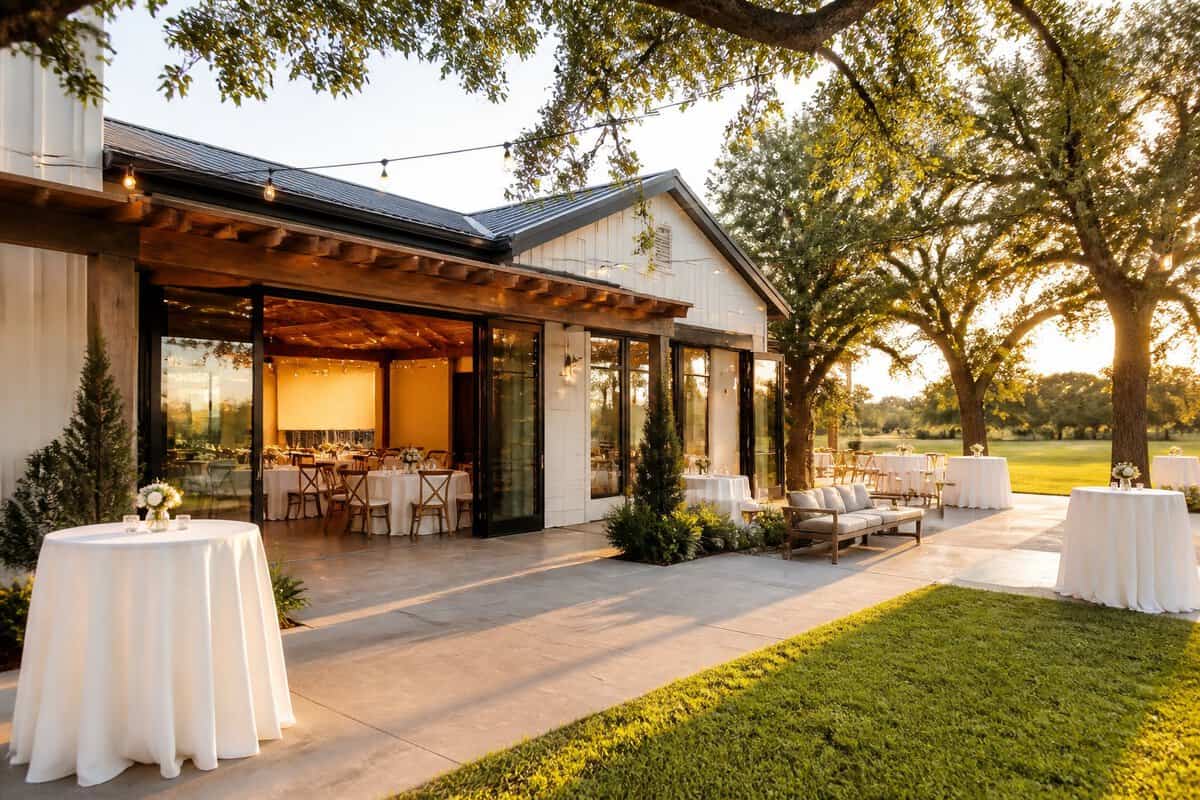
Affordable wedding venues in Dallas become easier to compare when you price the complete celebration, including catering, bar service, rentals, staffing, and venue time. A lower rental fee can lose its value when required vendors, service charges, or overtime costs appear later.
Set your guest count, preferred date, and top priorities before requesting quotes. Then ask each venue for a written estimate based on your plans. You can also explore cheap wedding venue ideas while building your shortlist.
What Does an Affordable DFW Venue Actually Cost?
An affordable DFW venue commonly falls between $4,000 and $9,000 for venue-only rental, while all-inclusive wedding packages often range from $8,000 to $25,000 or more.
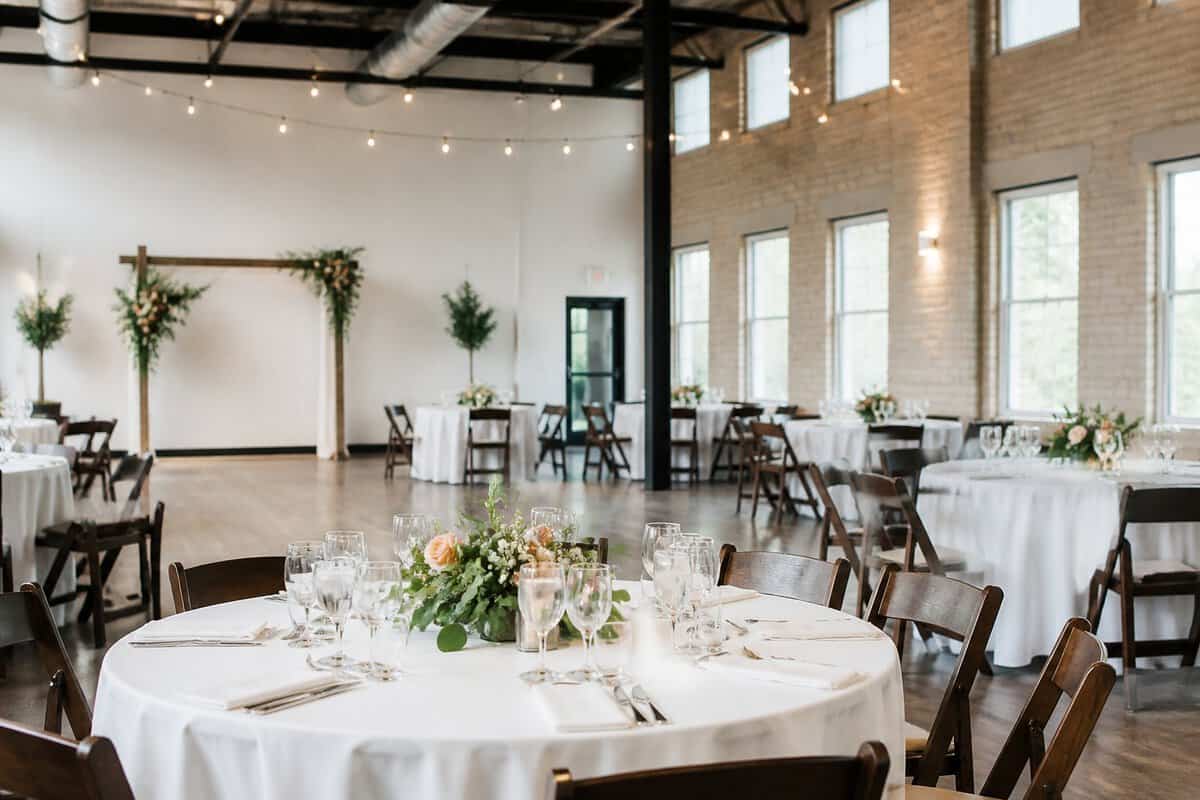
Your final price reflects guest count, date, included services, and the time your vendors receive for setup and cleanup. A weekday or Sunday wedding can create room for catering, décor, or photography within the same total budget.
Compare the Full Wedding Cost, Not Just the Rental Fee
A venue-only quote may cover the room, ceremony area, tables, chairs, and a set rental period. You still need to price catering, staffing, bar service, rentals, music, coordination, and décor.
All-inclusive wedding packages combine several of these costs into one contract. For example, a venue with a $6,500 rental fee can become much more expensive after adding catering, a DJ, coordination, rentals, and a bar.
Ask for the estimated total for your exact guest count. Request details about service charges, gratuity, catering minimums, outside-vendor fees, and overtime.
How Guest Count Changes the Venue Budget
Guest count affects food, drinks, rentals, staffing, and the size of the event space. A 50-person wedding might fit a small gallery or chapel, while a 150-person wedding needs more seating, restroom capacity, parking, and service support.
Reducing the guest list can also unlock venues with lower rental fees and more flexible layouts. Use a written guest estimate before touring spaces so you do not compare a large ballroom with a small event room on different pricing assumptions.
What Is Usually Included in Wedding Packages?
Wedding packages often include the venue, tables, chairs, ceremony space, reception space, setup, and cleanup. Higher package levels may add catering, bar service, a DJ, coordination, linens, or basic décor.
Ask whether the package includes a cocktail reception, rehearsal dinner, cake cutting, and a ceremony backup location. Confirm how many hours you receive and whether your photographer, florist, and entertainment vendors can access the space before guests arrive.
Choose the Right Venue Type for Your Budget and Style
The best venue type connects your guest count with the setting you want, since a space that already fits your style reduces rental, décor, and layout costs.

Ballrooms suit larger celebrations, while chapels, gardens, galleries, and outdoor spaces can provide character for smaller weddings. Review the venue’s included furniture, vendor rules, weather plan, and rental hours before you compare prices.
Ballrooms and Banquet Halls for Larger Guest Lists
A ballroom or banquet hall works well when you need a large dance floor, full meal service, and room for many tables. These venues may include chairs, tables, linens, staging, kitchen access, and staff.
Ask about food and beverage minimums, parking fees, room flips, and required caterers. A lower rental rate may come with a higher minimum spend, so place the full quote beside your expected guest count.
Chapels and Gardens for Intimate Celebrations
A wedding chapel gives you a dedicated ceremony setting with built-in seating and a clear flow from vows to photographs. Garden wedding spaces bring natural color and texture that can reduce floral and décor costs.
A chapel wedding or garden celebration suits a small wedding with a shorter timeline. Check whether the venue also provides a reception room, indoor backup, dressing areas, and private time for portraits.
Industrial Galleries and Flexible Event Spaces
An industrial gallery or open event space gives you control over the layout and design. Brick walls, tall windows, concrete floors, and artwork can create a strong look with a few focused décor pieces.
Flexible spaces may require you to rent furniture, lighting, linens, and kitchen equipment. Price those items before booking, then confirm the loading schedule and cleanup requirements.
Waterfront, Rustic, and Outdoor Settings
An outdoor wedding venue near a lake, ranch, or wooded area creates a memorable setting with less need for added decoration. Waterfront and rustic wedding sites may offer patios, barns, lawns, or covered pavilions.
North Texas weather requires a firm backup plan. Confirm the rain location, cooling options, tent policy, and decision deadline for moving the wedding ceremony indoors.
Affordable Venue Picks Across Dallas-Fort Worth
Affordable Dallas wedding venues appear in many settings, from urban galleries in Downtown Dallas and Deep Ellum to lakefront and garden properties outside the city core.
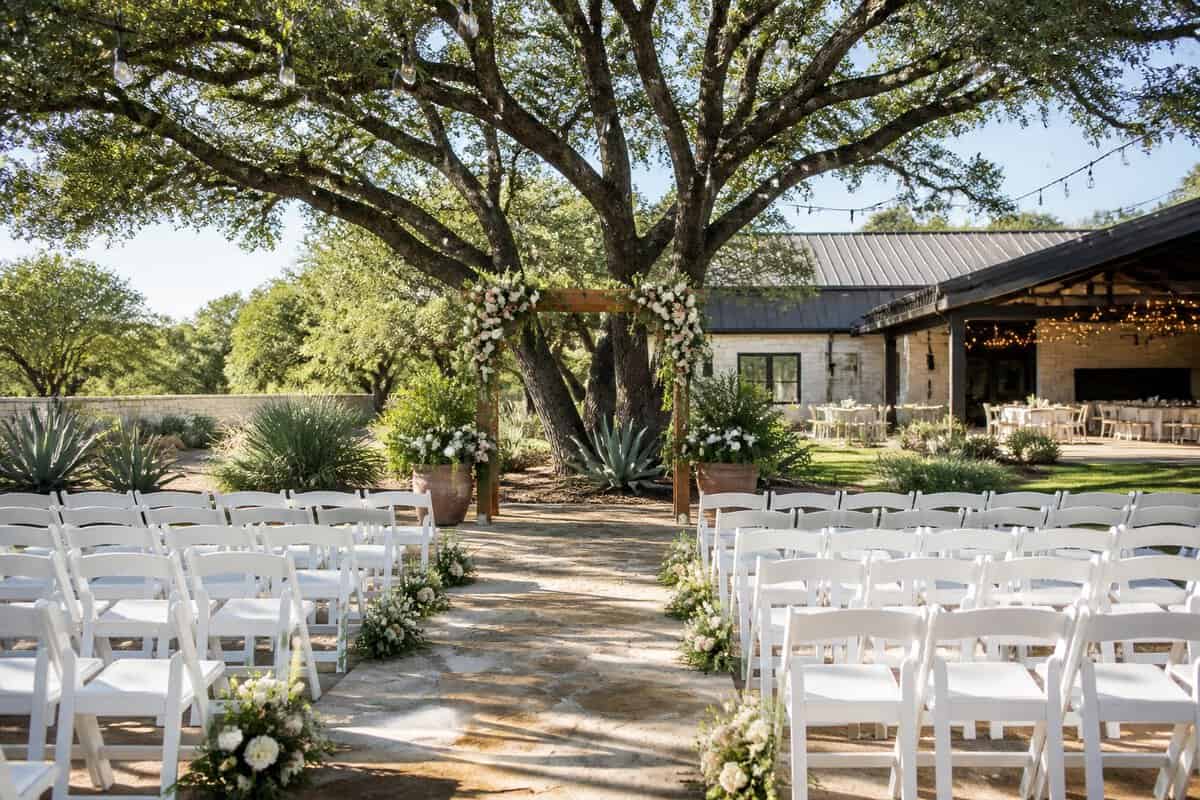
Compare travel time, parking, vendor access, and included rentals along with the venue fee. Properties such as The Filter Building, Luminarte Gallery, and Little Wren Weddings show how different settings can serve different budgets and guest counts.
Dallas Proper: Downtown, Deep Ellum, and South Dallas
Downtown Dallas venues offer skyline views, hotels, restaurants, and easy access for out-of-town guests. Deep Ellum galleries and creative spaces bring urban character to smaller receptions, while South Dallas can provide larger floor plans with a different cost structure.
Ask about parking, security, noise limits, elevator access, and event end times. These details affect the guest experience and may add costs to an urban wedding.
Waterfront and Garden Options Near White Rock Lake
White Rock Lake gives you a natural setting near Dallas with water views, open lawns, and photo locations. Garden venues can support a ceremony and reception in one property, which reduces transportation needs.
Check park rules, permit requirements, restrooms, power, lighting, and rain coverage. Ask whether the venue has a private getting-ready room and a controlled area for catering service.
North and East DFW: Rockwall and McKinney
Rockwall and McKinney offer access to outdoor properties, historic buildings, gardens, and flexible event spaces. These areas may provide more room for the price, along with easier parking and larger outdoor areas.
Travel time becomes part of your plan, especially when guests stay in Dallas or Fort Worth. Include shuttle service, hotel distance, and vendor mileage when comparing an outer-metro venue with a central location.
Fort Worth and Outer-Metro Alternatives
Fort Worth venues range from historic buildings and chapels to barns, ranches, and open-air spaces. Outer-metro options can give you a larger ceremony site, more parking, and a relaxed reception layout.
Little Wren Weddings and other smaller properties may suit couples who want personal service and a focused guest list. Confirm each venue’s maximum capacity, package rules, and vendor access before placing a deposit.
How to Evaluate a Venue Before You Book
A venue deserves serious consideration when its price, capacity, rules, timeline, and backup plans all match your wedding ceremony and wedding reception needs.

Use the same question list for every tour. Written answers make it easier to compare event space details after several visits, especially when each venue presents pricing in a different format.
Ask About Catering, Bar, and Vendor Restrictions
Confirm whether you may choose your own caterer, baker, florist, DJ, planner, and bartender. Ask about preferred vendor lists, required vendors, corkage fees, kitchen access, and outside-catering charges.
Request the full bar policy, including alcohol packages, bartending staff, security, mixers, glassware, and last-call timing. A venue with flexible catering rules may save money if you already have trusted vendors.
Check Capacity, Setup Time, and Weather Backup Plans
Verify the seated capacity with your preferred table layout, dance floor, buffet, DJ, and ceremony seating. Ask how many hours your rental includes and whether setup and cleanup count toward that time.
For an outdoor plan, inspect the indoor backup space in person. Confirm when the weather decision must be made, who makes it, and whether moving indoors creates a room-flip fee.
Confirm Bridal Suite, Parking, and Accessibility Details
Ask whether the bridal suite is private, climate-controlled, furnished, and included in the rental. Check the groom’s or partner’s preparation area as well.
Review parking capacity, overflow parking, rideshare access, lighting, restrooms, ramps, elevators, and accessible seating. Share these details with guests who need mobility support before invitations go out.
Compare Ceremony and Reception Logistics
Ask whether the ceremony and reception use separate rooms or one shared space. A shared room may require a flip during the cocktail reception, which affects staffing, timeline, and cost.
Confirm the path from the ceremony to portraits, cocktail hour, dinner, and dancing. Ask where vendors load in and where gifts, cake, personal items, and late-night food will be stored.
Ways to Stretch a DFW Wedding Venue Budget
You can lower venue costs by changing the date, guest count, package structure, or décor plan while keeping the guest experience comfortable.
Consider Weekday, Sunday, and Off-Season Dates
Saturday evenings carry the highest demand across many DFW venues. Friday, Sunday, weekday, and off-season dates often open lower pricing tiers.
January, February, July, and August can offer more availability than spring and fall. Ask whether the venue applies different rates to brunch, afternoon, and evening events.
Use a Smaller Guest List to Unlock Better Spaces
A smaller guest list reduces food, bar, staffing, linen, and rental costs. It also opens intimate chapels, galleries, gardens, and private rooms that would feel too small for a large reception.
Prioritize the people you want present before touring venues. A clear guest target helps you avoid paying for unused capacity.
Choose Packages That Reduce Rental and Staffing Costs
Compare wedding packages by listing every included service and every upgrade. A package that includes setup, cleanup, tables, chairs, linens, coordination, and basic bar service may reduce separate rental and staffing bills.
Ask whether the package includes a cocktail reception, cake service, ceremony setup, and rehearsal dinner access. Confirm taxes, service charges, gratuity, and overtime in the written quote.
Save on Décor by Letting the Setting Do the Work
Choose a space with attractive architecture, trees, views, artwork, or built-in lighting. Then focus your décor budget on the ceremony focal point, guest tables, and a few high-impact areas.
You can find more ideas in this guide to how to decorate a wedding venue on a budget. Ask whether the venue includes votives, arches, easels, lounge furniture, or string lights before renting duplicates.
Match Your Vision to a Shortlist of Venues
Your shortlist should pair each wedding style with a venue that already supports its layout, atmosphere, and guest count.
For a Classic Estate or Mansion Wedding
Lone Star Mansion and Thistle Hill suit couples who want formal architecture, landscaped grounds, and a classic estate feel. These settings can support elegant portraits and a structured ceremony-to-reception timeline.
Ask about guest capacity, indoor reception space, rain coverage, required vendors, and package minimums. An estate venue may reduce décor needs while adding travel or rental costs, so include every line in the estimate.
For an Artful City Celebration
Luminarte Gallery offers an art-focused setting for a city celebration with a distinctive backdrop. Gallery spaces work well for cocktail-style receptions, smaller seated dinners, and creative layouts.
Confirm hanging restrictions, lighting rules, furniture availability, music limits, and load-in timing. Price rentals for seating, dining tables, linens, and catering equipment if the gallery provides an open shell.
For an Intimate Chapel or Garden Day
A wedding chapel or garden wedding site fits a smaller celebration with a calm ceremony and a compact reception. Look for a property that provides a private preparation room, ceremony seating, portrait areas, and weather coverage.
Ask whether the reception can remain on-site and whether the venue supports brunch, lunch, or early evening packages. These time slots may fit a smaller budget and a shorter guest schedule.
For a Relaxed Texas Rustic Reception
Little Wren Weddings can appeal to couples who want a relaxed Texas setting with rustic character. Wood details, open land, and outdoor gathering areas provide a natural foundation for a casual reception.
Confirm restroom access, power, lighting, parking, catering space, and air-conditioned areas. Ask about the backup plan for heat, rain, and strong winds before you reserve the date.