
Affordable Wedding Venues GTA: 2026 Budget Guide
Toronto and the GTA give you many ways to host a beautiful wedding on a controlled budget. Affordable wedding venues range from community centers and restaurants to historic buildings, galleries, breweries, parks, and small hotels.
Your guest count, wedding date, menu, and venue rules will shape the final price more than the room’s appearance alone.
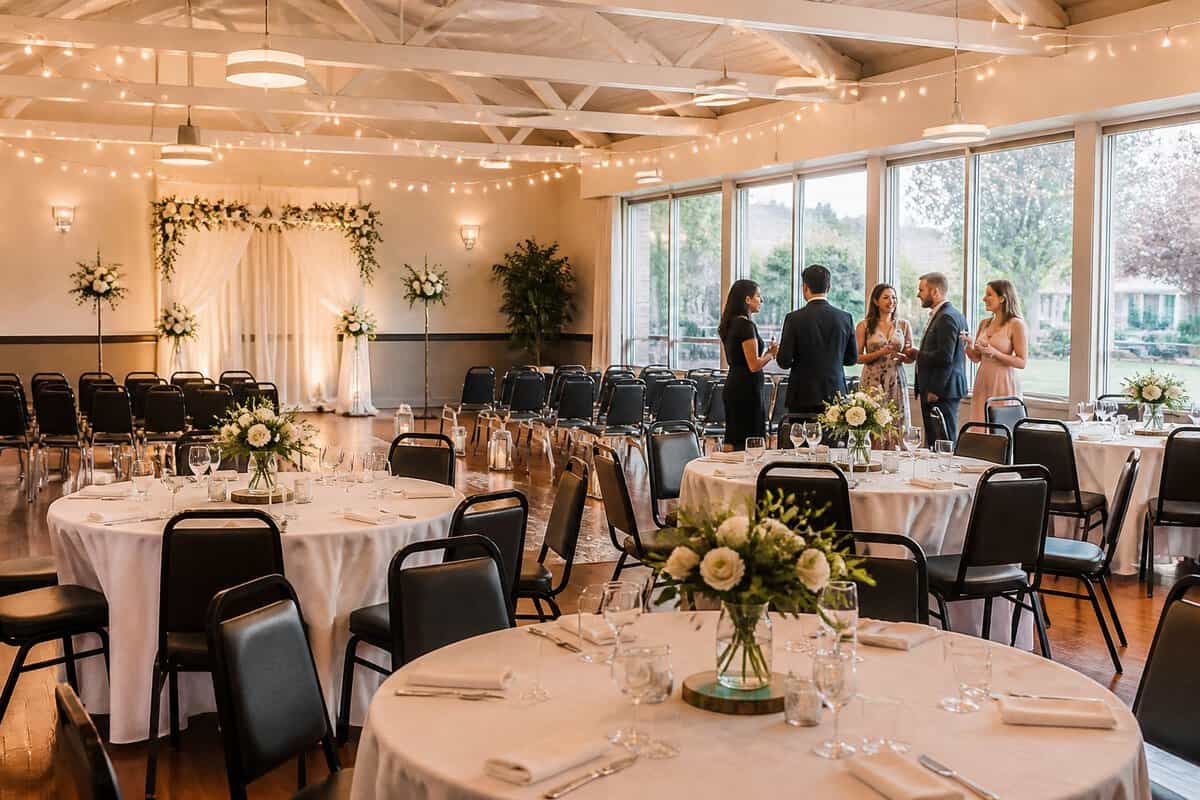
You can find an attractive venue within your budget by comparing the complete package, asking about hidden fees, and staying flexible about your date and location. Start with a clear guest list and a total venue allowance before you request quotes.
If you want help narrowing down wedding venues in the Greater Toronto Area, contact local venues early and ask for a full 2026 estimate.
What Does an Affordable GTA Wedding Venue Really Cost?
An affordable GTA wedding venue often costs less through a complete food-and-beverage package, an off-peak rental, or a smaller event space than through a low advertised room fee. Compare the full event cost before you decide which cheap wedding venues fit your plans.
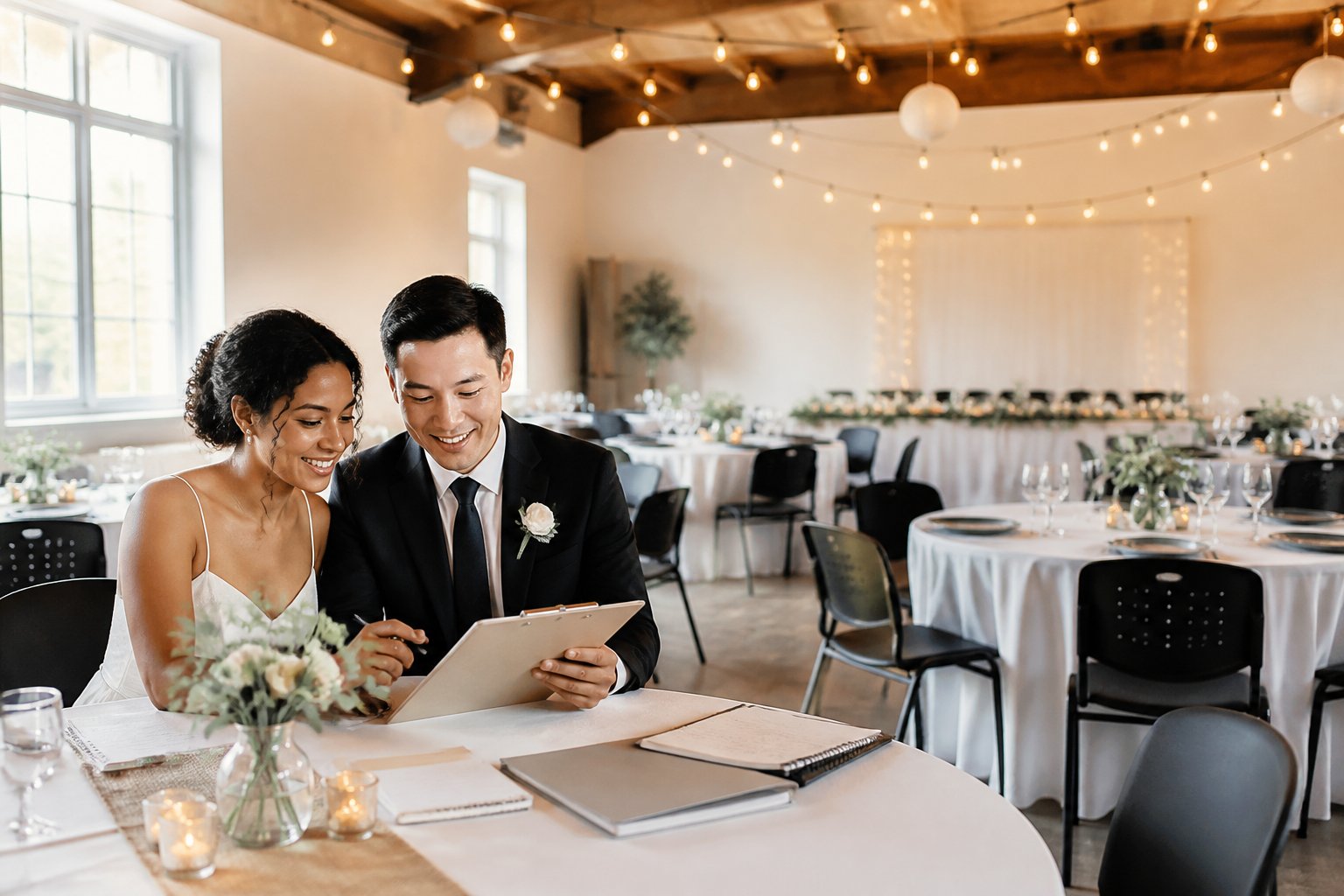
How Venue Pricing Is Usually Structured
Venues in Toronto, Ontario, and the surrounding GTA commonly use one of four pricing models:
- Flat rental fee: You pay for the room, date, furniture, and access hours.
- Per-person package: The price covers meals, service, basic rentals, and sometimes drinks.
- Food-and-beverage minimum: You commit to a set spend, with the room fee reduced or removed.
- Hourly rental: You pay for the time you use an event space, often with separate catering and rental charges.
A package priced per guest can look higher at first, yet it may include tables, chairs, linens, staffing, setup, and cleanup. An inexpensive room rental can grow quickly after you add those services.
Which Extras Can Change the Final Bill
Ask each venue for a written estimate that lists taxes, service charges, gratuity, staffing, security, insurance, setup time, and cleanup. Confirm whether the quote includes ceremony seating, a bridal suite, coat check, audio equipment, dance-floor space, and wedding reception access.
Catering rules also affect your total. Outside food, cake-cutting, corkage, late-night snacks, vendor meals, and bar service may carry separate charges.
Ask whether the venue requires an approved caterer or limits your alcohol choices.
When a Minimum Spend Offers Better Value Than a Rental Fee
A minimum spend can work well when your guest list supports the required food and beverage total. Restaurants, hotels, and some event spaces may waive a room fee when you meet that threshold.
Calculate the minimum spend by multiplying the required amount per guest by your confirmed head count. Then add taxes, gratuity, and any service fees.
A venue with a higher minimum can still fit your budget when it includes dinner, drinks, furniture, staff, and basic décor.
How to Choose a Venue That Fits Your Budget
The best budget-friendly wedding venues match your guest count, ceremony plan, catering needs, and transportation options from the start. A smaller room with useful inclusions often gives you more value than a large hall with many paid add-ons.

Match Capacity to Your Guest List
Build a realistic guest list before you tour wedding venues in Toronto. A room designed for 40 guests may feel warm and polished for an intimate wedding, while a 200-person hall may require extra décor to feel full.
Micro weddings open the door to private dining rooms, restaurants, galleries, studios, and small heritage properties. Ask about minimum guest counts, seating layouts, dance-floor requirements, and whether unused areas remain closed during your event.
Compare Ceremony and Reception Logistics
Holding your ceremony and reception at one location cuts transportation costs and simplifies the timeline. Check the room-change plan, ceremony seating, cocktail area, accessibility, restrooms, and time needed for staff to reset the space.
Ask when vendors can load in and when guests must leave. A venue with short access hours may require rush fees or extra labor.
Include those costs when comparing downtown Toronto spaces with locations outside the core.
Ask About Catering, Bar, and Vendor Rules
Request the venue’s catering menu, bar options, service fees, and vendor policy before you book. Some restaurants include meals through a minimum spend, while community centers and halls may let you bring in licensed caterers.
Confirm corkage, cake-cutting, kitchen access, refrigeration, dishware, and cleanup duties. If you want to explore food choices in depth, these tips for choosing the perfect venue for a small wedding can help you connect menu decisions with room size and guest experience.
Prioritize Location, Transit, and Parking
A venue near subway service, GO Transit, or major roads can reduce guest travel stress and shuttle costs. Compare parking fees, accessible entrances, rideshare pickup areas, and nearby hotels.
A lower rental fee in a distant location may lose its savings after you add transportation, guest accommodations, and vendor travel charges. Put estimated travel costs beside every venue quote.
Creative, Historic, and Urban Spaces to Consider
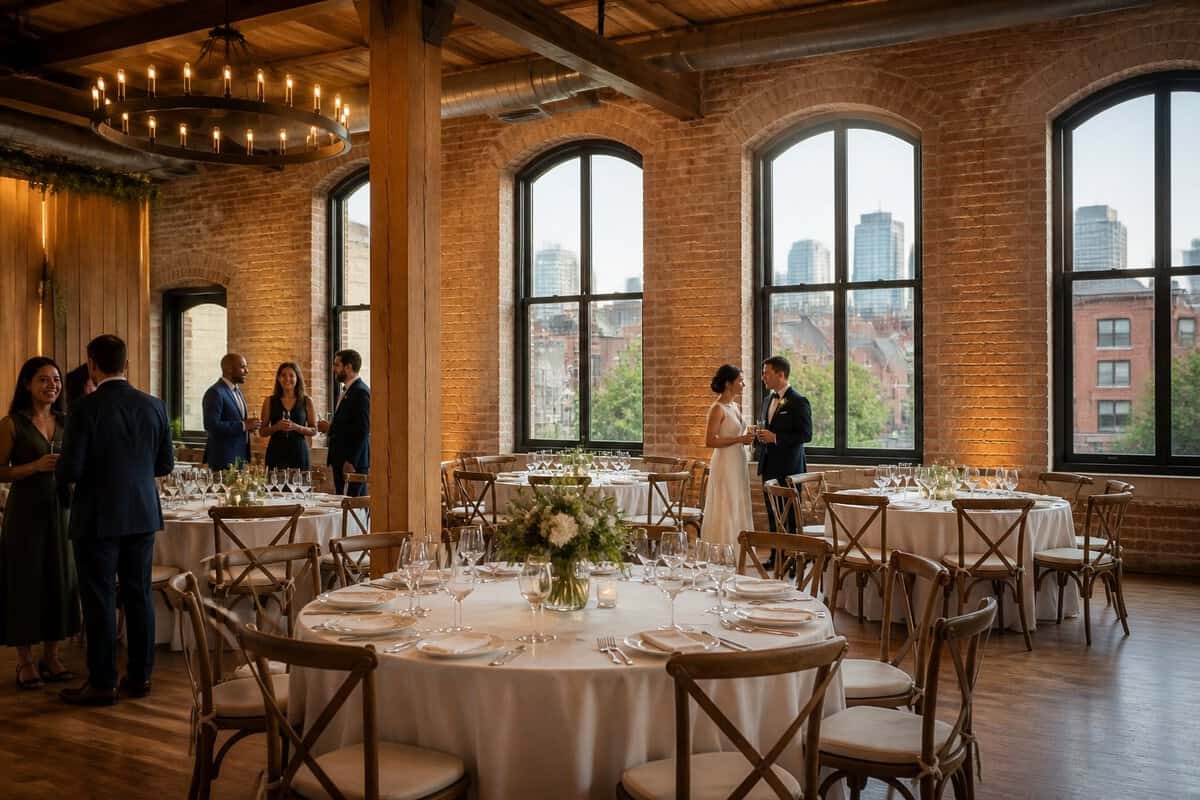
Creative and heritage properties give you strong visual character through architecture, artwork, exposed brick, or built-in furnishings. These details can reduce décor spending while giving your wedding a distinct Toronto feel.
Arts, Gallery, and Studio Venues
Arts spaces suit couples who want flexible layouts and a modern setting. Artscape Wychwood Barns, Daniels Spectrum, Artscape Sandbox, The Jam Factory, and The Arts and Letters Club of Toronto offer different combinations of studio, gallery, and event space character.
Ask about lighting, sound limits, wall attachments, preferred vendors, and setup time. The Great Hall and The Richmond provide strong architectural backdrops, while smaller studios can suit micro weddings with a focused guest list.
Heritage Buildings With Character
Historic buildings often supply visual detail through woodwork, masonry, high ceilings, and original design. Enoch Turner Schoolhouse, The Enoch Turner Schoolhouse, Hart House, and The Lodge on Queen suit couples who want a classic setting with a smaller footprint.
Check heritage restrictions before planning candles, hanging décor, amplified music, or outdoor installations. A space with built-in character can reduce floral and rental needs, though access rules may limit customization.
Industrial, Brewery, and Loft-Style Settings
Industrial venues work well for urban weddings with simple décor and flexible seating. Steam Whistle Brewery, The Burroughes, Garrison Bespoke, The Symes, and Carlton Cinema offer distinctive settings for receptions with a strong atmosphere.
Ask whether tables, chairs, glassware, lighting, and staff are included. Brewery and loft venues may have food, alcohol, noise, and closing-time rules that shape your package.
Restaurant and Boutique Hotel Celebrations
Restaurants and boutique hotels can simplify planning through in-house kitchens, service staff, and private dining rooms. The Gladstone Hotel, La Maquette, The Lodge on Queen, and similar spaces suit couples who value a complete dining experience.
Ask about room privacy, guest room blocks, menu flexibility, bar minimums, and late-night access. A restaurant celebration can work especially well for a small reception or a combined wedding and bridal shower weekend.
Outdoor, Waterfront, and Rustic Settings Across the GTA
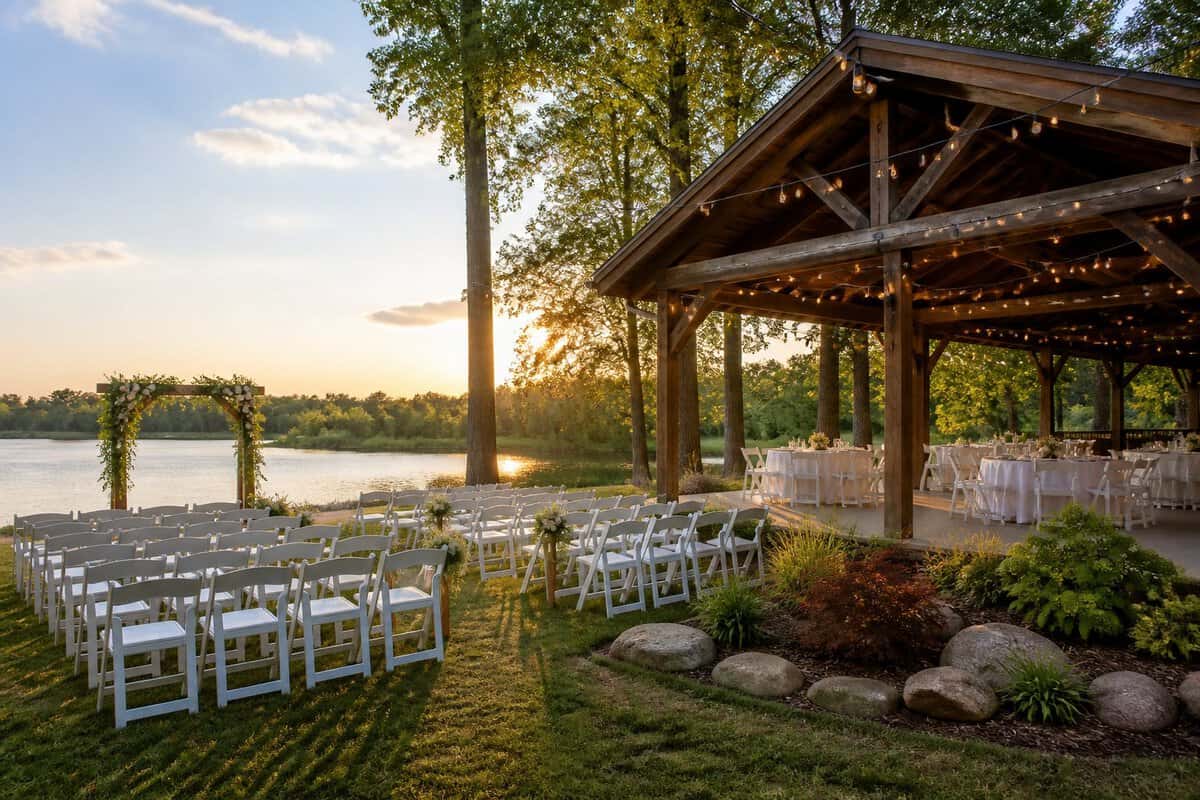
Outdoor wedding venues offer scenic settings and flexible layouts, with costs shaped by permits, rentals, weather plans, and power access. Parks, gardens, islands, waterfront clubs, and country properties each need a careful site plan before you sign.
Garden and Park Venues for Open-Air Ceremonies
Gardens and parks create natural ceremony décor through trees, flowers, paths, and open views. Consider Toronto Botanical Garden, Country Heritage Park, Alderlea, Humber College Lakeshore Campus, and The Assembly Hall for different combinations of gardens, historic buildings, and outdoor grounds.
Confirm ceremony permits, guest limits, washrooms, accessibility, music rules, parking, and photography policies. Ask whether the reception must take place indoors or through a separate approved structure.
Waterfront and Island Wedding Options
Waterfront locations bring strong views and a relaxed atmosphere. Ward’s Island Clubhouse, Artscape Gibraltar Point, The Henley Room, The Boulevard Club, and Palais Royale offer settings connected to Toronto’s waterfront.
Include ferry or water-taxi timing, guest mobility, weather delays, load-in access, and vendor transportation in your budget. Ask how late guests can remain on-site and whether a backup room is included.
Barns, Estates, and Country Escapes
Country settings give you room for outdoor ceremonies, photos, and relaxed receptions. The Lodge at Fairy Lake, The Lodge at Bond Head, and The Jamieson Ranch suit couples seeking a rustic or estate-style celebration outside the downtown core.
Compare travel time, accommodation, shuttle needs, heating, washrooms, power, and rental delivery. A lower venue fee can require more outside rentals, so request a complete equipment list.
How to Budget for a Rain Plan
Treat your rain plan as a required venue cost. Price a tent, indoor room, flooring, heaters, umbrellas, lighting, backup power, and extra setup time before you book an outdoor wedding.
Ask who makes the weather call and when the plan must be activated. Confirm whether the backup space holds your full guest count and reception layout.
Find Value by Neighbourhood and Wedding Format
Neighbourhood and format choices can lower venue costs by changing your guest travel needs, room size, and catering model. Compare downtown rooms with East-End halls, West-End properties, and small-format spaces before choosing a date.
Affordable Options in Toronto’s Core
Downtown Toronto venues suit couples who value transit, restaurants, hotels, and walkable guest access. The Vue Event Venue, The Richmond, The Burroughes, and smaller private dining spaces can work for receptions with focused guest lists.
Ask about weekday rates, lunch or brunch packages, shortened rental windows, and room minimums. Central venues may reduce transportation costs while charging more for parking or premium dates.
Scarborough and East-End Event Spaces
Scarborough offers banquet halls, restaurants, and community-style spaces with room for larger family celebrations. Scarborough Convention Centre can suit a bigger format, while smaller local event spaces may fit intimate weddings and cultural receptions.
Compare included tables, chairs, linens, kitchen access, stage equipment, parking, and vendor rules. Ask whether the venue has separate ceremony and reception rooms.
Etobicoke, Mississauga, and West-End Choices
Etobicoke and Mississauga give you access to larger rooms, hotels, waterfront properties, and venues near major roads. These areas can work well when your guests arrive from different parts of the GTA.
Compare The Vue Event Venue with West-End restaurants, hotels, and community facilities based on capacity, transit, parking, and package inclusions. Request a quote for your exact guest count because room minimums vary.
Use a Small Guest List to Unlock More Options
A smaller guest list gives you access to private rooms, restaurants, studios, heritage spaces, and boutique hotels. It also lowers food, bar, staffing, furniture, and transportation costs.
A micro wedding can support a more detailed meal, better photography coverage, or extra guest comfort within the same total budget. For planning ideas, review these tips for designing a budget-friendly small wedding.
Ways to Keep Venue Costs Down Without Compromising the Day
You can lower venue costs by changing the date, reducing unused space, selecting useful inclusions, and checking every contract charge. These choices preserve the parts of your wedding that guests notice most, including comfort, food, timing, and a smooth reception.
Choose Off-Peak Dates and Daytime Events
Monday through Thursday dates and off-season months often bring lower rental rates and more flexible packages. January through March and late fall dates may offer better availability than the busiest summer weekends.
Brunch, lunch, and afternoon receptions can lower food, bar, staffing, and room costs. Ask whether the venue offers separate pricing for daytime events, shorter access periods, or Sunday celebrations.
Build a Flexible Package Around Your Priorities
Tell the venue which features deserve your budget, such as dinner quality, an open bar, photography access, or a longer dance period. Ask whether the package can remove services you do not need.
Compare the cost of a custom package with the cost of separate vendors. A package with meals, furniture, linens, staff, and cleanup may save planning time and outside rental fees.
Use Built-In Décor and Included Furniture
Choose rooms with attractive architecture, lighting, flooring, windows, artwork, or outdoor views. Included tables, chairs, linens, candles, staging, and sound equipment can reduce rental orders.
Ask about setup, teardown, storage, and décor restrictions. These ways to decorate a wedding venue on a budget can help you focus spending on a few high-impact details.
Review the Contract Before You Commit
Read the payment schedule, cancellation terms, damage deposit, overtime rates, insurance rules, vendor restrictions, and final guest-count deadline. Confirm every promised inclusion in writing.
Check the exact tax and service-charge calculations. Ask who handles cleanup, what happens if your event runs late, and whether the venue can change pricing or room assignments.
Keep the signed quote, floor plan, and approved vendor list with your planning records.