
Affordable Wedding Venues Ontario: Costs and Smart Picks
Ontario gives you many ways to host a beautiful celebration without committing your entire budget to the venue. Affordable wedding venues range from private restaurant rooms and community halls to flower farms, waterfront inns, public parks, and flexible event spaces.
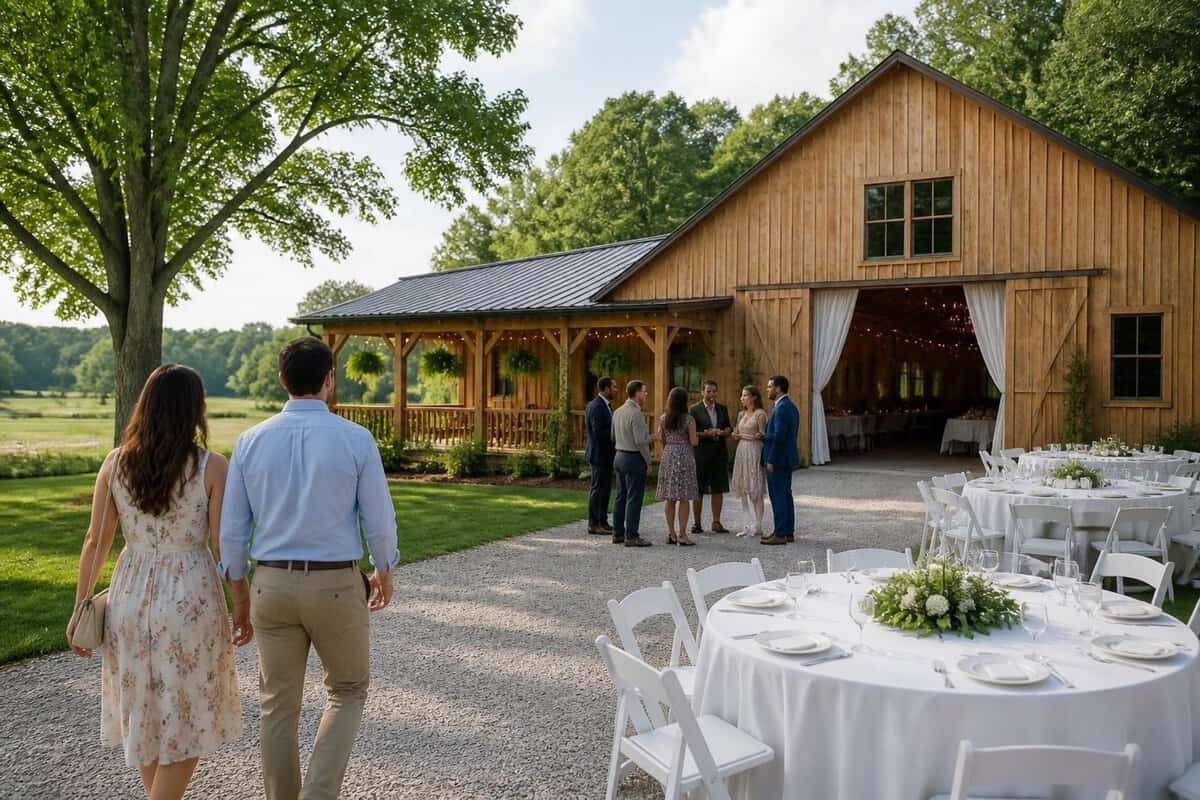
A smaller guest list, an off-peak date, and a clear list of included services can reduce your venue bill by thousands of dollars. You can also find value by looking beyond traditional banquet halls and comparing wedding venues in Ontario by total event cost instead of the rental price alone.
Start by setting your guest count and total venue budget, then request detailed quotes from affordable wedding venues that fit your style. A few focused inquiries can help you find a setting that feels special and keeps your spending under control.
What Does an Ontario Wedding Venue Really Cost?
An Ontario wedding venue can cost from a few hundred dollars for a basic outdoor permit or hourly rental to more than $10,000 for a larger event with food and services included. Your final price depends on guest count, date, catering rules, rental length, and included amenities.

Venue quotes often use different pricing models, so compare the full contract before choosing a space. A listing on Tagvenue might show a hire fee per hour, while another venue may quote a minimum spend per event or a per-person package.
Understanding Per-Person Pricing
Per-person pricing covers each guest and often includes a meal, service staff, tables, chairs, and basic linens. A $100 per-person package for 50 guests creates a $5,000 food and service bill before taxes, gratuities, alcohol, and upgrades.
Ask whether the quote includes:
- Cocktail hour food
- Main meal and dessert
- Coffee, tea, and soft drinks
- Staff and service fees
- Tables, chairs, linens, and place settings
- Ceremony space
A lower guest count can reduce the bill, though some venues set a minimum number of guests during peak dates.
Hourly Hire Fees, and Minimum Spends
An hourly hire fee works well for a ceremony, cocktail reception, or small gathering that needs limited venue time. Ask how the venue counts setup, vendor access, cleanup, overtime, and rehearsal hours.
A minimum spend per event requires you to spend a set amount on food, drinks, or venue services. For example, a restaurant might waive a room fee when your group reaches its food and beverage minimum. Confirm whether tax and gratuity count toward that total.
Which Extras Raise the Final Venue Bill?
Catering remains one of the largest additions, especially when you bring in premium menus, late-night snacks, or a hosted bar. Floral arrangements, upgraded rentals, lighting, security, cleaning, parking, and insurance can also increase your total.
Bridal suites and separate getting-ready rooms add convenience, while extra event spaces can raise the rental fee. Request an itemized quote that lists taxes, service charges, overtime, corkage, cake-cutting fees, and required vendors. For broader planning context, compare your quote with guidance on what do most wedding venues cost.
Which Venue Types Offer the Best Value?
Restaurants, parks, galleries, community halls, and small private properties often offer the best value because they reduce décor, staffing, or rental costs. The right event venue gives you useful amenities without charging for space you will not use.
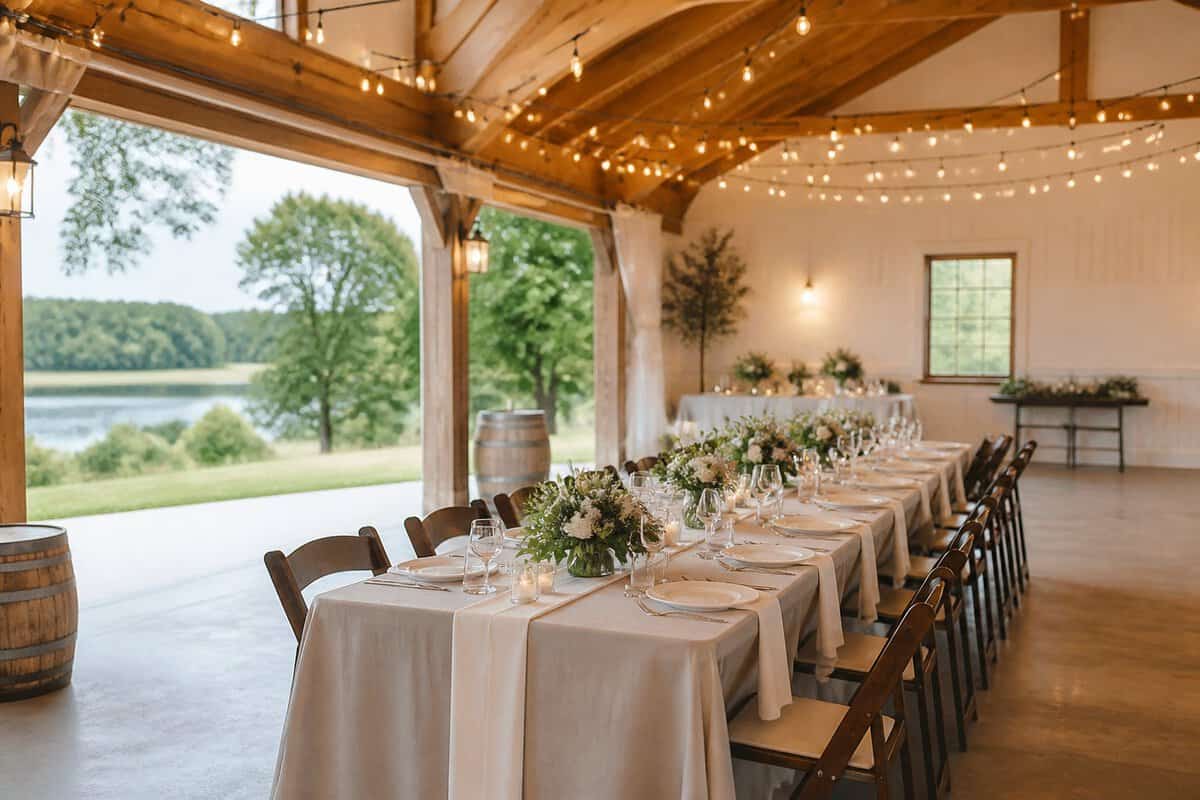
Consider how much work each setting requires before you compare prices. A low rental fee can lose its advantage when you need to rent every chair, hire a caterer, arrange lighting, and pay for cleanup.
Restaurant Weddings for Intimate Celebrations
A restaurant wedding venue suits a smaller guest list and a meal-focused celebration. Existing kitchens, tables, service staff, restrooms, and décor reduce the number of outside vendors you need.
Ask about private dining rooms, minimum spends, menu flexibility, bar packages, music limits, and end times. A restaurant can also simplify rain plans because your ceremony and reception stay indoors.
Parks, Beaches, and Other Low-Cost Outdoor Settings
Parks, beaches, conservation areas, and private gardens offer scenic outdoor space at a modest rental cost. Public sites may charge a permit fee, with some permits ranging from about $50 to $500 depending on location and event size.
Budget for chairs, a tent, portable restrooms, power, waste removal, weather protection, and a backup plan. Confirm rules for alcohol, amplified music, open flames, photography, and outside catering before you book.
Galleries, Community Halls, and Flexible Event Spaces
Galleries give you built-in character and a creative backdrop for photographs. Community halls and libraries often provide large rooms, kitchens, tables, and chairs at a lower rate than dedicated wedding venues.
Review the rental window carefully. A hall that charges by the hour might require separate setup and cleanup time, while a gallery may require approved vendors or extra insurance.
Inns, Cottages, and Small Estate Rentals
An inn, cottage, or small estate can combine lodging with ceremony and reception space. Shared accommodations can lower travel costs for your group, especially for a small wedding weekend.
Check occupancy rules, noise limits, parking, kitchen access, fire regulations, and event insurance. Ask whether the owner permits a caterer, tent, bar service, amplified music, and next-day cleanup. You can also explore cheap wedding venue ideas for more flexible formats.
Where to Find Budget-Friendly Settings Across Ontario
Budget-friendly settings appear across Ontario, with the strongest value often found in smaller towns, rural properties, cottage regions, and off-peak destinations. Newmarket, Huntsville, Lake Huron communities, and Prince Edward County each offer different ways to control venue costs.
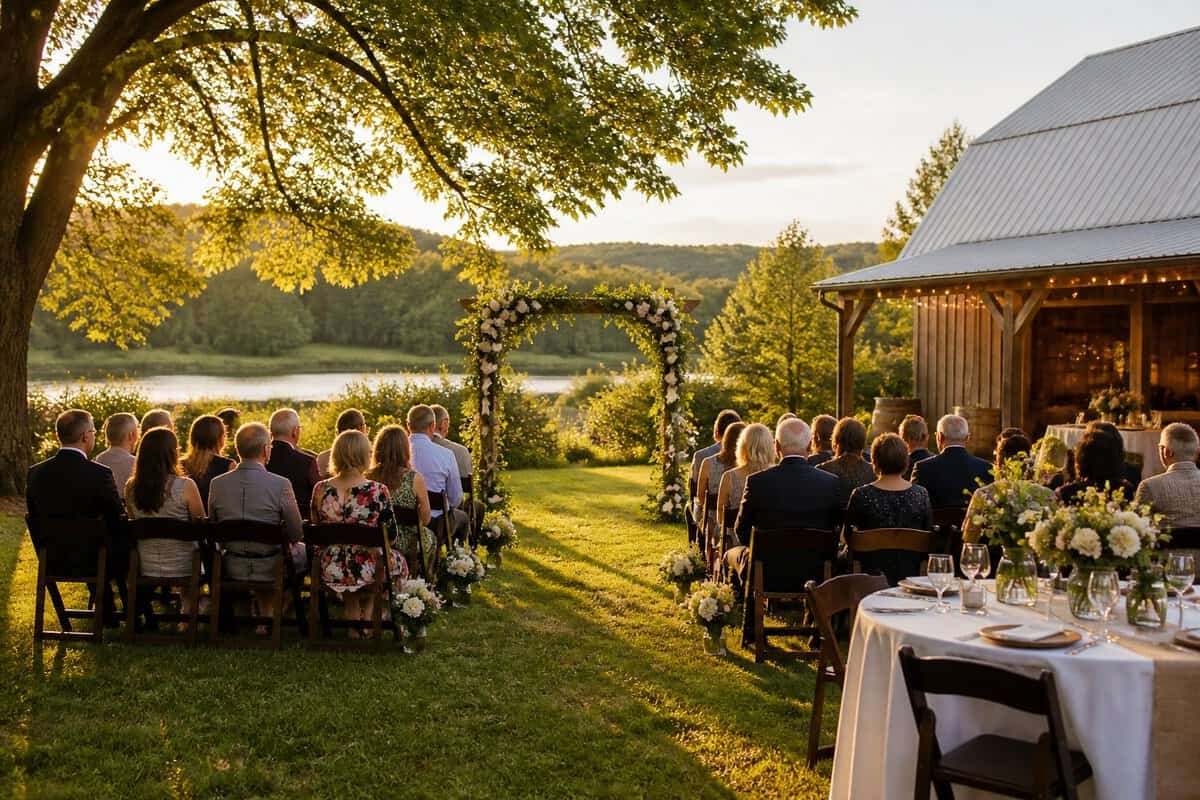
Travel distance affects the full budget, so include lodging, transportation, rentals, and vendor travel fees in your comparison. A lower venue rate can lose its savings when guests need extra nights or vendors charge long-distance fees.
Greater Toronto Area and Newmarket Options
The Greater Toronto Area gives you access to restaurants, historic buildings, community halls, farms, and industrial-style event spaces. Newmarket and nearby rural communities add barns, flower farms, and smaller properties with a quieter setting.
A flower farm near Newmarket can keep décor costs low because the landscape provides the ceremony backdrop. Small-capacity venues also help you avoid paying for a large room when your guest list stays under 50 people. Ask about food trucks, alcohol service, parking, and restroom access.
Cottage Country and Huntsville Getaways
Huntsville and the Muskoka region suit couples who want a relaxed wedding weekend near lakes and forest. Inns, lodges, cottages, and private estates offer ceremony space plus lodging for selected guests.
Compare a per-night property rental with a standard venue package. A property that sleeps your wedding party can reduce separate accommodation costs, though you still need to budget for catering, rentals, setup, cleanup, and transportation.
Waterfront Weddings Near Lake Huron
Lake Huron communities offer beaches, gardens, barns, bed-and-breakfasts, and lakefront lodges. Smaller waterfront properties can work well for elopements or receptions with fewer than 60 guests.
Ask about wind, rain, tent anchoring, sunset timing, shoreline access, and noise rules. A venue with an indoor barn or dining room gives you a practical weather plan without requiring a second rental.
Prince Edward County Wine Country Celebrations
Prince Edward County offers vineyards, farms, inns, barns, and boutique hotels with a strong sense of place. Weekday and off-season dates can open lower rates, while smaller guest lists help you use intimate spaces.
Wine country venues may include catering, local wine, tables, décor, or lodging in a package. Check minimum spends, shuttle needs, accommodation blocks, and vendor restrictions before you compare the offer with a venue-only rental.
Are Wedding Packages Worth It for Your Budget?
Wedding packages are worth considering when they combine services you already need at a clear total price. A package can reduce planning time and vendor coordination, while a venue-only rental gives you more control over each cost.

Review each package line by line. A low headline price can exclude taxes, gratuity, ceremony setup, alcohol, staffing, rentals, or cleanup. A higher quote can offer better value when it includes catering, floral arrangements, furniture, and coordination.
Comparing All-Inclusive Packages With Venue-Only Rentals
All-inclusive wedding packages may include the room, meal, bar, linens, tables, chairs, basic décor, staffing, and coordination. They work well when you want predictable costs and fewer contracts.
Venue-only rentals suit couples who have trusted vendors or want a DIY celebration. Add every required service to the rental price before deciding. Use a spreadsheet to compare identical guest counts, menu levels, service hours, tax, gratuity, and rental needs.
When Bringing Your Own Vendors Saves Money
Outside vendors save money when the venue permits competitive catering, rentals, florists, and beverage providers. Request at least two quotes for each major service and confirm delivery, setup, insurance, and cleanup responsibilities.
Some venues charge corkage, kitchen, preferred-vendor, or outside-catering fees. A cheaper caterer loses its advantage when those charges exceed the package difference. Confirm the venue’s rules before you sign with any supplier.
How Ceremony-and-Reception Bundles Reduce Costs
A ceremony-and-reception bundle lets you use one property, one setup crew, and one weather plan for the full day. You also avoid guest transportation between locations and reduce duplicate rental orders.
Ask whether the ceremony area, chairs, arch, rehearsal time, room flip, and cocktail space are included. A bundle works best when the ceremony and reception layouts fit your guest count without requiring a second room or major furniture move. See what do most wedding packages include before comparing package details.
How to Book a Venue Without Overspending
You avoid overspending by matching the venue to your guest list, checking every fee, and choosing a date with lower demand. A clear contract turns affordable wedding venues into predictable event costs.
Match Capacity and Layout to Your Guest List
Choose a room that fits your guest count and planned layout. A space designed for 150 guests can feel empty and cost more when your list has 45 people.
Ask for a floor plan showing dinner tables, dance space, the bar, buffet, DJ or band, gifts, ceremony seating, and accessible routes. Check whether the venue has a separate room for getting ready and whether guests can move between spaces easily.
For a small celebration, compare restaurants, inns, galleries, community halls, and compact event spaces. A venue that supports your exact size can reduce rental needs and décor spending.
Ask About Hidden Fees, Restrictions, and Required Vendors
Request a written quote that lists the base rental, service charges, tax, gratuity, security, insurance, cleaning, overtime, deposits, cancellation terms, and damage fees. Ask who supplies tables, chairs, linens, glassware, lighting, sound equipment, and waste removal.
Confirm rules for outside catering, alcohol, candles, décor installation, music volume, pets, photography, and vendor access. Required vendors can affect your budget, especially when the venue’s preferred caterer or rental company has fixed rates.
Keep every promise in the signed contract. Verbal details about access hours or included items are difficult to rely on after booking.
Use Off-Peak Dates and Early Booking Discounts
Friday, Sunday, weekday, winter, and early-spring dates often carry lower rates than peak Saturdays in summer and fall. Ask each venue for its complete date-based price list before choosing a season.
Early booking can secure a lower rate, preferred vendors, and better guest accommodations. Hold your date only after you understand the deposit schedule and cancellation policy.
If your date is flexible, ask for open dates, short-notice offers, small-wedding rates, and local discounts. Then compare the total contract price with your planned budget using how to manage wedding expenses.