
How to Manage Wedding Expenses? Tips for a Budget-Friendly Celebration
Managing wedding expenses can feel overwhelming, but it doesn’t have to be. To effectively manage your wedding costs, start by creating a realistic budget that includes all your anticipated expenses. This will help you see where your money is going and identify areas where you can cut back if needed.
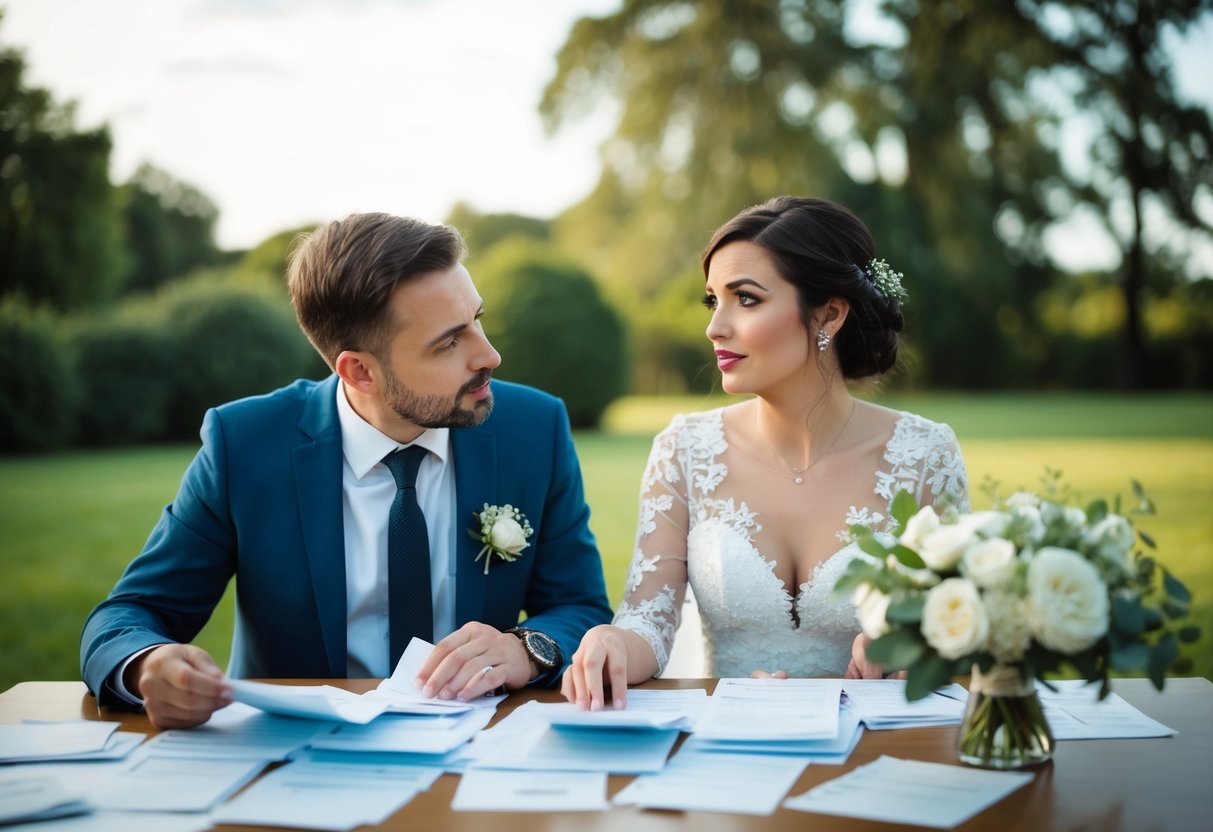
As you plan your big day, consider all aspects of wedding planning, from the venue and food to flowers and entertainment. Being organized will allow you to make informed decisions that align with your financial goals. Knowing your limits will help you stay on track and reduce stress as your wedding day approaches.
Remember that financial planning for a wedding is not just about saving money; it’s about making choices that reflect your values and priorities. By staying focused and flexible, you can achieve the beautiful day you envision without breaking the bank.
Crafting Your Wedding Budget
Creating a wedding budget is a crucial step in planning your big day. This process helps you understand your expected expenses and prepares you for unexpected costs. By taking the time to budget well, you can ensure a smoother planning experience and a more enjoyable celebration.
Understanding Wedding Expenses
Wedding expenses can vary widely. They typically include costs for the venue, catering, attire, entertainment, and photography.
It’s important to create a comprehensive wedding budget checklist that outlines all possible expenses.
Start with the average wedding cost in your area to gauge what you might spend. You’ll want to include both mandatory items and optional extras. Don’t forget to set aside funds for unexpected expenses. Allocating about 10-15% of your total budget for surprises can help keep you on track.
Setting Realistic Budget Goals
When setting your budget, be honest about what you can afford. Review your total budget and assess your finances.
Establish clear goals for how much you want to spend on each category.
Use a wedding budget template to break down costs into manageable categories. Aim to keep your budget flexible but realistic.
For instance, if your budget is $20,000, consider allocating:
- Venue: $7,000
- Catering: $5,000
- Attire: $2,000
- Photography: $2,500
- Entertainment: $2,500
- Miscellaneous: $1,000
These estimates give you a starting point, but adjust as needed based on your priorities.
Allocating Funds to Different Categories
Once you have your budget goals, allocate funds to each category carefully.
Make a list of budget categories tailored to your specific needs. Common categories include venue, food, decor, and more.
Prioritize essential items first. For example, securing your venue and food should come before floral arrangements.
You can use a wedding budget planner to track how much you’ve spent and what’s left in each category.
Regularly review your spending to ensure you stay within limits. If you find you’re overspending in one area, consider cutting back in another. Balancing your budget will help keep your wedding finances in check.
Choosing Vendors and Services
Selecting the right vendors can make a big difference in your wedding experience. Each choice you make affects your budget, atmosphere, and overall celebration. Here are some critical areas to consider.
Selecting the Right Venue
When choosing a wedding venue, first consider your guest list size. Select a place that can comfortably accommodate everyone. Popular options include banquet halls, outdoor gardens, and historic buildings.
Evaluate each venue’s amenities. Check if they provide tables, chairs, and linens. Some venues may offer packages that include catering, which can save you money.
Important factors:
- Location: Ensure it’s convenient for guests.
- Style: Pick a venue that matches your wedding theme.
- Cost: Evaluate rental fees and any additional service charges.
Don’t forget to book your venue early, as popular spots get reserved quickly, especially during peak wedding seasons.
Photography and Videography Essentials
Capturing your wedding day is vital. Look for photographers and videographers who fit your style.
Consider if you prefer candid shots or staged pictures.
Check their portfolios for quality and consistency. Schedule meetings to see if you connect with them; having a good rapport matters.
Discuss packages that include both photography and videography to stay within budget.
Key points:
- Experience: Aim for those who specialize in weddings.
- Packages: Look for deals that combine services.
- Reviews: Read reviews from previous clients to gauge satisfaction.
Finally, book early to secure your desired professionals.
Music and Entertainment Options
Music adds life to your wedding. Think about whether you want a DJ, a live band, or perhaps a mix of both. Each choice brings a different vibe.
DJs often offer flexibility with song choices, while live bands can create a unique atmosphere.
Ask for song lists or sample performances to ensure they fit your taste.
Consider these tips:
- Cost: Compare quotes from different entertainers.
- Style: Choose music that reflects your personality as a couple.
- Schedule: Make sure they can accommodate your wedding timeline.
Booking entertainment early is key, especially during busy seasons.
Decor, Florals, and Lighting
Decor sets the tone for your wedding. Start with a color scheme that matches your vision. From centerpieces to table settings, every detail counts.
When choosing florals, consider local and seasonal flowers. They often look better and can be more affordable.
Check with florists about package deals that include setup and breakdown.
Lighting is just as important. Soft lighting creates a romantic atmosphere. Explore options like string lights, candles, and uplighting.
Deciding factors:
- Budget: Set limits for decor and flowers.
- Theme: Ensure everything aligns with your wedding theme.
- Rental options: Consider renting items instead of buying.
Choose vendors who understand your vision and can help bring it to life.
Keeping Track of Expenses
Managing your wedding expenses is crucial for staying on budget. This section covers practical ways to keep your spending in check, including using budgeting tools and methods to handle unexpected costs.
Utilizing Planning Tools and Apps
Leverage technology to help maintain your wedding budget.
Many budgeting apps are available that specifically cater to wedding planning. These tools can help you list and track all your expenses.
A popular choice is an online wedding budget tool. You can input categories like venue, catering, and attire, allowing you to see how much you have spent versus what you planned.
Using a wedding checklist can also make a big difference. This list can remind you of what needs to be paid and when, keeping you organized throughout the planning process.
Monitoring Actual vs. Budgeted Costs
Regularly compare your actual costs to your planned amounts.
Create a simple table to track each category. For example:
| Expense Category | Budgeted Amount | Actual Amount | Difference |
|---|---|---|---|
| Venue | $5,000 | $5,200 | +$200 |
| Catering | $3,000 | $2,800 | -$200 |
This setup helps you visualize where you stand financially. Identifying areas where you overspend allows you to adjust your budget or reduce costs in other categories. This kind of monitoring is essential for a successful wedding budget breakdown.
Dealing With Hidden Costs
If you’re not careful, hidden costs can sneak up on you. Be aware of common extra expenses like tips, taxes, and vendor fees.
Always ask vendors for a detailed estimate of all expenses associated with their services. Include these in your wedding budget to avoid surprises.
Keep a section in your budget specifically for unexpected expenses. Set aside about 10-15% of your total budget as a buffer.
This approach can help you manage those costs without throwing your entire budget off track.
Staying diligent about hidden costs will help you enjoy your big day without financial stress.