
Affordable Wedding Venues Queens: Costs and Booking Tips
Queens offers plenty of ways to celebrate your wedding with style while keeping venue costs under control. You can find affordable spaces across Queens, NY, from restaurants and private halls to lofts, gardens, and small reception venues.
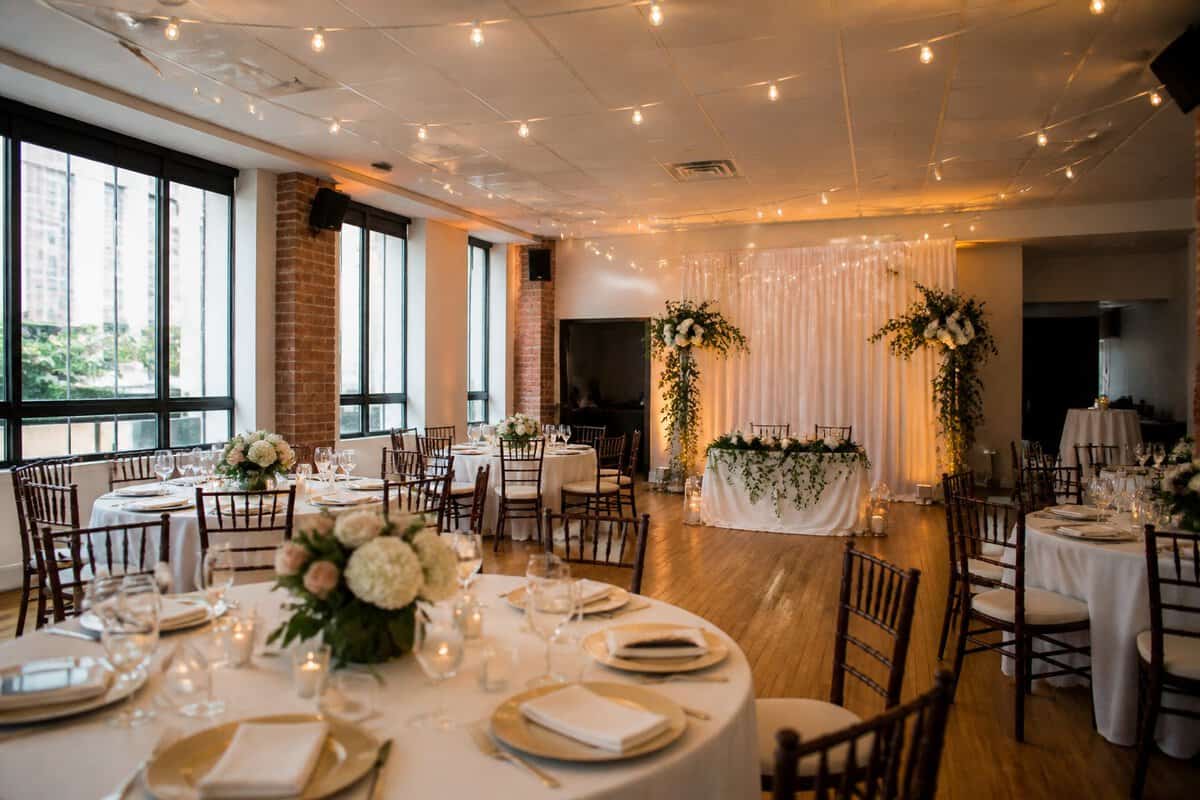
Set your guest count, total venue budget, and preferred date before you tour spaces, because those three details shape nearly every quote you receive. A weekday booking, smaller guest list, or package with tables and food included can lower your final cost.
You can also explore cheap wedding venue ideas while comparing Queens locations. When you find a space that fits your plans, contact Queens Affordable Wedding Venue at 718-701-1673 to ask about availability and pricing.
What Does an Affordable Queens Wedding Venue Cost?
An affordable Queens wedding venue can range from a few hundred dollars for a short rental to several thousand dollars for a full reception, depending on guest count, date, food, and included services.
Typical Per-Person, Hourly, and Event Pricing
Venue quotes in Queens commonly use one of three pricing models:
- Per-person pricing: You pay a set amount for each guest, often covering food, service, and room use.
- Hourly pricing: You pay for the room by the hour, then arrange catering, drinks, décor, and rentals separately.
- Flat event pricing: You pay one rental fee for a set time period, with add-ons priced separately.
Small spaces may charge a few hundred dollars for a short gathering, while wedding receptions with food and service can reach several thousand dollars. A restaurant private room may offer a per-person menu, while a loft may charge an hourly rental.
Use Tagvenue to compare venue styles and pricing formats across Queens. Ask whether the listed price includes tax, gratuity, cleaning, staffing, and setup time before you compare two quotes.
How Minimum Spend Works for Wedding Receptions
A minimum spend per event is the amount you must spend on food and beverages during your booking. The venue keeps the room available for your celebration, and your selected menu or bar package counts toward the required minimum spend.
For example, a venue could set a $4,000 minimum for a Saturday reception. If your food and bar total $4,500, you meet the requirement. If they total $3,600, you may need to add menu items, drinks, or upgrades to reach the agreed amount.
Ask these questions in writing:
- Does the minimum include service fees and taxes?
- Does the ceremony count toward the minimum?
- Are children charged at the same rate?
- What happens if your guest count changes?
- Can unused minimum spend be applied to dessert or late-night food?
Which Venue Types Offer the Best Value?
Restaurants, smaller halls, lofts, and outdoor-friendly spaces can offer strong value when their layout and included services match your wedding plans.
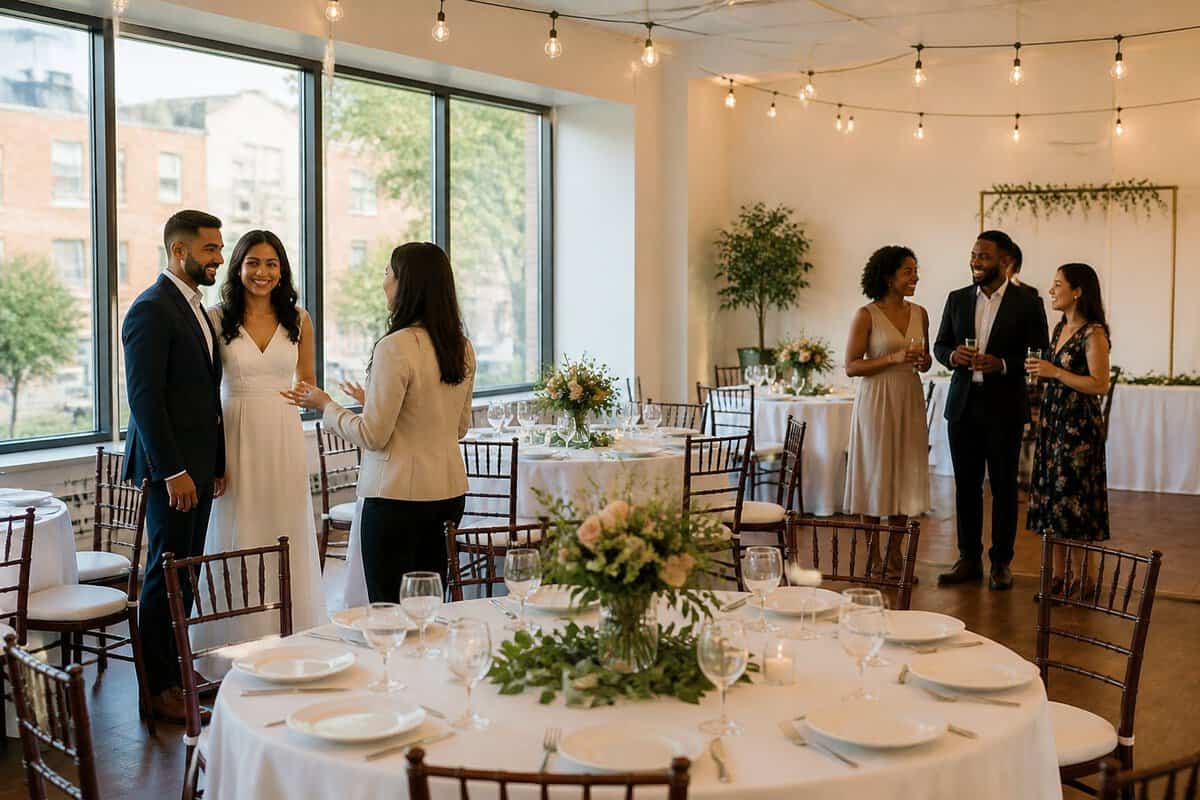
The best choice comes from matching the space to your guest count and desired level of service. A venue with attractive finishes, tables, chairs, or built-in lighting can reduce décor and rental costs.
Restaurants and Private Dining Rooms
Restaurants work well for couples who want a meal-focused celebration. You may receive a set menu, private room, staff, tables, chairs, and basic table settings in one quote.
Ask about:
- Guest capacity for seated dining
- Private or shared dining space
- Cake-cutting fees
- Beverage minimums
- Music and dancing rules
- Reservation length
A restaurant can be a smart fit for a smaller wedding where food quality and easy service matter more than a large dance floor.
Banquet Halls and Ballrooms
Banquet halls provide space for ceremony seating, dinner tables, dancing, and entertainment. Many offer package pricing that includes furniture, linens, staff, and catering.
Review the package line by line. A low room fee may leave you responsible for catering, security, cleanup, and rentals. A higher package may include these services and produce a lower final bill.
Rooftops, Lofts, and Industrial Spaces
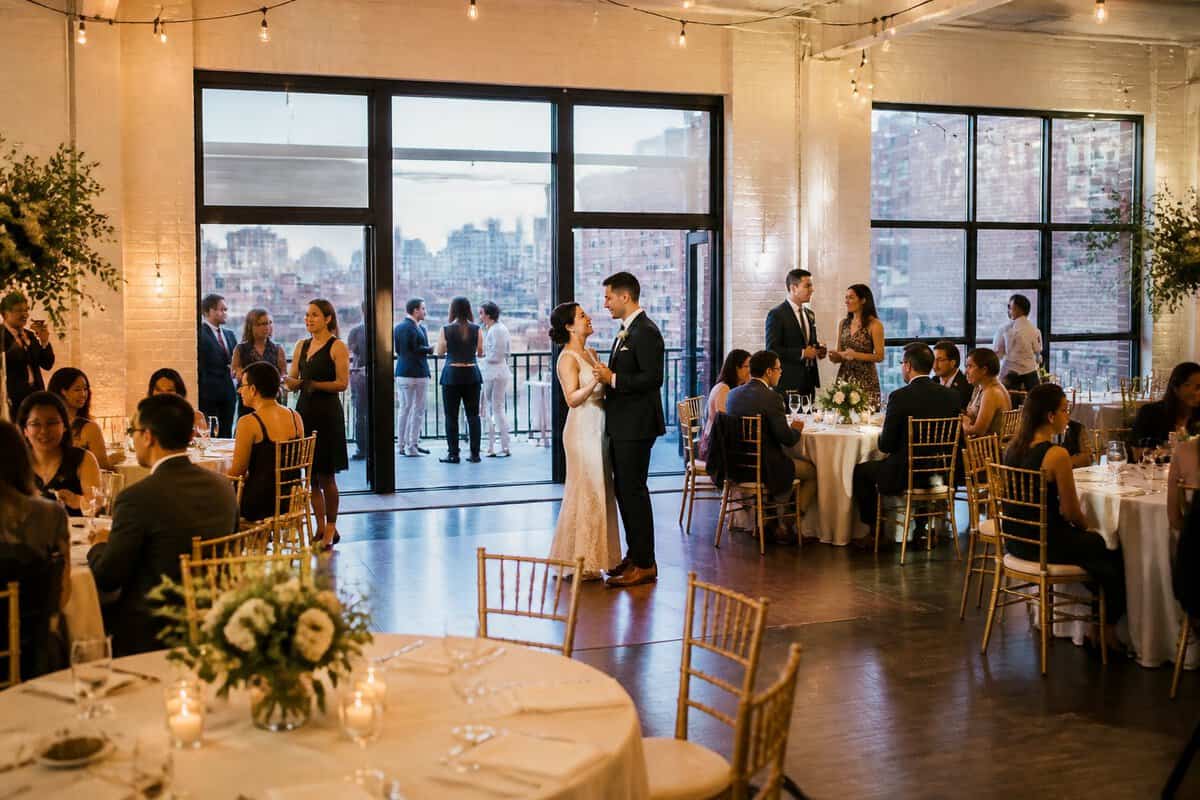
Lofts and industrial venues give you a flexible setting for modern weddings. Exposed brick, large windows, and city views reduce the need for extensive décor.
These spaces often require outside vendors. Add estimates for tables, chairs, lighting, catering equipment, insurance, delivery, and cleanup before booking.
Gardens and Outdoor-Friendly Settings
Gardens, parks, and outdoor-friendly venues create a naturally decorated setting. Greenery and daylight can reduce floral and lighting needs during daytime events.
Build a weather plan into the contract. Confirm whether you receive an indoor backup space, tent permission, rain-date options, and a refund policy if outdoor conditions prevent the event.
How to Match a Venue to Your Guest Count
Choose a venue by starting with your confirmed guest range, then leave enough room for dining, dancing, vendors, restrooms, and comfortable movement.
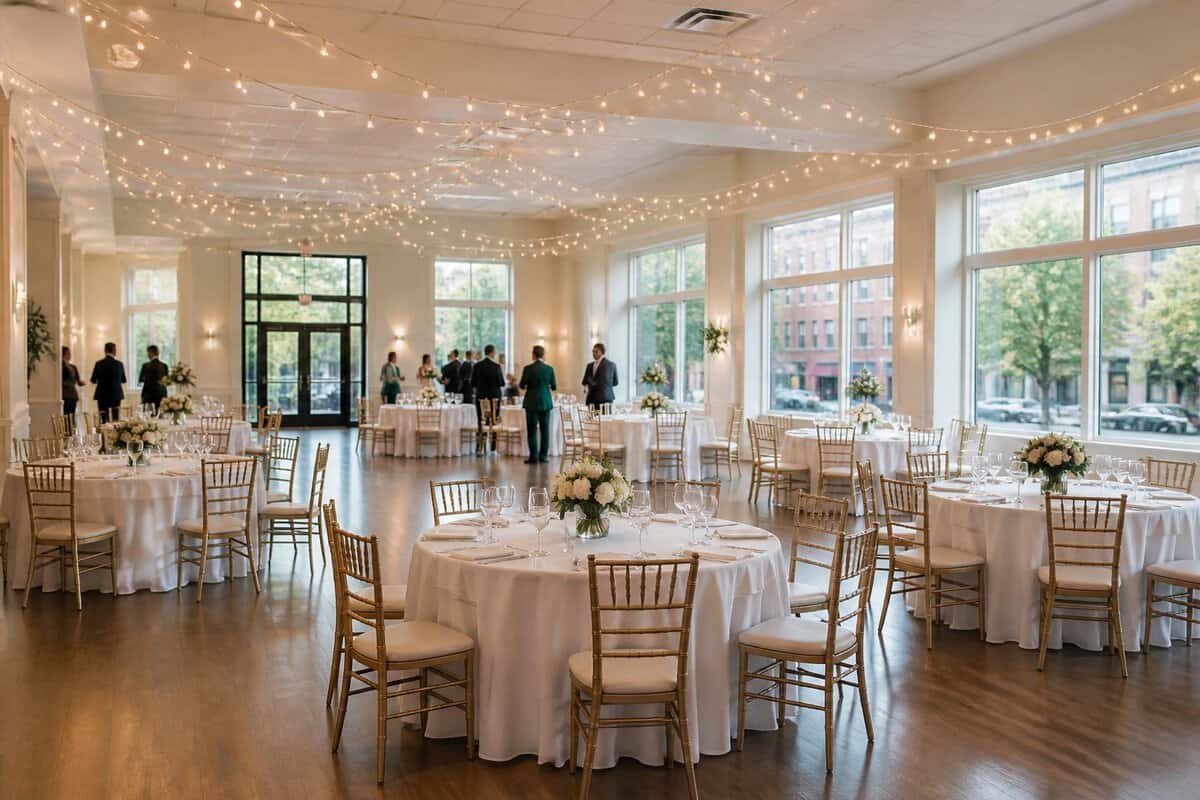
A room that fits the maximum number on paper may feel crowded once you add a DJ, buffet, bar, photo area, ceremony chairs, and a dance floor. Use a guest count calculator before requesting final quotes.
Micro Weddings for Up to 50 Guests
For up to 50 guests, consider a private dining room, small hall, studio, garden, or community space. These venues can support a seated meal without requiring a large rental footprint.
Ask whether the space allows both the ceremony and reception. One location can reduce transportation, setup time, and duplicate rental costs.
Mid-Size Celebrations for 50 to 150 Guests
A 50-to-150-person wedding needs clear zones for dining, dancing, food service, and guest circulation. Banquet halls, larger restaurants, lofts, and flexible event rooms often suit this range.
Request a floor plan with your quote. Check the exact layout for round tables, a head table, buffet lines, DJ equipment, and a dance floor.
Large Receptions for 150-Plus Guests
Large receptions need strong logistics, including restrooms, parking or transit access, loading space, kitchen support, and enough staff for meal service. Ballrooms and large banquet venues can manage these needs through established event packages.
Ask about the maximum seated capacity with a dance floor. A venue’s standing capacity does not show how comfortably it handles a full wedding reception.
What Is Included in the Quote?
A useful venue quote lists every included service and every extra charge, from catering and staffing to setup, cleanup, and vendor access.
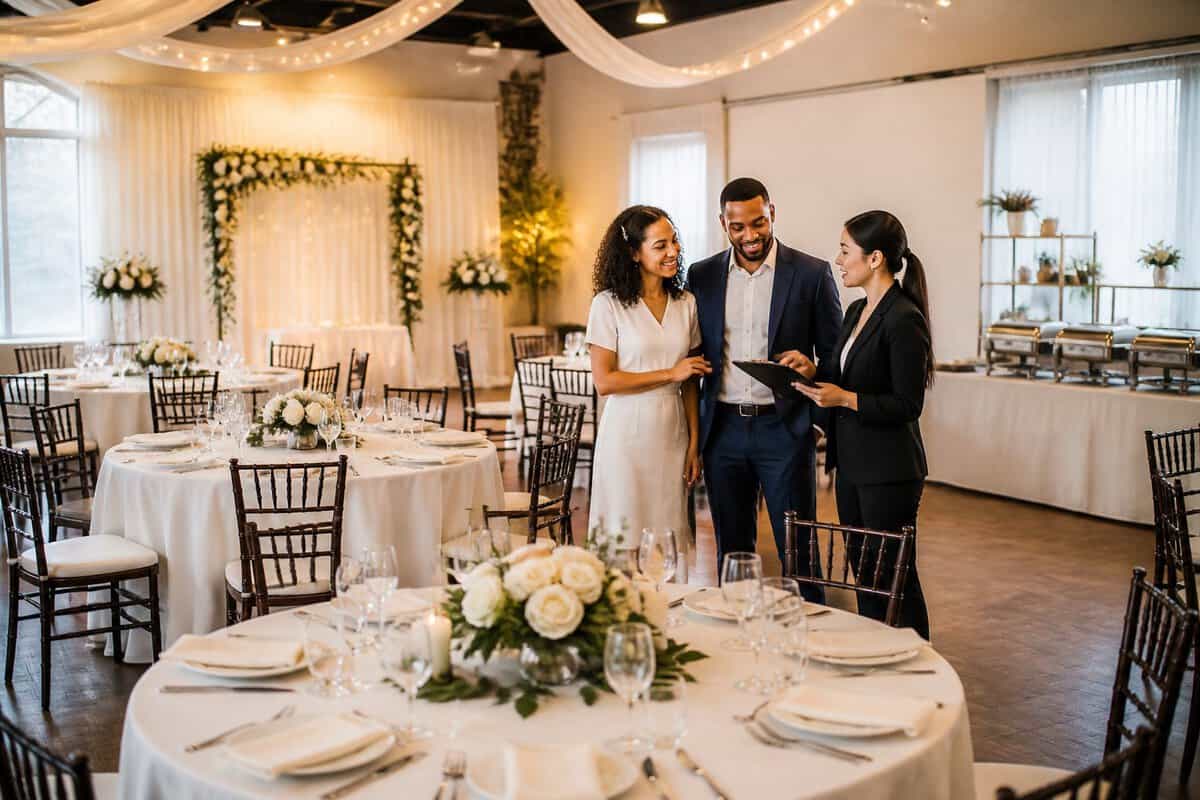
Request an itemized proposal with the event date, guest count, hours, taxes, service fees, deposit, cancellation terms, and payment schedule. Compare the final estimated total, not the room fee alone.
Catering, Bar Packages, and Service Charges
Catering may include plated meals, buffet service, appetizers, dessert, staffing, china, and glassware. Bar packages may cover beer and wine, a full open bar, soft drinks, or a limited drink menu.
Confirm whether the quote includes:
- Service charges and gratuity
- Sales tax
- Bartenders and servers
- Corkage fees
- Cake-cutting fees
- Vendor meals
- Late-night food
- Overtime rates
Ask whether you can use an outside caterer and whether the venue requires licensed or insured vendors.
Ceremony, Reception, and Getting-Ready Spaces
A venue may price the ceremony, reception, cocktail hour, and getting-ready rooms separately. Confirm how many hours you receive for access, setup, the event, and cleanup.
A same-site ceremony and reception can reduce transportation costs. A private getting-ready room also gives your wedding party a place for personal items and schedule changes.
Furniture, AV, Décor, and Vendor Rules
Check whether the quote includes tables, chairs, linens, basic lighting, sound equipment, staging, and cleanup. Ask about candles, hanging décor, confetti, amplified music, and wall attachments.
Vendor rules can affect the budget quickly. Confirm outside-vendor fees, insurance requirements, delivery windows, storage access, and required security or cleaning staff. For decorating help, review how to decorate a wedding venue on a budget.
How Can You Keep Your Queens Venue Budget Down?
You can reduce venue costs by choosing flexible dates, comparing complete package totals, and asking direct questions before you sign.
Lower-cost planning works best when you protect the parts of the day that matter most to you. Set a maximum total, keep a reserve for unexpected fees, and record every quote in the same format.
Choose Off-Peak Dates and Daytime Events
Weekday weddings, Sunday celebrations, winter dates, and daytime receptions often have lower rates than Saturday evening events. Ask about discounts for dates that are still open within the next few months.
A brunch or lunch reception may reduce bar and entertainment costs. Confirm the event end time, vendor access period, and overtime rate before choosing a shorter booking.
Compare All-Inclusive Packages With À La Carte Pricing
An all-inclusive package may include the room, food, staff, tables, chairs, linens, and basic décor. À la carte pricing gives you more control, especially when you already have vendors or want a shorter celebration.
Build the same comparison for every venue:
- Room rental
- Food per guest
- Bar service
- Staffing and gratuity
- Rentals
- Setup and cleanup
- Taxes and service fees
- Overtime
A package with a higher starting price may cost less after required add-ons are included.
Ask the Right Questions Before Signing a Contract
Ask for the full contract and written answers to every budget question. Confirm the deposit schedule, refund rules, postponement terms, guest-count deadline, damage policy, and cancellation charges.
Also ask:
- Who handles setup and cleanup?
- What happens if your event runs late?
- Can you bring your own caterer, cake, DJ, or alcohol?
- Is event insurance required?
- Are parking and accessibility available?
- Does the venue provide an indoor weather backup?
- Which taxes and service fees apply?
Take a tour during an event setup when possible. You will see how the space handles tables, vendors, guest movement, and cleanup before you commit.