
Affordable Wedding Venues: Ideas and Ways to Save
Your wedding venue sets the tone for the day and can take a large share of your wedding budget. The best affordable wedding venues give you a welcoming setting while leaving enough money for food, photography, music, and the details you value most.
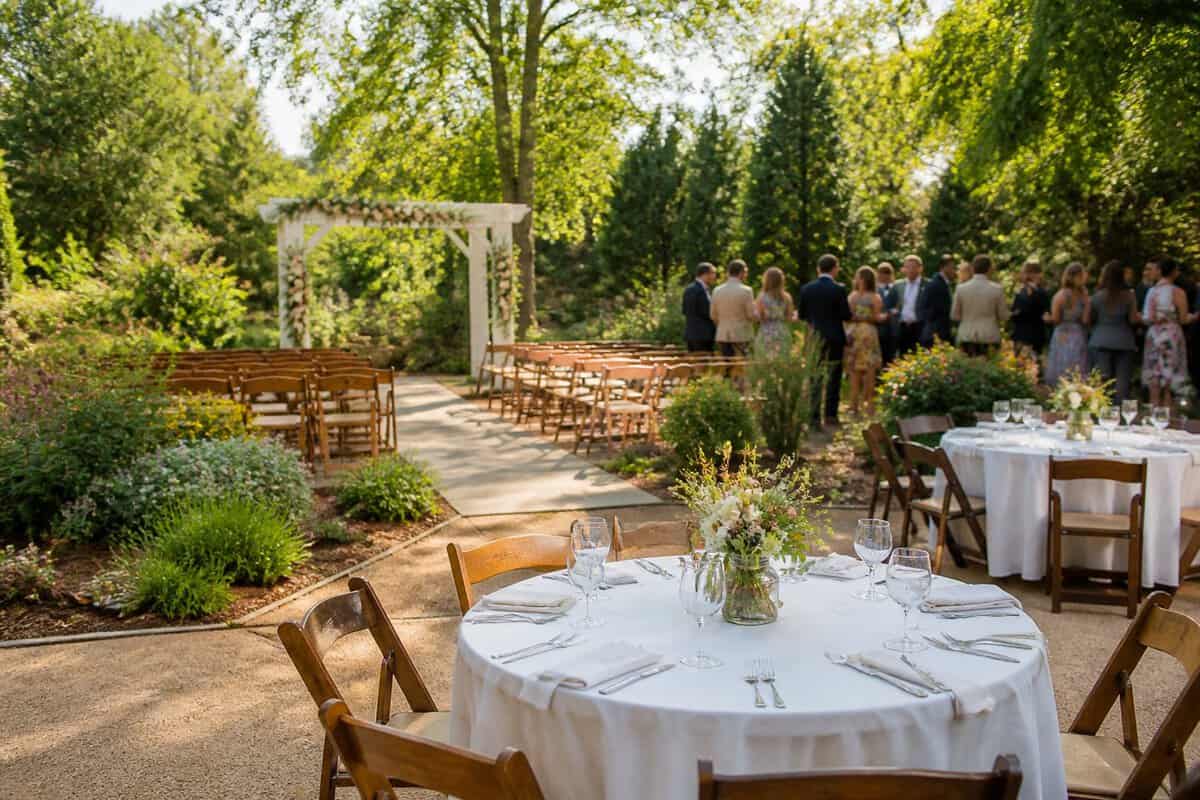
You can create a beautiful, budget-friendly wedding by comparing the full cost of each venue, choosing a flexible date, and matching the space to your guest list. Start your wedding planning with a clear spending limit, then explore spaces that already have character and useful amenities. For more practical ideas, browse these affordable wedding ideas before you book.
What Makes a Venue Truly Affordable?
An affordable venue has a manageable total cost after rental fees, food, rentals, staffing, permits, and service charges are added. A low advertised rate helps only when the venue’s rules and required extras fit your wedding budget.
How Much of a Wedding Budget Should Go to the Venue?
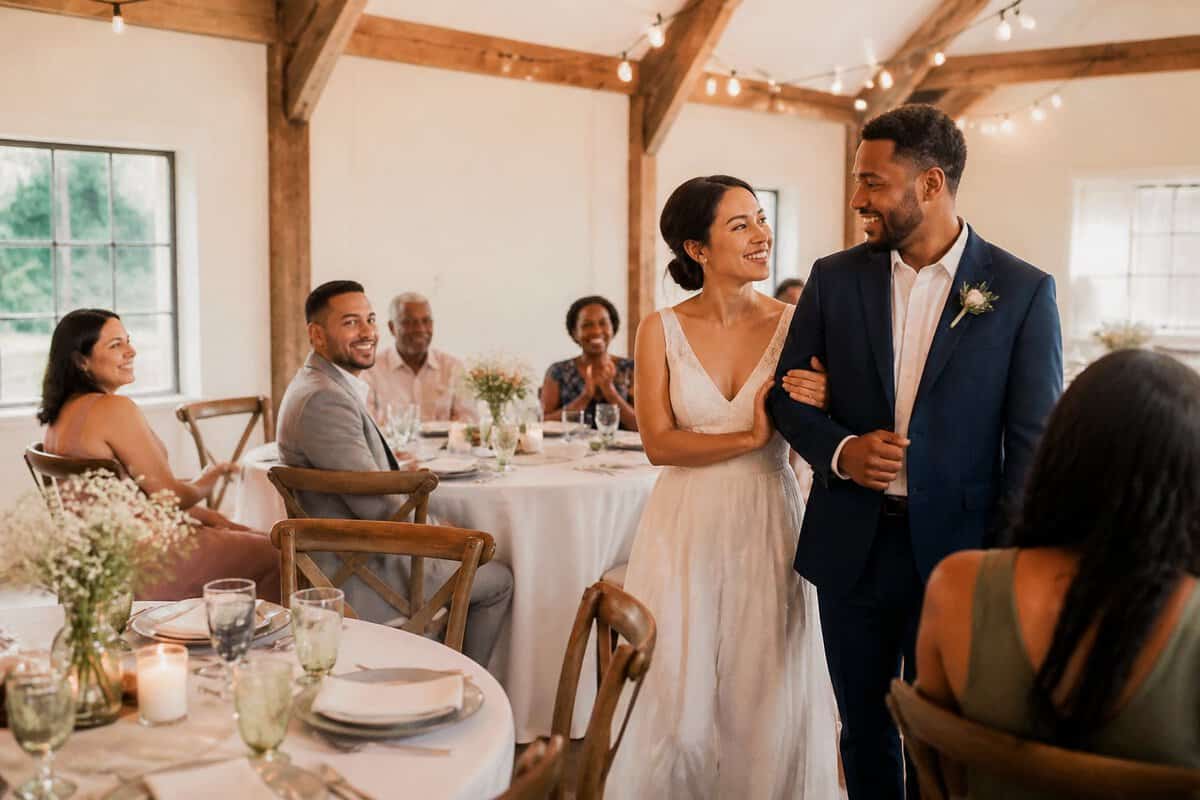
Many couples set aside about one-quarter to one-third of the wedding budget for the venue and rentals. Your number should reflect your guest count, catering plan, and priorities.
Write down your full budget before touring spaces. Then create a venue limit that includes:
- Site rental
- Tables, chairs, and linens
- Catering or food minimums
- Bar service
- Setup and cleanup
- Taxes, gratuities, and service charges
- Ceremony fees and insurance
A smaller guest list reduces the room size, food bill, rental count, and staffing needs at the same time. If the venue takes most of your available money, choose a simpler space with attractive built-in features.
How to Compare Hire Fees, Minimum Spends, and Packages
Compare every venue using the same guest count, event hours, menu style, and rental needs. An affordable wedding package might include chairs, tables, linens, catering, staffing, and cleanup, while a bare rental fee might include only access to an empty room.
Ask each venue for a written estimate that lists:
- Base rental fee
- Included hours and overtime rate
- Food and beverage minimum
- Required vendors
- Rental inventory
- Deposit and payment schedule
- Cancellation terms
- Taxes and service charges
Use a spreadsheet to compare the total estimate, not the headline price. A package with a higher starting fee might cost less after rentals and labor are included.
Which Extra Costs Can Turn a Cheap Venue Into an Expensive One?
Common additions include catering, bar service, staffing, security, insurance, heating or cooling, parking attendants, and cleanup. Outdoor and DIY venues might also need a tent, generator rental, portable restrooms, lighting, power distribution, and weather protection.
Ask who delivers, sets up, and removes every rented item. Check whether the venue charges for outside vendors, cake cutting, corkage, rehearsal time, ceremony use, or early access.
A low-cost venue works best when the contract clearly states what you receive and what you must arrange.
Low-Cost Venue Types to Consider First
Community spaces, restaurants, civic buildings, and small cultural venues provide strong starting points for a low-cost celebration. Their existing furniture, architecture, kitchens, and public amenities can reduce the number of services you need to purchase.
Community Halls, Civic Buildings, and Community Spaces
Community centers, park lodges, union halls, and civic buildings offer practical layouts for receptions and ceremonies. Many have kitchens, restrooms, parking, tables, and chairs already on site.
Check the access hours before booking. A low fee becomes harder to manage when you have only a short setup window or must pay for every hour of cleanup.
Ask about alcohol rules, noise limits, decorating restrictions, and insurance. These spaces suit couples who want to bring in their own caterer, décor, and music.
Choose a room with good natural light and a pleasant layout so your décor budget goes toward personal details.
Restaurants, Pubs, and Private Dining Rooms
Restaurant weddings work well for smaller groups because the kitchen, service team, tables, chairs, and tableware are already in place. A private dining room also gives you a polished setting with limited decorating needs.
Ask about a fixed menu, food and beverage minimum, service charge, tax, cake fee, and room rental. Compare the full per-person estimate with a blank venue that requires separate catering and rentals.
A lunch reception, brunch, or early dinner can reduce menu costs. Restaurants also provide a strong option for an intimate wedding when you want a comfortable meal without filling a large ballroom.
Courthouses, Town Halls, and Church Ceremonies
A courthouse wedding or town hall ceremony keeps the legal portion of your celebration short and affordable. You can arrange a separate meal or gathering at a restaurant, private home, or community room.
Church wedding spaces can offer meaningful architecture and seating for a modest fee, especially when you belong to the congregation. Ask about officiant requirements, music rules, photography limits, and required premarital classes.
Check marriage license rules with your local clerk early. Ceremony fees, officiant charges, and document costs vary by location.
Barns, Country Houses, Orchards, and Vineyards
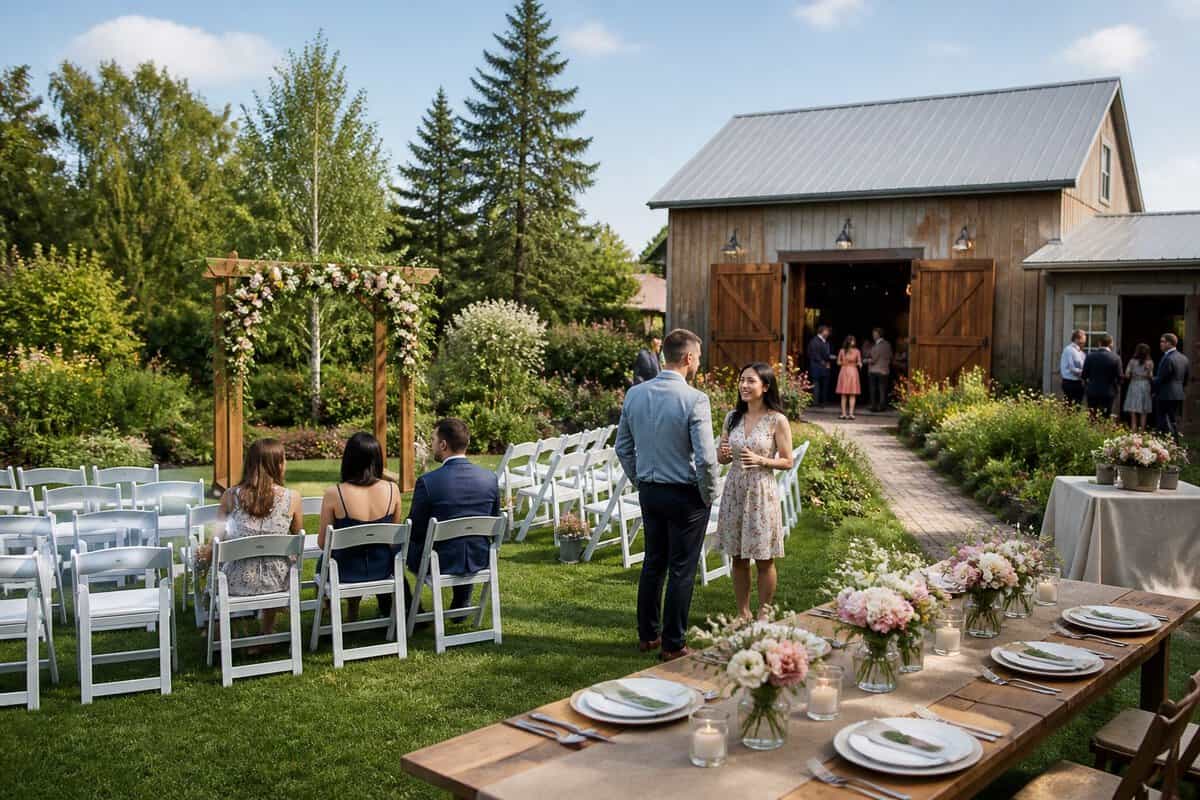
Barn venues, country houses, orchards, and vineyards provide built-in scenery and a relaxed setting. Their natural textures can reduce the need for large floral installations or elaborate backdrops.
Ask whether the site includes restrooms, power, parking, weather coverage, tables, chairs, and a getting-ready room. A rural property might require transportation, lighting, climate control, or a generator.
Visit the ceremony path and reception area in person. Look for safe walkways, firm ground, shade, and a clear rain plan before you commit.
Museums, Art Galleries, Libraries, and Campus Spaces
Museums, art galleries, historic libraries, and campus chapels bring visual interest to the room. A distinctive interior gives you a finished backdrop for photographs and reduces décor needs.
Ask about display protection, candle rules, catering access, elevator use, guest capacity, and event hours. Some venues require approved caterers or security staff.
A library or gallery often suits a cocktail reception, dinner, or small wedding with a focused guest list. Choose a space where the existing design matches your style so you do not spend money covering walls or floors.
Outdoor Settings With Built-In Scenery
Outdoor wedding venues can lower décor costs because landscapes provide the ceremony backdrop, but permits, weather plans, power, restrooms, and guest access must fit your budget. Public parks, gardens, beaches, and private yards each have different rules.
Public Parks, City Parks, and Rose Gardens
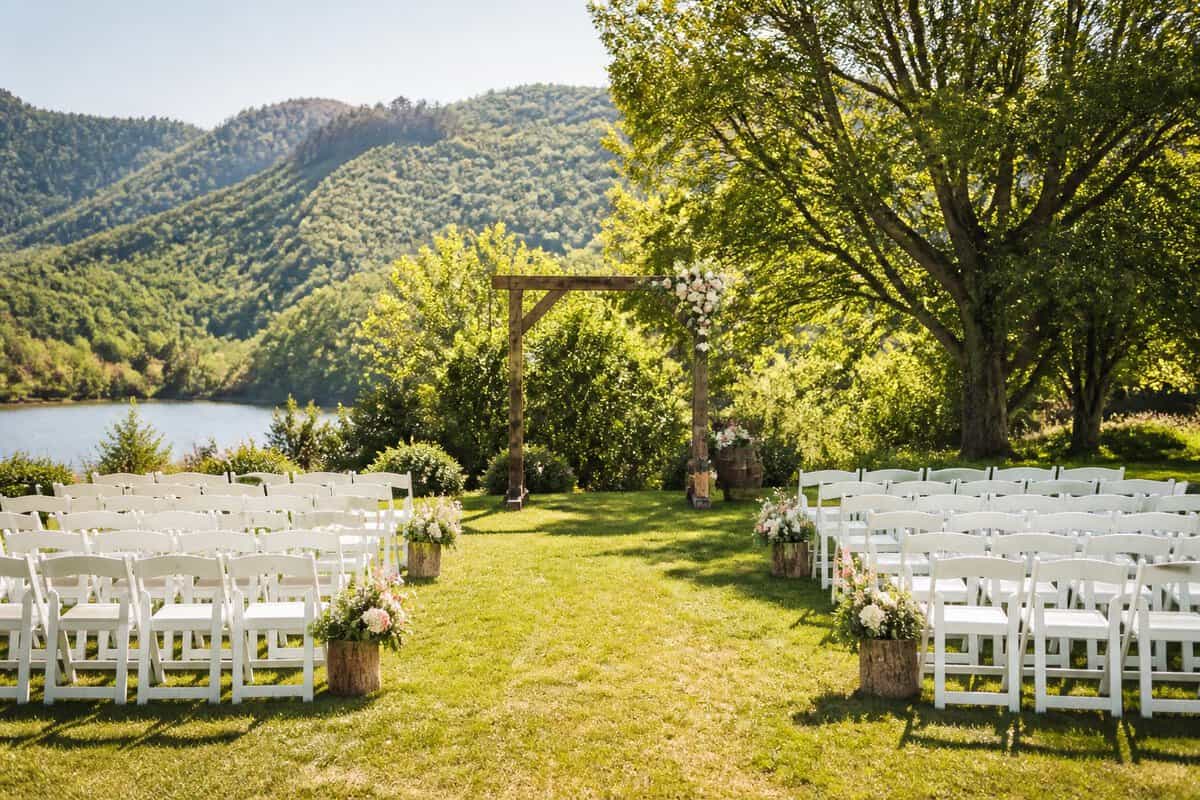
Public parks, city parks, and rose gardens offer trees, lawns, paths, and seasonal flowers for a modest reservation fee. Look for a site with nearby restrooms, parking, shade, and a level area for chairs.
Ask the parks department about a special use permit, guest limits, amplified music, alcohol, photography, and setup time. Some locations reserve only a small ceremony area and do not allow receptions.
Choose a date with comfortable temperatures and a backup plan within your budget. A nearby community room can provide shelter if the park does not have a covered structure.
State Parks and National Parks
State parks and national parks provide scenic spaces for ceremonies and photographs. Fees may include a site reservation, special event permit, vehicle entry, insurance, and approved vendor requirements.
Read the park’s rules about decorations, chairs, confetti, food, music, fires, and group size. Leave enough time for guests to travel from parking areas to the ceremony site.
A short ceremony followed by a meal at a nearby restaurant or lodge keeps logistics manageable. Confirm accessibility for older guests and anyone using mobility equipment.
Public Beaches and Waterfront Locations
Public beaches and waterfront locations create a memorable setting with little need for floral décor. Wind, sand, tides, heat, and limited power require careful planning.
Check local rules for permits, alcohol, structures, amplified sound, and chairs. Provide a clear path, shade, water, and comfortable footwear guidance for guests.
Schedule the ceremony away from peak heat and high-traffic periods. Reserve an indoor reception site nearby if the beach has no shelter or restrooms.
Botanical Gardens and Garden Ceremonies
Botanical gardens and public gardens offer planted backdrops, established paths, and attractive photo locations. Garden rental packages may include chairs, staff, security, and access to specific areas.
Ask which spaces are private during your event and whether guest access to other garden areas continues. Review rules for candles, hanging décor, food, alcohol, and floral installations.
Select a garden that looks complete during your chosen season. Seasonal planting can shape your color palette and reduce the need for extra arrangements.
How to Plan a Backyard Celebration
A backyard wedding works best when the property has enough space, parking, power, restrooms, shade, and a clear weather plan. Price every rental before treating the yard as a low-cost venue.
Budget for:
- Tent, flooring, and weather walls
- Tables, chairs, linens, and tableware
- Portable restrooms
- Generator rental and safe power cables
- Catering equipment
- Lighting and sound
- Waste removal and cleanup
- Guest transportation or parking support
Confirm local noise, parking, alcohol, and gathering rules. Walk through the property with a rental company so you know whether trucks can reach the setup area and whether the ground can support the equipment.
How to Keep the Total Cost Down
The strongest savings come from reducing guest-related costs, choosing a flexible date, and selecting a venue with useful services already included. You can also control spending through a focused menu, simple lighting, and décor that works with the space.

Why Smaller Guest Lists Unlock Better Options
Small weddings fit community rooms, private dining rooms, gardens, libraries, and restaurants that cannot serve a large crowd. Fewer guests reduce food, beverage, seating, linens, centerpieces, and restroom needs.
Set a guest limit before you tour venues. Ask each space for its minimum and maximum capacity, then compare the cost per guest at your expected attendance.
A smaller group also gives you more flexibility with seating layouts. You might choose family-style dining, a cocktail reception, or one long table without paying to fill a large room.
For more targeted planning, use these tips for choosing the perfect venue for a small wedding.
When Weekday Weddings and Off-Peak Dates Pay Off
Friday, Sunday, morning, and off-season weddings often have lower venue rates and wider availability. January, February, and other less requested months can offer useful savings in many markets.
Ask about weekday packages, brunch pricing, shorter rental periods, and last-minute openings. Compare the venue discount with guest travel, time off work, and hotel costs.
A Sunday brunch can reduce both venue and food expenses. Send save-the-dates early so guests have time to plan around a weekday or winter celebration.
Should You Choose Dry Hire or an Inclusive Package?
Choose dry hire when you have reliable vendors, enough planning time, and a clear way to handle rentals and labor. Choose an inclusive package when catering, furniture, staffing, cleanup, and coordination would cost more when purchased separately.
Dry hire often requires you to arrange:
- Catering and kitchen access
- Tables, chairs, linens, and tableware
- Bar service and permits
- Setup and teardown labor
- Trash removal
- Restrooms and power
- Insurance and security
Request an itemized estimate for both options. An inclusive package deserves a close look when it includes the ceremony, reception, basic rentals, staffing, and cleanup under one contract.
How to Save on Food, Drink, and Décor
Reduce food costs with brunch, lunch, family-style service, food stations, or a limited entrée selection. Ask whether the venue permits a licensed outside caterer, restaurant delivery, or a dessert from an independent bakery.
Control bar spending with beer and wine, a signature drink, a consumption bar, or a shorter service period. Confirm corkage, bartender fees, mixers, ice, and glassware before selecting a plan.
Use the venue’s existing beauty first. Seasonal flowers, rented greenery, lanterns, and string lights create atmosphere with fewer pieces. For more design ideas, see how to decorate a wedding venue on a budget.
How to Find and Vet Options Near You
Finding wedding venues near me works best when you search by venue type, guest count, total budget, and required amenities. A short list of realistic spaces saves time and makes venue comparisons clearer.
How to Search for Wedding Venues Near Me
Use search terms that describe your needs, such as “community hall wedding venue,” “restaurant private dining wedding,” “park wedding permit,” or “small wedding venue.” Add your city, county, or nearby suburb to narrow results.
Review official venue websites, municipal park pages, event directories, and recent customer reviews. Search each option for:
- Published rental rates
- Capacity and layout
- Included furniture
- Catering rules
- Parking and accessibility
- Alcohol policies
- Weather backup
- Available dates
Use wedding venue ideas to expand your search when traditional ballrooms exceed your budget. Contact venues with your date, guest count, event hours, and service needs so their replies include useful pricing.
Questions to Ask Before Booking a Viewing
Ask for the full estimated cost before you schedule a tour. Confirm:
- What is the total rental fee, including taxes and service charges?
- How many hours cover access, setup, the event, and cleanup?
- Are tables, chairs, linens, lighting, and sound equipment included?
- Is catering required, and is there a food or beverage minimum?
- Which vendors are required or restricted?
- What insurance, permits, security, and staffing fees apply?
- What happens if you cancel or need to change the date?
- What is the rain, heat, or severe weather plan?
- Are there noise, parking, accessibility, or end-time limits?
- When are deposits due, and when is the balance due?
Bring the answers to your venue tour. Ask to see the ceremony area, reception space, restrooms, kitchen access, parking, and getting-ready rooms.
What Outdoor and DIY Venues Need for Guest Comfort
Outdoor and DIY venues need a complete support plan before you sign. Check shade, seating, drinking water, restrooms, handwashing, lighting, power, waste removal, and safe paths.
A generator rental must provide enough capacity for catering equipment, music, lighting, and climate control. Portable restrooms should match your guest count and event length, with accessible units included when needed.
Provide a weather shelter that protects guests from sun, rain, wind, or cold. Confirm who monitors the forecast, makes the weather call, changes the layout, and pays for extra labor.
Regional Considerations for London and Scotland
In the United States, local rules control permits, alcohol, noise, parking, and public-space use. If you are comparing international options, wedding venues in London often require close attention to transport, neighborhood noise rules, venue access, and service charges.
Wedding venues in Scotland may include historic buildings, estates, castles, and rural properties with different licensing, travel, weather, and accommodation needs. Ask whether the venue holds the required ceremony and alcohol permissions, and confirm which suppliers are approved.
For any region, request a contract in the local currency and check taxes, insurance, cancellation terms, and payment dates. A remote venue needs a transport plan for guests, vendors, and equipment before you compare its rental price with a city location.