
All-Inclusive Wedding Venue Ranches: What to Expect
Ranch weddings give you a scenic setting and a shared guest experience in one place. All-inclusive wedding venue ranches suit couples who want lodging, meals, event spaces, coordination, and on-site activities bundled into a planned celebration. Packages range from intimate elopements to full-property wedding weekends, so you can match the experience to your guest count and budget.
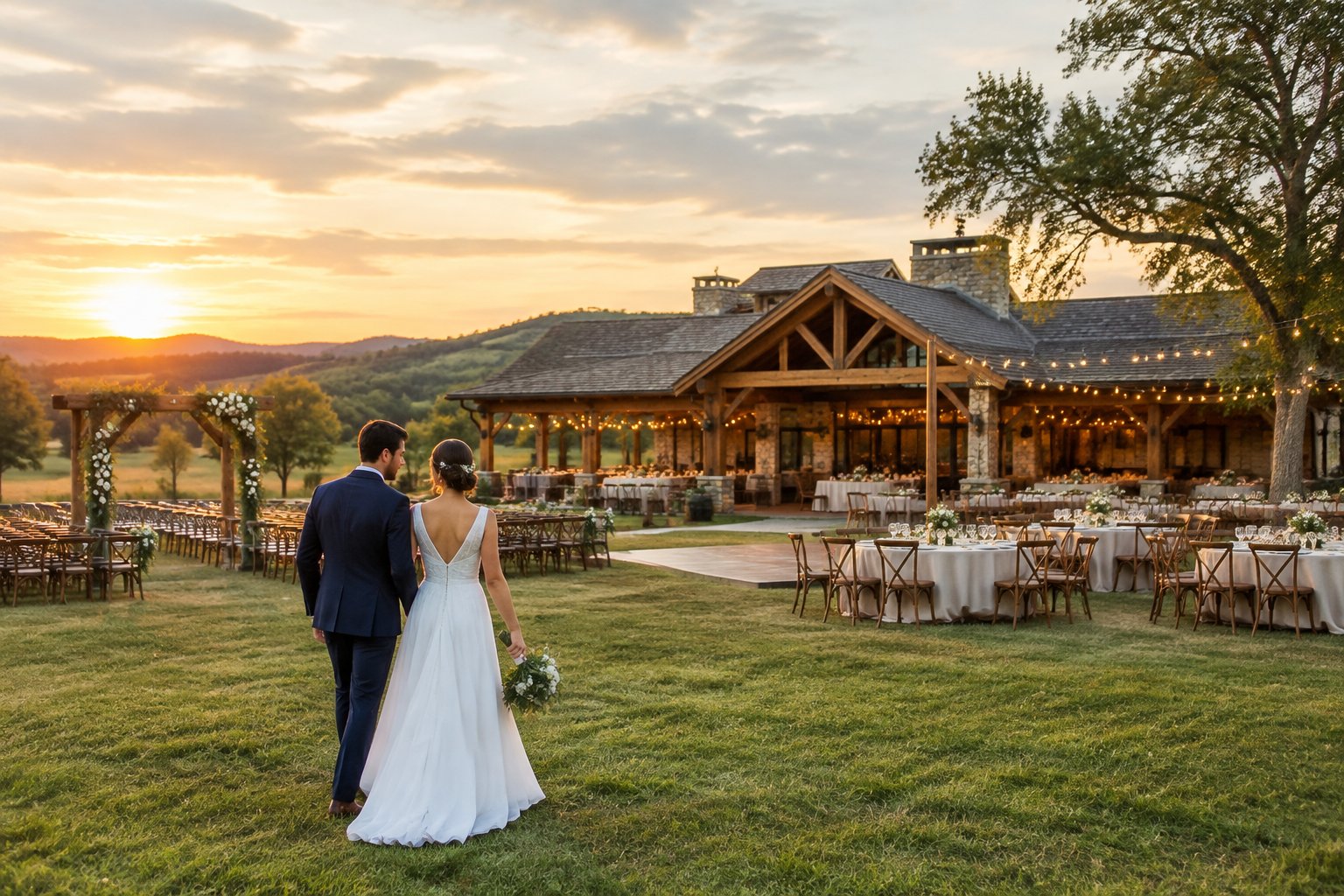
You can exchange vows beneath mountain views, host dinner in a ranch house, and give your guests time to ride, hike, fish, relax, or gather around a fire. Review each package closely because inclusions, lodging rules, vendor policies, and minimum stays vary by property. If you are ready to compare full-service options, explore all inclusive wedding venues with lodging and request an itemized proposal from each ranch.
What Defines an All-Inclusive Ranch Celebration?
An all-inclusive ranch celebration combines the wedding ceremony, wedding reception, guest accommodations, dining, coordination, and all-inclusive activities into one connected experience. The arrangement lets your guests stay on-site and share a wedding weekend with fewer travel transfers.
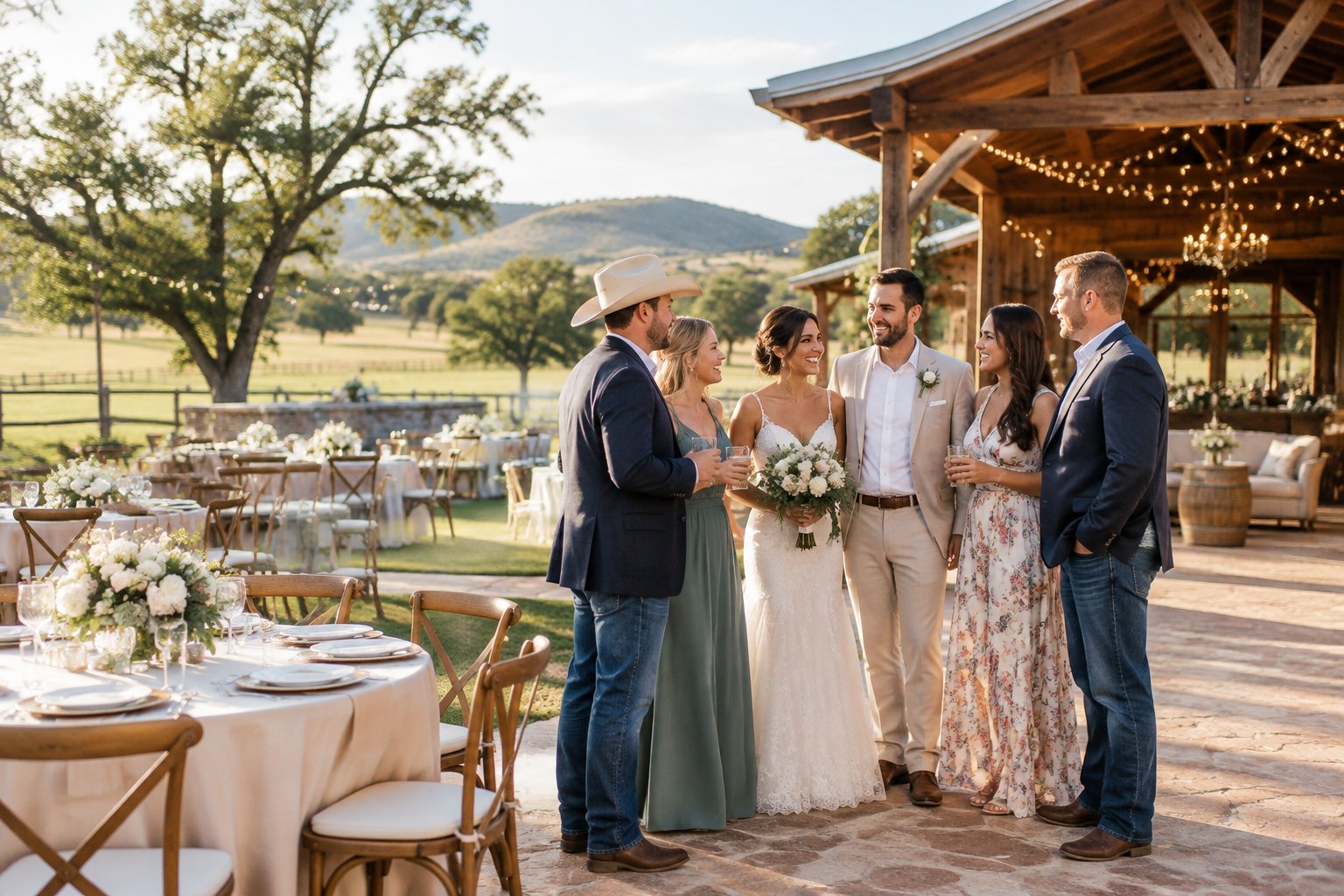
The strongest wedding packages explain what you receive, when each service takes place, and which costs remain separate. Some ranches focus on a single wedding day, while destination properties build the celebration around weekend wedding packages with several meals and events.
What Is Typically Included in Wedding Packages?
A ranch package may include:
- Ceremony and reception spaces
- Tables, chairs, linens, china, glassware, and flatware
- Catering for selected meals
- Beer, wine, or a defined bar service
- Setup and cleanup
- Basic décor or ceremony seating
- Venue coordination
- Overnight lodging for some or all guests
- Scheduled all-inclusive activities
- Welcome meals, rehearsal dinner, or farewell brunch
Read the package by quantity and timing. Ask how many meals, bar hours, activities, rooms, and guests the quoted price covers. Photography, videography, attire, hair and makeup, premium décor, spa treatments, transportation, and upgraded entertainment frequently carry separate charges.
A venue coordinator manages the property, staff, food service, setup, and venue rules. A full wedding planner may also handle design, vendor communication, guest questions, and the complete timeline.
How Multi-Day Ranch Weddings Differ From One-Day Events
A multi-day ranch wedding gives you several planned touchpoints, such as a welcome dinner, rehearsal gathering, ceremony, reception, and farewell brunch. Guests have time to settle in and enjoy the property before the main event.
Weekend wedding packages also require more coordination. You will need room assignments, arrival details, activity schedules, meal counts, transportation plans, and quiet time for guests who want to rest. Check whether the ranch requires a two- or three-night stay, a full-property buyout, or a minimum number of guests.
A one-day event can fit local guests and a tighter budget. A multi-day plan works well when your wedding party and family want a shared destination experience.
Choosing the Right Setting and Guest Experience
The right event venue must fit your guest count, sleeping needs, weather plan, and preferred level of privacy. Look for a property where the ranch house, gym, lake, trails, and event spaces support both celebration and downtime.
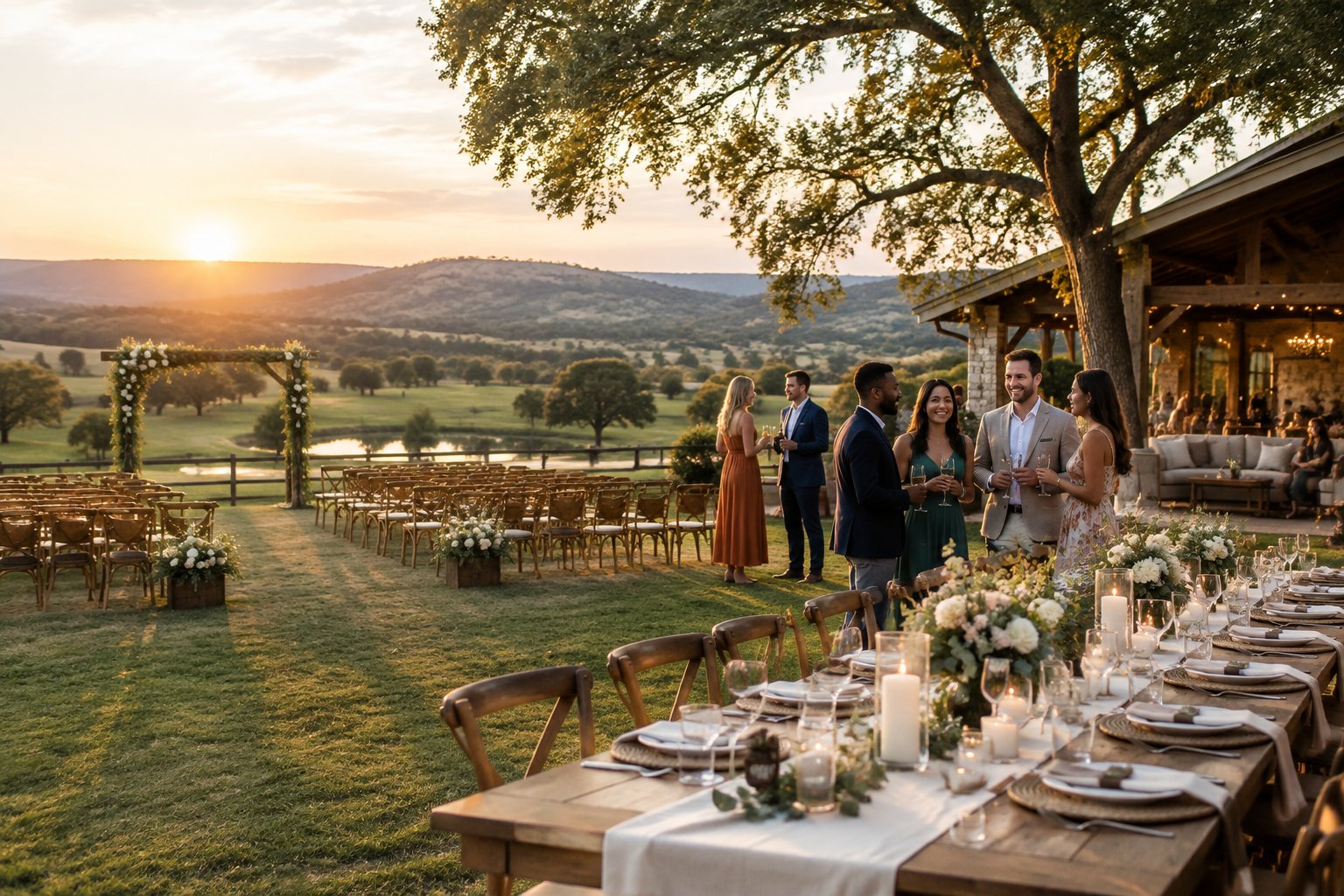
Your choice of setting affects guest comfort as much as your ceremony photos. Confirm walking distances, accessibility, quiet areas, dining locations, and transportation across the property before booking.
Indoor and Outdoor Spaces for Every Weather Plan
Outdoor ceremonies make use of meadows, lakeshores, courtyards, and mountain views. Ask where guests sit, how sound carries, and which surfaces work for heels, wheelchairs, and mobility aids.
An indoor backup should have enough space for the ceremony, cocktail hour, and wedding reception. Confirm whether the backup room is reserved for your date or shared with another event. Also ask about heating, cooling, restrooms, lighting, power, and the time needed to move furniture.
Weather planning should include wind, heat, rain, smoke, snow, and sudden temperature changes. A clear transition plan helps your wedding party and vendors respond quickly.
On-Site Lodging and Shared Amenities
On-site lodging keeps guests close to meals and events. Rooms might include cabins, suites, cottages, or a ranch house with shared living areas.
Ask for:
- Total sleeping capacity
- Bed and bathroom layouts
- Accessible rooms
- Check-in and checkout times
- Parking and shuttle needs
- Wi-Fi and cell service
- Family-friendly facilities
- Quiet hours and shared spaces
A gym, pool, spa, game room, or firepit gives guests ways to spend free time. Confirm which amenities are included in the wedding rate and which require a separate fee.
Scenery That Shapes the Celebration
Scenery guides the feel of your ceremony, portraits, dinner, and guest activities. Mountain views create a grand backdrop, while a lake, prairie, forest, or desert landscape gives the wedding its own sense of place.
Walk the property with your photographer or request a map showing ceremony sites, reception areas, lodging, and activity zones. Consider sunset direction, shade, wind exposure, and the distance between each location. Your wedding party will appreciate a schedule that allows time for portraits without rushing guests between spaces.
Planning a Seamless Wedding Weekend
A seamless wedding weekend uses one shared timeline for guest arrivals, meals, ceremony events, activities, and departure. Clear roles for the wedding planner and day-of coordination team keep each transition organized.
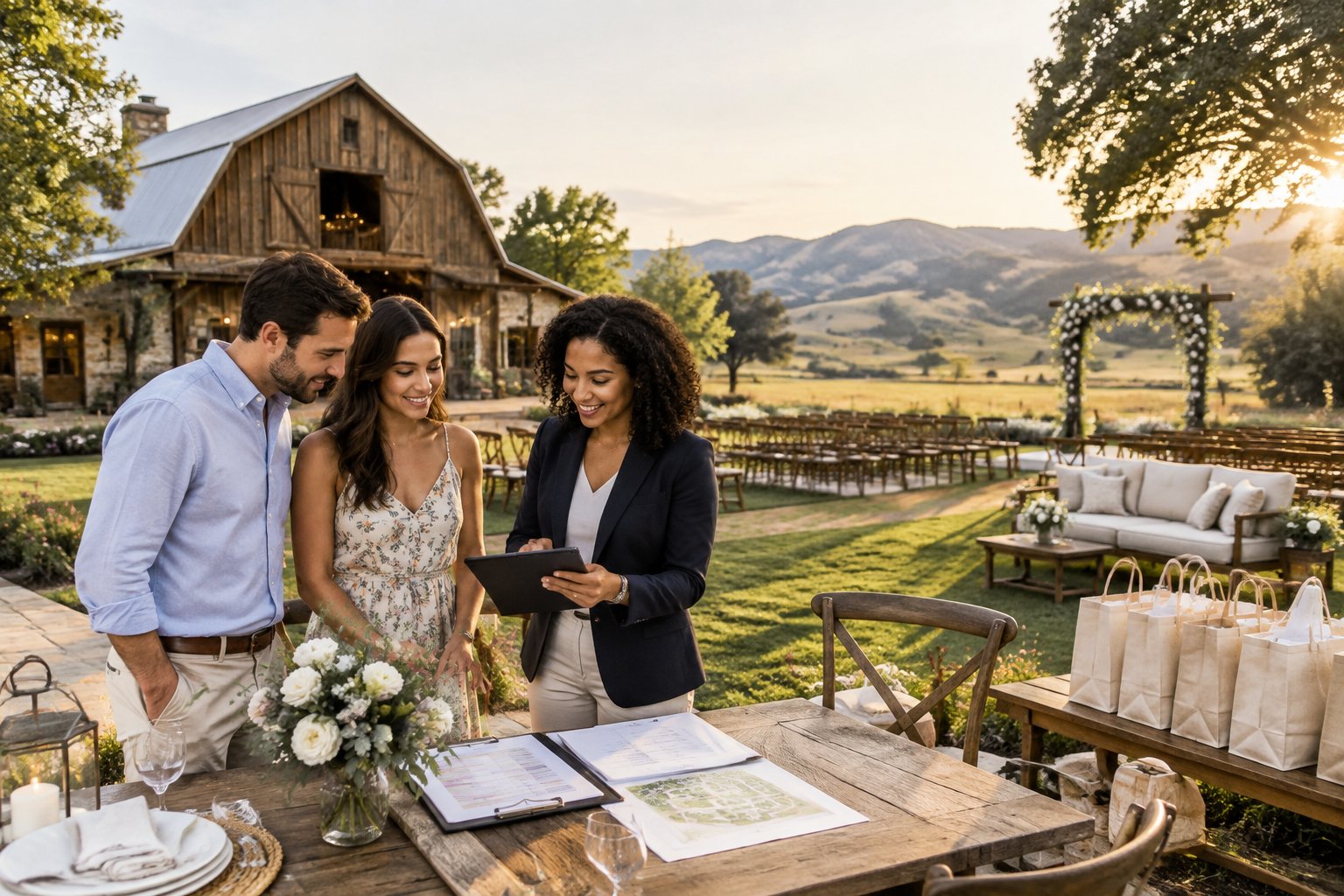
Build the schedule around travel time and guest energy. Leave open periods between major events, especially when the property offers outdoor activities or long distances between lodging and event spaces.
Building an Itinerary From Welcome Event to Farewell Brunch
A practical itinerary might follow this rhythm:
- Arrival day: Check-in, welcome drinks, and a casual dinner
- Day before the wedding: Optional activities, rehearsal, and rehearsal dinner
- Wedding day: Getting ready, ceremony, cocktail hour, reception, and late-night gathering
- Departure day: Breakfast or farewell brunch and scheduled checkouts
Share the itinerary before guests travel. Include dress codes, weather notes, meal times, activity reservations, driving instructions, and contact information for the venue team.
Keep at least one open block each day. Guests may want a nap, a quiet walk, time with family, or help with children.
The Role of a Wedding Planner and Day-of Coordination
A wedding planner helps shape the full event from the first design decisions through the final departure. The planner may manage vendor contracts, guest communication, floor plans, seating, décor, and schedule changes.
Day-of coordination focuses on execution. The coordinator confirms deliveries, guides the wedding party, cues the ceremony, manages setup, handles vendor questions, and keeps the reception moving.
Ask the ranch who holds each responsibility. Confirm whether coordination begins months before the wedding or only when you arrive. If you hire an outside planner, ask about required insurance, vendor access, and communication with the venue team.
Adding Rehearsal Dinners, Activities, and Special Events
A rehearsal dinner gives close family and the wedding party time to gather before the ceremony. A welcome barbecue, picnic, fireside dessert, group ride, guided hike, or lake outing can help guests connect.
Choose activities that suit different ages and comfort levels. Offer a mix of scheduled options and relaxed spaces so participation feels easy. Ask about guides, equipment, waivers, weather changes, meal timing, and activity limits.
Include special events in the written proposal. The venue should list the space, menu, staffing, rental needs, start time, end time, and per-person cost for each event.
How to Compare Packages, Capacity, and Costs
Compare wedding packages by the complete guest cost, sleeping capacity, event access, included services, and contract terms. A low site fee can rise after you add lodging, catering, rentals, coordination, taxes, and vendor charges.
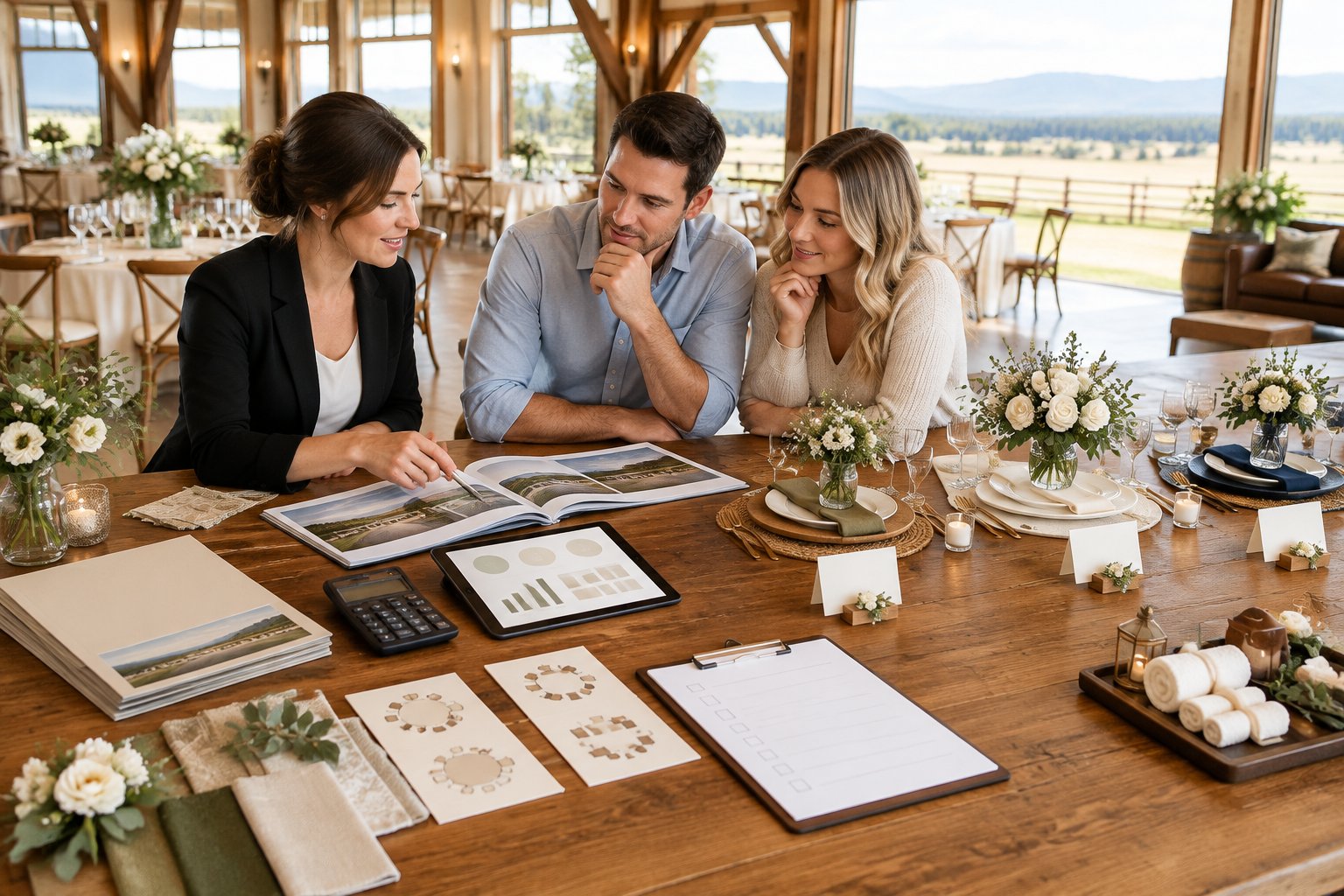
Request the same information from every wedding venue you consider. Use your expected guest count, preferred dates, number of room nights, and planned events so each proposal reflects a similar celebration.
What to Confirm Before Signing a Venue Contract
Your contract should identify:
- Ceremony and reception locations
- Maximum guest capacity
- Guest room inventory and room rates
- Required minimum stay or buyout
- Meals, bar service, and activity inclusions
- Setup, cleanup, rentals, and staffing
- Taxes, service charges, gratuities, and deposits
- Payment schedule and cancellation terms
- Weather backup and noise curfew
- Vendor, alcohol, décor, and insurance rules
- Overtime and damage charges
Ask for an itemized quote and a sample final invoice. Confirm whether children, vendors, and staff meals count toward the guest total or food and beverage minimum.
Questions to Ask About Buyouts, Minimum Stays, and Vendors
Ask whether a buyout reserves every room, event space, activity area, and shared amenity. Confirm the arrival and departure window, the required number of nights, the minimum spend, and your responsibility for unbooked rooms.
Vendor rules need equal attention. Ask whether you can bring your own planner, caterer, florist, photographer, band, or rental company. Confirm outside-vendor fees, insurance requirements, delivery access, setup hours, and cleanup duties.
Also ask who handles guest transportation, accessibility requests, dietary needs, weather changes, and schedule updates. Written answers protect your budget and give your wedding planner a reliable operating plan.
Ranch Destinations to Consider Across the U.S. and Beyond
Ranch destinations work best when the landscape and travel plan match your guest list. The American West offers mountain, prairie, and desert settings, while Texas Hill Country provides an accessible regional escape near Austin.

You can also compare a ranch with a beach resort in Mexico or Oahu when guests prefer ocean activities, resort services, and easier access to tropical amenities. Review flight routes, seasons, room costs, and local marriage requirements before choosing a destination wedding location.
The American West: Mountain, Prairie, and Desert Settings
The American West gives you a wide range of ranch backdrops. Montana, Wyoming, Colorado, Idaho, and Utah offer mountain valleys, forests, rivers, and open prairie. Arizona and parts of California provide desert scenery, warm light, and distinctive rock formations.
Mountain ranches suit couples who want hiking, horseback riding, cool evenings, and dramatic ceremony views. Prairie properties offer broad horizons and room for larger gatherings. Desert ranches create a bold setting with cactus, red rock, and clear skies.
Check seasonal access, airport distance, road conditions, guest transportation, wildfire risk, and temperature changes. A remote property needs a detailed arrival plan and reliable communication for every guest.
Texas Hill Country Escapes Near Austin
Texas Hill Country gives you rolling limestone hills, oak groves, vineyards, and warm-weather outdoor spaces within reach of Austin. Guests can combine the wedding with local dining, music, and a short romantic getaway.
Ask about summer heat, shade, cooling, rain plans, indoor capacity, and transportation from Austin-area airports or hotels. Confirm whether the property offers overnight rooms or works with nearby lodging.
A Hill Country ranch can suit an intimate ceremony, a larger wedding party, or a weekend gathering with welcome drinks and a farewell brunch. Your package should state whether those extra events use the same catering and rental terms as the reception.
When a Beach Resort Destination May Be a Better Fit
A beach resort may fit your celebration when guests want ocean access, pools, spa services, water sports, and a tropical setting. Mexico and Oahu offer destination wedding options with established hospitality services and a vacation atmosphere.
Compare the resort’s ceremony privacy, weather backup, room-block rules, guest travel costs, legal requirements, and reception hours. Check whether the beach is public, whether outside vendors can enter, and whether resort fees apply.
Ranches remain a strong choice when you want wide-open scenery, outdoor adventures, private lodging, and a western sense of place. For a smaller guest list, compare ranch elopements with a full weekend buyout before you reserve the date.