
All-Inclusive Wedding Venues France: What to Expect
Planning a destination wedding in France becomes easier when one team handles the venue, meals, styling, and timeline. All-inclusive wedding venues France gives you a clear starting budget while surrounding your guests with château gardens, vineyard views, or coastal scenery.
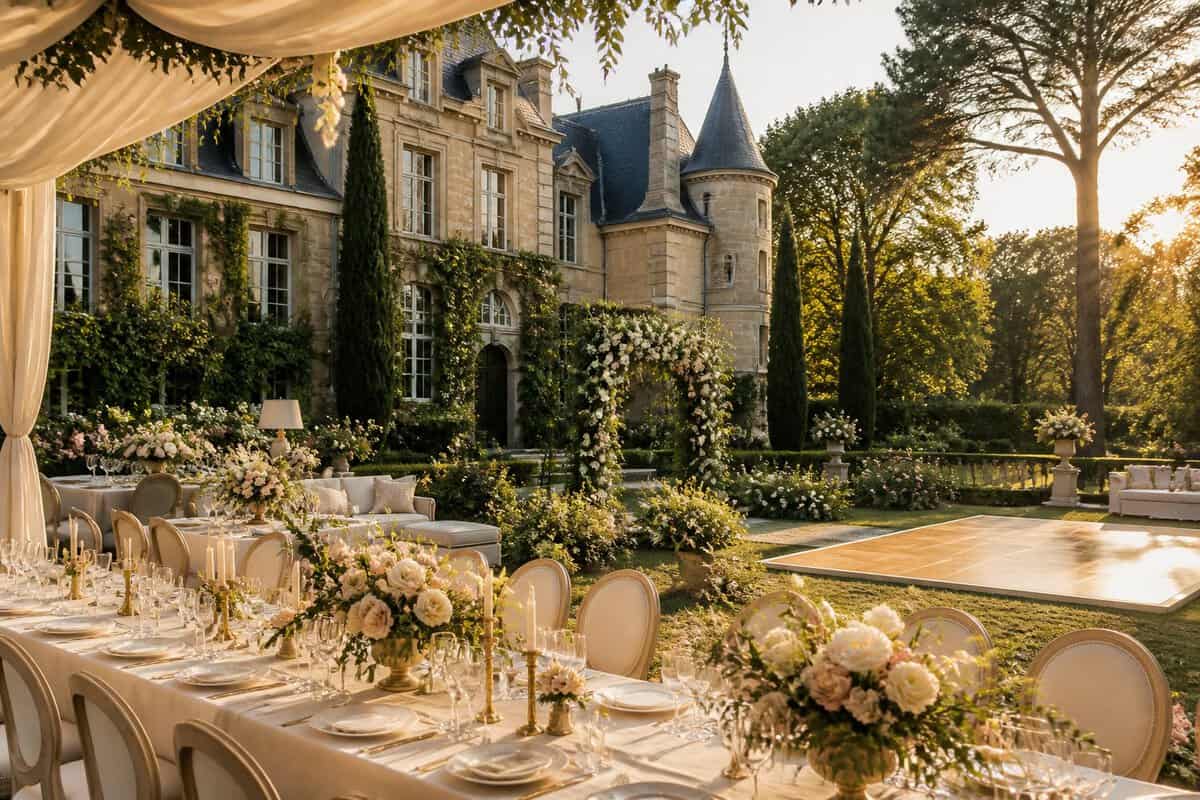
The best package is one that lists every major cost, names the people responsible for each service, and matches the way you want your wedding in France to feel. Review the details early, ask about guest lodging and supplier rules, then request a written quote from your preferred venue.
What Does an All-Inclusive French Wedding Package Include?
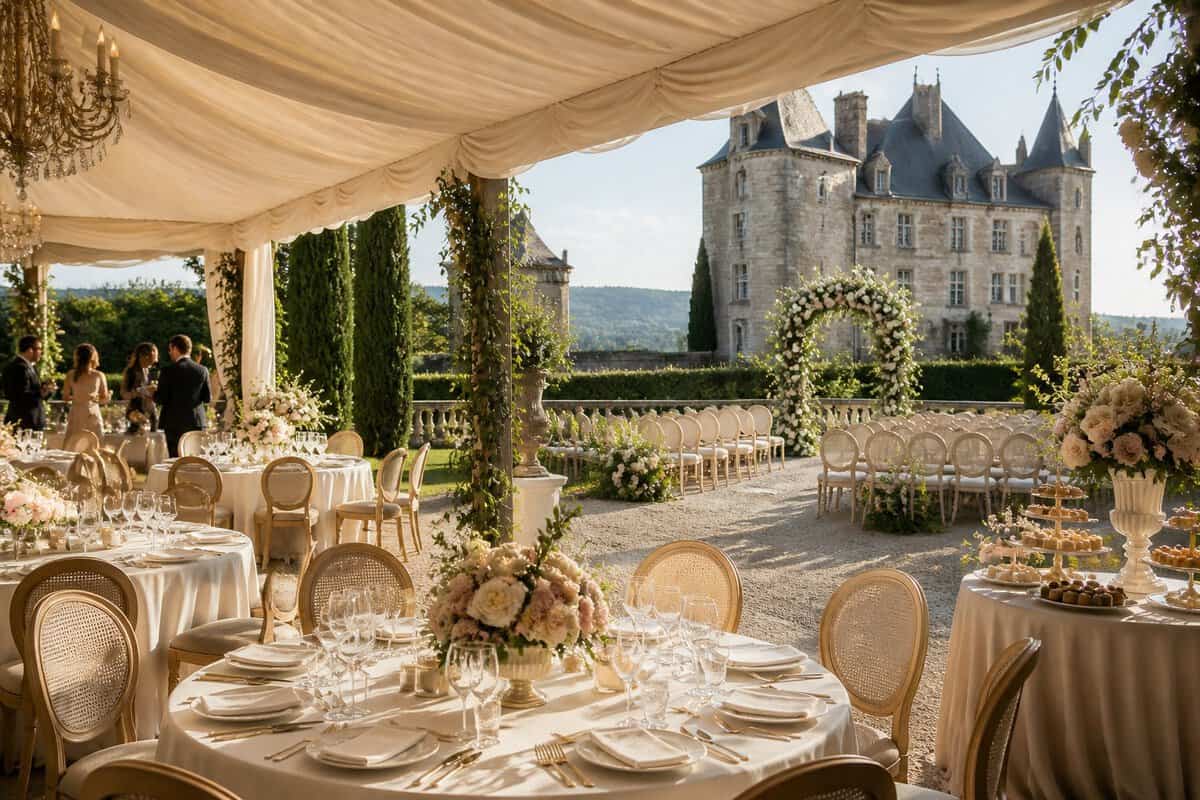
An all-inclusive French wedding package brings the wedding venue, planning support, food, and selected services into one coordinated agreement. Your exact france wedding package will vary by property, guest count, season, and level of customization.
Core Inclusions to Expect
Wedding packages in France commonly include:
- Exclusive use of the wedding venue for an agreed period
- A wedding planner or day-of coordination
- Catering for the wedding reception
- A wedding dinner with a set menu or selected choices
- Drinks such as wine, champagne, beer, and soft beverages
- Tables, chairs, linens, place settings, and basic décor
- A ceremony space for a symbolic ceremony
- Wedding cake or a dessert course
- On-site accommodation for some or all guests
- Setup and cleanup for the main event
Some packages also include wedding photography, music, flowers, transportation, and a welcome meal. Check whether each item is included in the base rate, available as an upgrade, or priced through an outside supplier.
A useful way to compare offers is to review what most wedding packages include before your venue calls. Ask for guest numbers, service hours, menu details, tax, and payment dates in writing.
What Is Commonly Excluded From the Price
The package price may leave out flights, airport transfers, legal paperwork, attire, invitations, hair and makeup, extra décor, and entertainment beyond the stated hours. Your guest rooms may also carry a separate charge, especially when the property has limited lodging.
Ask about corkage, overtime, vendor meals, ceremony fees, sound equipment, late-night snacks, and cleaning charges. Confirm whether the quote includes VAT and service fees. A low starting price can rise quickly when these details sit outside the main agreement.
Package Venue vs. Dry Hire: What Is the Difference?
A package venue bundles key services through one planning team. Dry hire gives you the property and event space, while you arrange the caterer, rentals, planner, photographer, and other suppliers yourself.
Dry hire offers more control over vendors and design. It also requires more coordination and makes your total budget harder to predict. A package venue suits you when you want fewer contracts and a venue team that knows the property well.
How Much Do All-Inclusive Celebrations Cost in France?
An all-inclusive celebration in France can range from about €15,000 for a small, carefully planned event to more than €100,000 for a large château, Paris, or French Riviera wedding. Your wedding budget depends on guest count, lodging, season, location, and the services inside the quote.
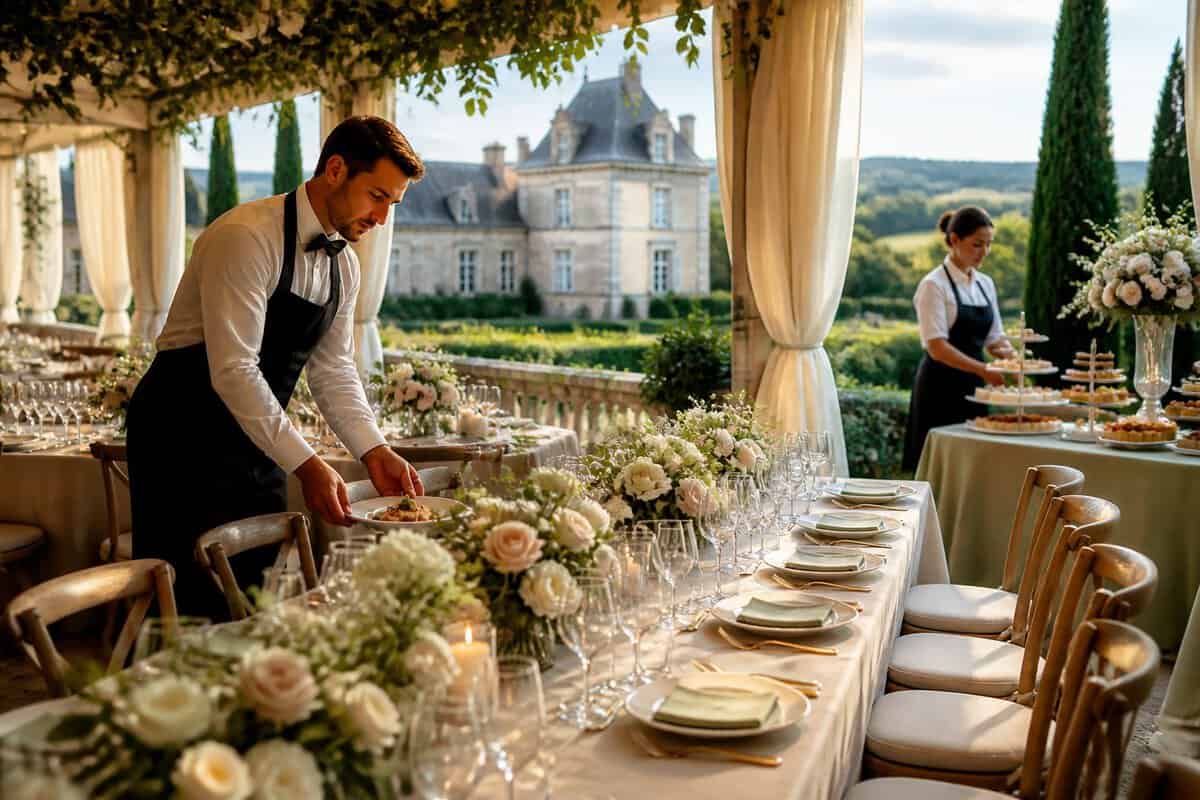
Guest rooms and exclusive venue use often create the largest changes between quotes. Compare every package on the same basis, including taxes, meals, drinks, staffing, and event length.
How Guest Count and Overnight Stays Shape the Wedding Budget
Guest count affects catering, drinks, rentals, staffing, transportation, and room requirements. A venue for 40 guests may offer a very different rate from one designed for 120.
On-site accommodation can simplify logistics, yet it adds a lodging cost for you, your guests, or both. Ask whether rooms are included, reserved at a group rate, or billed separately. Find out whether guests must stay for a set number of nights.
A smaller guest list can free funds for upgraded food, photography, flowers, or a longer stay. If guests pay for their own rooms, share that policy early so everyone can plan travel costs.
Why Season, Weekday Weddings, and Minimum Stays Matter
A weekday wedding or winter wedding often costs less than a peak-season weekend. Some venues also offer lower rates for two-night stays during selected dates, while others require a three-night wedding weekend.
Ask about:
- Saturday and Sunday pricing
- Weekday date availability
- Winter heating and indoor event fees
- Minimum room nights
- Arrival and departure times
- Extra charges for rehearsal dinners or brunches
A midweek date can suit guests who live nearby or plan a longer holiday. International guests may prefer a weekend with enough time for flights, transfers, and rest.
How to Compare Package Quotes Like for Like
Create one comparison sheet with the same fields for every venue. Record the venue fee, number of nights, room count, guest meals, drinks, staffing, décor, photography, entertainment, taxes, and payment schedule.
Ask each venue to price the same guest count and menu style. Confirm the number of service hours and whether the package includes setup, cleanup, ceremony seating, and vendor meals.
A Paris France wedding package may include transport and city photography, while château wedding packages may place more value on private grounds and guest lodging. Compare the experience and included services together, then calculate the cost per guest as a secondary check.
Which French Setting Fits Your Celebration?
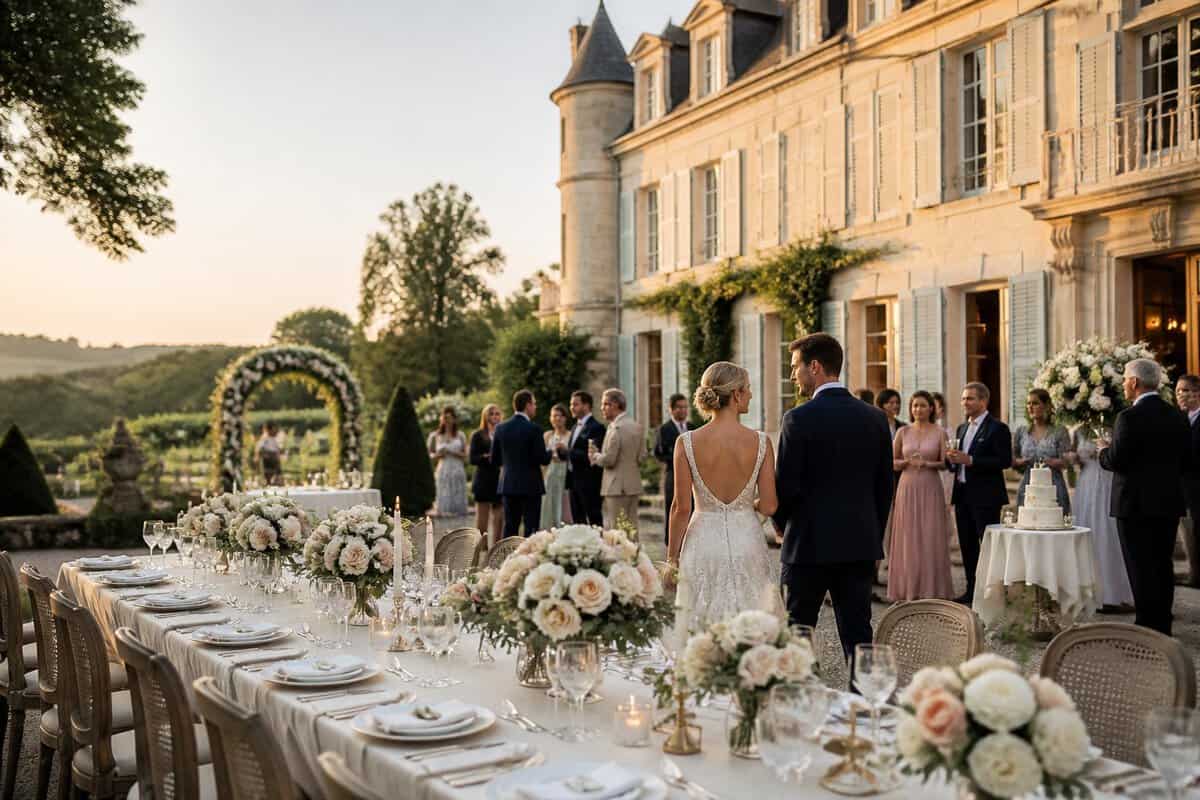
The best French setting depends on your guest experience, wedding size, travel plans, and preferred atmosphere. A château suits a full weekend, vineyards offer a strong food-and-wine setting, Paris works well for an intimate wedding, and coastal or rural venues create a slower celebration.
Think about airport access, room capacity, local activities, and weather before you fall in love with a venue’s style. These practical details shape how comfortable your guests feel throughout the event.
Château Estates for a Full Wedding Weekend
A château wedding gives you historic architecture, gardens, private rooms, and space for several events. A renaissance chateau can provide a dramatic ceremony backdrop, while a restored country estate may feel more relaxed and family-friendly.
Many château estates support a welcome dinner, ceremony, wedding reception, and farewell brunch across two or three nights. Look for exclusive use if you want privacy and control over music, meal times, and guest movement.
Check the distance from the nearest airport and train station. A beautiful estate with limited transport options may require shuttle planning and extra travel time for your guests.
Vineyard Weddings in Bordeaux, Cognac, and Dordogne
A vineyard wedding connects your celebration with regional food, local wine, and open countryside. Bordeaux offers famous wine country, Cognac brings spirit-making heritage, and Dordogne combines stone villages, rivers, and rural estates.
Ask whether the venue produces wine or works with a nearby producer. Confirm tasting arrangements, cellar access, rain plans, and transport for guests who drink alcohol.
Vineyard properties range from polished estates to small family-run venues. Review room capacity and event noise rules before booking a property surrounded by working fields.
Paris Elopements and Intimate City Celebrations
Paris suits an elopement or intimate wedding when you want architecture, restaurants, museums, and photography locations close together. A Paris France wedding package may include planning, a ceremony setting, photography, transport, flowers, champagne, or live music.
An Eiffel Tower view can add a memorable backdrop, though city permits, traffic, timing, and weather affect the plan. Ask where your ceremony takes place and how long photography coverage lasts.
A city celebration can reduce guest travel between events. It may also provide fewer private outdoor spaces than a country estate, so confirm dinner seating, sound rules, and indoor ceremony options.
Coastal and Countryside Options From the French Riviera to Brittany
The French Riviera offers sunshine, sea views, villas, and resort-style celebrations. Brittany brings rugged coastlines, maritime food, and historic properties. The Loire Valley and Auvergne provide countryside venues with castles, gardens, and quieter surroundings.
Review local climate, wind exposure, road access, and nearby lodging. French wedding venues in coastal areas may have strict outdoor sound limits, while rural venues may require guest shuttles.
Use how to pick a wedding location to weigh scenery against access, lodging, and activities. Your chosen region should support the full guest experience, not only the ceremony backdrop.
How to Choose the Right Venue and Package
Choose a venue by matching its capacity, privacy, planning support, ceremony rules, and guest facilities to your event. A detailed contract should show what your wedding planner manages, which suppliers you can choose, and how the property handles weather.
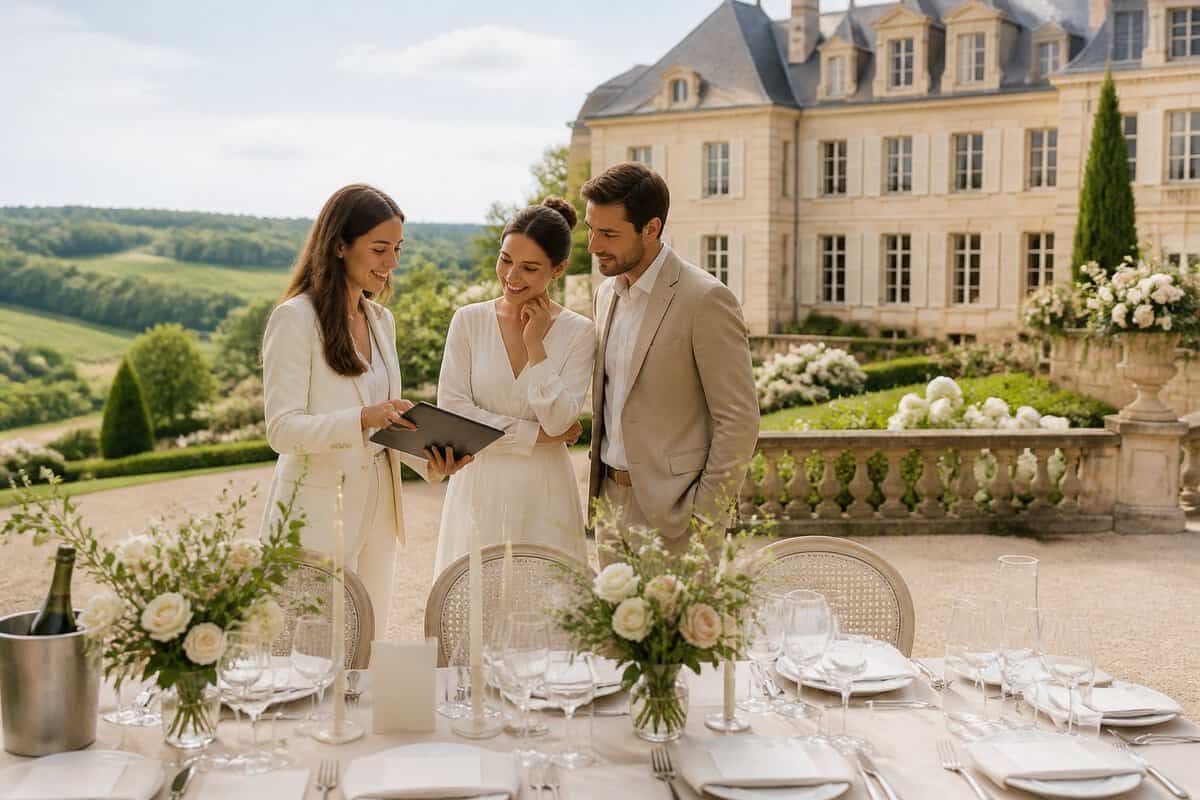
Visit in person when possible, or request a live video tour that includes guest rooms, ceremony areas, kitchens, bathrooms, and indoor backup spaces. Ask for a sample timeline and a complete cost sheet before you pay a deposit.
Check Exclusivity, Capacity, and On-Site Accommodation
Confirm the number of guests allowed for the ceremony, dinner, dancing, and overnight stay. A venue may hold 100 people for dinner while offering rooms for only 20.
Ask whether exclusive use covers the gardens, pool, dining rooms, parking, and guest lounge. Find out who manages breakfast, check-in, room changes, and late arrivals.
A property with an indoor pool or spa can give guests something to enjoy between events. Check opening hours, supervision rules, accessibility, and whether these facilities are private during your stay.
Decide How Much Supplier Flexibility You Need
Some all-inclusive venues require their own caterer, planner, florist, or photographer. Others let you choose from a preferred list or bring outside suppliers for an added fee.
Ask about menu changes, cultural food requests, décor installation, music equipment, and delivery access. If you want a specific photographer or band, confirm availability before signing.
Your wedding planner should explain who gives instructions on the day. One clear contact prevents duplicated requests and protects your timeline.
Assess Ceremony Options and Legal Requirements
A symbolic ceremony offers flexibility for couples traveling from abroad. A legally recognized ceremony may require documents, translations, residency steps, and a ceremony through the appropriate French authority.
Ask the venue whether it hosts civil ceremonies, religious services, or symbolic celebrations. Confirm the ceremony location, seating plan, rain backup, sound setup, and accessibility.
French wedding traditions can be included through food, music, floral design, or a welcome ritual without changing the legal structure of your marriage. Get legal guidance from the relevant authorities before you set the date.
Plan for Guest Comfort and Weather Contingencies
Your venue needs a practical rain plan with enough space for dining, dancing, and the ceremony. Review shade, heating, fans, restrooms, flooring, lighting, and paths between buildings.
Ask how the property handles storms, heat, wind, and supplier delays. Check transfer times for older guests, children, and anyone with mobility needs.
Share room details, transport plans, dress guidance, and local activity ideas well before departure. A clear guest plan reduces questions for you and helps the wedding planner keep the day moving.
Making the Most of a French Wedding Weekend
A French wedding weekend feels complete when each event has a clear purpose, local food and wine guide the guest experience, and the schedule leaves room to rest. Plan the ceremony and wedding reception around travel time, meal pace, weather, and the facilities your guests can enjoy.
Give guests useful details about transfers, room check-in, dress, meal times, and free hours. Keep the busiest moments on the main day so the rest of the weekend feels welcoming.
Build a Three-Day Celebration Around Your Guests
A three-day plan can include:
- Arrival day: welcome drinks, room check-in, and a relaxed dinner
- Wedding day: breakfast, ceremony, reception, wedding dinner, and dancing
- Departure day: brunch, pool time, a countryside walk, or local sightseeing
Leave gaps between activities so guests can rest and change. A château with a spa or indoor pool gives people an easy way to enjoy the property without extra transport.
Share the schedule in local time and list transfer points clearly. International guests appreciate practical details more than a crowded itinerary.
Use French Food and Wine as Part of the Experience
Work with your caterer to build meals around regional ingredients and the venue’s location. A wine tasting, local cheese course, seasonal dessert, or market-style welcome meal can make the celebration feel connected to France.
Confirm dietary needs, children’s meals, service style, and drink limits during planning. Ask whether French wine is included by the bottle, glass, or package hour.
Your wedding dinner should leave time for conversation and speeches. Request a written menu with serving times, substitutions, and late-night food options.
When a Winter or Midweek Date Is the Better Choice
A winter wedding or weekday wedding can offer lower rates, greater date choice, and a quieter guest experience. Indoor fireplaces, candlelit dinners, seasonal menus, and spa time suit a colder celebration.
Check daylight hours, heating, road conditions, and indoor capacity before choosing a winter date. For a midweek event, give guests travel information early and consider adding an extra night.
A shorter program with a welcome meal and one main celebration can work well when guests have limited vacation time. Ask the venue about staffing and supplier availability on your chosen date.