
How to Pick a Wedding Location: Simple Tips for Your Perfect Day
Choosing the right location for your wedding is a crucial step in the planning process. Consider your budget, guest list, and the theme of your celebration. The perfect setting can enhance your wedding theme and create lasting memories for you and your guests.
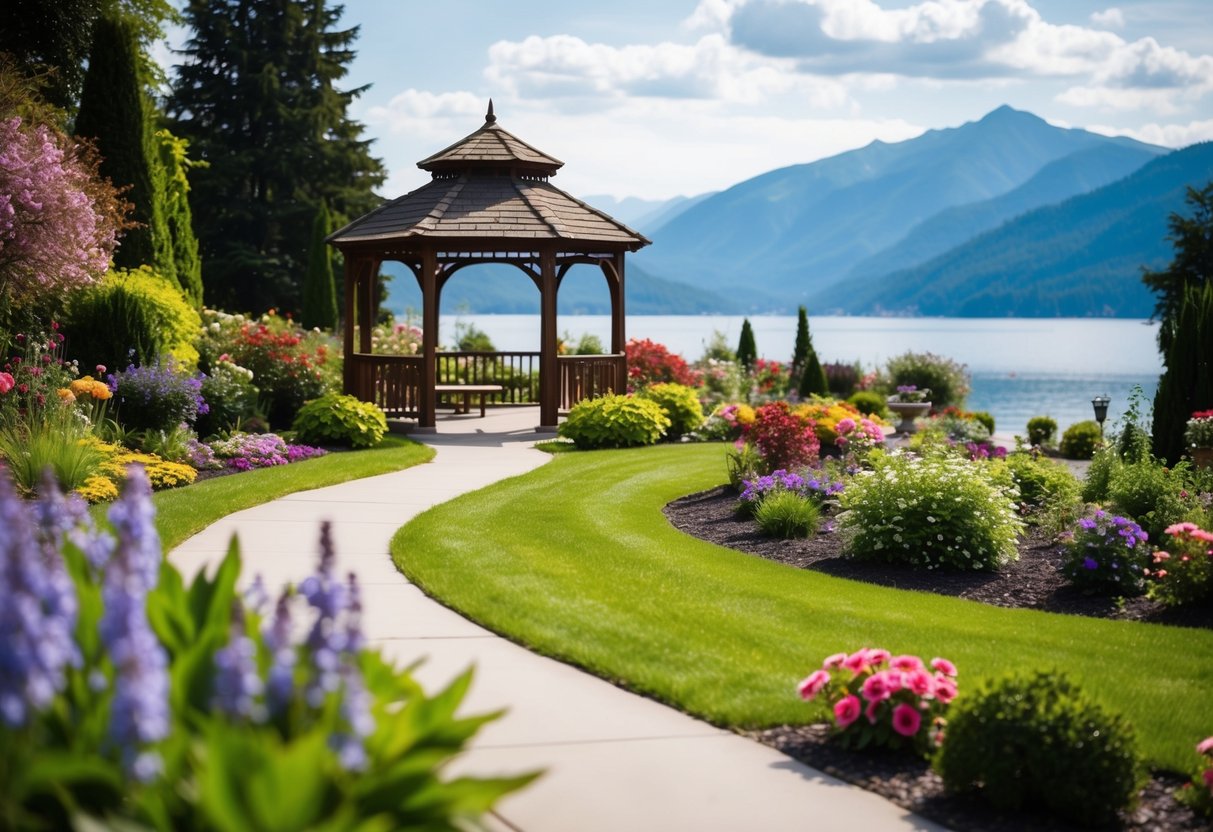
As you explore different options, think about what environment will best reflect your style and vision. Whether you dream of a cozy barn, a beautiful beach, or an elegant ballroom, your venue choice should resonate with your personality.
Don’t forget to check local venue availability and policies, as these can greatly affect your planning.
Selecting a venue also means considering the practical aspects. Look for sites that can accommodate your guest list, offer essential services, and fit within your budget. With the right approach, you can find a wedding location that will make your special day unforgettable.
Understanding Your Wedding Vision
Having a clear vision for your wedding helps streamline your venue search. This involves figuring out your desired style and theme, estimating how many guests you’ll invite, and considering the type of venue that fits your dreams.
Determining Your Style and Theme
Start by thinking about what style best represents you as a couple. Is it elegant, rustic, bohemian, or modern? Each style suggests different venue options.
For example:
- Urban venues work well for a modern or chic wedding.
- Garden venues offer a beautiful backdrop for a natural or bohemian theme.
- Country clubs and hotel ballrooms suit more traditional weddings.
Create a mood board with colors, textures, and images that inspire you. This will help you communicate your vision to potential venues. Knowing your theme makes it easier to choose decorations and other elements that match your style.
Estimating Guest Count and Wedding Size
Next, think about how many guests you plan to invite. This number greatly influences your venue choice. A small, intimate wedding may fit perfectly in a cozy space, while larger weddings need bigger venues.
Guest count considerations:
- For destination venues, make sure it’s accessible for your guests.
- If you invite a larger crowd, consider venues with ample space, like a hotel ballroom or a spacious garden.
- Always have a rough estimate before looking at venues to avoid falling in love with a space that can’t accommodate your guests.
Considering the Type of Venue
The type of venue you choose is crucial for setting the right atmosphere. Different venues evoke different feelings. Think about what kind of experience you want for yourself and your guests.
- Urban venues are great for a trendy vibe.
- Garden venues bring a feeling of relaxation and natural beauty.
- Country clubs give an air of sophistication.
- Destination venues can create a magical getaway experience.
Consider what you want your guests to experience and how the venue will support that vision. Remember, the right venue ties everything together, enhancing your wedding style and theme.
Budgeting and Cost Considerations
When choosing your wedding location, understanding your budget is essential. You need to consider both the venue and catering costs to make informed decisions. Keeping track of your expenses can help ensure a smooth planning process.
Allocating Funds for Venue and Catering
Start by determining your total wedding budget. A common guideline is to allocate about 40% of your budget to the venue and catering combined. This includes costs for the venue rental as well as the food and drinks for your guests.
Consider whether your venue offers in-house catering or allows outside catering. In-house options can simplify planning but may cost more. Make a list of catering options to compare prices. For a seated dinner, budget around $70 to $150 per person, depending on the menu. Don’t forget to include service charges and tips in your calculations.
Hidden Costs and Wedding Insurance
Keep an eye out for hidden costs that can sneak up on you. Venues may add service fees, insurance, and cleaning charges that can quickly increase your bill. Always read the fine print in your contract to understand what you’re paying for.
Consider getting wedding insurance for peace of mind. This covers unexpected issues like venue cancellations or vendor problems. It usually costs between $150 and $400 and can save you from financial headaches later on. Being proactive about these costs will help keep your wedding budget in check.
Logistics and Planning
Planning your wedding involves a lot of details. You need to consider your wedding date, venue availability, guest accessibility, and even weather factors. Each part is essential to ensure a smooth experience for you and your guests.
Selecting Your Wedding Date
Choosing your wedding date is one of the first steps in your planning. Think about the season and how it fits your vision. If you want a garden wedding, spring or early summer may be ideal.
Consider your guest list too. You might want to avoid major holidays when many guests may already have plans. Additionally, think about off-season weddings, which can offer lower rates and better venue options.
Venue Availability and Booking
After picking a date, check the availability of your desired venues. Popular locations can book up quickly, particularly during peak wedding seasons.
Make a list of preferred venues and contact them early. Ask about their booking process and any required deposits. It’s also wise to schedule site visits. This allows you to see the space and ask questions about any restrictions.
Accessibility and Guest Experience
Accessibility is essential in your venue choice. Ensure that it is easy for your guests to get to and navigate. If your wedding is in a remote area, consider transportation options.
Think about parking too. Guests should have a hassle-free experience. If you have elderly guests or those with mobility issues, look for venues that offer ramps or elevators.
Planning for Weather Contingencies
Weather can be unpredictable, so it’s smart to have a rain plan in place. If you are considering an outdoor venue, ensure there is an indoor option available.
Communicate your backup plans clearly with your guests. This helps manage expectations and reduces stress on the big day. Consider renting tents or equipment for unexpected weather changes.
Finalizing the Details
Choosing the perfect wedding location involves careful consideration of practical aspects. Paying attention to details like site visits, venue restrictions, and the layout of your ceremony and reception spaces can help you make an informed decision.
Conducting Site Visits and Venue Research
Before you make a final decision, it’s essential to visit potential wedding venues. This gives you a chance to see the space and how it fits your vision. Look for venues that match your wedding style—whether it’s a hotel venue or an outdoor wedding.
Take notes during your visit. Pay attention to lighting, especially if you’re considering an outdoor ceremony. Natural light can enhance your wedding photos. Assess the terrain too; for example, a rocky area may not work well for heels.
Understanding Venue Restrictions and Amenities
Every venue comes with its own set of restrictions and amenities. Before finalizing your choice, ask about rules regarding decorations, noise levels, and alcohol serving. Understanding restrictions ensures you can create the wedding you envision.
Also, consider the amenities offered. Does the venue have a kitchen for catering? Is there enough parking for your guests? Some venues may also offer event planners that can help with logistics. Research these factors to avoid surprises later.
Envisioning the Ceremony and Reception Spaces
Take time to envision how your ceremony and reception will flow in the space. Imagine where your seating will be and how guests will move from one area to another.
This is crucial for planning outdoor weddings where terrain can affect setup.
Think about where the lighting will come from in both spaces. Will it be bright enough for your ceremony? What about when the reception gets started?
These details are important for creating a beautiful atmosphere.
Visualizing these aspects can help ensure everything feels seamless.