
All-Inclusive Wedding Venues Las Vegas: Packages and Planning
Las Vegas gives you a wedding destination with quick planning, flexible guest counts, and settings that range from lakefront gardens to elegant banquet halls. With all inclusive wedding venues las vegas couples can combine the ceremony, reception, catering, flowers, photography, and coordination into one easier plan.
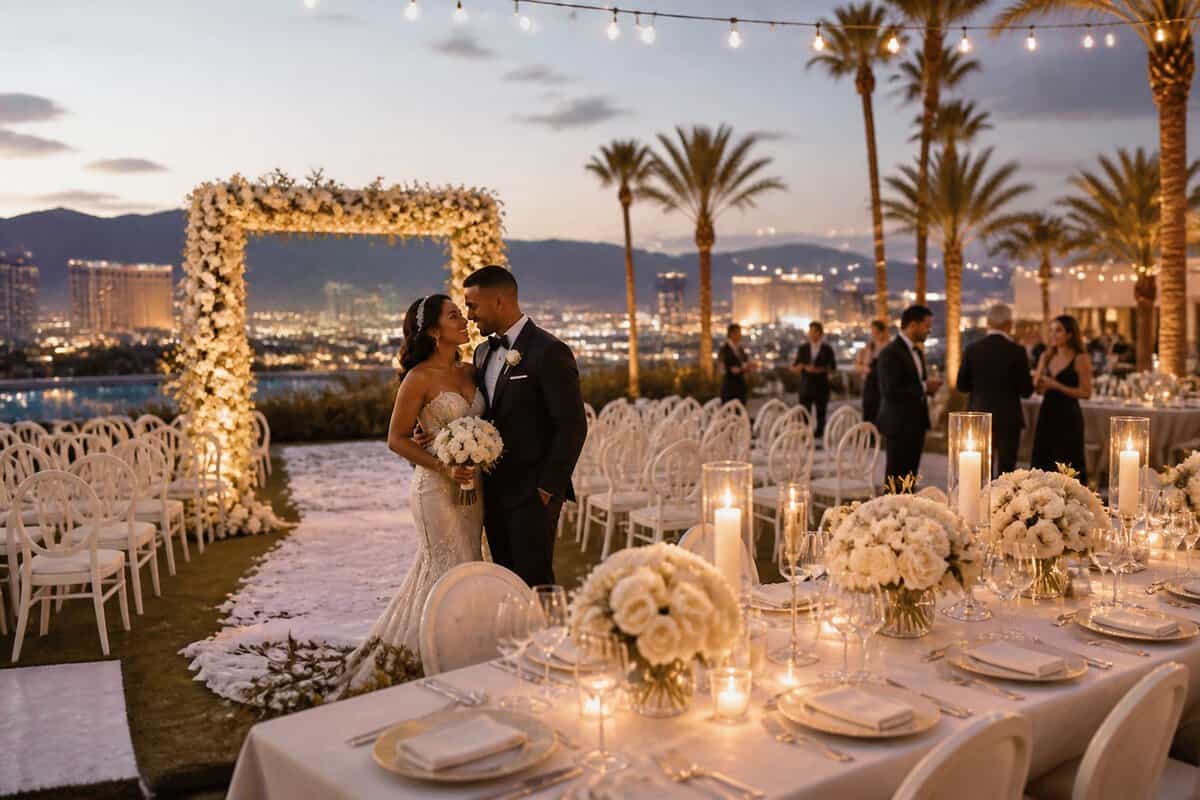
The best package gives you a clear total price, a setting that fits your guest list, and enough included services to make your wedding day feel calm and personal. You can still add special touches while keeping vendor decisions under control. If you want help comparing options near the Strip, explore Lakeside Weddings & Events or Always & Forever Weddings and Receptions to start shaping your dream wedding.
What Does All-Inclusive Really Mean?
An all-inclusive wedding package combines the core venue, ceremony, reception, and service costs into one coordinated plan. You receive a defined set of wedding packages, then choose upgrades for details that need a more personal touch.
Core Inclusions to Expect
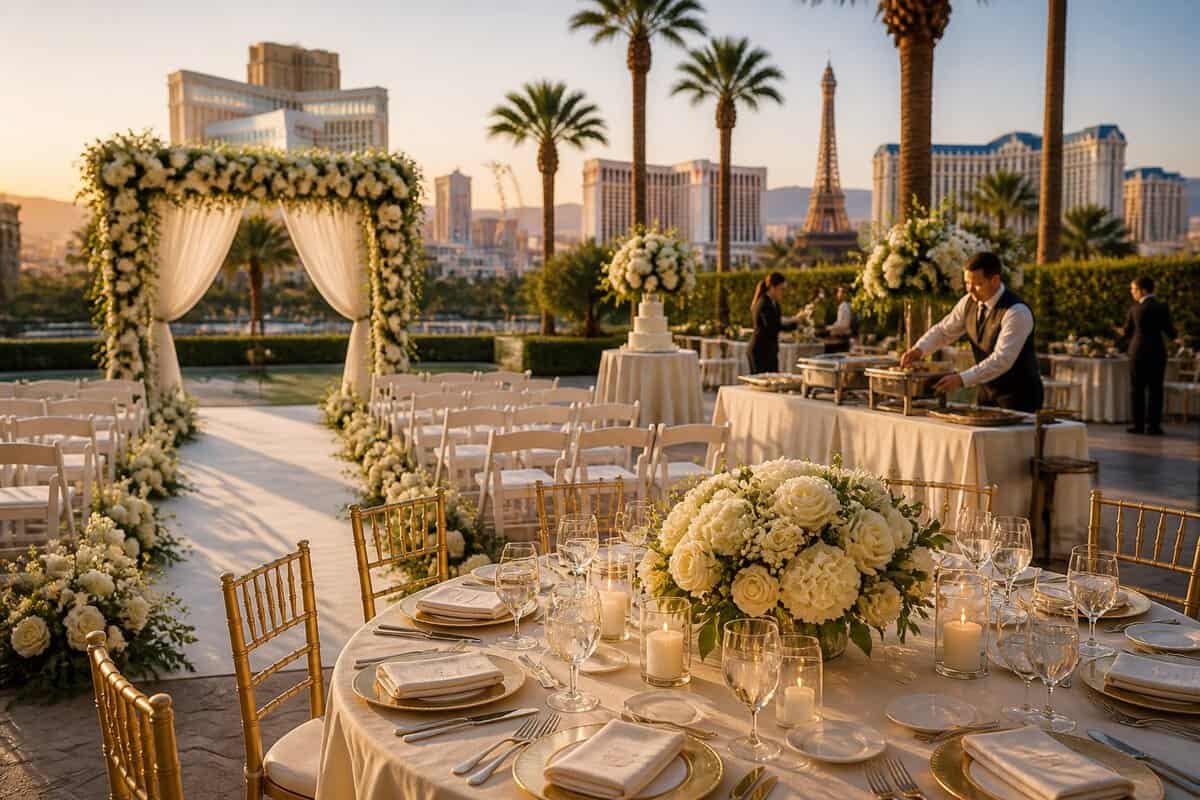
Many Las Vegas wedding packages include the ceremony site, a licensed minister, basic ceremony music, floral items, photography, and a wedding coordinator. Reception-focused plans may add catering, tables, chairs, linens, a wedding cake, and a champagne toast.
Ask whether the listed price covers both the wedding ceremony and wedding reception. Some wedding venue packages bundle a ceremony and reception venue, while others cover only the ceremony with a short photography session.
Review the exact guest count, service time, menu, and image package. A package that looks complete online can have limits on photographer hours, flower choices, or reception seating.
What May Cost Extra
Common added costs include:
- Marriage license and government fees
- Guest meals beyond the package limit
- Premium flowers or décor
- Extra photography time or edited images
- DJ upgrades and extended music
- Open bar service
- Reception room upgrades
- Gratuities, taxes, and service charges
Ask for a written estimate that shows each fee. Confirm whether outside vendors are allowed, especially if you have a preferred photographer, hair and makeup artist, or florist.
How Ceremony-Only and Full-Event Packages Differ
A ceremony-only package focuses on the vows, officiant, flowers, music, and a short photo session. It suits an intimate wedding followed by a separate dinner or celebration.
A full-event plan connects the ceremony to the reception. You may receive a meal, cake services, table service, bar options, décor, entertainment, and a private room. Choose this format when you want guests to stay at one location and your wedding team to manage the transition.
Choose the Right Setting for Your Celebration
Your wedding venue should match your guest count, weather plan, privacy needs, and preferred mood. Las Vegas offers garden wedding spaces, waterfront sites, indoor chapels, banquet rooms, and reception halls within easy reach of the Strip.
Garden and Lakeside Ceremony Sites
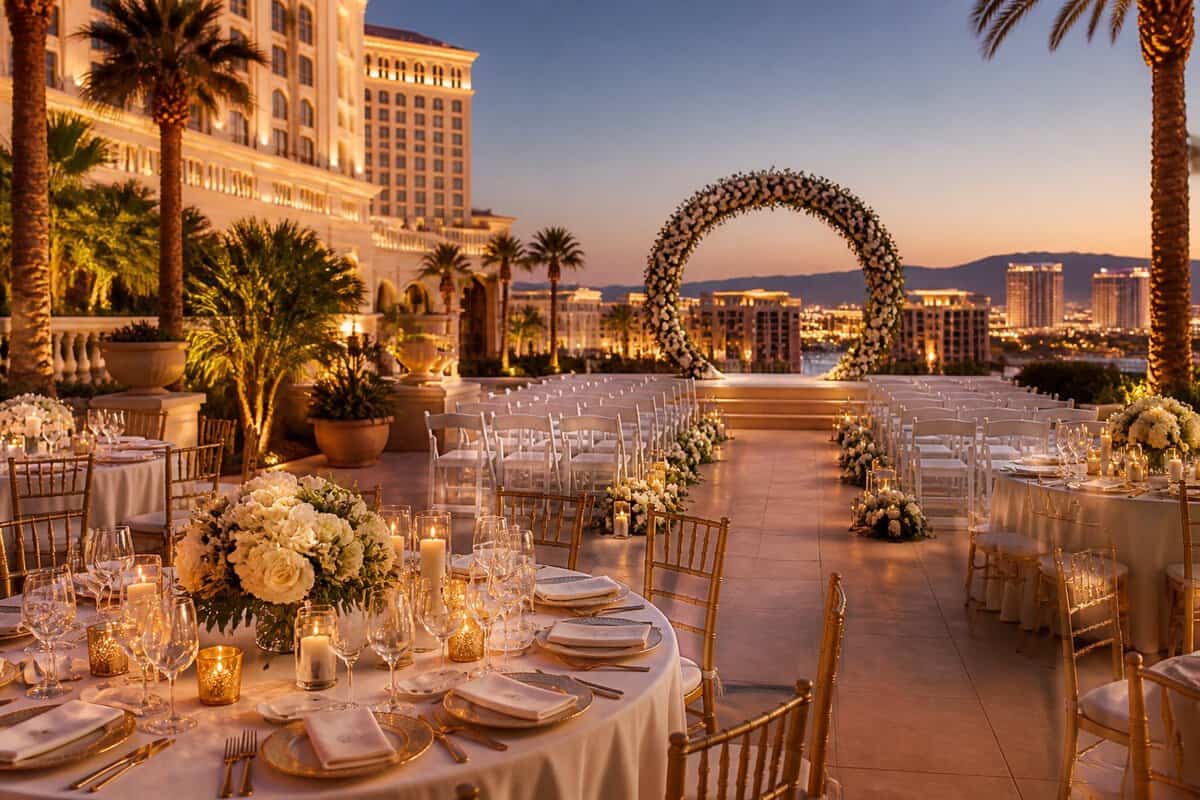
A garden or lakeside ceremony gives you natural scenery, open air, and strong photo backgrounds. Sites such as Swan Garden, Heritage Garden, Grand Garden, and Waterfall Garden offer different levels of space and visual style.
Ask how the venue handles heat, wind, and rain. Confirm the shaded seating, backup room, ceremony start times, aisle access, and sound setup. A wedding gazebo can provide a defined focal point while keeping the design simple.
Lakeside Weddings & Events offers a waterfront setting near the Las Vegas Strip, which helps you combine scenic views with convenient travel for guests. Check the walking route from parking to the ceremony area for older guests and anyone using mobility equipment.
Indoor Chapels and Banquet Halls
An indoor wedding chapel gives you climate control and a reliable plan in every season. A Las Vegas wedding chapel may include seating, an altar area, music, officiant services, and photography in one package.
Banquet halls work well when you want dinner, dancing, and the ceremony under one roof. Review the ceiling height, lighting, dance floor, sound limits, restrooms, and room layout before you book. Ask to see the space set for a guest count close to yours.
Intimate Weddings vs. Larger Guest Lists
An intimate wedding often works best in a garden, gazebo, chapel, or smaller private room. You can spend more attention on photography, flowers, menu choices, or a longer guest experience.
Larger celebrations need clear guest flow and enough space for dining, dancing, bar service, and photography. Ask about the maximum seated capacity, table spacing, parking, weather backup, and timing between the ceremony and reception.
Use the venue’s floor plan to place parents, older guests, children, and people with mobility needs comfortably. A smaller room filled with the right number of guests feels warmer than a large room with scattered tables.
Compare Package Inclusions Before You Book
A package comparison should show the exact service level for flowers, ceremony support, photos, beauty, transportation, food, drinks, and reception time. Place each offer in a checklist so missing details become easy to spot.

Flowers, Music, and Ceremony Essentials
Check whether the package includes a rose bouquet, rose boutonniere, boutonniere for additional attendants, and ceremony décor. Ask about available colors, flower substitutions, delivery timing, and keepsakes.
Ceremony music may include a small selection of recorded songs. Confirm whether you receive a sound system, a dedicated musician, a processional cue, and music during guest arrival.
A bridal suite gives you a private place to prepare and store personal items. Confirm the room access time, mirror and seating setup, restroom location, and whether your wedding party can join you.
Photography, Beauty, and Transportation
Photography packages differ by coverage time, photographer experience, edited images, delivery method, and print rights. Ask to view a complete gallery from a recent wedding, not only selected highlight images.
Hair and makeup packages may cover the couple or the full wedding party. Confirm the trial policy, start time, touch-up service, travel fee, and extra-person rate.
Wedding day transportation may include a limousine, hotel pickup, or a short ride between ceremony and reception. Ask about vehicle capacity, route limits, waiting time, and limo services for guests who need transportation.
Food, Drinks, and Reception Details
A reception package can include a wedding cake, cake services, a rose centerpiece, champagne toast, dinner buffet, or table service. Request the menu, serving time, portion details, and plan for dietary needs.
An international menu can give guests more choice, while a plated meal offers a formal pace. Open bar terms need close review because packages differ by hours, brands, mixers, and service limits.
Ask whether the room includes linens, place settings, centerpieces, cake cutting, cleanup, a dance floor, and a microphone. Confirm the reception end time and the price for added hours before signing.
How Much Should You Budget for the Full Event?
Your full wedding budget should include the package, guest-related charges, marriage license, taxes, service fees, gratuities, travel, attire, and personal wedding traditions. A legal ceremony can cost far less than a complete reception, while guest count and upgrades drive the larger totals.
Package Pricing by Guest Count
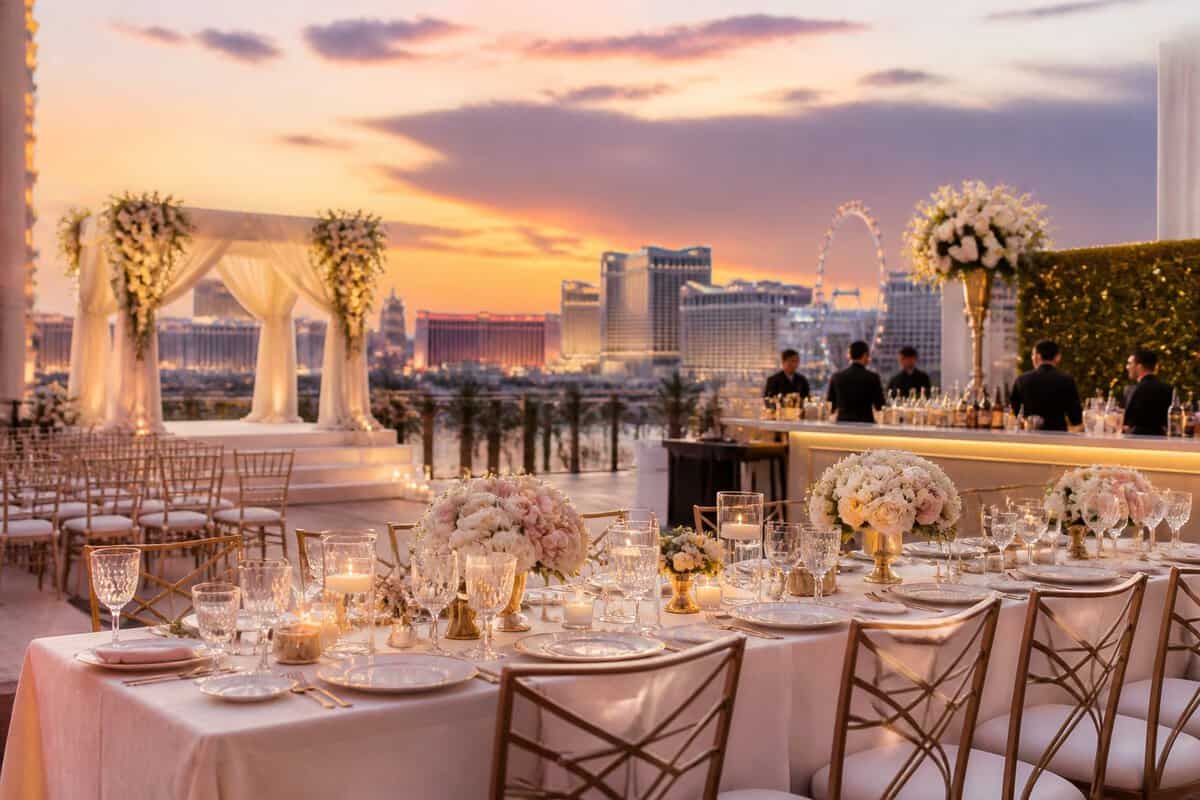
Guest count affects food, drinks, chairs, linens, cake portions, favors, and room size. A couple planning an intimate wedding may choose a ceremony package with a small dinner, while a larger wedding party needs a reception package built around per-person pricing.
Create a guest-count range before requesting quotes. Price the event at your expected number, then ask for the cost of five or ten additional guests. Confirm the minimum guest count and whether children receive a reduced meal price.
For a useful planning check, compare the venue quote with guidance on how much you should budget per person for a wedding. Include lodging and guest transportation when you invite people from outside Nevada.
Deposits, Service Charges, and Vendor Fees
Ask when the deposit is due, whether it is refundable, and how the balance is scheduled. Your contract should list taxes, gratuities, administrative charges, overtime, setup fees, cleanup fees, and vendor access fees.
The marriage license is a separate government cost and requires its own timing plan. Confirm who applies for it, which identification you need, and when the ceremony team receives the required documents.
Review cancellation, postponement, weather, guest-count, and force majeure terms. Keep every promise about vendors, timing, menu selections, and room access in the signed contract.
Upgrades and Wedding Specials Worth Considering
Wedding specials can lower the cost of weekday dates, smaller guest counts, seasonal bookings, or bundled services. Ask whether a promotion changes the deposit, guest minimum, service hours, or cancellation terms.
Useful upgrades include extra photography coverage, a private dinner room, premium flowers, upgraded cake flavors, extended bar service, and guest transportation. Choose an upgrade when it solves a clear need for your guest experience or timeline.
Set aside a reserve for attire changes, marriage documents, tips, late guest additions, and weather-related adjustments. You can also use how much you should spend on your wedding to set a spending limit before reviewing extras.
Plan a Smooth Wedding Day From Booking to Send-Off
A smooth wedding day comes from one written timeline, one point of contact, and confirmed responsibilities for every vendor. Your planner or coordinator should connect the ceremony, reception, guest movement, photography, meal service, and departure plan.
Questions to Ask During a Venue Tour
Ask these questions during your tour:
- Which spaces are private for our event?
- What happens if outdoor weather changes?
- How many guests fit with a dance floor and buffet?
- Who supplies tables, chairs, linens, sound, and décor?
- Where do the wedding party and vendors enter?
- How long do we receive the bridal suite?
- What photography locations are available?
- Which vendors must we use?
- When can vendors load in and clean up?
- What fees are due before the wedding day?
Visit the ceremony area and reception room at a similar time of day to your planned event. Check the light, noise, temperature, parking, and walking distance between spaces.
Working With Your Planner and Coordinator
A professional wedding planner can help with design, budget choices, vendor communication, and guest logistics. A wedding coordinator focuses on the venue timeline, setup, ceremony cues, reception flow, and day-of problem solving.
Lakeside Weddings & Events and Always & Forever Weddings and Receptions present different planning environments, so ask each team who handles your event from booking through send-off. Confirm the coordinator’s name, communication method, response time, and backup contact.
For a larger celebration, review rooms such as the Swan Banquet Room, Grand Atrium Reception Hall, and Royal Banquet Room. Match each room to your guest count, meal style, dance floor, and desired privacy.
Final Details to Confirm Before the Ceremony
One month before the wedding, confirm the guest count, menu, cake, flowers, music, photography schedule, transportation, and payment balance. Send the final timeline to your wedding party and vendors.
One week before the ceremony, verify arrival times, contact numbers, weather plans, marriage license documents, attire, rings, and personal items. Give the coordinator a labeled box for décor, favors, signage, and ceremony materials.
On the wedding day, keep the schedule with the coordinator and assign one trusted person to answer guest questions. This lets you focus on your ceremony, reception, and time with the people who traveled to celebrate with you.