
How Much Should You Spend on Your Wedding? A Guide to Budgeting for Your Big Day
Planning a wedding can be both exciting and overwhelming, especially when it comes to figuring out how much you should spend. The average wedding cost in the U.S. ranges from $20,000 to $34,000, but your budget should reflect your personal needs and preferences. Understanding how to allocate your funds can help you create the wedding of your dreams without breaking the bank.
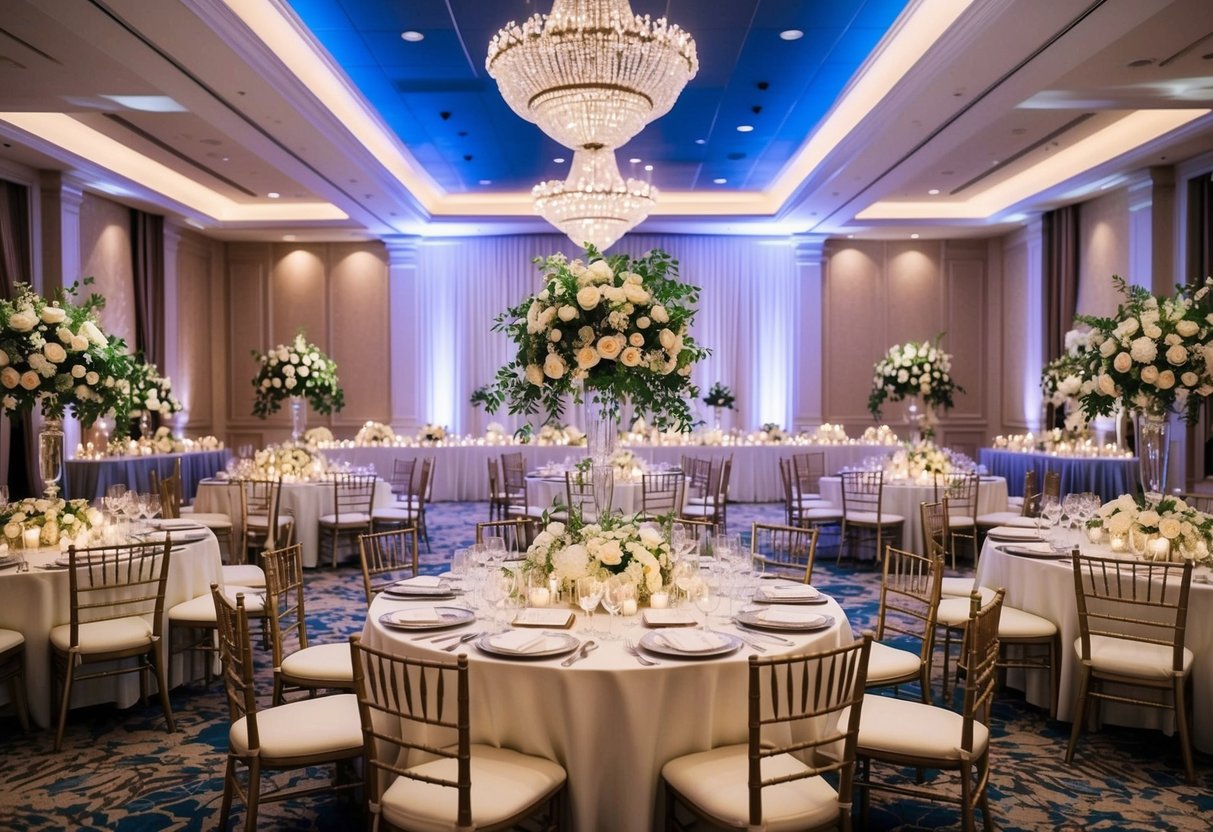
To stay on budget, it’s essential to prioritize what’s most important to you and your partner. Are you dreaming of a lavish venue or a cozy reception? Knowing your priorities will guide your spending and help you make informed decisions.
With a clear budget in mind, you can enjoy the planning process and focus on celebrating your special day.
As you consider various wedding costs, remember that it’s possible to have a beautiful ceremony regardless of your budget. By being strategic about your spending, you can ensure that your wedding day reflects your style while staying within your limits.
Determining Your Wedding Budget
When planning your wedding, understanding how much to spend is crucial. You want to ensure you have a clear plan that fits your needs and desires. Here are some important aspects to consider.
Understanding Wedding Budget Breakdown
To begin, it’s essential to know the usual components of your wedding budget. The average wedding costs around $30,000, but this can vary widely based on location, venue, and guest count.
Common expenses include:
- Venue: 30-40%
- Catering: 20-30%
- Photographer: 10-15%
- Flowers and Decorations: 10-15%
- Attire: 5-10%
- Entertainment: 5-10%
- Miscellaneous: 5%
Understanding these percentages helps you allocate funds wisely. You might find it helpful to use a wedding budget template to track your spending.
Using a Wedding Budget Calculator
A wedding budget calculator can simplify your planning process. These online tools allow you to input your total budget and get a breakdown of recommended spending.
They often consider local average costs and suggest limits for each category.
Using this tool can lead to better decision-making. You’ll quickly realize where to cut costs or where to splurge.
Many calculators offer customization options, so you can adjust based on personal preferences or vendor choices.
Creating a Wedding Budget Checklist
Creating a wedding budget checklist is vital for organized planning. Start by listing all the key components: venue, catering, flowers, and more.
Break down each category into specific items. For example:
- Venue costs
- Catering fees
- Rental items (tables, chairs)
As you research vendors, note down their prices and compare them. This checklist will help avoid overspending and ensure you account for every expense.
Considering an Emergency Fund
An emergency fund is a smart way to prepare for unforeseen expenses. It’s recommended to save about 10-15% of your total wedding budget for this purpose.
This money can cover unexpected costs like:
- Last-minute vendor changes
- Extra guests
- Unplanned expenses
Having this fund allows you to focus on enjoying your day without financial stress. Make it a priority in your wedding budget planning.
Essential Expenses for The Big Day
Planning for your wedding means considering several key expenses. Each choice you make can impact your budget. Here are the major areas you’ll want to focus on to ensure a memorable day without overspending.
Selecting the Perfect Venue
Choosing the right venue is vital for setting the tone of your wedding. You’ll want to look for a location that fits your style and guest count.
Popular options include banquet halls, outdoor gardens, and unique spaces like museums or barns.
Think about the time of year and how it affects venue prices. Venues often charge more during peak wedding seasons.
Make sure to factor in fees for setup and cleanup, as well as any required deposits. Be clear about what’s included in the rental to avoid unexpected charges later.
Choosing the Right Catering
Catering can take up a significant portion of your budget. When deciding on food and drink, consider your guest list size, dietary preferences, and your overall theme.
Options might include a plated dinner, buffet, or even food stations.
Don’t forget to include costs for beverages, such as champagne for toasts and a bar for cocktails.
Hiring a caterer who can help with tasting events is also a great idea to ensure you love the menu!
Explore meal packages and see if there are discounts for larger groups.
Capturing Memories with Photography and Videography
Your wedding day will fly by, and that’s where photography and videography come in.
Hiring professionals can cost anywhere from $1,000 to $5,000 or more, depending on experience and packages.
When looking for photographers and videographers, get samples of their work and reviews from past couples.
Discuss the shooting timeline and what moments you want captured, such as the ceremony, reception, and candid shots.
Remember to confirm if they provide digital albums or prints, which can influence your final decision and budget.
Dressing for the Occasion
The right attire is key to feeling your best on your wedding day. Wedding dresses can range from a few hundred to several thousand dollars.
Make appointments at various boutiques to explore styles that suit your personality.
Don’t forget about alterations, shoes, and accessories like veils and jewelry.
For grooms, suits or tuxedos also typically come with rental or purchase costs.
Set aside a budget for attire and consider borrowing or buying gently used options to save money.
Final Touches: Decor, Flowers, and Stationery
Decor, flowers, and stationery are essential for creating the atmosphere you desire. Start by determining your color palette and theme.
Flowers can include bouquets, centerpieces, and boutonnieres, so discuss options with a florist about what fits your budget.
Stationery involves invitations, save-the-dates, and thank-you cards. Consider DIY options to save costs, or use online services that offer templates.
Remember that decor includes everything from table settings to lighting, which can affect costs, so be sure to prioritize what elements are most important to you.
Additional Wedding Components
When planning your wedding budget, it’s important to consider the various additional components that will add to the overall experience. These elements can greatly influence your celebration and should be carefully budgeted.
Entertainment and Music Selection
Choosing the right entertainment can set the mood for your wedding. Many couples opt for a DJ or live musicians for both the ceremony and reception.
Prices can vary based on experience and the type of entertainment.
You might spend around $1,000 to $3,000 on a DJ and possibly even more for live bands.
Think about your guests’ preferences, too. Popular choices include DJs for upbeat dancing and ceremony musicians for a romantic vibe.
Make sure to research and communicate with your chosen vendors to align on your vision.
Managing Your Guest List and Invitations
Your guest list directly affects your budget since you’ll need to account for food, drinks, and seating.
Aim for a list that includes only those you truly want to share your special day with.
For invitations, quality matters. Expect to spend about $300 to $800 on wedding invitations depending on design and printing methods.
Don’t forget to allocate funds for save-the-dates and thank-you cards as well. Using digital invitations can help save on costs while still being stylish and effective.
Transport, Gifts, and Extras
Transportation is often an overlooked expense. Consider how you and your guests will arrive at the venue.
Hiring a limousine or bus can range from $500 to $2,000 depending on the distance and duration. Make sure to book early to secure the best rates.
Additionally, think about favors and gifts for guests. Simple wedding favors like personalized items can cost around $2 to $5 per person.
These small tokens can show appreciation for their attendance and add a personal touch to your event. Budgeting for these extras can make your wedding memorable and enjoyable for everyone.
Planning for Special Considerations

When planning your wedding budget, it’s important to think about unique factors that can affect costs. This includes destination weddings, potential hidden expenses, and pre- or post-wedding events. Each of these areas can significantly impact your budget and should be considered early in the planning process.
Destination Weddings
If you’re dreaming of a destination wedding, consider the extra costs involved. Travel expenses for you and your guests can add up quickly.
You’ll need to budget for:
- Transportation: Flights and local travel can be significant.
- Accommodation: Think about where guests will stay. Group rates can help.
- Location-specific costs: Venue prices may vary greatly based on the destination.
You should also factor in the cost of a legal wedding if you’re marrying in another country.
Overall, a destination wedding can create beautiful memories, but ensure your budget reflects these potential expenses.
Hidden Costs and Wedding Insurance
Many couples encounter hidden costs that they did not anticipate. For example, fees for setup and breakdown can be additional for venues.
Don’t forget about:
- Gratuities: Tips for vendors can add 15-20% to your total.
- Hidden fees for permits: Some locations require special permits for ceremonies.
Additionally, investing in wedding insurance can help protect your budget. This coverage can mitigate losses from cancellations, vendor no-shows, or adverse weather.
It’s a small price to pay for peace of mind.
Pre- and Post-Wedding Events
Pre- and post-wedding events such as bridal showers and rehearsal dinners also require budgeting. Each event can vary greatly in cost depending on the number of guests and the chosen location.
Considerations include:
- Rehearsal Dinner: This often involves a separate dinner cost for family and close friends.
- Bridal Shower: Account for the venue, food, and any activities.
These events can add joy to your wedding experience. But, be sure to allocate a reasonable budget for them ahead of time to avoid any surprises.