
All-Inclusive Wedding Venues Los Angeles: Planning Guide
Los Angeles gives you a wide range of wedding settings, from historic estates and downtown ballrooms to gardens, hotels, and waterfront properties. Choosing an all-inclusive wedding venue in Los Angeles can reduce the number of separate vendors you need to manage and make your budget easier to track.
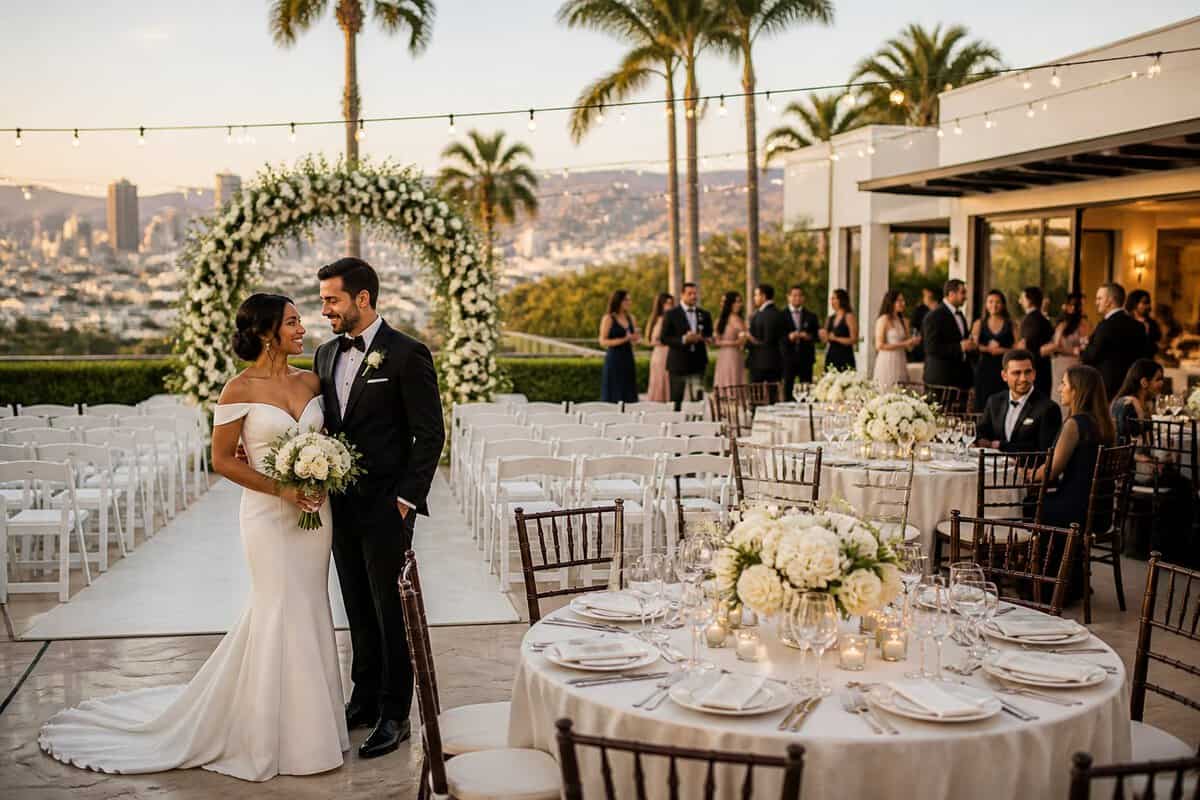
The best package gives you clear pricing, reliable coordination, and a venue style that suits your guest list and wedding plans. Before you book, compare what each venue includes, which services cost extra, and how the location works for your ceremony and reception.
You can start by reviewing your guest count, preferred date, and budget, then schedule tours with the all-inclusive wedding venues in Los Angeles that fit those needs.
What Does All-Inclusive Actually Include?
An all-inclusive wedding venue combines the space with several core services, such as venue rental, in-house catering, bar service, staffing, and event coordination. The exact package can differ widely, so you need a written list of inclusions before comparing prices.

Core Services Typically Covered
Many wedding packages include the ceremony and reception spaces, tables, chairs, linens, setup, cleanup, and service staff. In-house catering may cover appetizers, dinner, dessert, and coffee or tea.
Bar service can include beer, wine, cocktails, bartenders, glassware, and ice. Event coordination ranges from basic scheduling support to full day-of management.
Ask whether your package includes a dedicated coordinator, vendor communication, rehearsal guidance, and timeline management. A bridal suite may also be included for getting ready, storing personal items, and taking private breaks during the event.
What Is Often an Upgrade or Add-On?
Floral design, specialty lighting, upgraded linens, lounge furniture, a larger bar selection, and late-night food frequently cost extra. You might also pay separately for a DJ, band, photographer, videographer, cake, valet parking, security, ceremony fees, or additional event hours.
Some venues include basic LED lighting or sound equipment while charging for custom designs. Ask for a complete estimate that shows service charges, taxes, deposits, rentals, and required vendors.
How Flexible Are Wedding Packages?
Package flexibility depends on the venue’s staffing model, kitchen, vendor rules, and contract terms. Some properties let you select menu items, adjust bar hours, remove unused services, or add cultural food options.
Others offer set packages with limited substitutions. Ask whether the venue permits outside vendors and whether a buyout fee applies.
Confirm deadlines for guest counts, menu choices, floor plans, and final payments before signing.
Which Venue Style Fits Your Wedding Vision?
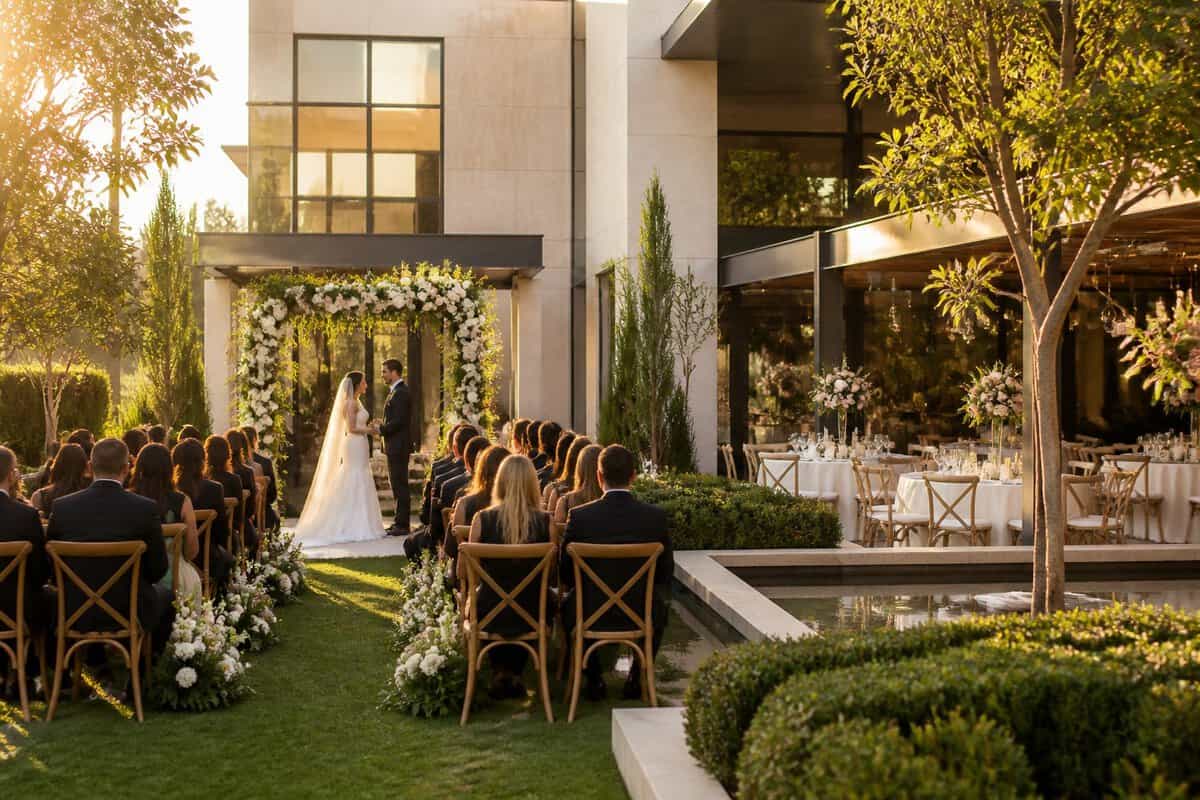
Your venue style should support the atmosphere you want, the size of your guest list, and the flow between the ceremony, cocktail hour, and wedding reception. Los Angeles wedding venues range from formal ballrooms to garden estates and modern city spaces.
Grand Ballrooms for Large Celebrations
Ballrooms suit formal weddings with large guest lists and structured service. High ceilings, crystal chandeliers, built-in stages, and LED lighting create a polished setting for dinner and dancing.
Ask how many guests fit with your chosen floor plan. A room listed for 300 guests may hold fewer people once you add a dance floor, band stage, sweetheart table, buffet, photo booth, or lounge area.
Downtown ballrooms and hotel event spaces may also provide guest rooms, elevators, dressing areas, and weather-safe indoor layouts.
Historic and Design-Forward City Spaces
Historic properties give you architectural character through restored details, grand staircases, tiled floors, courtyards, or landmark interiors. Design-forward spaces may offer industrial features, modern lighting, rooftop views, or flexible layouts for a custom look.
These venues can have strict rules for décor, loading, music, candles, and event hours. Ask about preservation requirements, elevator access, vendor insurance, and the time available for setup and cleanup.
Hotels, Gardens, and Waterfront Settings
Hotels work well when many guests need lodging, transportation, or a convenient breakfast and brunch option. Gardens provide natural scenery and work well for outdoor ceremonies, while waterfront venues create a strong setting for portraits and sunset celebrations.
Outdoor venues need a detailed weather plan. Confirm whether the backup space holds your full guest count, whether heaters or tents cost extra, and how noise rules affect your reception schedule.
For more inspiration, explore these wedding venue ideas before your tours.
How to Compare Packages and Total Costs
Compare the full event cost, not only the advertised venue rental. Service charges, taxes, food and beverage minimums, required vendors, overtime, and guest-count changes can shift the final price by thousands of dollars.

Build an Apples-to-Apples Package Comparison
Create one worksheet for every venue and use the same categories:
- Venue rental and event hours
- Ceremony fee
- Catering price per guest
- Bar package and service length
- Tables, chairs, linens, and dishware
- Coordination and staffing
- Setup, cleanup, and security
- Lighting, sound, and dance floor
- Parking, valet, and transportation
- Taxes, service charges, deposits, and payment dates
Record the estimated total for your expected guest count. Include a second estimate for a higher guest count so you can see how food, drinks, rentals, and staffing change.
Fees That Can Change the Final Price
Common hidden fees include service charges, sales tax, corkage, cake-cutting fees, ceremony charges, outside-vendor buyouts, overtime, coat check, valet, security, and damage deposits. A venue rental may cover the room while leaving catering, rentals, and staffing outside the base price.
Ask whether the quote includes gratuity and whether the service charge applies to food, drinks, rentals, or the full invoice. Request a sample final invoice with every required fee listed.
Minimums, Guest Counts, and Payment Terms
Food and beverage minimums require you to spend a set amount, even if your guest count falls below the estimate. Ask whether the minimum applies before or after taxes and service charges, and learn whether upgrades count toward it.
Review the deposit schedule, cancellation terms, postponement policy, refund rules, and final guest-count deadline. A lower weekday rate or off-season date can reduce the total, while a popular Saturday may bring higher minimums and stricter terms.
Use a wedding budget guide to assign funds before you compare quotes.
What to Ask During a Venue Tour
A venue tour should answer four practical questions: what you receive, who runs the event, how the space handles your timeline, and which choices create extra charges. Bring your guest estimate, ceremony plan, vendor list, and preferred date.

Questions About Food, Drinks, and Service
Ask whether the in-house catering team prepares food on-site, which menu formats are available, and how the kitchen handles allergies, religious requirements, and children’s meals. Request a tasting schedule and ask whether tasting fees apply.
For bar service, confirm the brands, cocktail options, service hours, last call, bartenders, glassware, and nonalcoholic drinks. Ask whether you can bring wine or spirits and whether corkage or outside alcohol fees apply.
Also ask about staffing levels, server-to-guest ratios, cake cutting, coffee service, and vendor meals. These details affect both guest comfort and the final invoice.
Questions About Setup, Timing, and Coordination
Ask when vendors can enter, how long setup and cleanup take, and whether your booking includes a rehearsal. Confirm who manages the timeline, cues the ceremony, coordinates vendors, and handles problems during the reception.
Ask whether the coordinator remains on-site for the full event and whether a backup contact is assigned. Check the location of loading areas, elevators, restrooms, dressing rooms, power outlets, and storage space.
Confirm when the bridal suite opens and when you must clear it.
Questions About Personalization and Outside Vendors
Ask which décor changes the venue allows, including candles, hanging installations, signage, cultural elements, and specialty rentals. Confirm restrictions for music volume, photography locations, confetti, open flames, and amplified ceremonies.
Ask whether you may hire your own planner, caterer, DJ, florist, baker, or rental company. If outside vendors are allowed, request the insurance rules, approved-vendor requirements, delivery windows, and buyout fees.
A wedding venue tour checklist can help you keep these questions organized.
How to Choose the Right Los Angeles Location and Capacity
The right Los Angeles location gives your guests a manageable trip and gives your wedding team enough room to execute the floor plan. Evaluate the ceremony, cocktail hour, dinner, dancing, parking, lodging, and transportation as one connected experience.
Match the Layout to Your Ceremony and Reception
Choose a venue that supports your preferred event flow. An indoor ceremony space with a nearby cocktail area can make a room flip easier, while a garden ceremony may need a separate plan for guest movement and weather.
Ask to see a floor plan at your expected guest count. Mark the ceremony chairs, aisle, bar, buffet or meal-service route, dance floor, DJ or band, cake table, gift table, lounge, and photo areas.
Check that guests can move between spaces without crossing staff pathways or tight service points. If you are hosting engagement parties or other wedding events at the property, ask whether the venue offers related spaces and package rates.
Consider Guest Travel, Parking, and Nearby Hotels
Los Angeles traffic makes travel time a key part of the guest experience. Compare the venue with your ceremony site, airport access, major highways, rideshare pickup areas, and nearby hotels.
Ask how many parking spaces are available, whether valet service is required, and where buses can load and unload. Guests may also appreciate nearby restaurants, late-night transportation, and accessible entrances.
A location near lodging can simplify the weekend for out-of-town guests and reduce delays before the reception.
Confirm Capacity for Your Actual Floor Plan
A venue’s maximum capacity does not equal the number of guests you can seat comfortably. Request capacity figures for banquet seating, ceremony seating, dancing, buffet service, and a band setup.
Confirm whether the listed capacity includes staff areas, bars, stages, lounge furniture, or buffet lines. Ask about accessibility routes, restroom counts, emergency exits, and weather backup space.
Choose the capacity that fits your complete layout, then keep your guest list within that limit before you sign the wedding venue contract.