
How to Figure Out Your Wedding Budget: Simple Steps for a Stress-Free Planning Experience
Planning a wedding can feel overwhelming, especially when it comes to figuring out your budget. Start by setting a realistic budget based on your financial situation and the average wedding cost in your area.
Knowing what you can spend will help you make smart choices throughout the planning process.
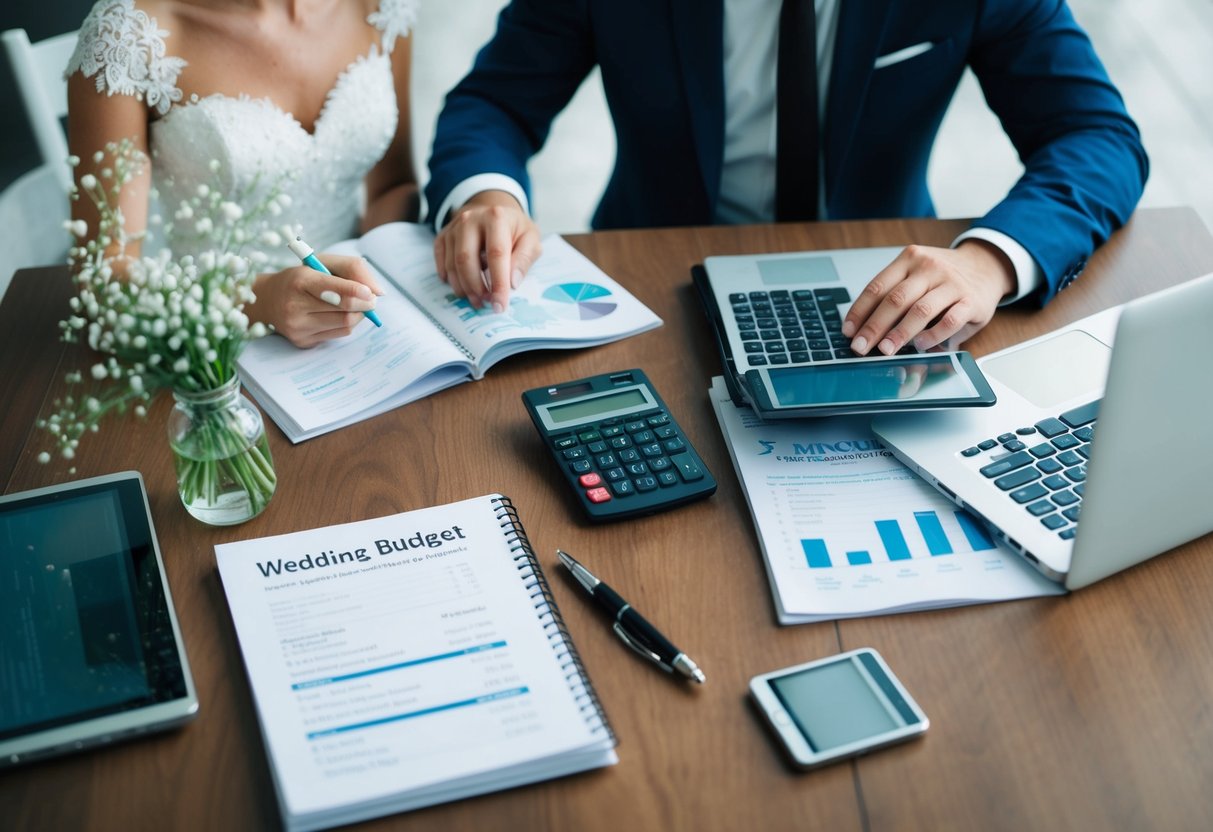
Make a list of everything you want for your wedding, from the venue to the flowers. Prioritize your must-haves and determine how much you are willing to spend on each item. This will make it easier to see where you can save money or where you might want to splurge a little.
Remember, your wedding budget is a guideline to help you stay organized and focused. You don’t want financial stress to overshadow your big day. With the right planning and a clear budget, you can create a memorable celebration that fits your style and your finances.
Establishing Your Wedding Budget
Creating your wedding budget is a crucial step in your planning process. It helps you understand what you can afford and where to allocate your funds. Let’s break down how to assess your finances, learn about budget percentages, and use helpful tools for budgeting.
Assess Your Finances
Start by taking a close look at your financial situation. Gather information on your income, savings, and any potential contributions from family. This gives you a clear picture of how much money you can dedicate to your wedding.
Make a list of all your financial sources. Consider factors like your savings, monthly earnings, and any monetary gifts. Once you know your total available funds, you can set realistic spending limits.
Remember to keep future expenses in mind. Set aside savings for post-wedding life, so you don’t stretch your budget too thin.
Understand Wedding Budget Percentages
Knowing how to distribute your budget is important. Different parts of your wedding can require more or less funding. A common way to break this down is by using wedding budget percentages.
Here’s a simple guideline to get you started:
- Venue and Catering (40-50%): This usually takes the largest chunk of your budget.
- Photography and Videography (10-15%): Immortalizing your big day is key.
- Attire (10%): This includes your wedding dress and groom’s attire.
- Entertainment (10%): Your DJ or band will keep the party going.
- Flowers and Decor (10%): Set the mood for your celebration.
This breakdown can be adjusted based on your priorities and average wedding costs in your area.
Utilizing Wedding Budget Tools and Calculators
Using wedding budget tools can simplify the budgeting process significantly. A wedding budget checklist can help you stay organized and ensure you don’t miss any important expenses.
Consider trying a wedding budget calculator. These tools let you input your total budget and show you how to divide it among various categories. You can find many free templates online, like Google Sheets and Excel formats, that cover common wedding costs.
Additionally, a wedding budget planner can keep track of your spending as you book services. This helps you make adjustments in real time to stay within your budget.
Allocating Funds to Key Wedding Elements

Creating your wedding budget is all about prioritizing where your money goes. By focusing on essential elements, you can better manage your finances and ensure that your day is unforgettable without overspending. Here’s how to allocate your funds to key wedding components.
Venue and Catering Details
The wedding venue and catering are often the largest expenses. You should aim to allocate around 40% of your total budget for these two items.
Start by selecting a venue that fits your style and guest list size. For catering, consider your food and beverage choices. Buffet-style meals can reduce costs compared to plated dinners. Also, factor in whether you’ll serve alcohol, as this can significantly impact your budget.
Don’t forget about the venue’s rental fees, service charges, and any extra costs for tables, chairs, or linens.
Photography and Videography Essentials
Capturing your big day is crucial, so set aside 10-15% of your budget for photography and videography.
Research local photographers and videographers, focusing on their portfolios to find a style that resonates with you.
Ask about their packages, as many offer various options. Consider getting a second shooter, especially if you have a large guest list. This ensures that all special moments are captured. Finally, confirm what rights you will have to the images and videos, which can affect your decision-making.
Attire and Rings Selections
Your wedding attire and rings are more than just clothing; they represent your personality and commitment. Budget for about 10% of your total funds for wedding attire, including your dress or suit, shoes, alterations, and accessories.
For wedding rings, set aside approximately 5%.
Start shopping early and explore different jewelry stores. Don’t hesitate to consider vintage rings or custom designs, which can sometimes be more affordable. Remember to factor in the cost of your bridal party’s attire, if you’re covering that expense.
Entertainment and Music Considerations
Choose your entertainment wisely, as it sets the mood for your celebration. Allocate around 8-10% of your budget for entertainment and music. This includes hiring a DJ or a live band.
When selecting music, consult with your entertainment professional about their repertoire and any additional fees for equipment rental. Also, consider any sound systems or lighting that might enhance the atmosphere. To save money, think about having a friend or family member create a playlist for the reception.
Décor, Flowers, and Cake
Your wedding’s décor, flowers, and cake add beauty and charm to your day. Aim for 10-15% of your budget for these items.
Start with the essentials like centerpieces, arches, and other decorative elements. For flowers, consider seasonal options, as they tend to be less expensive. Think about DIY projects for décor, like creating your centerpieces or bouquets with the help of friends.
When it comes to the wedding cake, seek quotes from several bakers. Don’t forget to discuss any additional flavors or designs you may want, as these can affect costs.
Managing Additional Wedding Expenses
When planning your wedding budget, it’s essential to consider extra expenses that can sneak up on you. These costs include invitations and stationery, transportation, and thoughtful gifts or favors for your guests. Being aware of these will help you manage your budget better.
Invitations and Stationery
Wedding invitations are one of the first things your guests will see, and they set the tone for your event. The cost of invitations can vary widely based on design and printing methods.
Here’s how to keep costs in check:
- Choose Simple Designs: Digital invites can save money without losing charm.
- Order in Bulk: This often reduces the individual cost.
- Consider DIY: If you’re crafty, creating your own invitations can be a fun project.
Don’t forget about other stationery items like save-the-dates, RSVP cards, and programs. All these costs can add up, so budgeting about 2-5% of your total budget for stationery can be a good guideline.
Transportation and Accommodations
Getting your guests to and from your venue can be a hidden expense. When looking at transportation, think about these key points:
- Wedding Party Rides: Limousines or shuttles for your bridesmaids and groomsmen can be a big expense. Consider carpooling or renting a more affordable vehicle.
- Guest Transportation: If your ceremony and reception locations are far apart, provide shuttles or rides to your guests.
Accommodations are also crucial. If many guests are coming from out of town, consider reserving a block of hotel rooms. This often comes with discounts and makes it easier for your guests.
Favors, Gifts, and Extra Touches
Wedding favors are a lovely way to thank your guests. However, they can also add to your overall expenses. To manage this cost, try these tips:
- Keep it Simple: Small items like personalized candies or thank-you notes can be both meaningful and budget-friendly.
- Consider Edible Favors: These are usually popular and won’t go to waste.
Gifts for your wedding party are another area where costs can grow. Instead of pricey items, consider handmade gifts or experiences as thoughtful alternatives. Personal touches often mean more than an extravagant item.
Lastly, think about extra touches like photo booths or special decor. While they can enhance the experience, make sure they fit within your budget to avoid overspending.
Preparing for the Unexpected

Planning a wedding can come with surprises. It’s crucial to be ready for unexpected costs and adjust your spending plan as needed. Here are some key aspects to consider.
Emergency Fund Planning
Creating an emergency fund is one of the best steps you can take for your wedding. Aim to save at least 10-15% of your total wedding budget for unexpected expenses.
This fund will act as a safety net if anything goes off track.
Consider what elements might require extra funds. For instance, weather-related issues for an outdoor ceremony might require last-minute tent rentals or other arrangements.
Having this fund gives you peace of mind and keeps stress levels lower.
You can work with a wedding planner to determine a good amount to set aside. They often have insights based on previous experiences with real weddings. This planning lets you handle surprises without disrupting your entire budget.
Hidden Costs and Last-Minute Expenses
Many couples overlook certain hidden costs while planning their weddings. Common expenses include catering gratuities, cake cutting fees, or rentals for items like tables and chairs. These can add up quickly and might not be part of your initial spending plan.
Last-minute changes can also lead to additional costs. Maybe you decide you want a larger venue or need extra flowers. Always account for these possibilities when budgeting.
You might also want to consider a checklist to track all potential expenses. Keeping a detailed list can help you avoid surprises as you get closer to your wedding date.
Adjusting the Budget Mid-Planning
When adjusting your budget during the planning process, remember that flexibility is key. As you get quotes from vendors, you might find some areas are more expensive than expected. This information allows you to reallocate funds as needed.
Identify which parts of your budget can shift. For example, if your photography budget stretches, you might opt for a less expensive venue or decor. Don’t be afraid to negotiate with vendors; that can help as well.
Consulting with your wedding planner can help in making these adjustments smoothly. Their experience can guide you in deciding which changes will impact your wedding day the least. Keeping an open line of communication with them will ease any tension regarding budget changes.