
All-Inclusive Wedding Venues Packages: What to Expect
All-inclusive wedding venues packages bring the ceremony, reception, food, rentals, and planning support into one coordinated agreement. They suit couples who want fewer vendor contracts and clearer budgeting, especially when the package lists each service, guest limit, fee, and upgrade in writing.
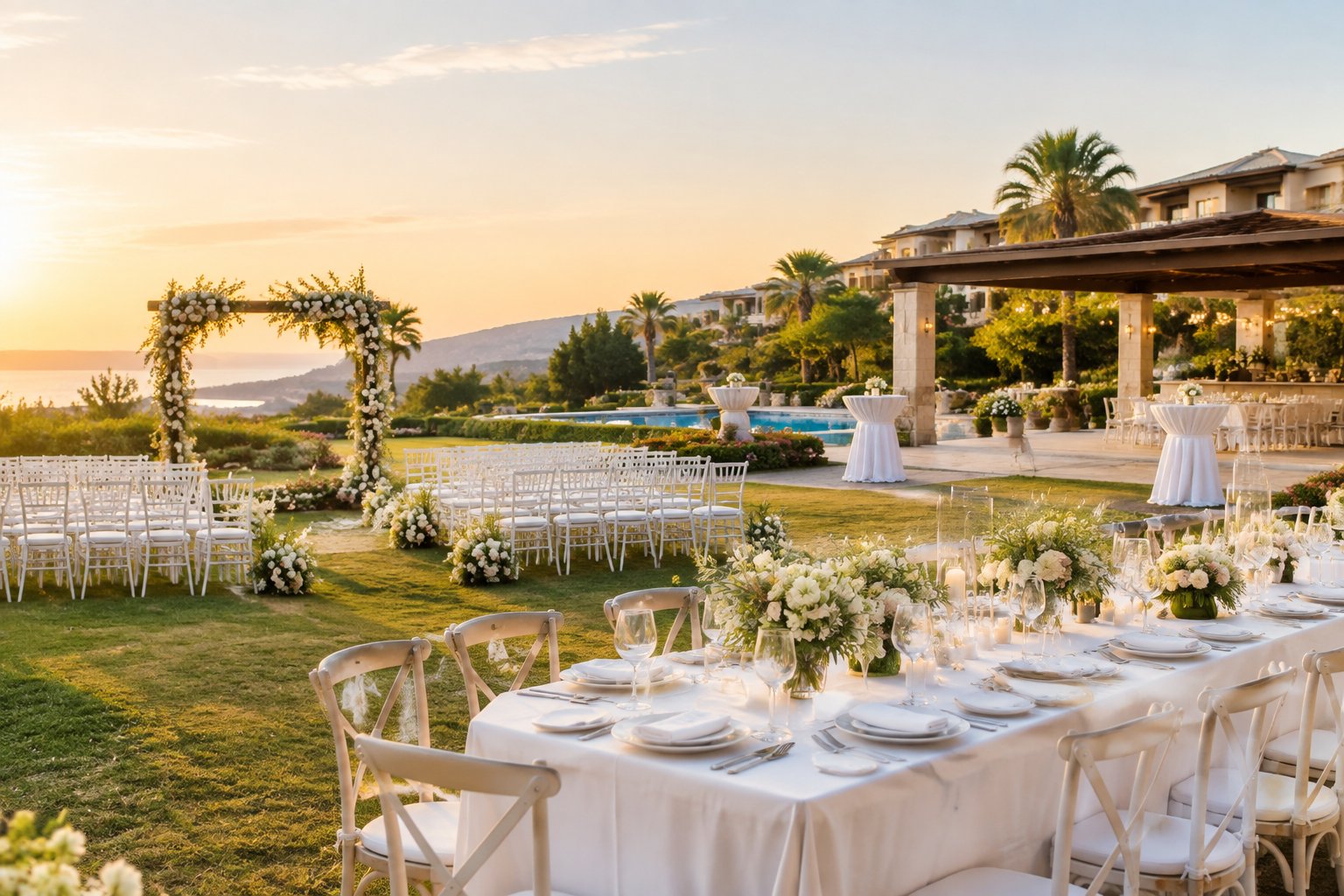
The term covers a wide range of experiences. A local banquet hall might include catering, linens, bar service, and cleanup, while a resort package might add lodging, guest activities, and a wedding coordinator.
Your style, guest count, location, and preferred level of control should guide the choice. Start by comparing written proposals from venues that match your celebration.
For more ideas, explore these all inclusive wedding venues and request a detailed quote before you place a deposit.
What Does “All-Inclusive” Actually Mean?
All-inclusive wedding venue packages combine several core wedding services under one agreement, with exact inclusions set by the venue’s contract. You still need to review quantities, service times, guest limits, vendor rules, taxes, and fees.
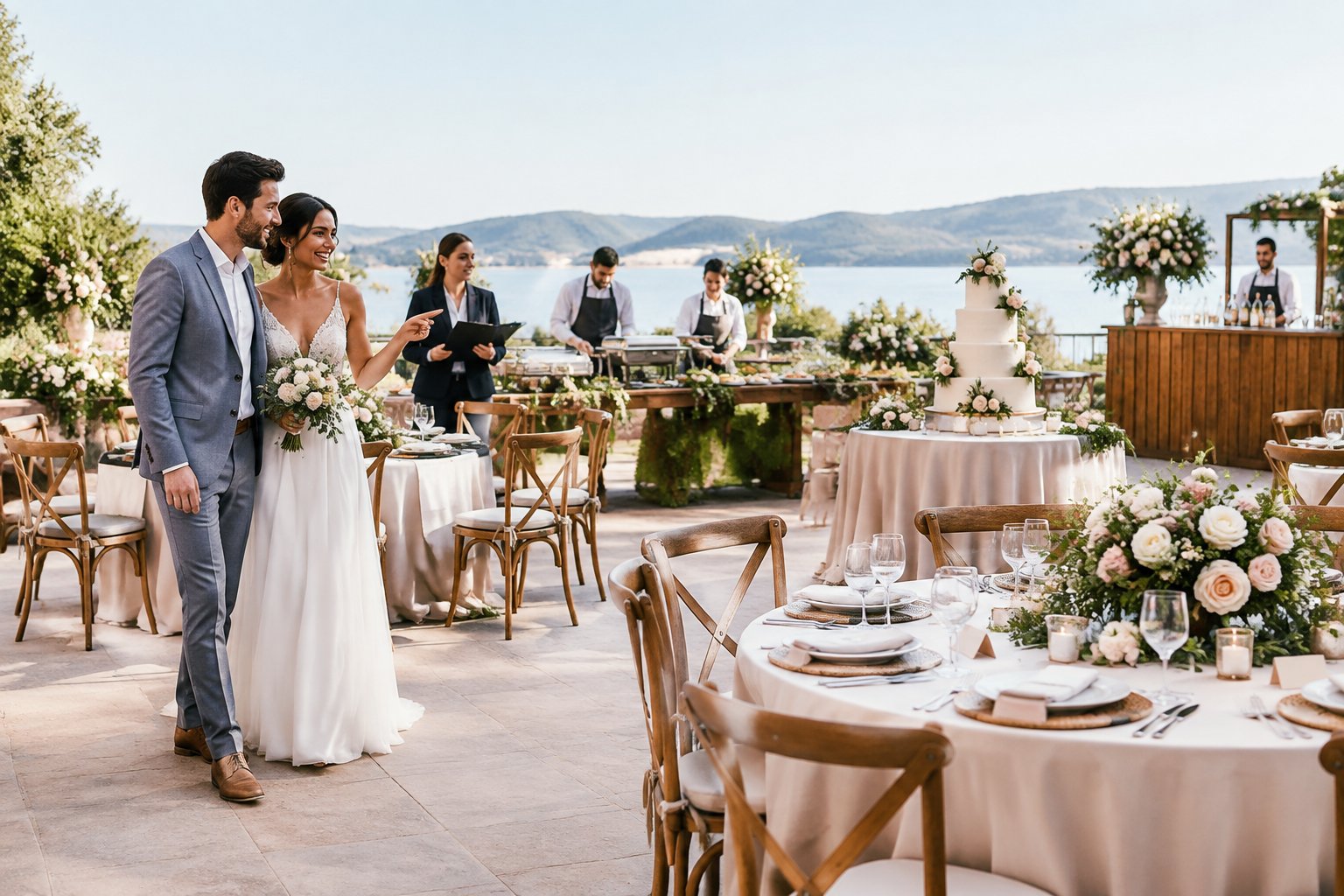
The Difference Between Venue Packages and Resort Stays
A wedding venue package covers your celebration. It might include the event space, ceremony setup, catering, bar service, linens, tableware, staffing, and cleanup.
A resort stay covers your guests’ lodging, meals, drinks, and resort amenities during their visit. The wedding package sits alongside that stay and may require a room block or a minimum number of room nights.
Guest accommodations do not automatically include your private reception dinner, upgraded décor, photography, or entertainment.
What Is Usually Included in a Bundle
Common inclusions include:
- Ceremony and reception space
- Tables, chairs, linens, and tableware
- Buffet or plated catering
- Beer, wine, house liquor, or a limited open bar
- Cocktail hour
- Basic centerpieces or décor
- Wedding cake
- Bouquet and boutonniere
- Sound equipment or a DJ
- Setup and cleanup
- Venue coordination
- Access to a preferred vendor list
Ask for quantities and service times. “Open bar” might mean beer, wine, and house spirits, while premium drinks, top-shelf liquor, and signature cocktails cost more.
What Is Commonly an Add-On
Add-ons often include professional photography, videography, custom florals, specialty lighting, lounge furniture, transportation, additional reception hours, and a private cocktail hour.
You might also pay extra for outside wedding vendors, a custom menu, late-night food, a larger cake, rehearsal dinner events, vendor meals, or a ceremony site fee. Request every approved change in the proposal and contract.
How Much Do Wedding Packages Cost?
Wedding packages commonly range from about $5,000 to $25,000 for many U.S. celebrations, with luxury properties, large guest lists, and destination events reaching higher totals. Your wedding budget should account for the package, guest costs, taxes, service charges, gratuities, and upgrades.
Flat-Rate vs. Per-Person Pricing
A flat-rate package charges one amount for a defined date, guest range, event length, or service level. Per-person pricing multiplies a set rate by the number of guests and often includes food, drinks, rentals, staffing, and reception access.
Ask whether the quoted price includes:
- Ceremony fees
- Taxes and gratuity
- Service or administrative charges
- Cake cutting
- Bartenders and glassware
- Setup and cleanup
- Overtime
- Vendor meals
A lower site fee can grow after catering, rentals, bar service, staffing, and coordination are added. Compare complete proposals with the same guest count.
How Guest Count Changes the Final Total
Guest count affects meals, drinks, chairs, tables, linens, staffing, cake portions, and restroom needs. A venue might also set a food and beverage minimum or require a minimum number of guests.
Request proposals for your expected attendance and a realistic higher count. Ask about added guests, children, vendors, staff meals, late RSVPs, and room-block requirements.
At some hotels and resorts, a small guest list still carries a minimum spend.
Costs to Confirm Before You Sign
Review the full contract for taxes, gratuities, administrative fees, corkage, overtime, damage deposits, cleanup charges, parking, transportation, and outside-vendor fees. Destination properties might add resort fees, local permits, vendor day passes, and travel expenses.
Check the cancellation schedule, payment dates, weather plan, refund terms, and rain-location policy. A current fee sheet should accompany your proposal.
Choose the Right Type of Venue for Your Celebration
The right venue type matches your guest experience, travel plans, privacy needs, and desired planning support. Local full-service venues focus on convenience, while hotels, wedding resorts, private estates, and destination resorts add different lodging and event features.

Local Full-Service Venues and Banquet Halls
Local all-inclusive venues and banquet halls work well when most guests live nearby. You can host the ceremony and reception in one place, arrange menu tastings, and avoid flights or room blocks.
Confirm the event space, parking, accessibility, catering options, bar hours, décor inventory, and cleanup responsibilities. Restaurants can suit smaller celebrations when you value a strong food program and a relaxed atmosphere.
Hotels and Wedding Resorts
Hotels provide guest rooms, ballrooms, catering, meeting areas, and staff in one property. Wedding resorts add pools, restaurants, activities, beaches, and guest services.
Ask how private your ceremony and reception will be, how room blocks work, and where guests eat between events. Review noise rules, weather plans, transportation, and restaurant access before booking.
Destination Resort Celebrations
Destination weddings combine a wedding celebration with a shared trip. All-inclusive resorts might bundle ceremony setup, coordination, food, drinks, and selected guest benefits into destination wedding packages.
Travel adds planning tasks for passports, flights, room bookings, legal documents, accessibility, and guest communication. A symbolic ceremony often has fewer legal steps, while a legal ceremony can require local paperwork, translations, and added fees.
Private Estates for a Wedding Weekend
A private estate gives you more privacy and a longer setting for a wedding weekend. You might host a welcome gathering, rehearsal dinner, ceremony, reception, and farewell brunch in the same location.
Check the rental period, overnight capacity, noise limits, parking, restrooms, kitchen access, insurance rules, and required vendors. Ask who handles setup, security, trash removal, and next-day cleanup.
Who Handles the Details?
A venue coordinator manages the property and event day, while a wedding planner supports broader wedding planning across vendors, design, guest logistics, and the timeline.
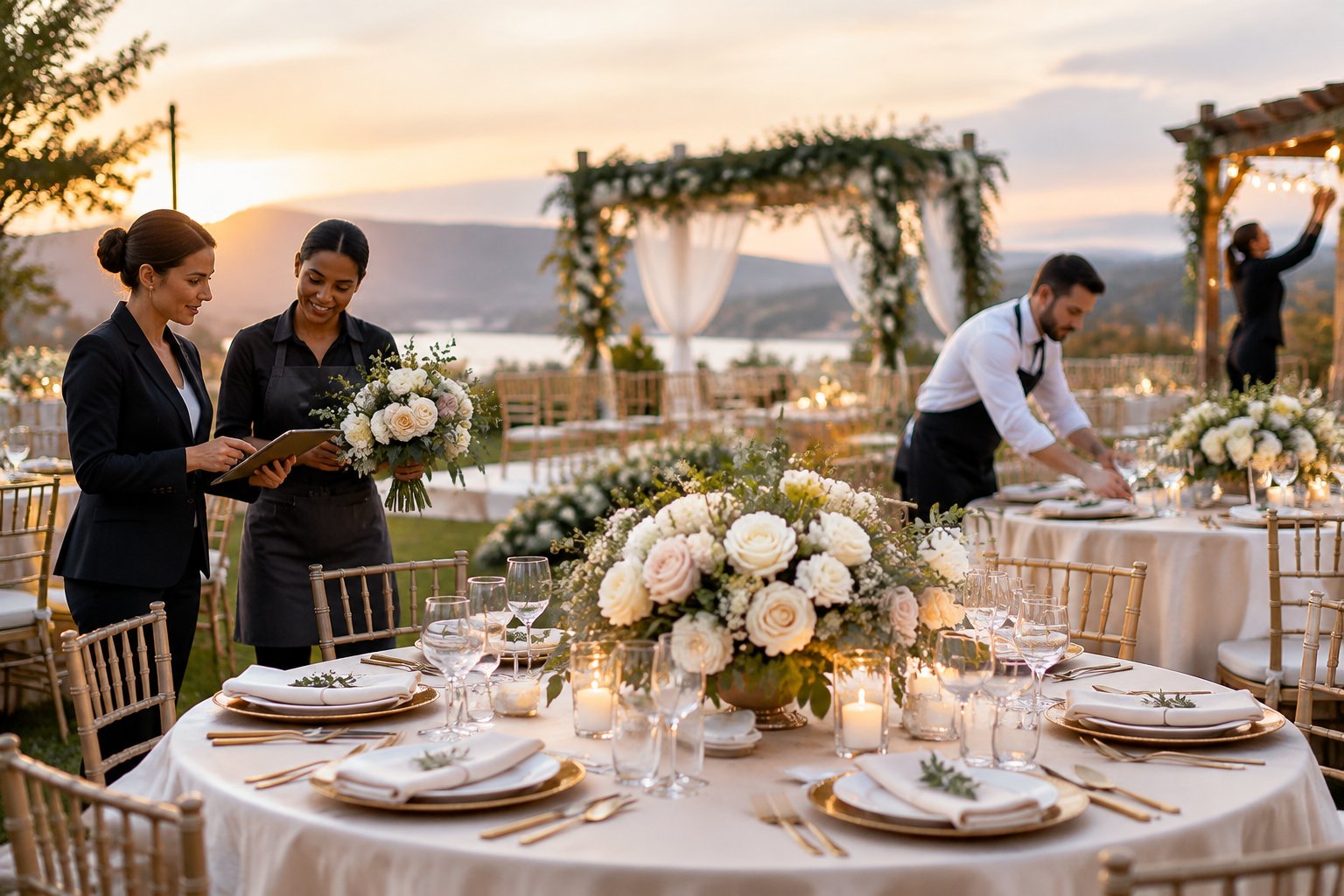
Wedding Planner vs. Venue Coordinator
A wedding planner helps you build the full celebration. Their work can include budget guidance, design decisions, vendor communication, guest logistics, rehearsal planning, and timeline creation.
A venue coordinator protects the venue’s schedule and operations. They coordinate room setup, catering, venue staff, property rules, and the handoff between event services.
Some venues use one person for both roles, while others provide event-day coordination only. Ask who creates the timeline, manages the rehearsal, contacts outside vendors, handles guest issues, and stays through the reception.
What an On-Site Wedding Coordinator Does
An on-site wedding coordinator may oversee ceremony setup, reception layouts, food service, bar timing, vendor arrival, room changes, sound checks, and cleanup. They also explain weather procedures and venue policies.
Confirm their availability before signing. Ask when planning meetings begin, how often you communicate, who covers absences, and whether the coordinator remains present from setup through the final guest departure.
When to Hire Outside Vendors
Outside vendors make sense when you have a trusted photographer, florist, cultural caterer, band, or stylist who fits your vision. Review the preferred vendor list first, since some properties require approved professionals.
Ask about outside-vendor fees, insurance, delivery access, setup time, meals, equipment, and restrictions on alcohol or catering. Get permission in writing before booking anyone beyond the venue’s list.
Build a Package That Feels Personal
You can keep the convenience of a bundled package while personalizing the ceremony, menu, décor, guest events, and entertainment. Prioritize upgrades that shape the guest experience and reflect your relationship.
Ceremony Florals, Attire Details, and Décor
Start with the wedding ceremony location and decide whether you want a legal or symbolic ceremony. Then review the ceremony arch, aisle décor, bouquet, bridal bouquet, boutonniere, and groom’s boutonniere.
Basic packages might offer one floral style and standard linens. Custom upgrades can include floral centerpieces, colored linens, candles, draping, signage, lounge furniture, specialty chairs, and lighting.
Ask how many arrangements you receive, where they will be placed, and whether ceremony flowers can move to the reception.
Food, Drinks, and the Reception Experience
Food and beverage choices shape the flow of your reception. Compare plated meals, buffets, stations, passed hors d’oeuvres, dessert service, and dietary accommodations by portion, service time, staffing, and rental needs.
Review bar hours and liquor tiers carefully. Confirm whether you receive a welcome drink, sparkling wine toast, champagne toast, open bar, premium drinks, or top-shelf liquor.
A private cocktail hour and private dinner reception can create a more personal guest experience when the base package uses shared spaces. A custom wedding cake, signature cocktail, late-night snack, or cultural dish can add personality without changing the entire package.
Pre-Wedding Events and Couple Experiences
Ask whether your package includes or discounts a rehearsal dinner, welcome gathering, farewell brunch, or private dinner. These events help guests connect before the ceremony and give you more time with family.
Resort packages might also offer spa treatments, a couples massage, a bridal suite, breakfast in bed, or a room upgrade. Confirm availability, booking deadlines, room categories, and whether benefits apply to both partners.
Entertainment and High-Impact Upgrades
A package might include a DJ, sound system, basic live entertainment, or a limited music service. Upgrades can include a live band, specialty performers, a photo booth, enhanced lighting, fireworks display, or extended dance time.
Choose upgrades that solve a clear need. A sound system supports the ceremony and speeches, while a photo booth gives guests an activity during the reception.
Confirm performance hours, power needs, setup time, insurance, and overtime rates.
Compare Destination Resort Packages
Destination resort packages differ most in atmosphere, guest policy, location, room requirements, reception privacy, and upgrade structure. Compare each resort with the same guest count and event details before choosing.
| Resort option | Setting and guest fit | Notable planning point | Best match |
|---|---|---|---|
| Secrets Moxché Playa del Carmen | Adults-only Riviera Maya | Romantic resort atmosphere | Couples-only groups |
| Hyatt Ziva Cancun | Family-friendly Cancun | Easy fit for mixed-age groups | Families and children |
| Grand Palladium Costa Mujeres | Family-friendly Costa Mujeres | Larger group potential | Big wedding parties |
| Dreams Bahia Mita | Pacific Coast, family-friendly | Pacific setting and resort stay | Beach and sunset celebrations |
| Eternal Love Wedding Package | Resort package tier | Review guest cap and reception terms | Couples seeking a defined bundle |
Adults-Only Options: Secrets Moxché Playa del Carmen
Secrets Moxché offers an adults-only setting in Playa del Carmen, with resort dining, pools, beach access, and social spaces such as swim-up bars. The atmosphere fits couples who want an adults-only wedding weekend.
Review the package’s ceremony location, included guest count, reception format, floral level, photography policy, and private-event costs. Ask how room bookings affect wedding benefits and how guests access the property’s restaurants and events.
Family-Friendly Choices: Hyatt Ziva Cancun and Grand Palladium Costa Mujeres
Hyatt Ziva Cancun suits groups that include children and multiple generations. Its Cancun location can simplify access for guests who want a family-friendly resort experience alongside the wedding.
Grand Palladium Costa Mujeres also supports family groups and larger celebrations. Compare room categories, room-block rules, ceremony locations, reception privacy, guest capacity, and added-guest pricing.
Ask whether children, vendors, and outside guests count toward package limits.
Pacific Coast Settings: Dreams Bahia Mita
Dreams Bahia Mita gives you a Pacific Coast setting near Puerto Vallarta, with resort amenities and family-friendly lodging. The location can work well for a wedding weekend built around ocean views, group meals, and shared activities.
Confirm the ceremony backdrop, weather backup, sunset timing, reception location, sound rules, and transportation needs. Pacific Coast travel plans should include flight schedules and transfer details for guests arriving from different cities.
How to Evaluate the Eternal Love Wedding Package
Treat the Eternal Love Wedding Package as a starting point for comparison. Request the current contract and identify the guest limit, ceremony setup, coordinator duties, cake size, toast, cocktail hour, reception dinner, bar service, décor, photography, and room requirements.
Ask which services remain semi-private, which upgrades create a private event, and what taxes or service charges apply. Compare the package with two other all-inclusive wedding packages using the same guest count, date range, reception length, and desired upgrades.