
All-Inclusive Wedding Venues Quitman: Planning Guide
Quitman, Mississippi gives you a peaceful starting point for a wedding, while nearby towns expand your choices for scenery, guest capacity, and bundled services. When you search for all inclusive wedding venues quitman, compare the package details as closely as you compare the setting.
A venue may include the ceremony site and reception space while charging separately for food, bar service, rentals, or coordination.
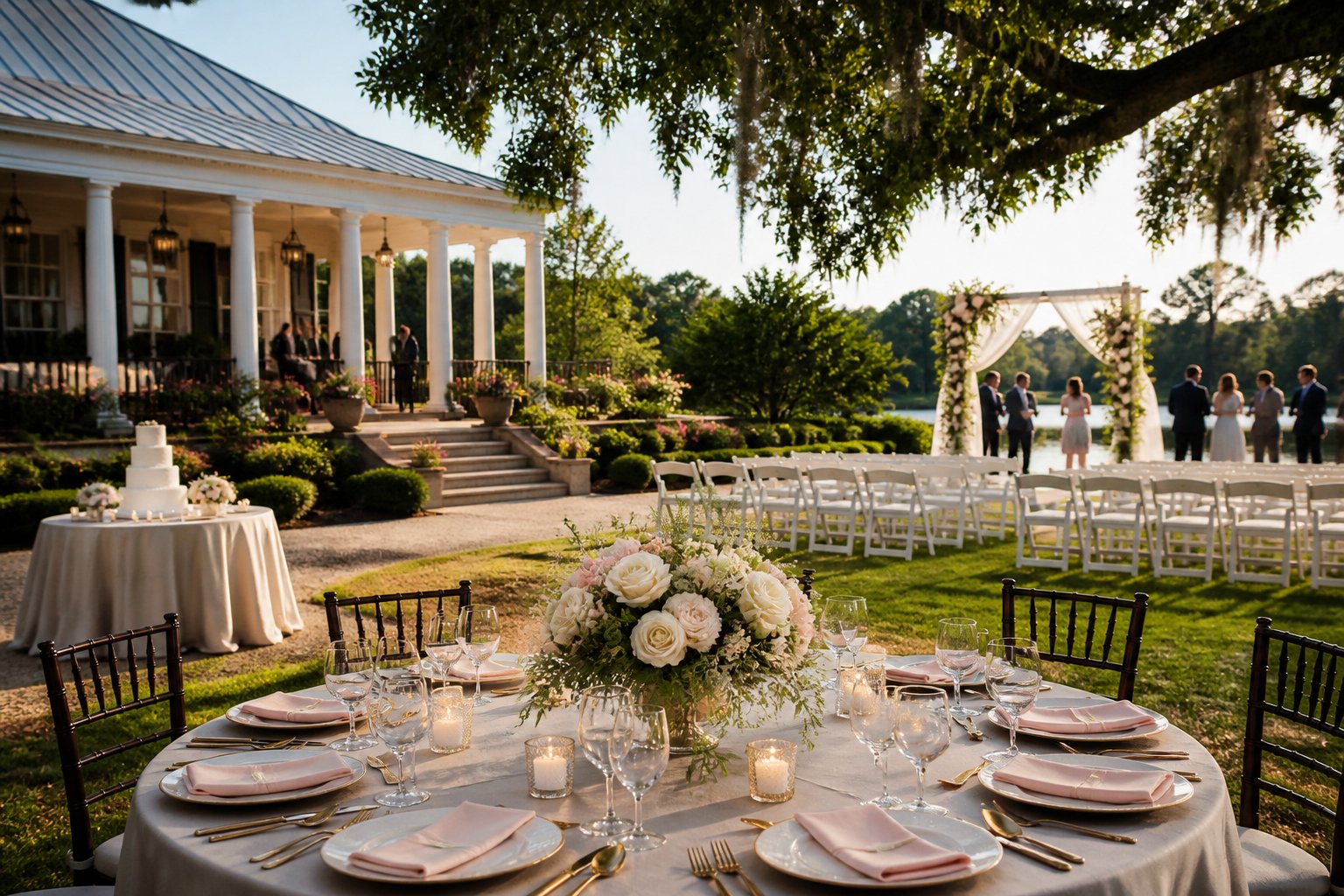
The strongest package gives you one clear contract, a realistic guest count, and a written list of every included service and added fee. That structure helps you control your wedding budget and keeps wedding planning manageable from the first tour through your wedding day.
As you contact wedding venues in Quitman, MS, ask for current pricing, available wedding dates, vendor rules, and package menus. You can also compare local options with regional Mississippi wedding venues to find a setting that matches your style and guest list.
What Does All-Inclusive Really Include?
An all-inclusive wedding package commonly combines the venue, catering services, bar services, event rentals, staff, and some level of coordination in one agreement. The exact list belongs in your contract, since each venue defines “all-inclusive” differently.
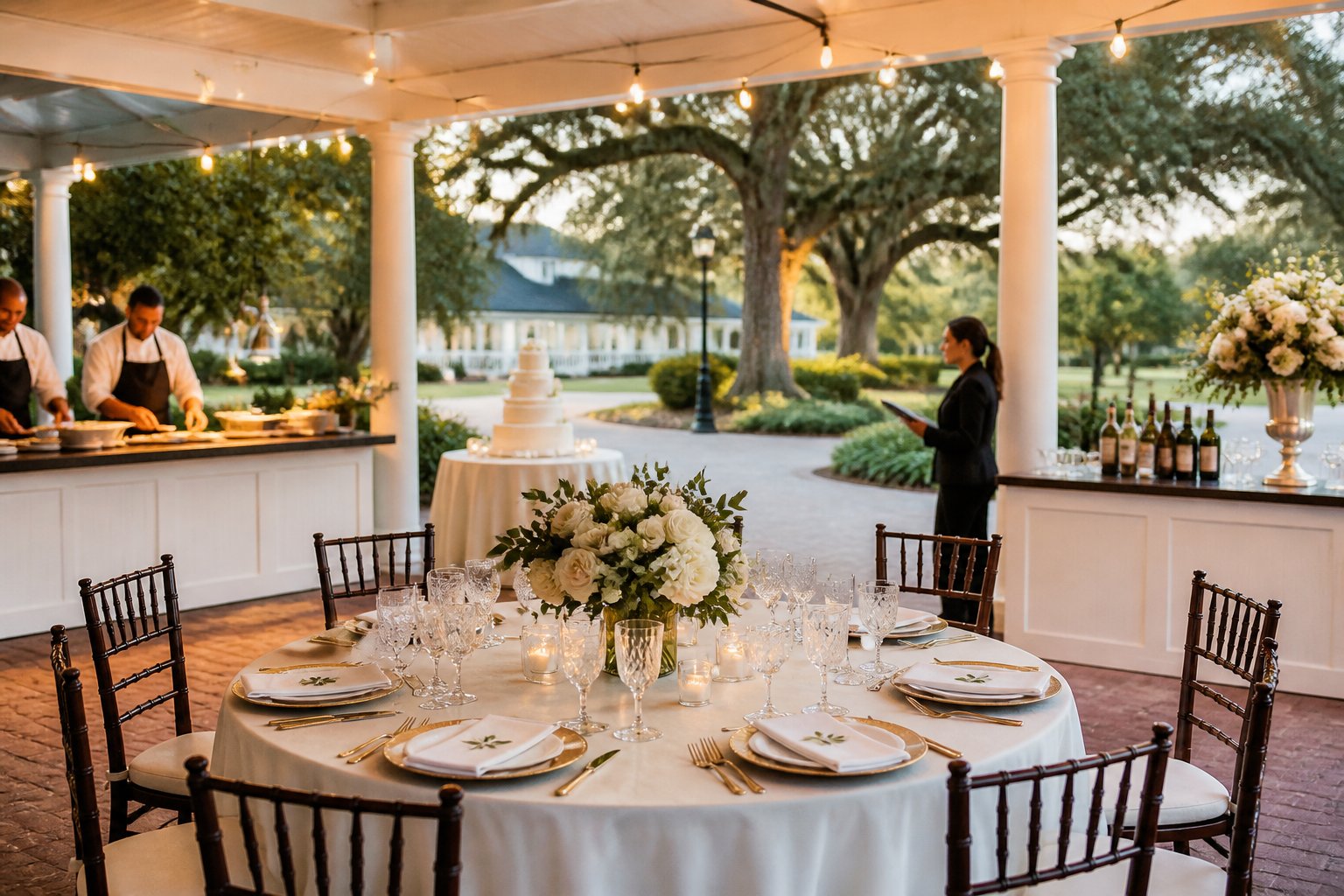
Review the package line by line for service limits, guest minimums, vendor policies, overtime rates, and cleanup duties. You can use this checklist alongside broader wedding venues tips when you compare proposals.
All-Inclusive vs. Select Services vs. Raw Space
An all-inclusive package bundles several major wedding needs. Your price might cover:
- Ceremony and reception spaces
- Tables, chairs, linens, and basic event rentals
- Catering services and bar services
- Event staff and service staff
- Setup and clean up
- An event coordinator
- Basic décor or lighting
A select-services venue provides chosen items, such as the space, tables, and chairs, while you hire outside vendors for food, drinks, music, décor, or cake. Raw space gives you the location with few built-in services, so you manage rentals, catering, staffing, insurance, and cleanup separately.
What an Event Coordinator Does, and Does Not Do
An event coordinator manages venue logistics. You can expect help with the floor plan, vendor arrival times, setup rules, ceremony timing, and venue staff.
The coordinator may not serve as your personal wedding planner. Personal planning can include your full budget, invitations, attire, guest communication, transportation, and vendor selection. Ask who handles each task and how many planning meetings your package includes.
Which Services Are Commonly Optional Upgrades
Common upgrades include premium bar selections, extra service hours, upgraded linens, specialty lighting, lounge furniture, rehearsal time, additional décor, and late-night snacks. Wedding cake services may also be separate, even when catering is included.
Request the price for each upgrade before signing. Ask whether your package includes gratuity, taxes, cake cutting, corkage, security, generator use, and final cleanup.
Where to Look Beyond Quitman
Nearby markets such as Hattiesburg, Petal, Stringer, and Jackson give you more venue styles, package levels, and lodging options than Quitman alone. Expanding your search radius helps you compare farms, gardens, barns, ranches, banquet halls, ballrooms, country clubs, hotels, and historic estates.
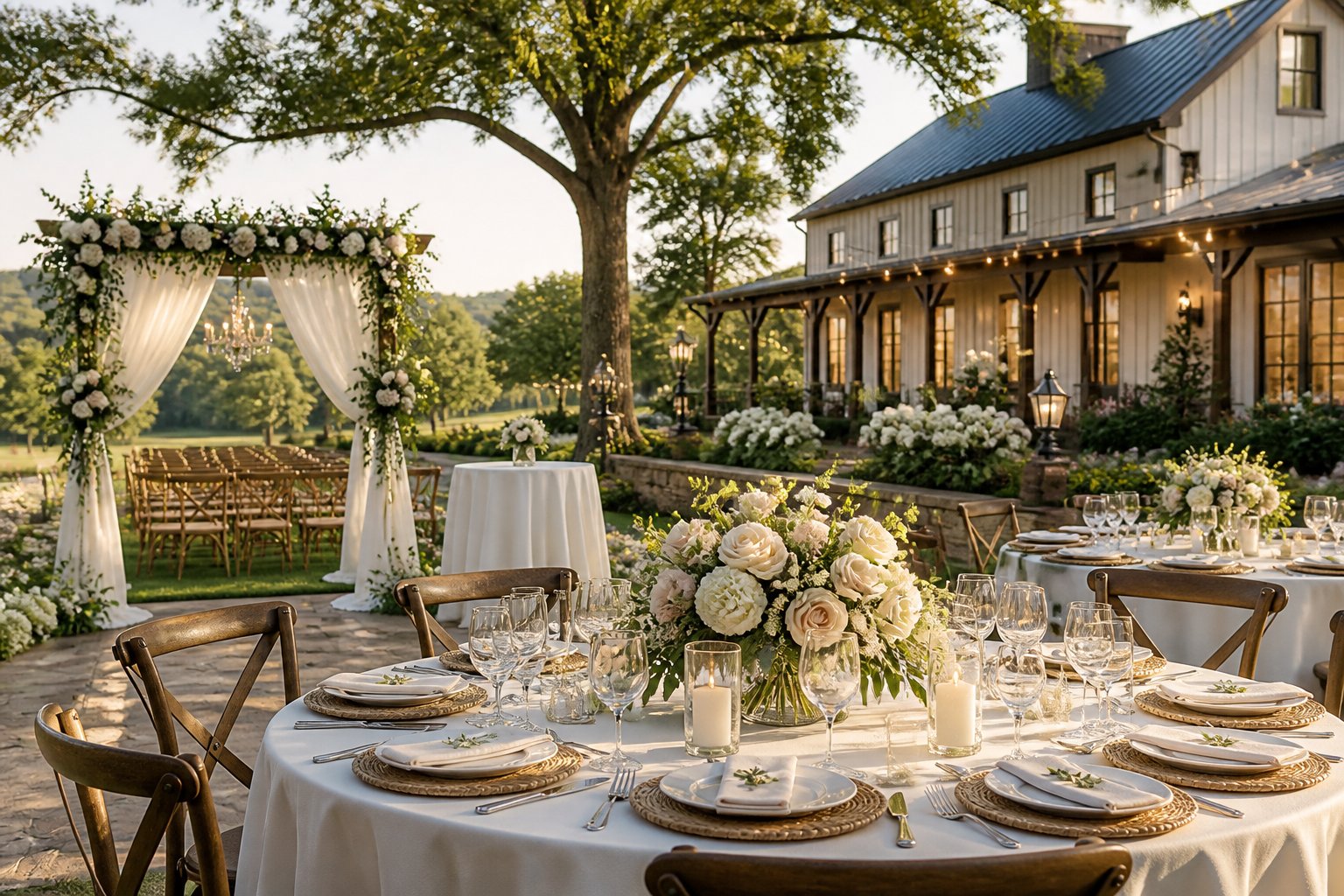
Travel distance affects guest comfort, vendor fees, rehearsal plans, and transportation. Keep a simple list of drive times, capacity, package price, lodging, and available dates as you research.
Nearby Venue Markets Worth Considering
Hattiesburg and Petal offer a practical search area for couples who want more lodging, restaurants, and vendor access. Stringer may suit a countryside celebration with farms, barns, or open grounds. Jackson gives you a broader range of hotels, ballrooms, museums, galleries, restaurants, breweries, and historic properties.
Ask each venue about travel charges for vendors who come from Quitman. A lower package price can lose its value when transportation, overnight stays, or extra setup hours enter your wedding budget.
Regional Venues to Research
Add named venues to your research list, including The White Rose at Waterloo Farms, White Rose at Waterloo Farms, Sullivan Barn, Pierce Castle, Rasberry Greene, Brookside Barn, In the Woods, Green Gates Farmhouse, and Oak Crest Mansion Inn. Confirm their current location, availability, capacity, and package structure directly with each owner.
You can also search beyond standard venues. Lodges, retreats, resorts, inns, golf and country clubs, mansions, industrial spaces, parks, vineyards, wineries, aquariums, zoos, and beaches each create different guest experiences and planning needs.
Choosing a Venue Type That Fits Your Vision
Choose a farm, garden, barn, or ranch when outdoor scenery and a relaxed setting lead your design. A banquet hall, ballroom, hotel, or country club gives you a controlled indoor layout and easier weather planning.
Historic estates, mansions, and inns add architectural character. Restaurants, breweries, museums, galleries, and industrial spaces offer a distinctive atmosphere with built-in features that can reduce décor needs. Confirm parking, restrooms, power, weather backup, and guest access before you book.
How Much Should You Budget?
Your wedding venue costs should fit your guest count, wedding date, food and drink choices, rental needs, and travel plans. A package price becomes useful only after you know which services it covers and which charges remain outside the contract.
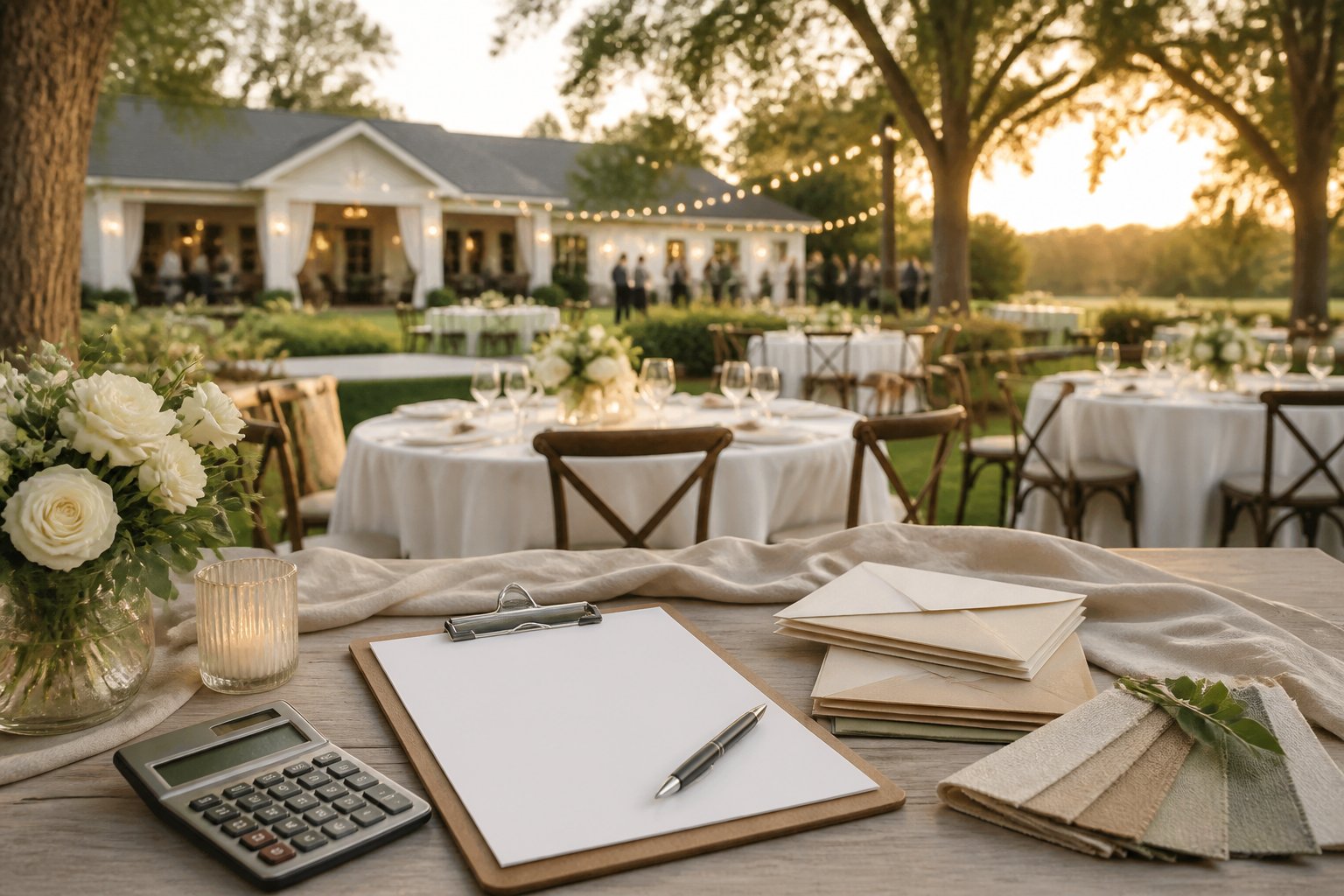
Start with a full wedding budget, then separate venue fees from catering, bar service, attire, photography, music, flowers, transportation, and lodging. A wedding budget guide can help you set a firm spending limit before tours.
Understanding Venue Fees and Per-Guest Pricing
Venue pricing may use a flat rental fee, a per-guest rate, a minimum spend, or a combination of these models. A flat fee covers access to the property for a set period. Per-guest pricing often includes food, drinks, rentals, and service staff.
Ask how the venue calculates children, vendors, late arrivals, and guests who do not drink alcohol. Request a sample invoice showing taxes, service charges, gratuity, setup, cleanup, and overtime.
Costs That May Fall Outside the Package
Budget separately for photography, entertainment, flowers, attire, invitations, favors, transportation, and guest lodging. Some venues also charge for liability insurance, security, extra ceremony hours, rehearsal access, cake cutting, specialty rentals, or cleanup beyond the included service.
On-site accommodations can reduce travel needs, though room blocks and overnight fees may be separate. Ask whether the venue requires approved vendors and whether outside catering or bar service carries an additional fee.
Matching Your Guest Count to Your Wedding Budget
Your guest count drives food, drinks, rentals, staffing, seating, and restroom needs. Build a preliminary guest list before requesting quotes so each proposal uses the same headcount.
If your budget is tight, compare weekday, Sunday, and off-season wedding dates. A smaller guest list can also free money for photography, entertainment, or a stronger meal service. Review how much you should budget per person for a wedding while you compare package totals.
How to Compare Venue Packages
Compare each wedding venue through the same checklist: total price, included services, event spaces, guest capacity, vendor rules, timing, accessibility, and backup plans. A package that looks complete online still needs a detailed review during your tour.

Ask for a written proposal with taxes, service charges, deposit terms, cancellation rules, and payment dates. Reviews and awards, including Best of Zola Winners recognition, can help with early research, while a tour shows how the space works for your celebration.
Questions to Ask During a Venue Tour
Ask these questions before you leave:
- What does the package include for the ceremony and reception?
- Which caterers, bartenders, and rental companies can you use?
- Who serves as your event coordinator on the wedding day?
- How many hours include setup, the event, and cleanup?
- What happens if your guest count changes?
- Are the bridal suite and dressing room included?
- What are the deposit, refund, and cancellation rules?
- Which costs apply to overtime, cake cutting, security, or insurance?
- Can you host a rehearsal dinner, welcome party, or farewell brunch?
Write the answers into your comparison sheet so each venue follows the same standard.
Space, Capacity, and Weather Backup Checks
Confirm the seated capacity for your chosen layout, including a dance floor, buffet, DJ or band, bar, cake table, and guestbook. Walk from the ceremony area to the cocktail hour and reception space to check timing and accessibility.
Ask where guests go during rain, extreme heat, or severe weather. Inspect indoor backup space, heating and cooling, lighting, restrooms, parking, and power. A covered patio helps only when it also supports your full guest count and reception layout.
Accessibility and Guest-Comfort Essentials
Check whether paths, entrances, restrooms, parking areas, and ceremony seating are wheelchair accessible. Ask about ramps, uneven ground, lighting after sunset, hearing support, and seating for older guests.
Confirm whether the venue is pet friendly and learn its rules for service animals and wedding pets. Discuss transportation, rideshare access, shuttle parking, overnight accommodations, and quiet spaces for children or guests who need a break.
Planning a Seamless Wedding Weekend
A seamless wedding weekend starts with one shared timeline covering the wedding ceremony, cocktail hour, wedding reception, vendor arrival, meals, photos, and cleanup. Your event coordinator should have the final schedule, contact list, floor plan, and rain plan.
Use the venue’s layout and package rules to decide which events belong on-site. Then confirm food, drinks, cake delivery, rental setup, and transportation in writing before your wedding date.
Hosting the Ceremony and Reception in One Place
One venue reduces travel between the wedding ceremony and wedding reception. Guests can move from vows to cocktail hour while your wedding party takes photographs, and the coordinator can manage room flips or transitions.
Ask whether the ceremony fee is separate, how long the ceremony site remains reserved, and where guests wait before seating. Confirm the sound system, chairs, aisle setup, décor removal, and backup location.
Adding Pre- and Post-Wedding Events
Your venue may host a rehearsal dinner, welcome party, engagement party, wedding shower, couples luncheon, baraat, elopement, after party, or farewell brunch. Each event needs its own start time, guest count, menu, staffing plan, and rental list.
Ask whether these gatherings use the same catering team and bar services as the wedding. Bundling several events may simplify coordination, while separate locations can create a more varied weekend schedule. Reserve event spaces early when guests are traveling from outside Quitman.
Coordinating Food, Drinks, and the Final Details
Choose a menu that suits your guest count, service style, dietary needs, and reception timeline. Confirm tasting dates, children’s meals, vendor meals, alcohol limits, last call, cake delivery, and wedding cake services with the catering team.
Give the event coordinator one final packet with your timeline, seating chart, vendor contacts, ceremony details, music cues, décor plan, transportation schedule, and emergency contacts. Schedule a final meeting to confirm payment balances, weather decisions, setup access, and who takes personal items home after cleanup.