
All-Inclusive Wedding Venues: See Prices & Packages
All-inclusive wedding venues bring your ceremony, reception, catering, rentals, and event support into one coordinated plan. Prices range from about $10,000 to $60,000 for many U.S. weddings, while destination packages can start near $3,000 for smaller celebrations.
The number of guests, location, date, bar service, and vendor inclusions shape your final total.
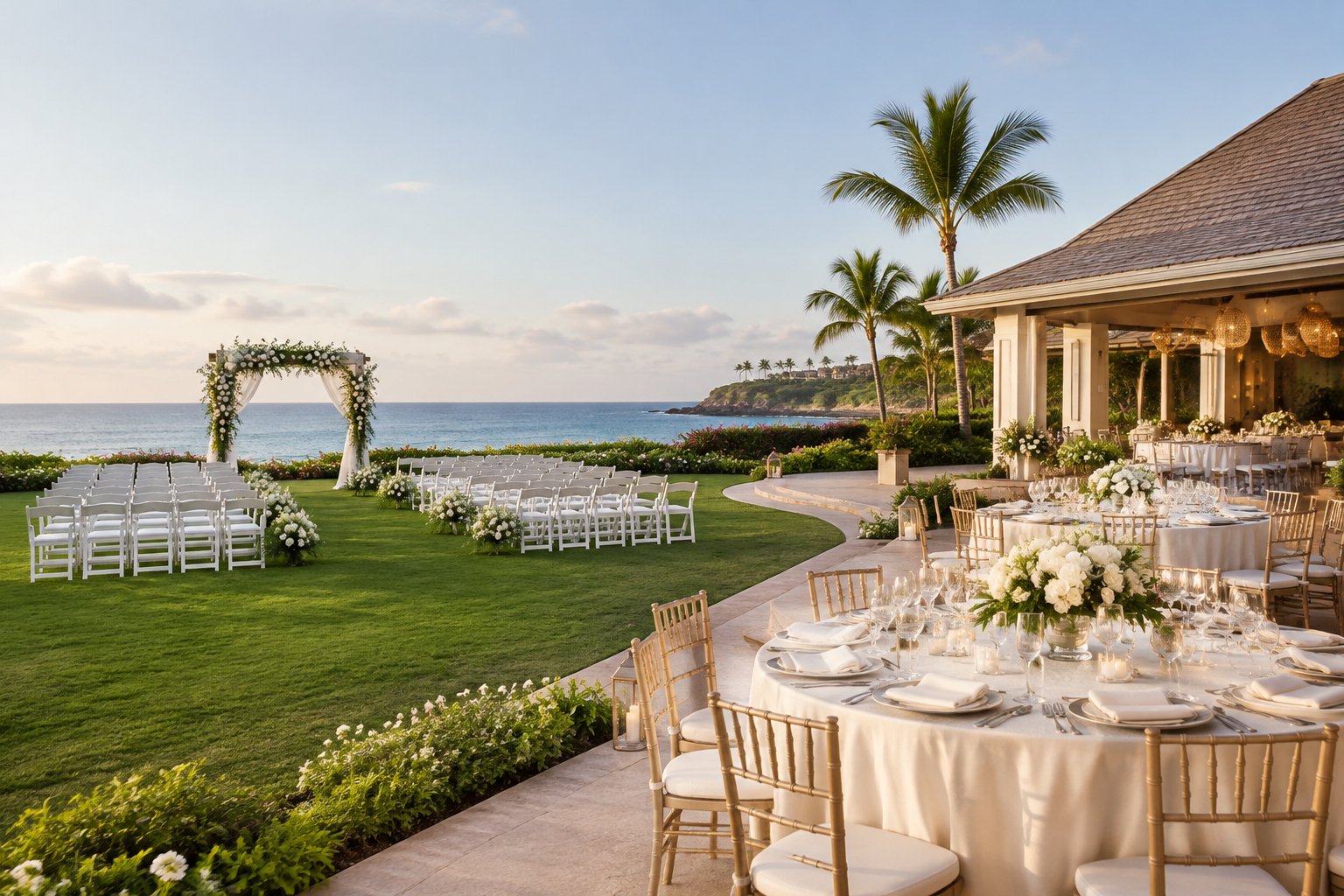
For most couples, an all-inclusive wedding venue with itemized pricing, in-house coordination, catering, rentals, and a clear weather plan offers the easiest way to control planning time and costs. You gain convenience through one main contract, while the trade-off is a smaller range of vendor and design choices.
As you compare all-inclusive wedding venues, request a complete proposal that shows package inclusions, guest minimums, taxes, service charges, upgrades, and room costs. You can then compare the true price of each option and choose a celebration that fits your budget and guest experience.
Browse all-inclusive wedding venues as you begin building your shortlist.
What Does an All-Inclusive Wedding Package Include?
An all-inclusive wedding package combines the venue, ceremony setup, reception services, food, rentals, and planning support into one agreement. The exact list changes by venue, so a package name never replaces a line-by-line proposal.
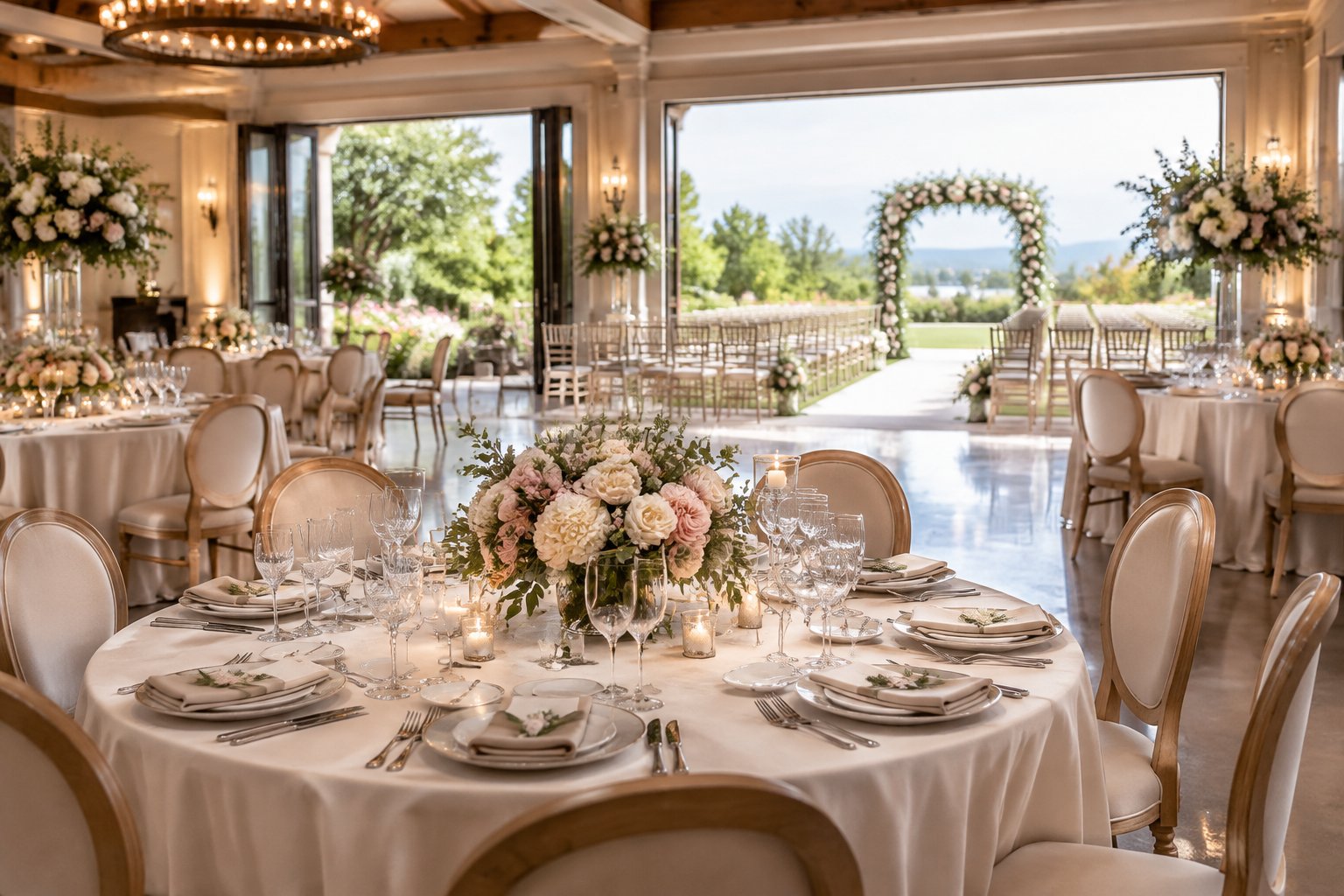
The Core Ceremony and Reception Inclusions
A standard package may include:
- Ceremony and reception spaces
- Ceremony chairs, tables, linens, china, glassware, and flatware
- Catering for cocktail hour and the reception meal
- Wedding cake or dessert service
- A bouquet, bridal bouquet, boutonniere, and basic ceremony flowers
- A sparkling wine toast or champagne toast
- Welcome drink for arriving guests
- Basic sound equipment
- Setup, service staff, and cleanup
- Wedding coordinator for event-day logistics
Destination packages at an all-inclusive resort may also include an officiant for a symbolic ceremony, a private reception dinner, open bar service, and a cocktail hour. Some higher-tier plans add a wedding planner, photography, hair and makeup, live entertainment, or spa treatments.
Ask whether the package covers a plated meal, buffet, or food stations. Confirm the menu choices, tasting policy, dietary accommodations, bar hours, and the number of bartenders and servers included.
What Is Usually an Upgrade or Add-On?
Common upgrades include premium liquor, specialty cocktails, upgraded entrée selections, extra floral design, custom decor, lighting, late-night food, and extended reception hours. Photography, videography, transportation, invitations, favors, and attire also receive separate pricing at many venues.
Ask for the cost of each upgrade before you choose a package. A low starting rate can rise quickly when you add a premium bar, upgraded wedding cake, custom bouquet, special linens, or a live band.
Request photographs of a wedding styled with the standard package. This gives you a clear view of the base decor and helps you judge whether the included options match your vision.
Wedding Coordinator vs. Wedding Planner
A wedding coordinator manages the venue’s event details. This role may include creating the timeline, confirming vendors, directing setup, coordinating the ceremony, and keeping the reception on schedule.
A wedding planner supports more of the planning process. Depending on the package, a planner may help with the budget, design, vendor selection, guest logistics, floor plan, invitations, and wedding weekend schedule.
Ask how many planning meetings you receive, when your coordinator is assigned, and whether the same person will be present on your wedding day. Get the coordinator’s duties in writing so you know which decisions remain yours.
How Much Should You Budget for an All-Inclusive Wedding?
Plan on about $10,000 to $60,000 for many U.S. all-inclusive weddings, with a common full-service range of roughly $150 to $300 per guest after venue, catering, bar, rentals, and key services are combined. Smaller destination weddings may begin near $3,000, while luxury celebrations cost much more.
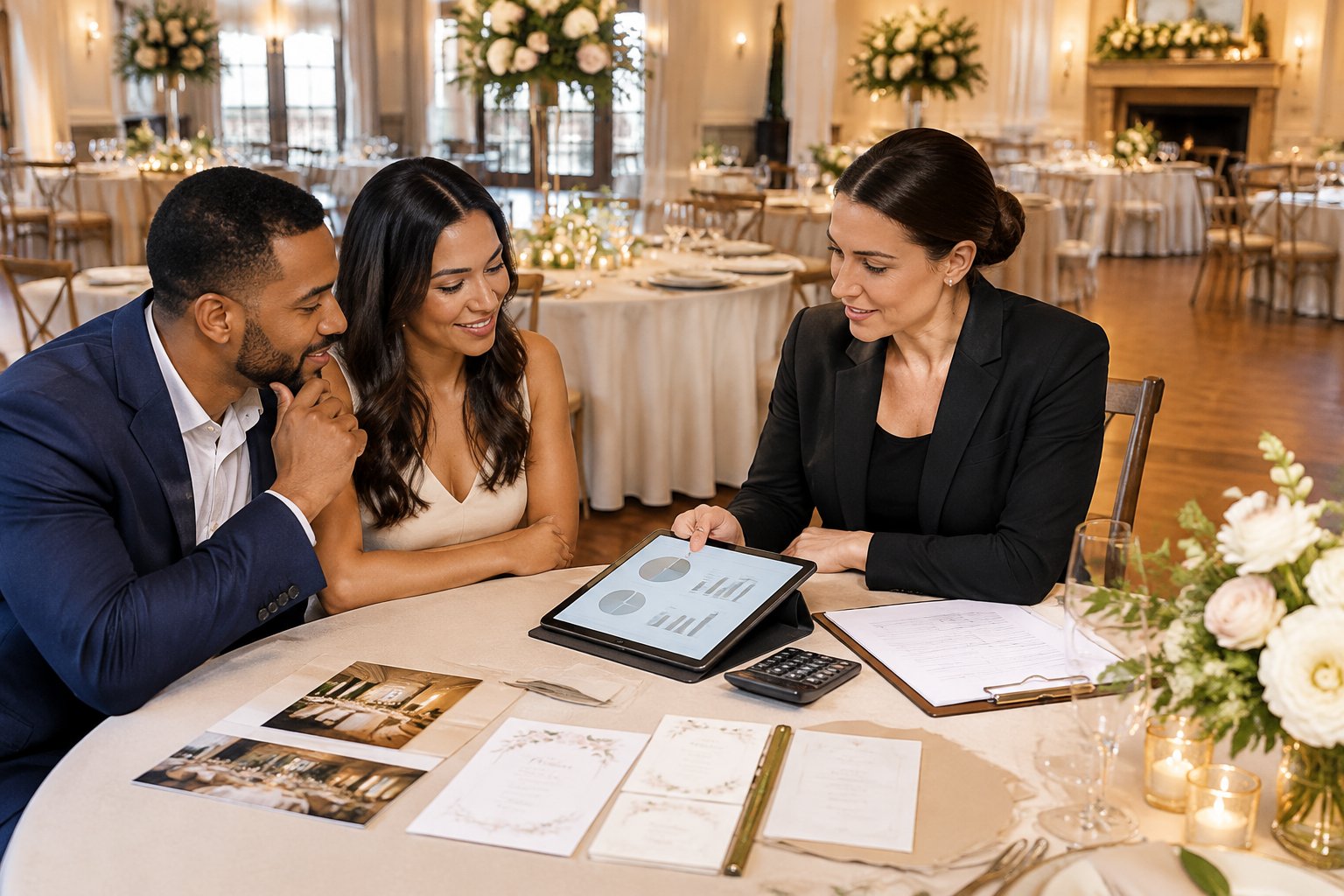
Your wedding budget needs room for taxes, service fees, travel, accommodations, attire, photography, flowers, and entertainment when those items sit outside the package. A quote becomes useful when you know exactly what the price covers and how the total changes with your guest list.
How Venue Pricing Models Work
Venues use several pricing models:
- Per-person pricing: Food, drinks, rentals, and service are multiplied by your guest count.
- Flat package pricing: You pay a set amount for a defined number of guests or services.
- Venue fee plus vendors: You pay for the space, then select catering and other providers separately.
- Resort package pricing: The wedding fee connects with guest room nights, group bookings, or resort stays.
For a 100-person wedding, an essential package might fall near $10,000 to $20,000. Mid-range packages with upgraded menus, bar service, decor, or lighting can reach $20,000 to $35,000. Premium packages with expanded services can exceed $35,000.
Use how much should you budget per person for a wedding to place venue quotes beside your wider wedding spending plan.
Costs That May Not Appear in the Starting Price
Read the proposal for:
- Sales tax
- Service charges
- Gratuity
- Ceremony fees
- Bar minimums
- Cake-cutting fees
- Corkage
- Vendor meals
- Parking or valet
- Security
- Insurance
- Cleanup
- Overtime
- Outside-vendor fees
- Room rental or bridal suite charges
Ask the venue to provide a sample final invoice for a wedding like yours. This reveals how fees are calculated and whether the advertised rate includes the services you expect.
How Guest Count and Room Nights Affect the Total
Guest count affects meals, drinks, chairs, tables, linens, staffing, and place settings. At $200 per person, 100 guests produce a $20,000 package, while 130 guests produce about $26,000 before fixed fees and taxes.
An all-inclusive resort may also connect package benefits to room nights. A resort wedding could reduce or waive a wedding fee when your group meets a booking minimum, while rooms, travel, taxes, and resort fees remain separate guest expenses.
Ask for three totals:
- Wedding costs only
- Wedding costs plus required room blocks
- Estimated guest travel and lodging costs
This view helps you judge the cost to you and the cost your guests will carry.
Which Venue Type and Destination Fit Your Celebration?
The right venue type matches your guest count, travel needs, preferred setting, and planning style. Local full-service venues offer easier access, while destination weddings combine a resort stay with several days of shared celebrations.
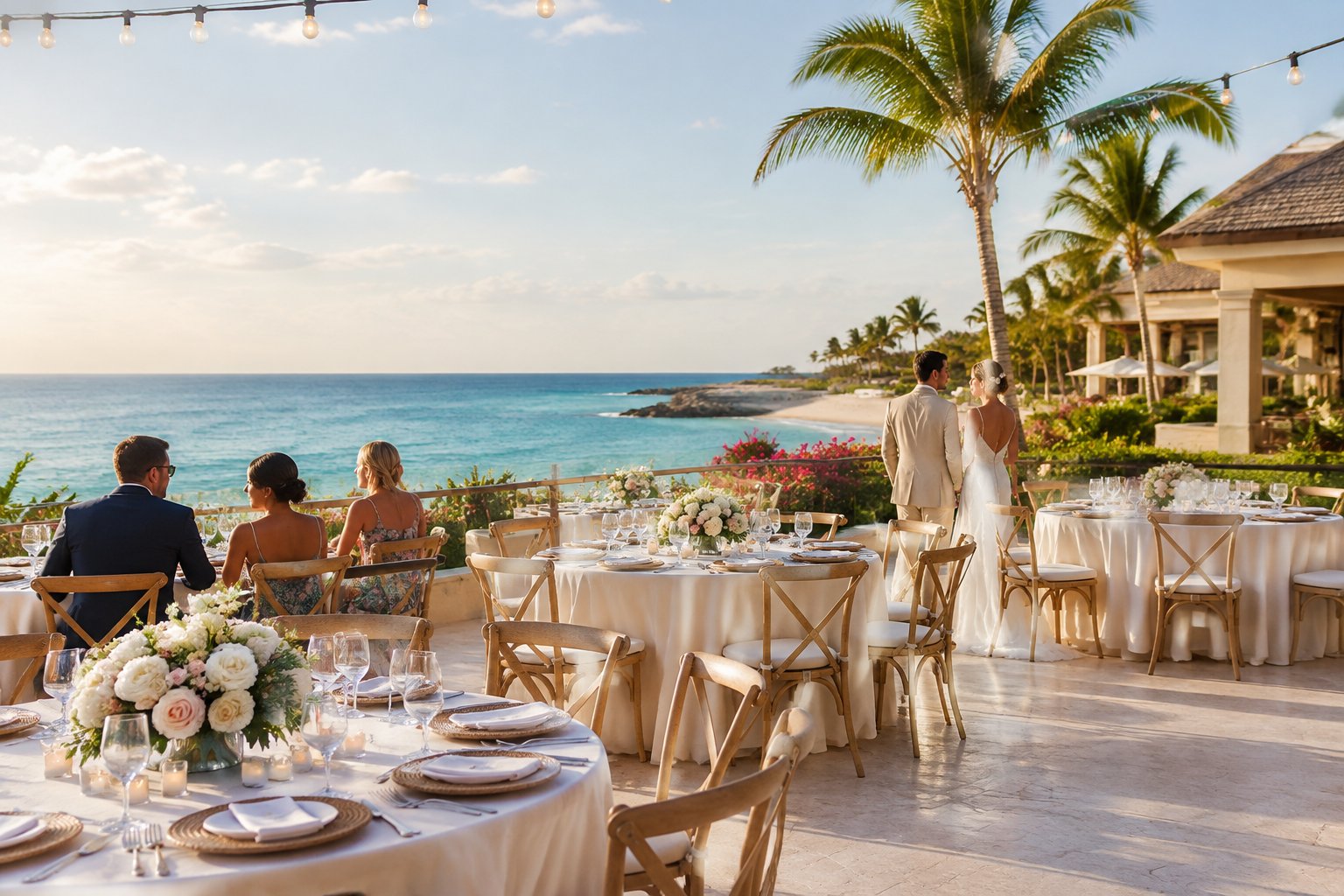
Consider the full guest journey, including transportation, accessibility, room costs, ceremony paperwork, weather, and time away from work. Your favorite setting needs to work for the people you want beside you.
Local Full-Service Venues vs. Destination Resorts
A local all-inclusive wedding venue keeps travel simpler and lets guests return home after the reception. You can look at banquet halls, estates, hotels, country clubs, and full-service properties near your home.
Orange County, New York, and Brooklyn offer different venue styles, from hotel ballrooms to urban event spaces.
A destination resort combines the wedding and guest stay in one place. The resort may provide ceremony sites, catering, open bar service, coordination, guest activities, and room blocks. Your guests gain a vacation setting, while you take on travel planning and group booking details.
Explore all-inclusive destination wedding venues when you want ceremony, lodging, and guest activities at one property.
Beach and Tropical Resort Wedding Destinations
A beach wedding creates a relaxed setting with ocean views, while a tropical wedding may use a garden, terrace, pool deck, or ballroom. Popular destinations include Punta Cana and La Romana in the Dominican Republic, Jamaica, Saint Lucia, and Puerto Vallarta.
Ask each resort about:
- Rain backup and wind plans
- Beach access and walking conditions
- Ceremony privacy
- Guest mobility needs
- Legal or symbolic ceremony requirements
- Seasonal weather
- Group room minimums
- Reception music limits
- Transfers from the airport
A symbolic ceremony can reduce paperwork when you complete the legal marriage at home. Confirm the required documents if you want the destination ceremony to be legally recognized.
City, Hotel, and Banquet Hall Options
Hotels and banquet halls offer practical layouts, controlled climate, nearby rooms, and accessible transportation. Brands such as Hilton and Hyatt Ziva Cancun show how different the experience can be: a local Hilton ballroom may focus on a formal reception, while a resort such as Hyatt Ziva Cancun may combine lodging, dining, beach access, and activities.
Compare the event space, guest room rates, parking, noise rules, meal service, and private-use policies. A hotel package can suit a large guest list, while a banquet hall may offer a focused reception with fewer travel demands.
How to Compare Proposals Before You Book
Compare every proposal by rebuilding it into the same categories: venue, ceremony, catering, cocktail hour, open bar, rentals, staffing, coordination, fees, hours, and guest minimums. The lowest headline price is not always the lowest complete cost.

Mark each line as included, optional, required, or unknown. Ask the venue to confirm every unknown item before you pay a deposit.
Questions to Ask About Food, Drinks, and Service Fees
Ask:
- Is catering included in the package price?
- Is the meal plated, buffet-style, or served as stations?
- What appetizers are included during cocktail hour?
- Does the open bar include liquor, wine, beer, and specialty drinks?
- How many bar hours are included?
- Are bartenders, servers, glassware, and ice included?
- Are vendor meals charged separately?
- Does the tasting have a fee?
- What service charge and tax apply?
- Is gratuity included or added later?
Request prices for your preferred entrée, bar level, dessert, and late-night snack. A menu that looks affordable at the base tier may change when dietary needs or premium selections are added.
Reviewing Vendor Rules and Customization Limits
Ask whether the wedding venue requires in-house vendors or uses an approved list. Confirm the policy for outside catering, photography, florals, music, decor, cake, and hair and makeup.
Check fees for outside vendors and ask who supplies tables, linens, sound equipment, lighting, and setup labor. Review the package’s design choices, menu substitutions, alcohol limits, and decor rules before you assume customization is available.
Confirming Weather Plans, Capacity, and Event Timing
Ask for the exact rain plan and view the backup space in person or on a live tour. Confirm whether the backup has enough seating, dining space, power, restrooms, lighting, and dance-floor capacity.
Verify the maximum guest count for the ceremony, cocktail hour, and reception. These numbers can differ by room layout and service style.
Review access time, ceremony start time, bar closing time, music curfew, cleanup deadline, and overtime rate. Ask who decides when an outdoor event moves inside and when that decision must be made.
How to Plan a Smooth Wedding Weekend
A smooth wedding weekend gives guests clear plans, open downtime, easy transportation, and one reliable place for updates. Build the schedule around the ceremony and protect the couple’s time for rest.
Share arrival details, dress codes, event times, meal information, accessibility notes, and RSVP deadlines through your wedding website. Give guests optional activities so they can choose their own pace.
Building a Guest-Friendly Multi-Day Itinerary
A destination wedding works well with a flexible three-day plan:
- Arrival day: Check-in, free time, and a casual welcome drink
- Day before: Optional outing, wedding party gathering, and rehearsal dinner
- Wedding day: Breakfast, free morning, ceremony, cocktail hour, reception, and transportation
- Day after: Brunch, beach time, spa treatments, or a relaxed farewell
Leave gaps between events for travel, clothing changes, meals, and rest. Guests should know which activities are hosted, which require payment, and which are optional.
Scheduling the Rehearsal Dinner and Welcome Events
Keep the welcome drink casual so guests can arrive at different times. A light meal or shared appetizers give people a chance to meet without creating another formal event.
Schedule the rehearsal dinner for the wedding party, close family, and anyone involved in the ceremony. Confirm the guest list, menu, bar service, seating, speeches, and end time with the venue coordinator.
Live entertainment works well for a welcome party or rehearsal dinner when the group wants a stronger evening experience. Keep the sound level and event hours within the resort or venue rules.
Making the Most of Resort Amenities
Ask the all-inclusive resort which amenities require reservations, deposits, or additional fees. Coordinate spa treatments, group excursions, pool time, fitness classes, and dining reservations around the wedding schedule.
Reserve high-demand activities early and keep the wedding party’s calendar light on the wedding day. Provide transport details for off-site plans, and give guests a clear contact person for changes.