
American Wedding Band Cost: Rings and Live Music
For most U.S. couples, wedding bands cost about $400 to $1,800 per ring, while a live wedding band costs about $2,500 to $10,000, depending on the musicians, event length, location, and production needs. A practical wedding band budget for two rings plus reception music often falls between $3,500 and $12,000.
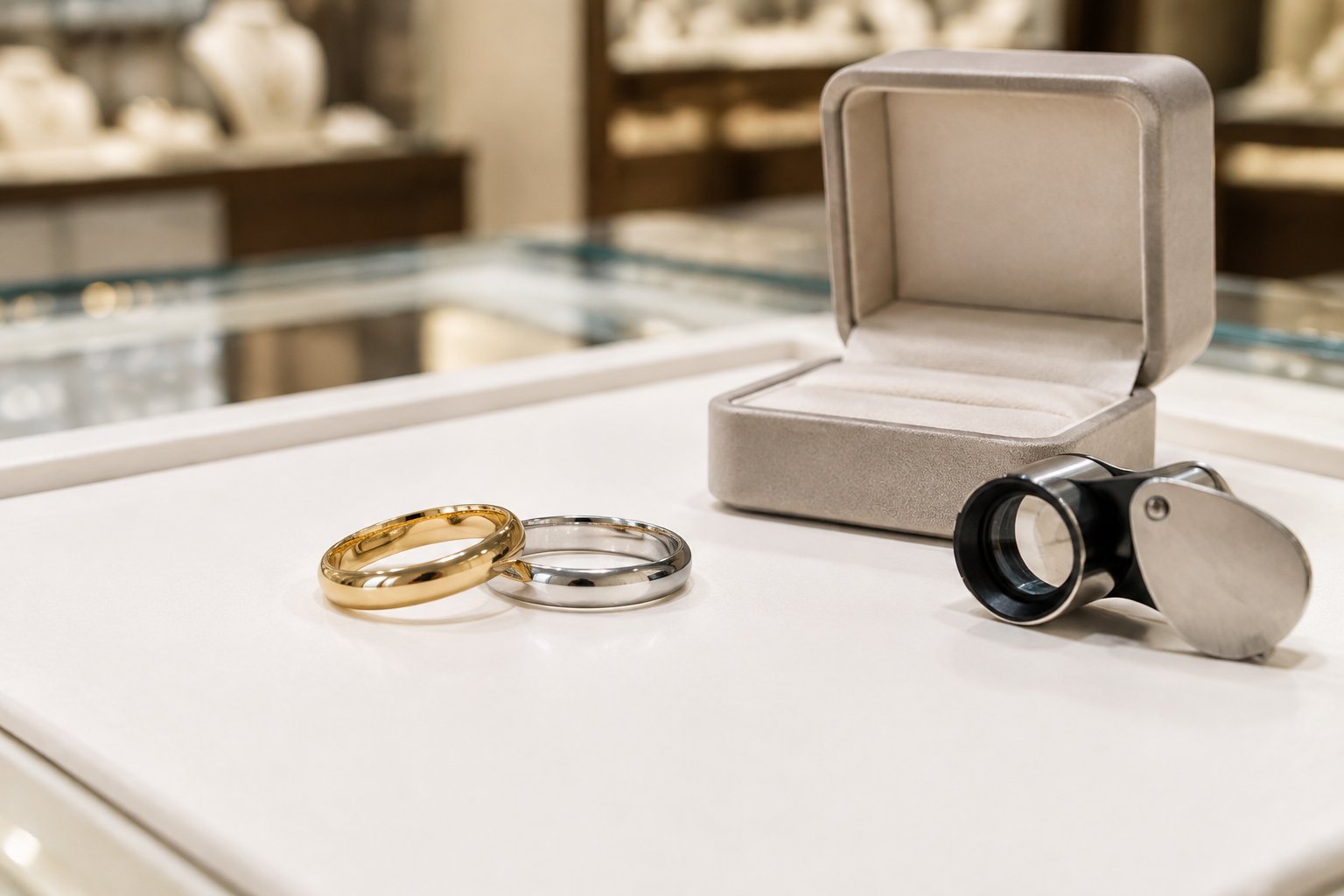
Published averages help you set a starting point, yet your final wedding band cost will reflect your choices. Plain 14k gold rings sit at a different price point than diamond bands, and an acoustic duo costs much less than a full show band.
Set your ring and music priorities before you shop or request quotes. If you want help weighing wedding music ideas against your wedding band budget, explore the options available through wedding music ideas and begin collecting real estimates.
What Americans Typically Pay for Wedding Rings and Live Bands
Americans spend roughly $1,500 for two wedding bands and about $2,500 to $10,000 for live reception music, with many live-band quotes clustering near $4,000 to $5,000. The average wedding ring cost and live wedding band price measure different purchases, so keep them in separate budget lines.
National figures from The Knot and WeddingWire use different samples and definitions. Your guest count, city, wedding date, ring design, and service package can move your quote far from a national average.
Average Wedding Ring Cost for a Couple
Many couples spend about $1,200 to $3,600 for both wedding bands. A plain metal band may cost $150 to $700, while a diamond-accented design often runs $700 to $2,500 per ring.
A simple planning range looks like this:
- Entry-level pair: $400 to $1,200
- Mid-range pair: $1,200 to $3,600
- Detailed or platinum pair: $3,600 and up
The average wedding band cost is lower than the cost of an engagement ring because wedding bands rarely include a large center stone. You can compare broader spending patterns in this guide to how much are wedding rings on average.
Average Cost of a Live Wedding Band
WeddingWire reports a U.S. wedding band range of about $489 to $5,720, with a reported average near $2,050 for the couples represented in its vendor data. Other national wedding studies place live wedding band spending closer to $4,500 because they capture larger ensembles, longer receptions, and higher-cost markets.
A small acoustic act may begin near $2,000 to $2,500. A full reception group with several vocalists, horns, professional sound, lighting, and an experienced bandleader can reach $10,000 or more.
Your quote can also include travel, overtime, special song preparation, meals, sound upgrades, and gratuity. Ask for an itemized proposal before comparing band prices.
Why Published National Averages Differ
The Knot, WeddingWire, and other wedding platforms collect data from different couples and vendors. One figure may cover all wedding music, while another focuses on live bands booked for receptions.
Location also changes the average. A band in New York City, Los Angeles, or San Francisco may charge more than a similar group in a smaller market. Saturday dates during peak season command higher demand, while weekday and winter bookings may cost less.
Guest count and performance time add more variation. A three-hour quartet for 75 guests has a different cost structure from a six-piece group playing five hours for 200 guests.
Wedding Ring Prices by Style and Partner
Most wedding bands cost $300 to $3,000 per ring, with metal, width, stone coverage, and custom work creating the largest price changes. Your partner’s ring style can shape the total, yet gender labels offer only a rough shopping guide.
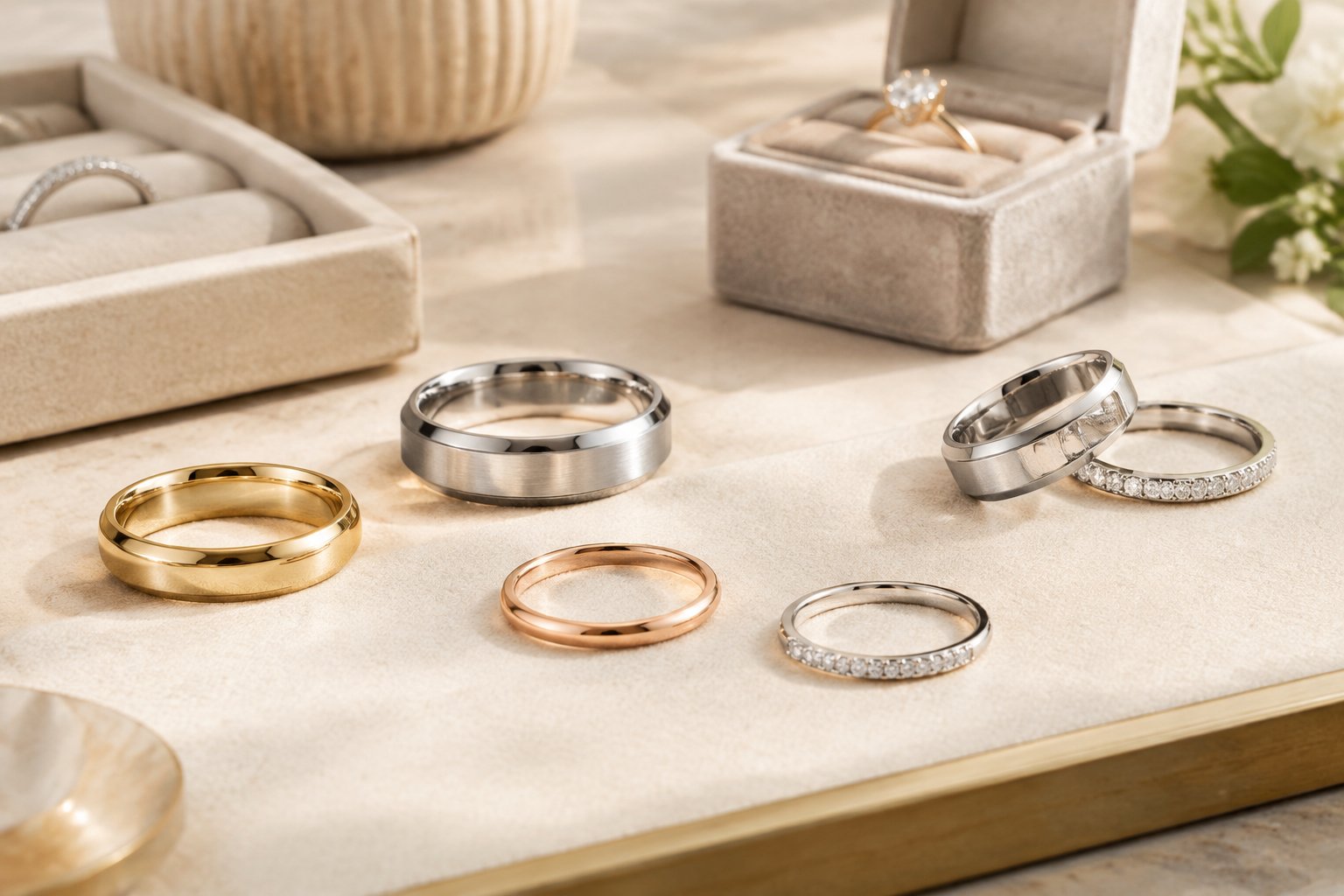
Ring prices rise with weight, detail, and gemstone coverage. A slim gold band and a wide platinum ring can look similar in a display case while carrying very different price tags.
Women’s Wedding Bands: Typical Price Ranges
Women’s wedding bands often cost $600 to $1,800. Plain 14k gold styles may sit near the lower end, while curved bands, engraved designs, and diamond accents raise the price.
A useful range by style includes:
- Plain gold band: $300 to $1,000
- Diamond-accented band: $700 to $2,500
- Vintage-inspired band: $800 to $2,000
- Custom or platinum design: $2,000 and up
A contoured band shaped around an engagement ring requires extra design work. Matching the ring’s metal color and setting can also require a more specialized design.
Men’s Wedding Bands: Typical Price Ranges
Men’s wedding bands commonly cost $350 to $1,000, with many plain styles priced near $600. Width, weight, finish, and metal type have a strong effect on the final price.
Common ranges include:
- Tungsten or titanium: $200 to $800
- Plain 14k gold: $400 to $1,200
- 18k gold: $700 to $1,800
- Platinum: $1,000 to $3,000 or more
- Custom or diamond-accented band: $1,000 and up
Wide bands use more material and feel heavier on your finger. Comfort-fit interiors, brushed finishes, and mixed-metal details can add cost without changing the basic shape.
Diamond Wedding Bands and Eternity Bands
Diamond wedding bands often cost $700 to $3,000, while an eternity band can reach several thousand dollars. The total carat weight, stone quality, setting, and amount of ring coverage set the price.
A half-eternity band places stones around the front half of the ring and uses fewer diamonds. An eternity band surrounds the full ring with stones, creating more sparkle and a higher material and labor cost.
Lab-grown diamonds can reduce the gemstone portion of the price by about 40% to 60% compared with natural diamonds of similar size and quality. Sapphires and rubies offer color and personality, with pricing shaped by size, quality, origin, and treatment.
How Engagement Ring Cost Compares
The average engagement ring cost is much higher than the cost of a wedding band because it often includes a center diamond or another prominent gemstone. A national estimate near $5,000 reflects a broad market average, while individual purchases range from modest designs to luxury pieces costing $10,000 or more.
Your engagement ring cost may also include a detailed setting, halo stones, and custom work. Wedding bands can complement that design with a plain profile or add matching diamonds.
You can review the difference between these purchases through do you spend more on an engagement or wedding ring.
What Drives the Price of a Wedding Ring?
Metal type, gemstone choice, ring dimensions, and design labor drive most wedding ring prices. Choosing one detail at a time helps you see where your money goes and where a small change can lower the total.
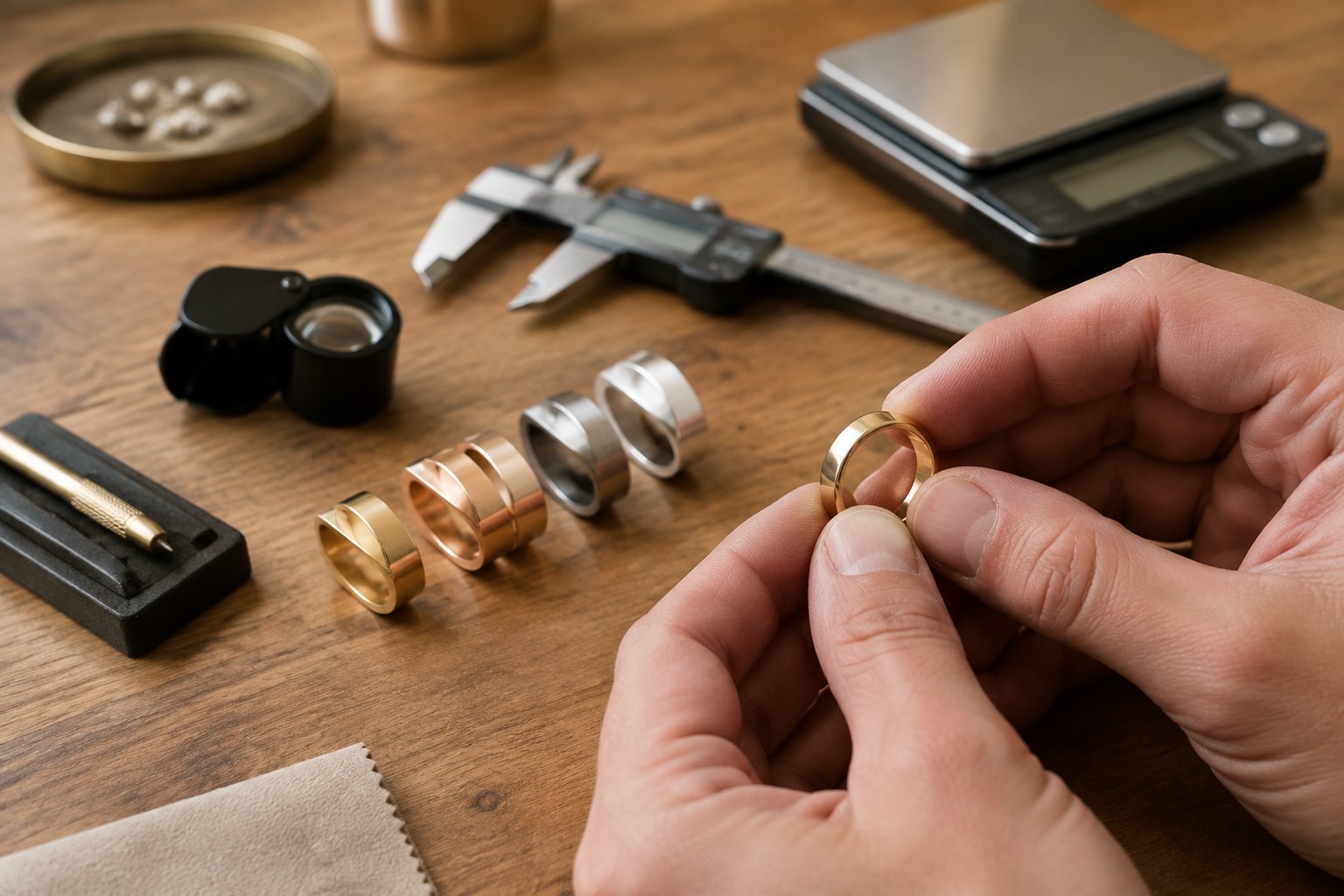
A daily-wear ring needs to fit your work, habits, and comfort preferences. Price alone does not show whether a ring will suit your routine, so compare durability, repair options, resizing, and care requirements with the initial cost.
How Metal Type Changes Cost and Durability
Your metal type affects weight, color, hardness, maintenance, and price.
- 14k gold: A durable, accessible choice with 58.5% gold content. It comes in white gold, yellow gold, and rose gold.
- 18k gold: Contains more gold and has a richer color, with a higher price and a softer feel than 14k gold.
- White gold: Offers a bright appearance and may need periodic rhodium replating to maintain its finish.
- Yellow gold: Provides a warm, traditional color and straightforward care.
- Rose gold: Uses copper in the alloy for a pink tone and often costs close to other gold colors at the same karat and weight.
- Platinum: Provides high durability, natural white color, and hypoallergenic properties at a premium price.
- Alternative metals: Titanium, tungsten, tantalum, and ceramic offer distinct finishes and lower entry prices. Some styles have limited resizing options.
A wider or heavier ring uses more metal, so two 14k gold bands can have very different prices.
Natural vs. Lab-Grown Diamonds and Colored Stones
Natural diamonds carry pricing based on supply, size, cut, color, clarity, and certification. Lab-grown diamonds share the same basic chemical composition and can lower the stone budget substantially.
Sapphires and rubies provide strong color and a personal point of difference. Their price depends on hue, clarity, size, origin, and treatment. Smaller accent stones create a controlled cost, while full coverage increases both stone count and setting labor.
Band Width, Setting, and Custom Design
Band width affects material use and the way the ring feels during daily wear. A wide ring costs more when it uses extra gold, platinum, or another dense material.
The setting also changes labor costs. Pavé settings place small stones close together, channel settings hold stones within metal edges, and bezel details require precise construction. A hand-engraved, milgrain, filigree, or two-tone design adds more bench work.
Custom design carries the highest labor cost because the jeweler creates the shape, fit, and details for you. Ask whether the quote includes design revisions, a wax or computer model, resizing, engraving, taxes, and warranty coverage.
Live Wedding Music Prices by Band Size
Live wedding music costs about $2,000 to $10,000 for many U.S. weddings, with band size and configuration creating the largest price difference. You can match the sound to your guest count by choosing an acoustic duo, a compact reception group, or a full show band.
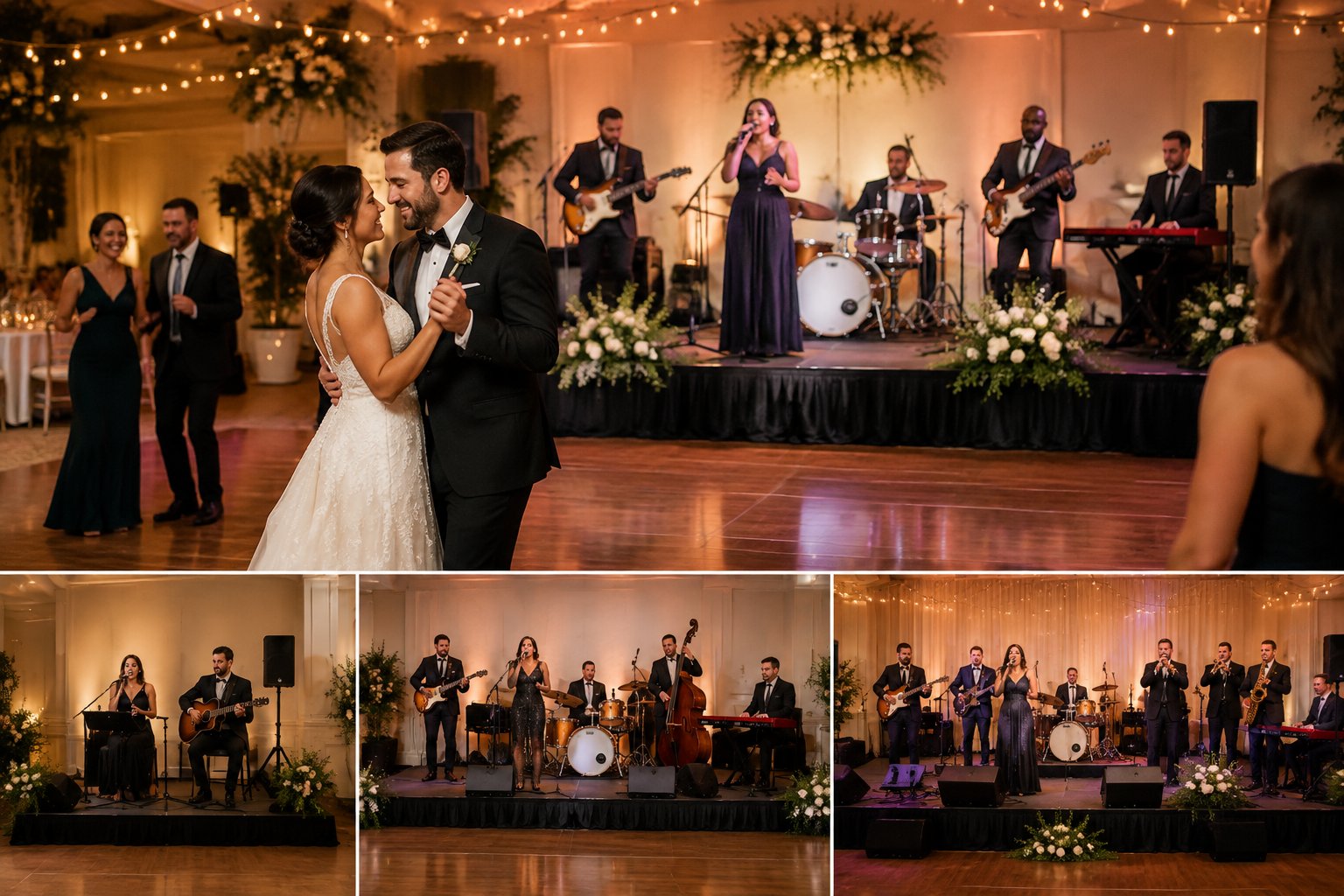
Your quote reflects more than the number of musicians. Performance hours, setup time, sound equipment, travel, date, and special requests also shape the wedding band cost.
Acoustic Duo and Small-Format Options
An acoustic duo often costs about $1,000 to $2,500 for ceremony, cocktail hour, or a smaller reception. Two musicians can provide vocals and guitar, piano, or another light arrangement with modest equipment needs.
A trio or quartet may cost $2,000 to $4,500, depending on the market and experience. This format gives you a fuller rhythm section while keeping the stage footprint and labor lower than a large ensemble.
Small-format options suit intimate guest lists, dinner music, cocktail hours, and couples who want a relaxed sound. Confirm whether the package covers the full reception or only a set number of performance hours.
Standard Reception Band Configurations
A standard live wedding band with four to seven musicians often costs $3,500 to $7,500. A common configuration includes vocals, guitar, bass, drums, and keyboard, with some groups adding saxophone or trumpet.
The package may include:
- Three to five hours of coverage
- Speakers, microphones, and basic sound equipment
- A bandleader who makes reception announcements
- A song list and planning meeting
- Break music between live sets
Ask how many breaks the musicians take and what guests hear during those breaks. Also confirm the fee for learning a first-dance song, extending the performance, or providing cocktail-hour music.
Show Band Pricing for Large Receptions
A show band with multiple vocalists, horns, lighting, and expanded production often costs $7,500 to $15,000 or more. Large receptions and premium venues may justify the fuller sound and visual energy.
A large band can include eight to 12 or more performers, a dedicated sound engineer, upgraded lighting, and a broader stage setup. Travel, hotel rooms, staging, power requirements, and load-in labor can raise the final quote.
Set a clear production plan with the venue before booking. The contract should identify the band configuration, performance hours, equipment, setup access, overtime rate, travel charges, meals, cancellation terms, and gratuity expectations.
How to Set a Practical Budget and Save
Build your wedding band budget around two ring ranges and one complete music quote, then reserve money for taxes, care, travel, gratuity, and last-minute changes. A couple might set aside $1,500 to $3,500 for rings and $3,000 to $7,500 for live music before extras.
Your priorities should guide the trade-offs. A plain platinum ring may matter more to you than diamond coverage, while a six-piece reception band may matter more than ceremony music.
Choosing Ring Materials Without Sacrificing Everyday Wear
Start with the conditions your ring will face each day. If you work with your hands, a secure setting, smooth edges, and durable metal may be more useful than delicate detailing.
14k gold offers a strong balance of durability and price. Alternative metals such as titanium and tungsten can reduce the purchase price, while lab-grown diamonds can lower the cost of a diamond wedding band.
Compare these details before you buy:
- Metal purity and alloy
- Ring width and weight
- Stone coverage and setting security
- Resizing availability
- Warranty and maintenance service
- Engraving, tax, and shipping charges
Shop from several jewelers and compare equivalent specifications. A lower sticker price may reflect a lighter ring, smaller stones, or fewer included services.
Reducing Live Music Costs Without Losing the Atmosphere
Choose a smaller band size, shorter performance window, or off-peak date to reduce your music spend. Friday, Sunday, winter, and early-spring bookings may receive lower rates than peak Saturday dates.
You can also hire an acoustic duo for the ceremony and cocktail hour, then use a quartet or DJ for the reception. Booking a band for the main dance period keeps live energy at the busiest part of the evening.
Get one written quote that lists:
- Number of musicians
- Hours of live performance
- Break schedule
- Sound and lighting equipment
- Travel and lodging
- Overtime rate
- Special song fees
- Meals and gratuity
WeddingWire and The Knot can help you compare local vendors, reviews, and planning estimates. Treat national averages as starting points and request local proposals before locking your wedding band budget.
Questions to Ask Before You Buy or Book
Ask a jeweler how the ring is made, whether it can be resized, what care it needs, and which costs are included. Request details about stone grading, metal purity, warranty coverage, delivery timing, and return terms.
Ask a live wedding band:
- How many musicians will perform?
- What songs and genres fit your event?
- How many hours and sets are included?
- Who provides sound equipment and lighting?
- What happens during breaks?
- Are setup, travel, meals, and overtime included?
- Can the group learn your first-dance song?
- What deposit and cancellation terms apply?
Write each answer into the contract or purchase agreement. That record gives you a clear price to compare and helps prevent surprises as your wedding date approaches.