
Do You Spend More on an Engagement or Wedding Ring? A Simple Breakdown for Couples
When planning a wedding, couples face one of the first big decisions: how much to spend on rings. You might wonder whether to invest more in an engagement ring or a wedding ring. Generally, most people spend more on the engagement ring compared to the wedding ring, often due to its intricate design and choice of gemstones.
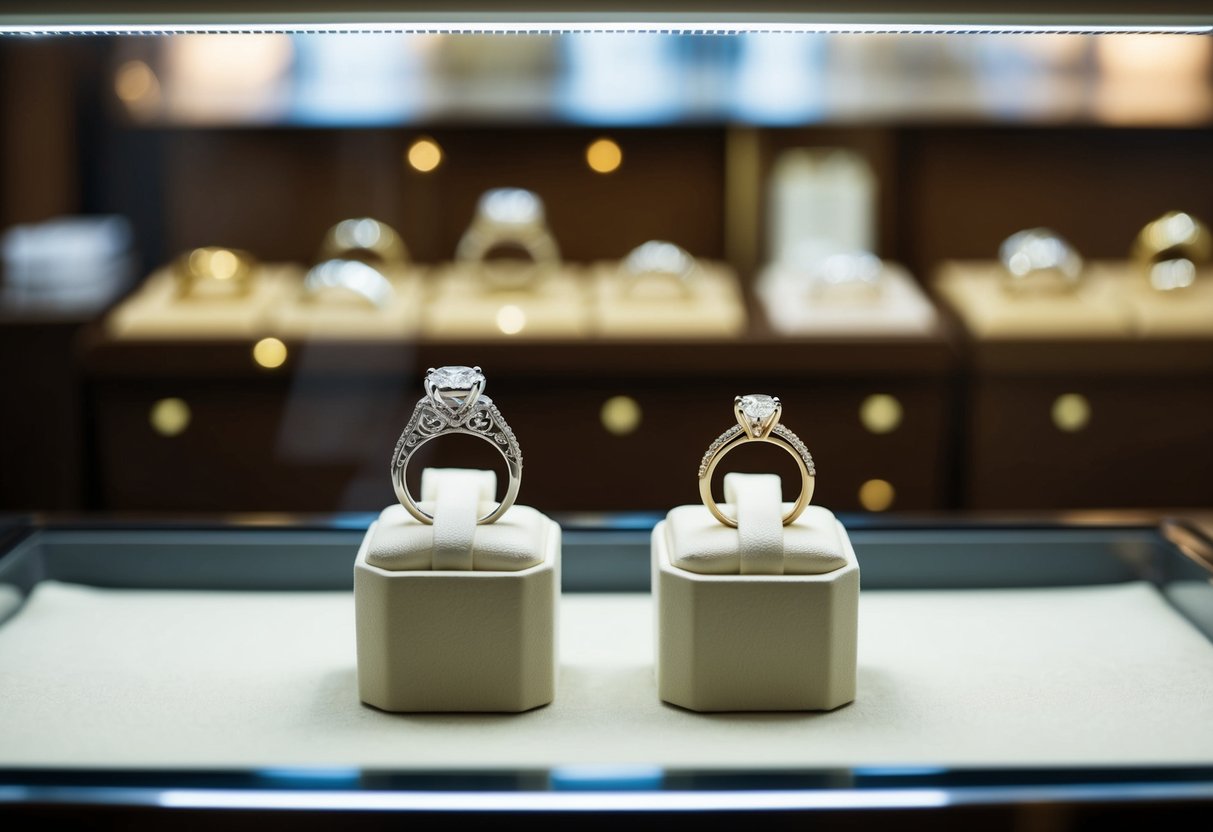
Engagement rings typically feature a center stone, usually a diamond, which can significantly increase the cost. In contrast, wedding rings are often simpler and less ornate. This difference in style and purpose impacts how couples budget for each ring.
As you explore the world of rings, consider your personal style and budget. Finding the perfect balance between a stunning engagement ring and a meaningful wedding band will make both pieces special for your unique love story.
Understanding Engagement and Wedding Rings

Engagement and wedding rings hold deep meaning in relationships and traditions. Each ring serves a unique purpose and comes with its own significance. Understanding their history and types can help you make informed decisions when choosing these important pieces of jewelry.
History and Significance
Engagement rings date back to ancient times, with the Romans believed to be the first to use them. They often featured simple bands made of iron or gold. The idea was that the ring symbolized ownership and commitment.
Wedding rings, on the other hand, emerged later as part of the marriage ceremony. These rings symbolize eternal love and unity. Traditionally, wedding bands are worn on the left hand, with the belief that a vein in that finger leads directly to the heart.
Types of Rings
Engagement rings are typically more ornate. They often feature a center stone, usually a diamond, surrounded by smaller stones in styles like solitaire, halo, or three-stone settings. Their designs can be quite elaborate, reflecting personal taste and significance.
Wedding rings are generally simpler. They can be plain bands or adorned with diamonds or other gemstones. Styles include classic, tungsten, and eternity rings, each representing commitment in different ways. Choosing the right style often depends on your lifestyle and preferences.
Cultural Traditions
Cultural customs shape how engagement and wedding rings are viewed worldwide. In many Western cultures, you wear the engagement ring during the engagement period, then add the wedding band during the ceremony.
In some cultures, both rings are exchanged during the wedding. Additionally, certain traditions dictate materials and styles, such as using gold in some societies or unique designs in others. Understanding these customs can guide your choice in ring selection, adding a personal touch to your journey.
Budgeting for Your Rings

Planning your budget for engagement and wedding rings is an important step in your wedding journey. Balancing your spend can help you find a piece that reflects your love while staying within your means. Here’s how to get started.
Determining Your Budget
Start by assessing your finances. Look at your income, savings, and any other expenses you have. A common guideline is to spend around two months’ salary on an engagement ring. However, this number is flexible.
Discuss expectations with your partner. Talk about what styles and materials you both like. Make sure you consider their favorite gemstones or metals. A thoughtful approach can lead to a ring that means something special without breaking the bank.
Average Engagement Ring Cost
The average cost of engagement rings varies, but recent data shows it’s around $5,500 to $6,100. This amount can differ based on where you live. For example, couples in the Mid-Atlantic region tend to spend more, averaging $6,900.
When choosing your ring, think about the value of meaning over cost. It’s not always about how much you spend, but rather the love and thought behind it. Custom designs or unique gemstones can also provide options that reflect your personality while fitting your budget.
Cost Considerations for Wedding Bands
When budgeting for wedding bands, remember these rings are often simpler and can be less expensive
Choosing the Right Rings
Selecting the perfect rings requires careful thought about style, materials, and budget. You want rings that reflect your love and commitment while also fitting your personal tastes and preferences.
Selecting a Diamond Engagement Ring
When choosing a diamond engagement ring, consider factors like cut, color, clarity, and carat weight. The cut affects how well the diamond sparkles. Aim for the best cut within your budget.
The color should ideally be near colorless for maximum brilliance. You can also look at clarity ratings. Higher clarity means fewer inclusions, but this can come at a steep price. Lastly, consider carat weight, which affects size.
Remember, a smaller, well-cut stone can look more impressive than a larger, poorly cut one.
Exploring Vintage and Lab-Created Options
Vintage rings have a unique charm and are often one-of-a-kind. They can come from various eras, each with distinct styles. Vintage designs may also come with a lower price tag than brand-new rings.
Lab-created diamonds are another option worth considering. These diamonds are chemically identical to natural ones but usually cost less. They are a great choice if you’re looking for an ethical and sustainable option. Both choices provide beautiful alternatives to traditional diamonds.
Matching Rings and Bridal Sets
Matching rings create a cohesive look for your engagement and wedding rings. Many jewelers offer bridal sets that include both rings designed to go together. This can simplify your shopping process and often save you money.
When choosing a bridal set, think about style and comfort. You want both rings to complement each other while also being comfortable for daily wear. Consider metal types as well; different metals can create different looks and durability levels.
Remember, the right rings should feel as special as your relationship. Don’t hesitate to explore various styles until you find the ones that truly resonate with you.
Practical Aspects of Rings

When choosing your engagement and wedding rings, it’s important to consider how to care for them, protect them with insurance, and understand the best way to wear them. These practical aspects can help ensure your rings stay beautiful and secure for years to come.
Ring Maintenance and Care
Caring for your rings is essential to maintain their beauty. Regular cleaning can keep them sparkling. Use warm water mixed with mild dish soap and a soft toothbrush to gently scrub your rings. Rinse well and dry with a soft cloth.
Avoid exposing your rings to harsh chemicals, which can cause damage. When doing chores or exercising, it’s best to remove your rings to avoid scratches or loss.
Don’t forget to have your rings checked by a professional jeweler every year to ensure the settings are secure and to polish them when needed.
Insurance for Your Jewelry
Insuring your rings can protect your investment. Jewelry insurance covers loss, theft, or damage. Many jewelers offer insurance through their stores, or you can find standalone policies.
Before insuring, document your ring’s details. Take clear photos and keep receipts. This information will help if you need to make a claim. Find the right coverage amount, based on your ring’s value, to ensure you’re fully protected.
Wearing the Rings
Traditionally, most people wear their wedding ring on the left ring finger. You may choose to wear your engagement ring above it or switch them based on comfort.
Consider how you want to wear your rings during various activities. For instance, some prefer to take off their rings when exercising, while others enjoy wearing them all the time.
Think about your lifestyle and make choices that keep your rings comfortable and secure. Make sure they’re sized correctly to avoid slippage.