
Are All Wedding Guests Invited to Rehearsal Dinner? Understanding the Guest List Etiquette
Planning a wedding involves many details, and the rehearsal dinner is one of them. You might wonder if every guest invited to the wedding should also be invited to this special pre-wedding event. Typically, only the wedding party, close family members, and a few additional guests are invited to the rehearsal dinner. This intimate gathering is meant to help everyone feel comfortable before the big day.

The rehearsal dinner usually takes place after the wedding rehearsal. It’s a chance to celebrate and thank those who have supported you throughout the planning process. While etiquette suggests inviting out-of-town guests, the list should remain manageable and focused on those who will play a role in the ceremony.
Understanding who should be at the rehearsal dinner can help you create a warm and welcoming atmosphere. It’s a great opportunity to bond with your loved ones before the wedding day. Keeping it small and meaningful often makes the event even more special.
Understanding Rehearsal Dinner Basics
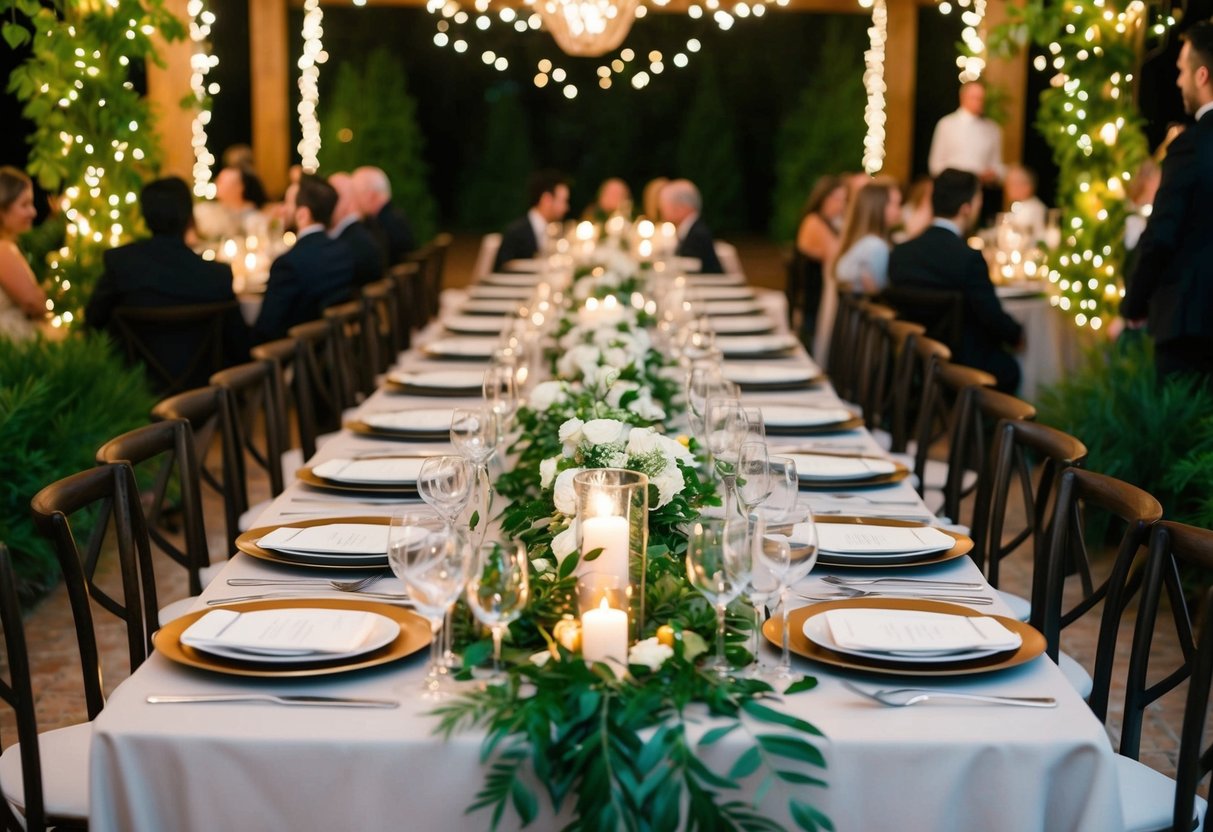
The rehearsal dinner is an important gathering before your wedding day. It serves to prepare the wedding party and close family for the ceremony. Knowing its purpose and who to invite can help you plan this event smoothly.
Purpose of a Rehearsal Dinner
The main purpose of a rehearsal dinner is to have a run-through of the wedding ceremony. This helps everyone know their roles and reduces stress for the big day.
It’s also a chance to celebrate with those closest to you. After the rehearsal, you can share a meal and enjoy time together. This can include giving speeches, acknowledging those who helped plan the wedding, and enjoying some lighthearted moments.
Traditionally, the groom’s family pays for this dinner, but it can vary. The focus is on creating a warm atmosphere for all attendees.
Typical Attendees
Typically, guests at the rehearsal dinner include the wedding party, immediate family, and the officiant.
Wedding Party: This group consists of bridesmaids, groomsmen, and often their partners. They play a key role in the ceremony, so inviting them is a must.
Immediate Family: Parents, siblings, and sometimes grandparents are usually invited.
Officiant: Your officiant may also join the dinner. It’s courteous to include them since they will guide you through the ceremony.
You can expand the guest list to include close friends if you desire. Just remember, the dinner is meant to be more intimate than the wedding itself.
Planning Your Rehearsal Dinner

Planning your rehearsal dinner is an exciting part of your wedding preparations. The dinner allows you to gather close friends and family before the big day. You’ll need to consider the venue, create the guest list, and pay attention to invitation etiquette to make the event enjoyable.
Rehearsal Dinner Venue Selection
Choosing the right venue for your rehearsal dinner is essential. Consider a place that reflects your style and fits your budget.
Popular options include restaurants, banquet halls, or even a cozy backyard gathering.
Think about the size of the venue. It should comfortably accommodate your guest list. Also, consider the atmosphere. A relaxed setting can help ease pre-wedding nerves.
Make sure to book early to secure your desired date.
Creating the Guest List
Creating your rehearsal dinner guest list involves thoughtful consideration. Start by listing all the people important to you and your partner.
Include immediate family, bridal party members, and anyone actively participating in the wedding.
Don’t forget to invite spouses or significant others. This makes the dinner more enjoyable for everyone.
If you’re unsure, consult with your partner and parents for input. Aim for a smaller, intimate gathering if you want a warm, close-knit experience.
Invitation Etiquette
When it comes to sending rehearsal dinner invitations, clarity is key. Invitations can be formal or informal based on your style.
Make sure to include the date, time, and location of the dinner.
You can send invitations digitally or through the mail, depending on what feels right for you.
Be sure to send them out well in advance, typically two to four weeks before the event. This allows guests enough time to RSVP.
Remember to mention the dress code if there’s one. Clear communication helps everyone feel comfortable and prepared for the gathering. This special dinner sets the stage for your wedding day, so make it memorable!
Rehearsal Dinner Guest List Etiquette
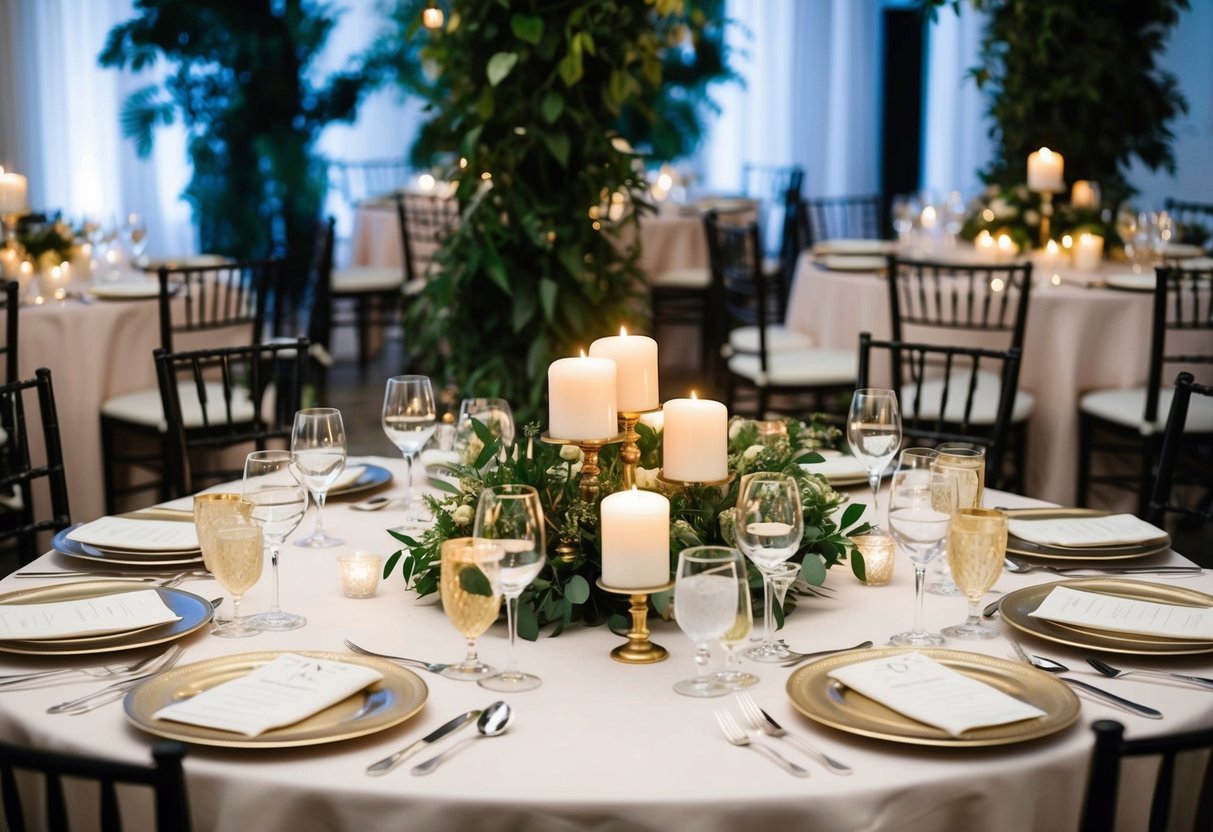
Creating a rehearsal dinner guest list can feel daunting. It’s important to strike a balance between inviting those closest to you while also considering various factors, like location and the nature of your wedding. Here are some key points to help you decide.
Deciding Who to Invite
When planning your rehearsal dinner, start with the wedding party. This typically includes your bridesmaids, groomsmen, and their spouses or partners.
Next, think about your immediate family members, including parents and grandparents, who often play significant roles in your wedding.
Consider extending invitations to close friends who have supported you along the way. You don’t need to invite every wedding guest; just those who are part of the ceremony and key people in your life.
The goal is to create an intimate celebration before the big day.
Consideration for Out-of-Town Guests
If you have guests traveling from afar for your destination wedding, it’s courteous to invite them to the rehearsal dinner. This provides an opportunity to welcome them and help them feel included.
Inviting out-of-town guests can also make their trip more meaningful.
Think about the number of guests you’re inviting to the wedding and how many are traveling. If most attendees are from out of town, it might make sense to invite all your wedding guests to the rehearsal dinner. This helps ease any feelings of exclusion and sets a friendly tone for the weekend.
Managing Plus-Ones and Children
Handling plus-ones can be tricky. Generally, you should invite a plus-one for members of the wedding party and any significant others of your close friends.
However, if you have budget concerns or space limitations, you can limit plus-ones to those in serious relationships.
Consider whether children will be part of your rehearsal dinner. If your immediate family includes kids, it’s often nice to welcome them. However, if you prefer a more adult atmosphere, you can decide to make the event adults-only while communicating this clearly in your invitations.
The Event Itself
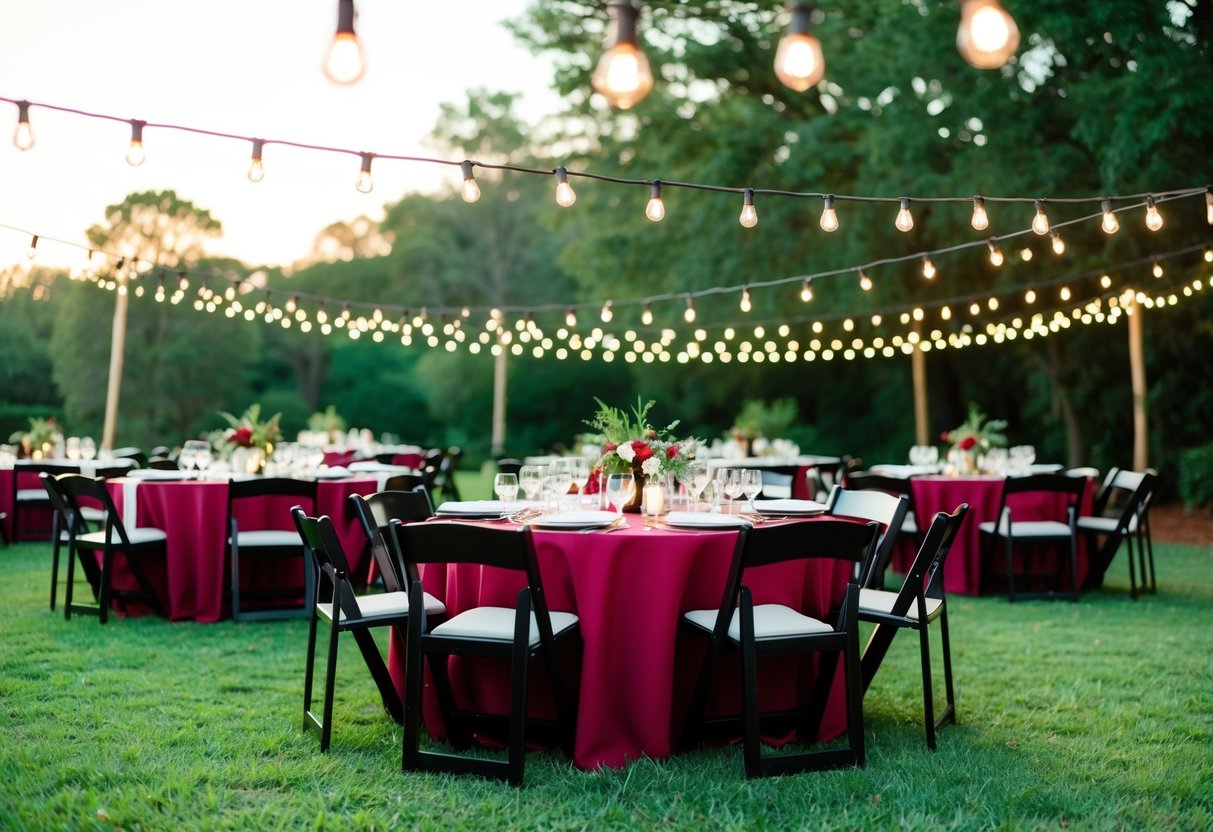
The rehearsal dinner is a special gathering that allows you to connect with those involved in your wedding. It can be a mix of formalities and intimate moments, creating a friendly atmosphere to prepare for the big day.
Schedule and Formalities
Typically, the rehearsal dinner takes place after the wedding rehearsal. This allows everyone to relax and enjoy a meal together.
Key components often include:
- Seating Arrangements: You may want to create a seating chart. Placing key family members and close friends near you can help foster conversation.
- Toasts: This is a perfect time for some heartfelt toasts. You can encourage your parents, wedding officiant, or siblings to share favorite memories or well-wishes.
- Events: Plan informal activities to keep the mood light. This could be sharing funny stories or playing fun wedding-themed games.
Hosting and Hospitality
As the host, you need to consider your guests’ comfort and enjoyment. Make sure the venue you choose fits your style, whether it’s an intimate dinner party or a larger gathering.
Important hosting aspects include:
- Wedding Expenses: Keep in mind that the groom’s family often covers the rehearsal dinner. Make sure to plan with your budget in mind.
- Inviting Family: Not every wedding guest should be invited, but close family members like aunts and uncles should be included. This fosters family bonds.
- Welcoming Feel: Creating a warm atmosphere sets the tone for your wedding. Offer drinks and appetizers to help guests mingle and feel at ease.
Your rehearsal dinner should reflect your personality and set the stage for a wonderful wedding celebration!