
Are Event Planners Necessary? Discovering Their Value in Event Success
Planning an event can feel overwhelming, whether it’s a wedding, corporate gathering, or a simple birthday party. You may wonder if hiring a professional is truly necessary.
Event planners are important because they help create memorable experiences by managing all the details, so you can focus on enjoying your occasion.
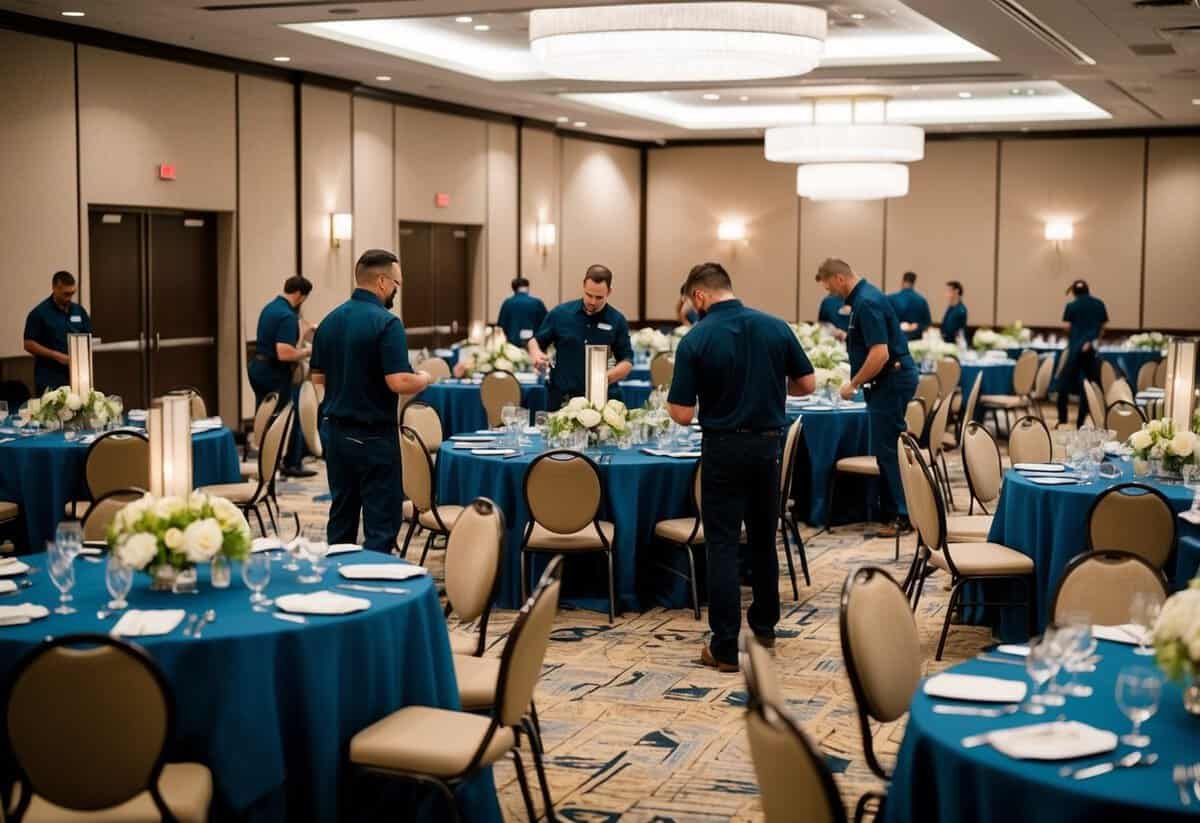
With their expertise, event planners can efficiently handle logistics, vendor coordination, and day-of management. This means you can relax and celebrate without getting bogged down by stress.
A trained planner can also bring creativity and innovation to your event, ensuring it stands out in the best way possible.
If you’re still unsure about hiring an event planner, consider how their skills can elevate your event and make it an unforgettable experience for you and your guests. With the right planner, your vision can come to life smoothly and beautifully.
The Vital Role of Event Planners
Event planners play an essential role in making your event a success. Their expertise, connections, and budget management skills help ensure everything runs smoothly. Here’s how they contribute to your event.
Expertise and Organization Skills
Event planners bring a wealth of expertise to the table. They understand the details that go into planning a successful event.
From venue selection to scheduling and logistics, they know what works and what doesn’t.
Their organizational skills are crucial for keeping everything on track. They create detailed timelines and checklists, ensuring that nothing is overlooked.
This level of organization helps reduce stress for you, allowing you to focus on enjoying your event rather than worrying about the details.
Vendor Networks and Connections
A well-connected event planner has access to a wide network of vendors. This includes caterers, photographers, and entertainment options.
Their connections can save you time, as they already have relationships built with reliable partners.
By using their trusted vendors, you’re more likely to receive quality service. Event planners can also negotiate better rates because of their established connections.
This can lead to cost savings for your event, helping you stay within your budget while enjoying top-notch services.
Budget Management and Cost Savings
Budget management is one of the most critical aspects of planning any event. Event planners help you set a realistic budget, considering all necessary factors.
They track expenses diligently, ensuring you don’t overspend.
Their experience in the industry allows them to identify cost-effective solutions. By comparing different vendors and options, they find the best deals.
This not only saves you money but also maximizes the value you receive for your investment. You’ll have peace of mind knowing that your finances are in capable hands.
Planning With Purpose
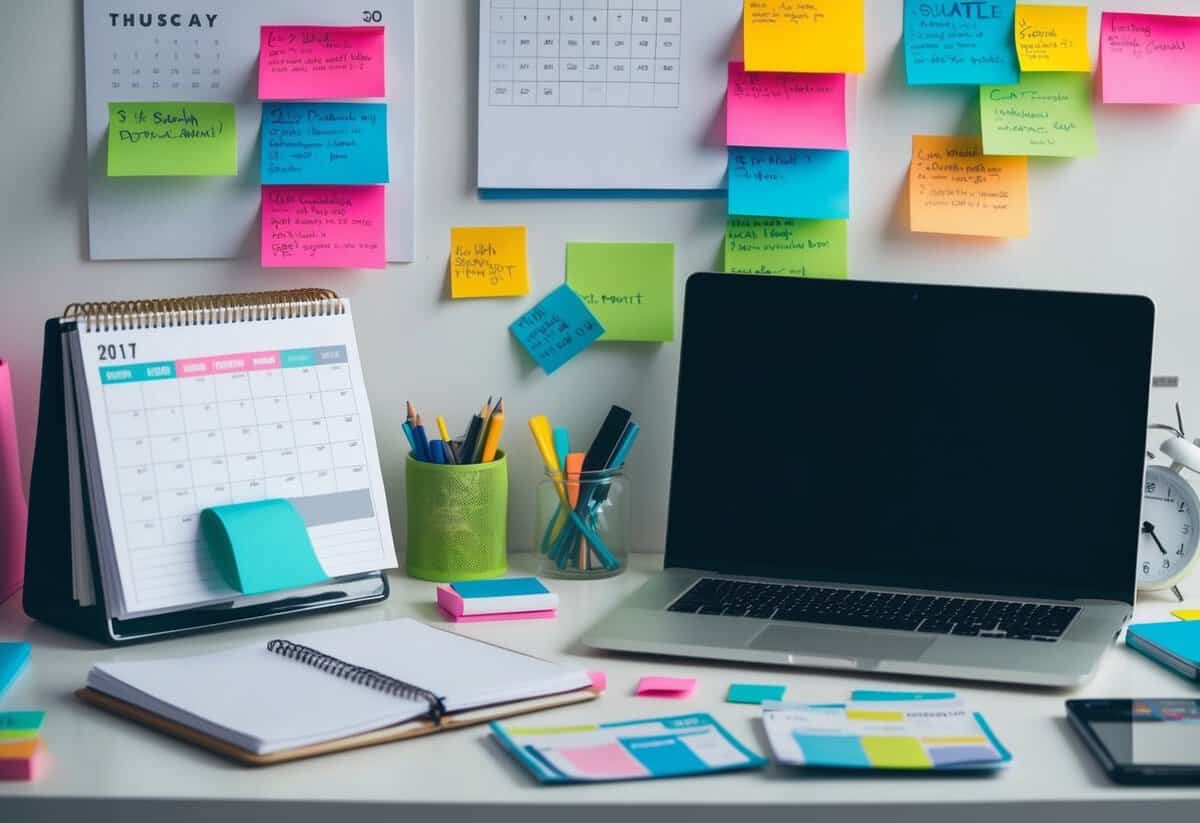
When you plan an event, it’s essential to have clear goals in mind. This means knowing how your event fits into your larger business goals. It also involves understanding what you want to achieve with the event itself. Lastly, creating opportunities for attendees to connect can enhance the event’s value.
Aligning with Business Objectives
To make your event successful, start by aligning it with your business objectives. Think about what your organization hopes to achieve, whether it’s increasing brand awareness, driving sales, or enhancing client relationships.
Consider setting specific goals, like reaching a sales target or launching a new product. Each element of your event should support these objectives.
For example, keynote speakers can address topics that showcase your expertise. This keeps the event focused and relevant to your goals.
Focusing on Event Objectives
Next, concentrate on the specific objectives of your event. Are you hosting a conference, convention, or social gathering? Each type of event has unique goals.
For conferences, your focus might be on education and networking. For social events, it could be about community building and brand engagement.
Outline clear objectives for your event. This could include attendee satisfaction, knowledge transfer, or networking outcomes. When everyone understands the purpose, it’s easier to create a plan that meets those needs successfully.
Creating Networking Opportunities
Networking opportunities are a key part of any event. You want your attendees to connect with each other, leading to new partnerships or collaborations.
Think about how to facilitate these connections effectively.
Use methods like structured networking sessions, breakout groups, or social hours. Make sure to have designated spaces where people can meet and interact.
Tools like name badges or apps can help attendees find others with similar interests or goals.
By focusing on networking, you enhance the event experience and help participants make valuable connections. This not only benefits them but also reflects positively on your planning.
The Logistics of Memorable Experiences
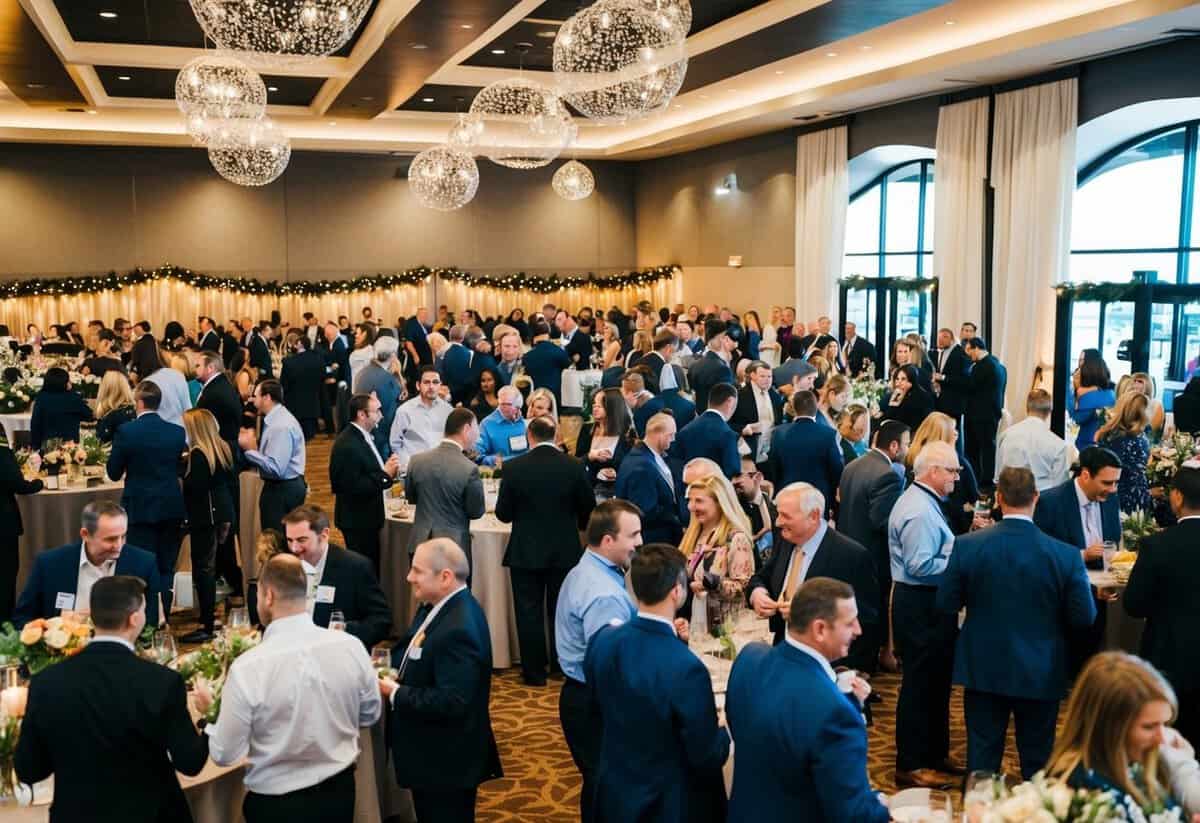
Creating memorable experiences at events involves careful planning and attention to detail. You need to coordinate various elements, from venue selection to communication. Each part plays a crucial role in ensuring everything runs smoothly and meets your creative vision.
Venue Selection and Coordination
Choosing the right venue is key to the success of your event. The venue sets the tone and provides the backdrop for the experience you want to create.
Look for a space that aligns with your vision. Consider factors like capacity, location, and amenities.
Once you’ve selected a venue, coordination is essential. Work with the venue staff to ensure that everything from seating arrangements to catering aligns with your needs.
Regular check-ins will help you address any issues early and keep everything on track.
Handling the Small Details
The small details often make the biggest impact on your guests. From guest seating to decor, every element adds to the overall experience.
Create a checklist to keep track of these details. This includes confirming RSVP lists, arranging for signage, and ensuring that audio-visual needs are met.
Don’t forget about the production timeline! Keeping a schedule will help you manage the event flow. Being organized allows you to focus on creativity, making the event more enjoyable for everyone.
Ensuring Effective Communication
Successful event logistics rely on clear communication. You, your team, and any vendors involved should have clear lines of communication.
Make a communication plan that outlines who is responsible for what. Use tools like group chats or project management software to streamline conversations.
During the planning process, encourage feedback from your team and vendors. This will help you identify potential problems early and brainstorm creative solutions together.
A team that communicates well can adapt quickly, making the entire experience smoother for your guests.