
Are Guests Invited to the Rehearsal Dinner? What You Need to Know
When planning your rehearsal dinner, you might wonder about who should be invited. Typically, guests invited to the rehearsal dinner include everyone who is part of your wedding ceremony, such as the wedding party, parents, and their significant others. This pre-wedding celebration is a special time to bring together those closest to you before the big day.

It’s not just about sharing a meal; it’s an opportunity for laughter, bonding, and relaxation. By thoughtfully curating your guest list, you create a warm atmosphere that helps everyone feel connected and excited for the wedding.
Keep in mind that this gathering is more intimate than the wedding itself, allowing for meaningful interactions among loved ones.
Thoughtful wedding planning involves considering who will enhance this joyful occasion. The rehearsal dinner sets the tone for your upcoming celebration, making it an essential part of your festivities. So, make sure to invite those who matter most to you as you prepare for your special day!
Understanding Rehearsal Dinner Basics

The rehearsal dinner is a key part of the wedding experience. It brings together the people who will be involved in the ceremony to prepare and celebrate. Here’s a closer look at what the rehearsal dinner means and its main purpose.
Defining the Rehearsal Dinner
The rehearsal dinner typically occurs the evening before your wedding. It is a gathering for those participating in the ceremony, including the bridal party, family members, and sometimes close friends. This dinner is a chance to relax and connect with one another before the big day.
During this event, you might go through the ceremony rehearsal. This helps everyone understand their roles and positions for the wedding day. The dinner often features a meal, speeches, and shared moments. It helps everyone feel more comfortable with each other and the upcoming ceremony.
The Purpose of a Rehearsal Dinner
The main purpose of the rehearsal dinner is to celebrate and express thanks. It’s a special time to appreciate all those helping with the wedding, including the wedding party and family members. You can show your gratitude through heartfelt speeches and small gifts.
It also allows everyone involved to bond before the wedding day. Building these connections can ease nerves and create a sense of teamwork. The relaxed setting helps people feel included and excited for the ceremony. By the end of the dinner, everyone will be ready to support you on your wedding day!
The Guest List Decoded
Creating a guest list for the rehearsal dinner can feel overwhelming. It’s important to know who should be included and who you might want to leave off. This helps ensure everyone who is important to you is there without going overboard.
Who Is Traditionally Invited
Traditionally, the rehearsal dinner guest list includes close family and friends. This often consists of immediate family members, such as parents, siblings, and grandparents.
You should also invite the entire wedding party, including bridesmaids, groomsmen, flower girls, and ring bearers. If they have a significant other, it’s polite to extend an invitation to them too.
This gathering is a wonderful chance for everyone involved in the ceremony to bond before the big day. Keeping it intimate helps create a warm and relaxed atmosphere.
Managing Out-of-Town Guests
Many couples choose to invite out-of-town guests to the rehearsal dinner. This gesture shows appreciation for those who travel to celebrate with you.
When deciding, consider if the majority of your guests are coming from afar. If so, it may be thoughtful to invite them all.
Make sure to communicate this early. Sending invitations ahead of time allows your guests to plan their travel efficiently.
This consideration helps them feel included in the festivities surrounding your wedding.
Considering Immediate and Extended Family
Immediate family is typically a given on your guest list. However, the inclusion of extended family can vary.
Include aunts, uncles, cousins, and close family friends you are particularly close with. You don’t need to invite everyone if relationships aren’t strong.
It’s essential to prioritize those who are genuinely significant in your life. By doing this, you create an inviting atmosphere for those who matter most.
Also, consider any plus-ones for close relatives. This can sometimes help ease tensions and make for a more comfortable gathering.
Wedding Party and Officiants
The wedding party consists of those who play a vital role in your ceremony. This includes your bridesmaids, groomsmen, and any other special participants.
Don’t forget to invite your officiant! They are an important part of your wedding, and many couples appreciate sharing a meal with them before the big day.
Having everyone involved in the rehearsal dinner fosters teamwork and sets a collaborative tone. This creates a stronger bond before walking down the aisle.
Invitations and Etiquette
When planning your rehearsal dinner, it’s important to consider how you will send out invitations and what etiquette to follow. Keeping things organized will make this part of your wedding planning easier.
Sending Out Rehearsal Dinner Invitations
You should typically send out rehearsal dinner invitations about three to four weeks before the event. This gives your guests enough time to adjust their plans. You can choose to mail invitations or send them digitally, depending on your preference.
Make sure to include essential details like the date, time, location, and any special instructions. Including the names of the hosts is also important since they are typically the ones paying for the event. This clarity helps your guests know who is organizing the dinner.
Plus-One and RSVP Protocols
Deciding who gets a plus-one can be tricky. Generally, you should offer a plus-one to those who are in serious relationships or members of the wedding party. This consideration helps make everyone feel included.
Make it easy for guests to RSVP. You could include a simple reply card or a digital option for those who receive an electronic invite. Keeping track of responses is essential for finalizing your plans.
Rehearsal Dinner Etiquette Overview
Rehearsal dinner etiquette is straightforward. The guests who are usually invited include family members, wedding party members, and close friends of the couple. If you’re in doubt, it’s fine to ask for help from your wedding planner or family.
The tone of the event is usually more relaxed than the wedding. Dress codes may vary, so communicate any specific attire guidelines in the invitation. Remember, the rehearsal dinner is a great way to bond before the big day, so keep it fun and light-hearted!
Planning Details and Advice
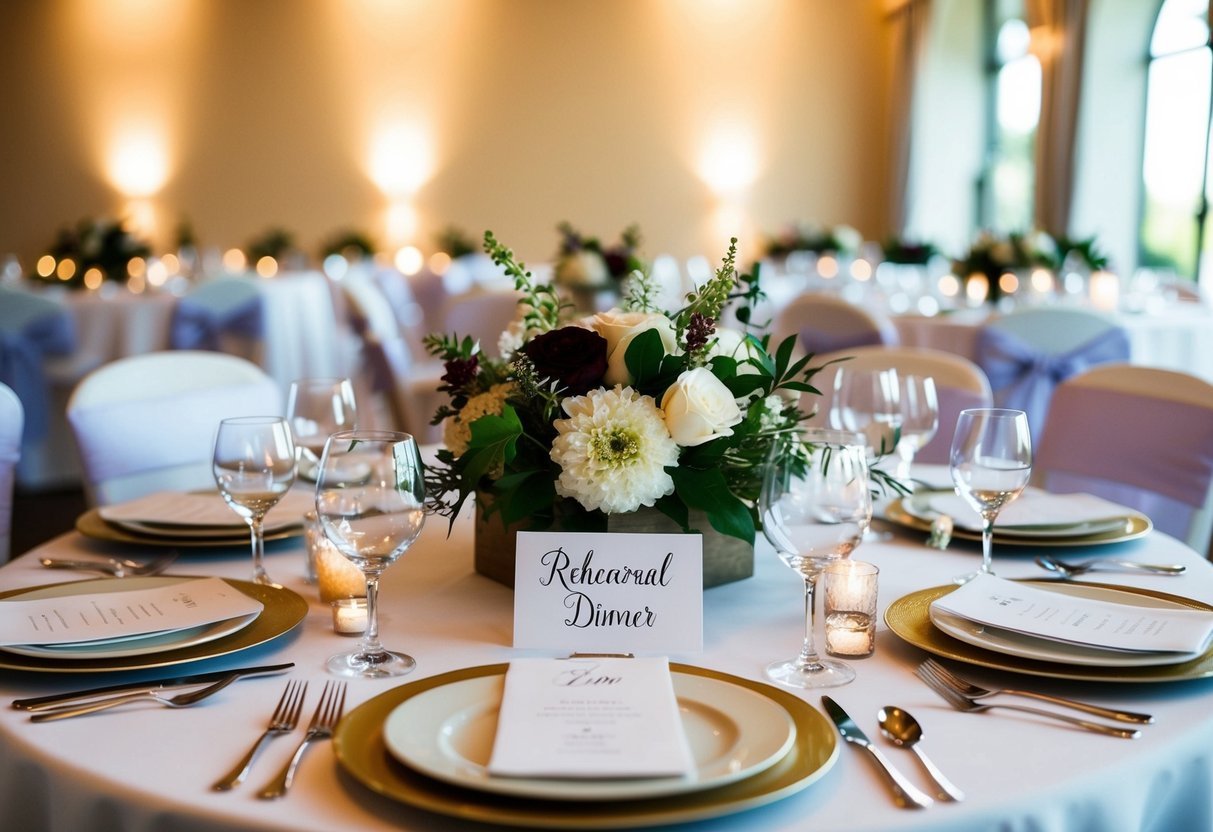
Planning your rehearsal dinner involves several key components to ensure a smooth and enjoyable experience. You’ll want to think about budgeting, picking the right venue, selecting food and drinks, and planning any speeches or thank-you gifts for your guests.
Budgeting for the Rehearsal Dinner
Start by determining how much you can spend on the rehearsal dinner. This event is usually less costly than the wedding reception, but expenses can add up quickly.
A typical budget involves:
- Venue rental
- Food costs
- Drinks (consider whether you want an open bar or cash bar)
- Decorations
Who pays for the rehearsal dinner? Traditionally, the groom’s parents handle this expense, but it can be a joint effort. Be clear about your budget with family members involved to avoid surprises.
Selecting the Venue
Choosing the right venue sets the tone for your rehearsal dinner. Think about an intimate dinner that reflects you and your partner’s style.
Consider these options:
- Restaurants: Great for smaller gatherings.
- Homes: Perfect for a cozy atmosphere.
- Banquet halls: Suitable for larger groups.
When selecting a venue, make sure it can accommodate your guest list comfortably. Always check availability, especially if your wedding is during peak season.
Food, Drinks, and Entertainment
The menu can significantly influence the atmosphere of your dinner. Ask yourself:
- What type of cuisine do you both enjoy?
- Will the dinner be plated or buffet style?
Make sure to accommodate any dietary restrictions your guests may have. You might also want to offer a selection of drinks.
Don’t forget about entertainment! Simple music or light games can keep the mood festive but should remain casual to not overshadow the event.
Speeches and Thank-You Gifts
Speeches can be a heartfelt way to express gratitude. Formal speeches are usually reserved for the wedding, but the rehearsal dinner is the perfect time for more personal messages.
Consider having:
- Immediate family share anecdotes.
- Close friends make toasts.
As for thank-you gifts, consider small tokens, like personalized notes or simple favors, to show appreciation to your guests. These gifts can be something meaningful or tied to your wedding theme.